fellfolio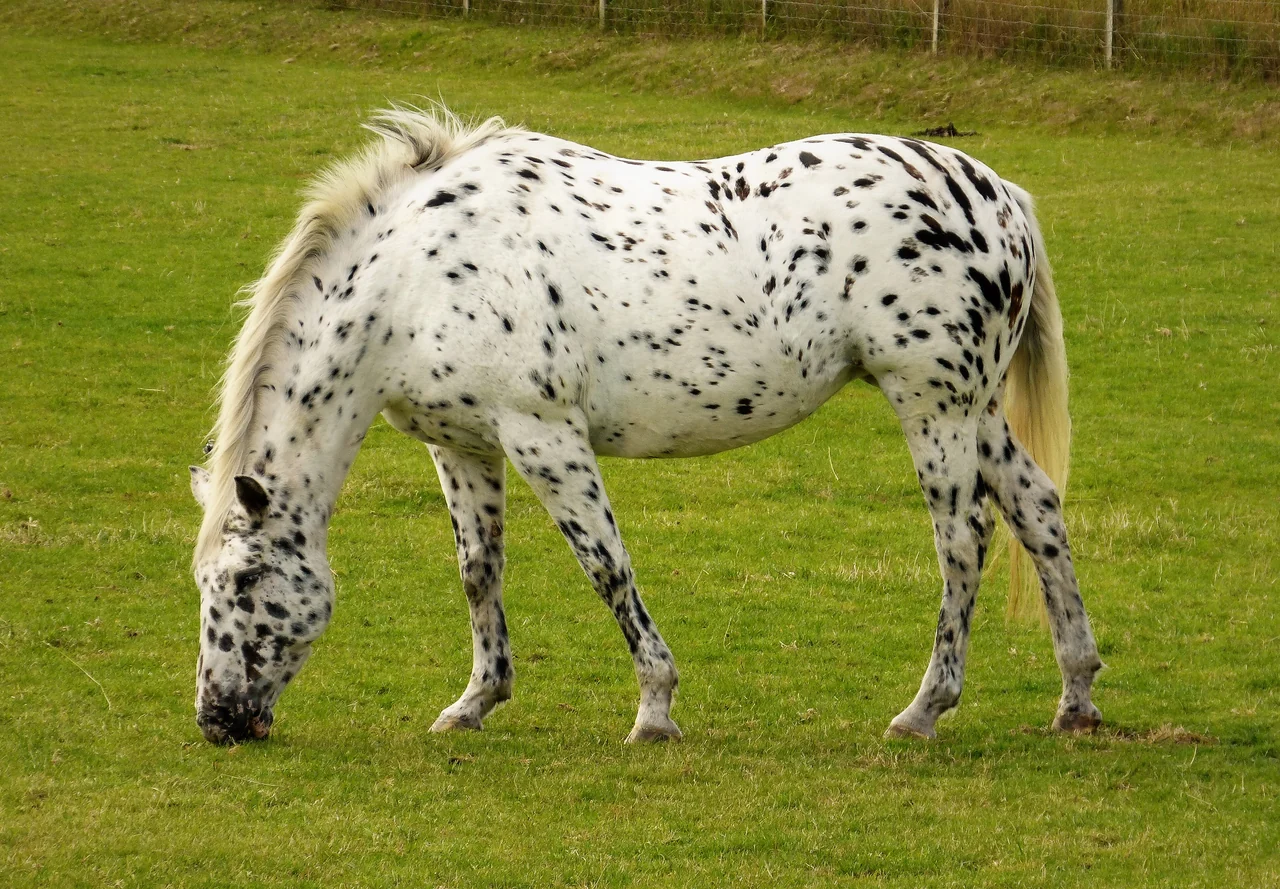
What makes a horse an Appaloosa?
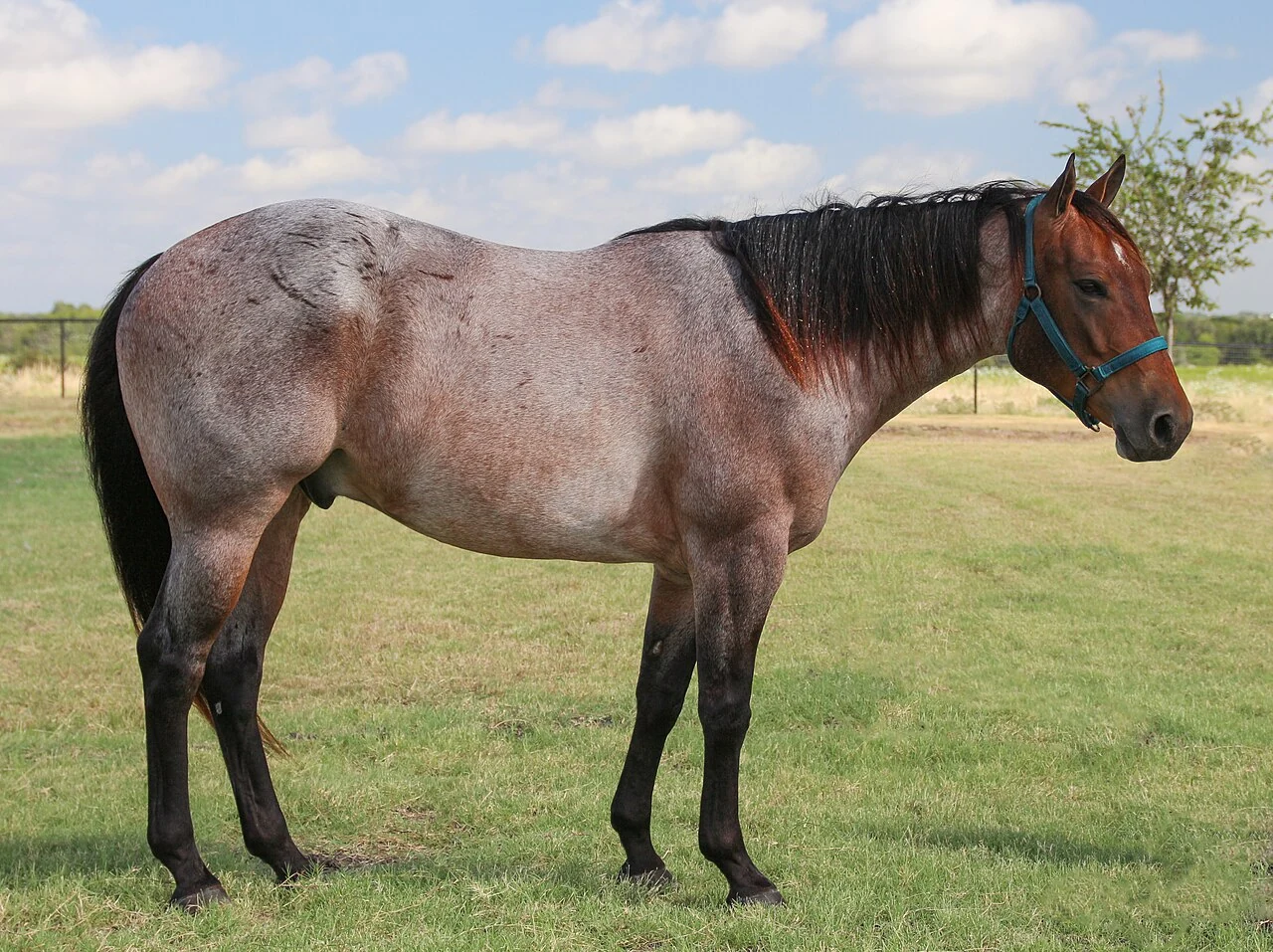
The Appaloosa is a horse breed with its own registry. The American Appaloosa Horse Club, or ApHC, records the parentage of registered horses. Solid coloured horses can be Appaloosas too. Similar spotting also occurs in Knabstruppers and several other breeds. Verifiable registration and pedigree records tell you more about breed identity than a photograph does.
The Appaloosa Horse Club Germany breeding programme aims for a height of 142 to 165 centimetres at the withers. This is measured from the ground to the raised area where the neck meets the back. The range describes a breeding goal, and individual horses can fall outside it.
The breeding programme describes an athletic riding horse with well developed muscles. Different builds and breeding lines exist within the breed. Consider whether the horse’s size, movement and training suit the activities you have in mind. A saddle should be fitted to the individual horse, taking account of its shape and how the fit changes over time.
The Nimiipuu are central to the breed’s history
The Nimiipuu live in the northwestern part of North America. Their horsemanship and breeding had a major influence on the Appaloosa’s development. Horses supported travel, hunting and trade, and were valued for endurance and agility. Their herds included spotted animals. The later name Appaloosa is traced to a name for horses from the Palouse, a region in present day Washington and Idaho.
That history includes the violent displacement of the Nimiipuu from parts of their homeland. During the war of 1877, families fled with their horses from the US Army. Many horses were captured and herds were scattered. These events disrupted horse breeding as part of a much wider loss of land and self determination.
The modern Appaloosa Horse Club was founded in 1938, establishing an organisation for breeding records and registration. The breed has continued to develop since then. The Nez Perce National Historical Park documents Nimiipuu history and the events of 1877. Its historical accounts provide valuable context for this part of the breed’s story.
Understanding coat patterns and LP
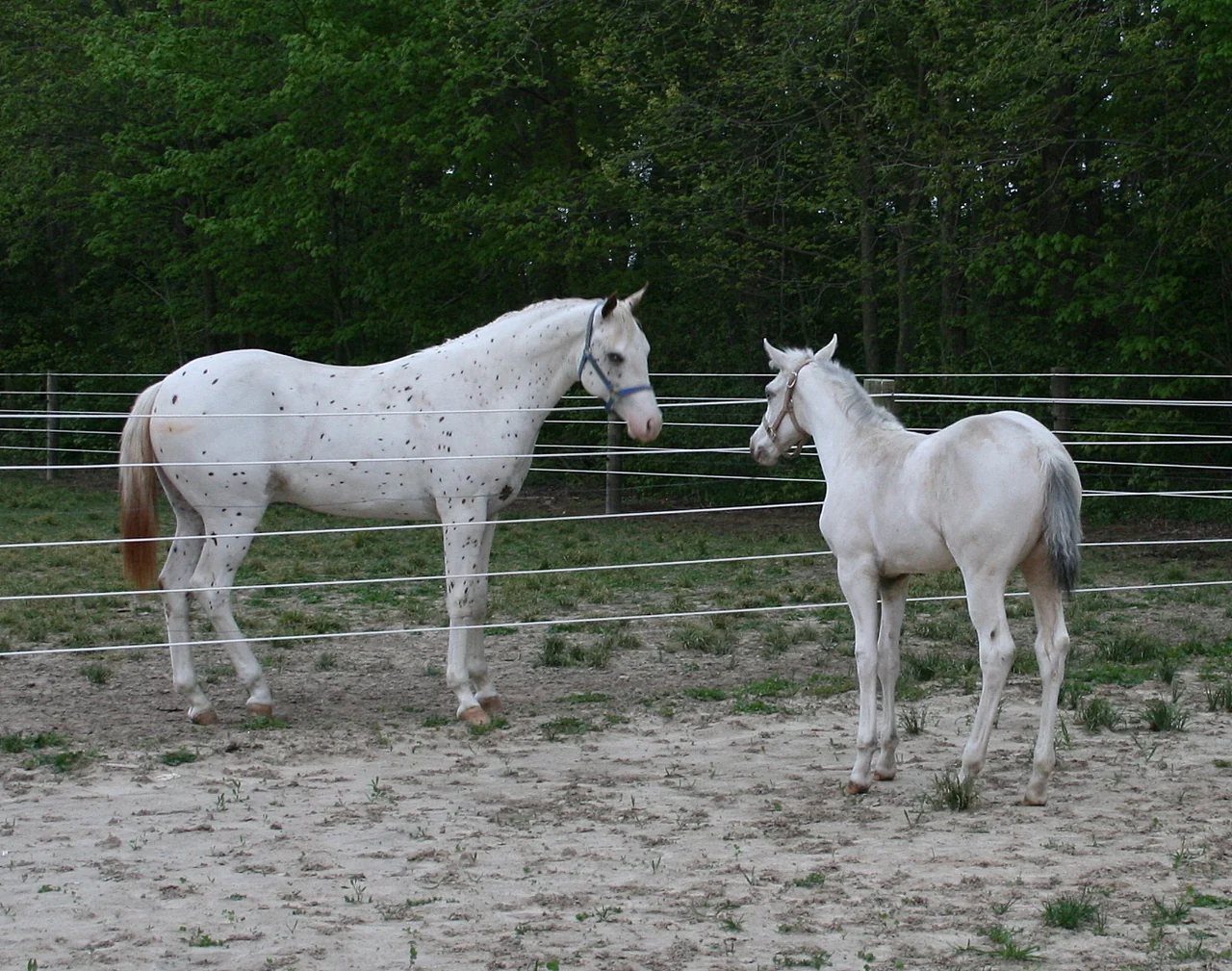
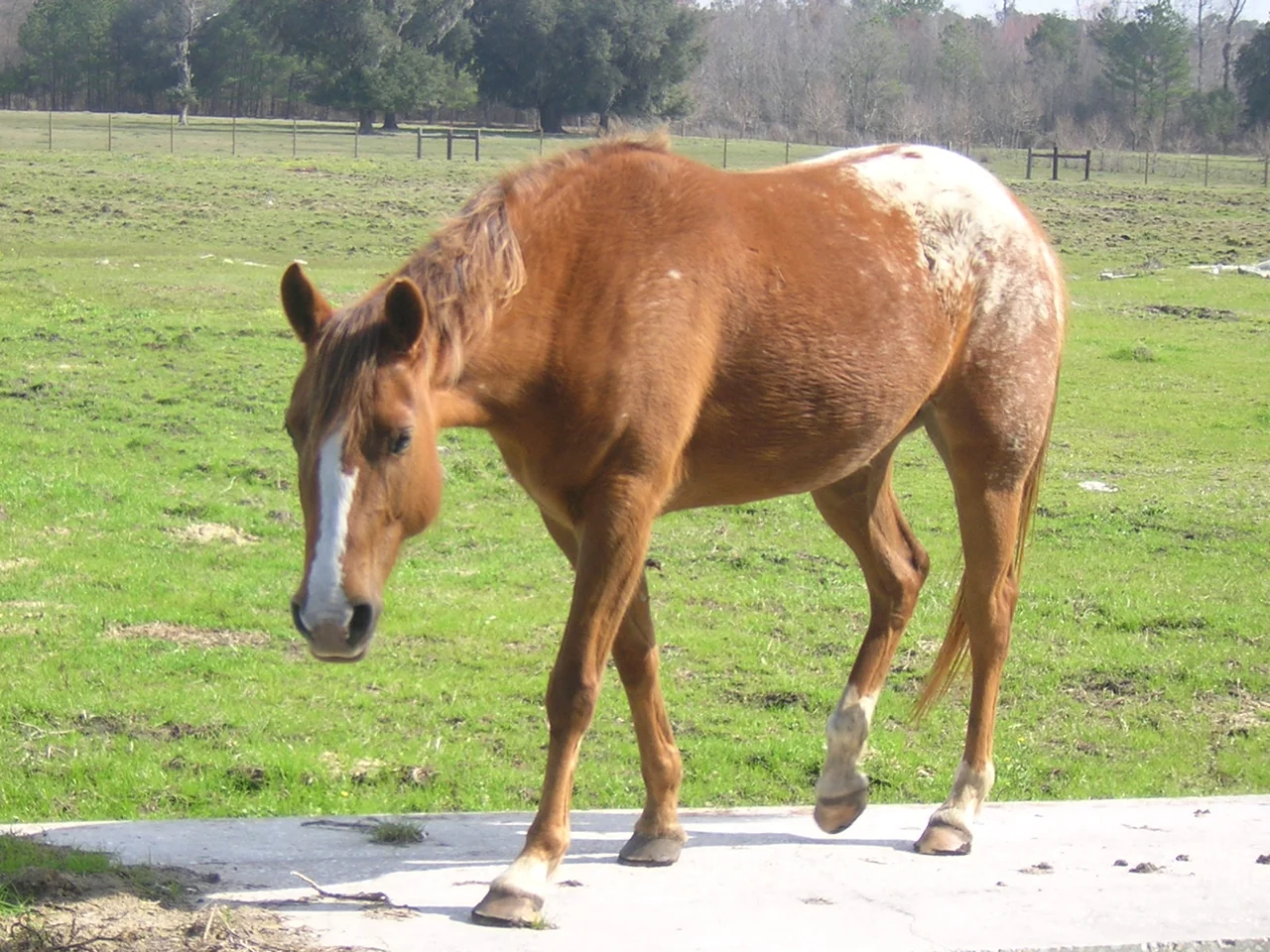
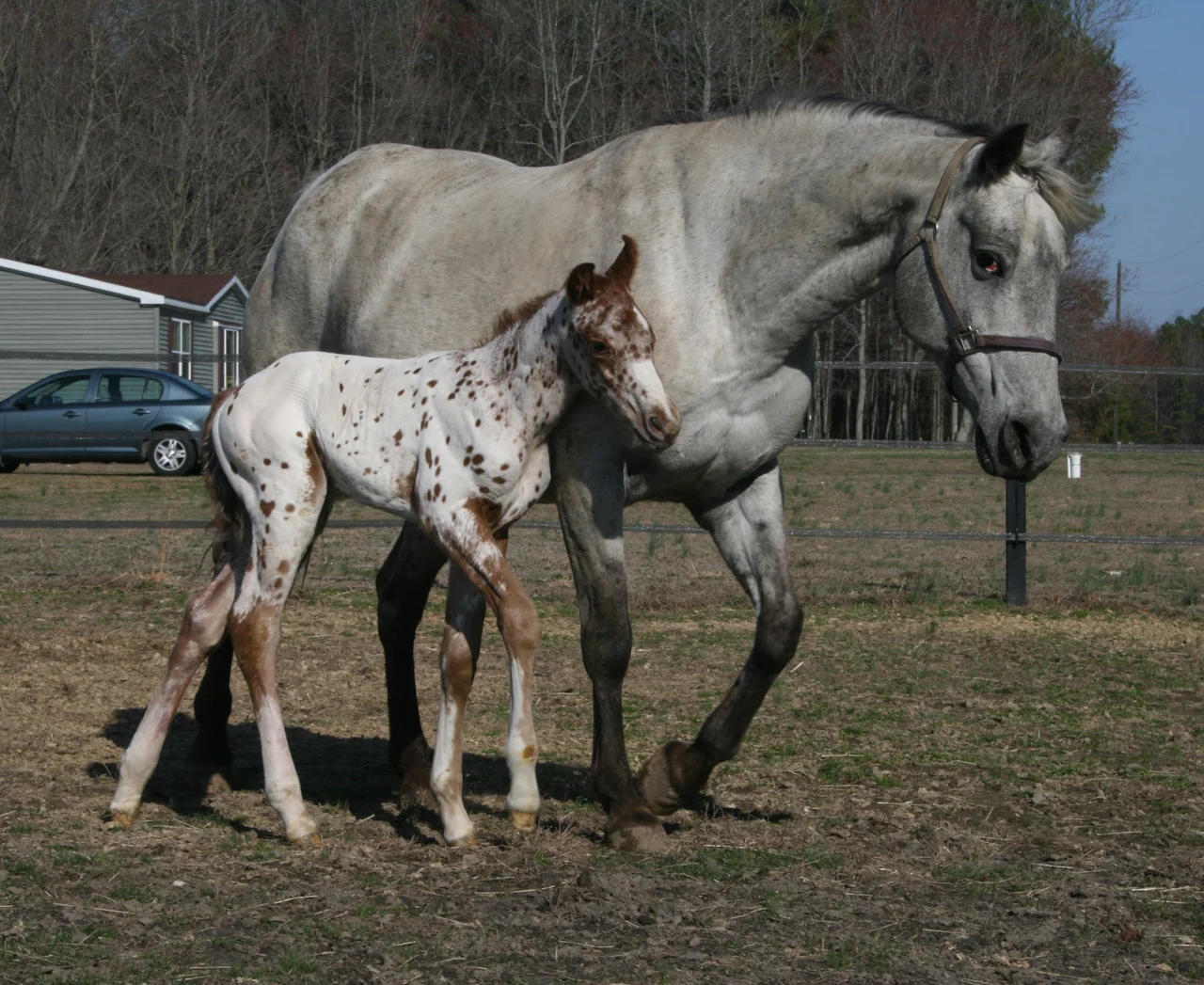
A leopard pattern has dark spots across a largely white coat. A blanket pattern resembles a pale covering over the back of the body and may contain spots as well. These names help describe the markings you see when comparing different horses.
A genetic variant called LP plays an important role. LP stands for Leopard Complex and forms part of the inherited basis of these patterns. Other genes influence how much white appears. Counting spots cannot reliably show whether a horse carries one or two copies of LP. A genetic test can establish this.
Mottled skin, vertically striped hooves and visible white around the coloured iris are also common features. The iris is the coloured ring surrounding the pupil. Visible eye white can be normal in this breed and should not be treated as a sign of fear on its own. Coat patterns may change with age as more white hairs appear in areas that were previously darker.
Finding activities that suit the individual
Appaloosas are bred for leisure riding and western disciplines, among other uses. In trail classes, for example, horses negotiate obstacles such as gates and ground poles. They need clear cues and gradual preparation to learn those tasks. Suitable Appaloosas can also enjoy a varied ridden life beyond western competitions.
For everyday ownership, notice how a horse behaves when led, whether it waits calmly, lifts its feet and copes with unfamiliar situations. A gelding is a castrated male horse and a mare is an adult female. Either may be a suitable riding partner when its training, experience and behaviour match your needs. A stallion, an uncastrated male, brings additional demands on handling experience, secure accommodation and contact with other horses. His suitability should also be assessed through his actual behaviour.
Manageable steps and a suitable reward help a horse understand the response you want. A mounting block is a sturdy raised step used to help a rider get on. Standing quietly beside it can be taught in short stages before you get into the saddle. If a horse suddenly moves away during grooming or behaves differently when ridden, possible pain and tack fit should be investigated. Our guide to reward based horse training explains how to build exercises clearly.
Read more: Reward-based horse training: clear steps for everyday care
A home with movement and equine company
A suitable home for an Appaloosa provides daily freedom to move and dependable contact with other horses. Having horses somewhere else on the property does not necessarily meet that need. Look at whether your horse can spend time with compatible companions, rest comfortably and reach food and water.
In a group, feeding areas and routes should allow a lower ranking horse to move away from others. A dry resting area and shelter from sun, wind and rain are part of the setup too. When visiting a yard, ask how turnout works in winter. Horses should still have daily opportunities to move freely when grazing fields need a rest.
After a move, a horse needs time to learn new routes and get to know people and companions. Information about its previous feeding, routine and behaviour in a group helps with the transition. Introductions should be planned with the yard team. Our guide to choosing a yard can help you assess accommodation and daily care before deciding.
Read more: Choosing the right yard for your horse · Keeping horses: building a good everyday life
Feeding, feet and skin in everyday care
Good forage, mainly grass and hay, is the basis of the diet. The ration should match body condition, workload and health. An Appaloosa used for relaxed rides does not automatically need large meals of concentrated feed, such as oats or cereal based mixes. Minerals and other supplements should be chosen around what the existing diet already supplies. Forage analysis and qualified nutritional advice can help you work this out.
Body condition should be assessed regularly by touch as well as by looking. The ribs, neck and areas along the back provide clues about fat gain or weight loss. The size of the belly alone is not a useful guide. Changes to feed and grazing time should be gradual. Fresh water must remain accessible, including to a horse that others push away from a trough.
Routine care includes checking the feet, arranging suitable hoof care and watching the skin and coat. Pink skin, for example on the nose, can burn easily, so shade and appropriate sun protection may be needed. Striped hooves deserve the same careful attention as any others. A qualified hoof care professional can advise on shoes by assessing the feet, the ground the horse works on and its workload.
Read more: Daily horse care: noticing what changes
Night blindness and eye inflammation are different conditions
A horse that inherits the LP variant from both parents carries two copies, written as LP/LP on a laboratory report. These horses have congenital stationary night blindness. Congenital means present from birth, and stationary means this condition does not become progressively worse with age. In low light, affected horses have little or no vision. Daytime sight is usually normal if no other eye disease is present.
Familiar routes and adequately lit areas matter when caring for an affected horse after dark. A horse may hesitate when entering a dark trailer or walking along a poorly lit barn aisle because it cannot see clearly. That response should not immediately be treated as disobedience. The veterinarian and yard team can help plan suitable lighting and accommodation. New surroundings should first be introduced in daylight.
A separate condition is equine recurrent uveitis, usually shortened to ERU. This is repeated or persistent inflammation inside the eye, which can cause permanent sight damage. Appaloosas are at increased risk, especially horses with two copies of LP. Increased risk does not mean that every such horse will develop the disease. A genetic test therefore cannot replace an eye examination.
Tearing, redness, sensitivity to light or an eye held closed should receive prompt veterinary attention. In Appaloosas, inflammation can also develop gradually without obvious painful episodes. Regular eye examinations matter, with their frequency tailored to the individual by the veterinarian. Previous eye findings and any genetic test results should be discussed before purchase.
From a young horse to an experienced companion
A young Appaloosa should grow up with suitable equine company and opportunities for free movement. Brief, calm practice with leading, touch and having its feet lifted prepares it for later care. Demands should fit its physical and mental development. Someone with limited experience should not take on a youngster’s education without experienced help.
An adult horse’s training should match its current fitness. After a longer break, strength and stamina need to be rebuilt. Short, gentle sessions can be increased gradually with experienced guidance. If the break followed an injury, the veterinarian should help plan the return to work. Feet, teeth and the fit of the equipment should also be checked beforehand.
With age, teeth, body condition, muscles and mobility need closer attention. Difficulty chewing hay or unexplained weight loss should be investigated, with feeding adjusted to the findings. An older horse may still benefit from enjoyable movement at an appropriate pace and intensity. Regular checks help you adapt care and activities as its needs change.
Choosing an Appaloosa for your everyday life
A viewing should include more than a short ride. How does the horse behave when caught from the field, groomed and tacked up? What experience does it have of riding in the countryside, traffic and riding with other horses? Its background should fit the life you are planning. An experienced person can help assess movement, training and how the two of you work together.
An independent veterinary examination before purchase helps put health findings in the context of your intended use. For an Appaloosa, the eyes should be an explicit part of that discussion. Existing laboratory reports should relate to the identified horse and be explained by a professional. Pedigree and registration records should also be verifiable.
Alongside the purchase price, budget for accommodation, feed, instruction, hoof care, veterinary attention and unexpected costs. The cost planner lets you bring together figures for your actual yard and region. Cover for holidays or illness should also be arranged early. A care handover can record feeding, appointments and particular needs, including lighting for a horse with night blindness.
Read more: Your first horse: preparing for the decision
Common questions
Does a spotted coat prove that a horse is an Appaloosa?
No. Similar patterns occur in other breeds. Verifiable pedigree and registration records help establish the breed background of an Appaloosa. A largely solid coloured horse can also be a registered Appaloosa.
Are Appaloosas suitable for beginners?
A well trained Appaloosa with calm behaviour and relevant experience may suit a beginner. At the viewing, an experienced person should help assess how you get on with the horse when leading, grooming and riding it. A young horse that still has much to learn needs substantially more guidance from experienced people.
Are all Appaloosas night blind?
No. Congenital night blindness linked to LP affects horses carrying two copies of the variant, written LP/LP. Coat appearance is not enough to determine this reliably. Genetic testing and veterinary assessment help you plan the care an individual horse needs.
Is night blindness the same as ERU?
No. Congenital stationary night blindness affects vision in low light and does not itself become progressively worse. ERU is inflammation inside the eye that can cause lasting damage. A horse can have both conditions. Redness, tearing or light sensitivity should receive prompt veterinary attention.
A closer look
Sources and photo credit
- Zuchtprogramm Appaloosa, Fassung vom 03.06.2024Appaloosa Horse Club GermanyWhat makes a horse an Appaloosa? · Finding activities that suit the individual
- Register Your AppaloosaAppaloosa Horse ClubWhat makes a horse an Appaloosa? · Choosing an Appaloosa for your everyday life
- About Us: Our HistoryAppaloosa Horse ClubThe Nimiipuu are central to the breed’s history
- The Flight of 1877US National Park Service, Nez Perce National Historical ParkThe Nimiipuu are central to the breed’s history
- Bear Paw Battlefield HistoryUS National Park Service, Nez Perce National Historical ParkThe Nimiipuu are central to the breed’s history
- Das Rasseportrait AppaloosaAppaloosa Horse Club GermanyUnderstanding coat patterns and LP
- Leopard Complex, Congenital Stationary Night Blindness, and UveitisUC Davis Veterinary Genetics LaboratoryWhat makes a horse an Appaloosa? · Understanding coat patterns and LP · Night blindness and eye inflammation are different conditions
- Congenital Stationary Night Blindness (CSNB)UC Davis Center for Equine HealthNight blindness and eye inflammation are different conditions · Choosing an Appaloosa for your everyday life
- Equine Recurrent UveitisUC Davis Center for Equine HealthNight blindness and eye inflammation are different conditions
- Guide to buying a horse: questions to ask and moreBritish Horse SocietyWhat makes a horse an Appaloosa? · Finding activities that suit the individual · From a young horse to an experienced companion · Choosing an Appaloosa for your everyday life
- Pre Purchase Veterinary ExaminationBritish Horse SocietyNight blindness and eye inflammation are different conditions · Choosing an Appaloosa for your everyday life
- Where to keep your horseBritish Horse SocietyA home with movement and equine company
- Feeding horses: horse diet and feedBritish Horse SocietyFeeding, feet and skin in everyday care
- Equine stressBritish Horse SocietyFinding activities that suit the individual · From a young horse to an experienced companion
- Essential care for your horse’s hoovesBritish Horse SocietyFeeding, feet and skin in everyday care
- Horse care in hot weatherBritish Horse SocietyFeeding, feet and skin in everyday care
- Our vision for the responsible involvement of horses in sportWorld Horse WelfareFrom a young horse to an experienced companion
- Caring for your senior horseUniversity of Minnesota ExtensionWhat makes a horse an Appaloosa? · From a young horse to an experienced companion
- Fence Planning for HorsesPenn State ExtensionFinding activities that suit the individual
- Settling your new horse into their homeWorld Horse WelfareA home with movement and equine company
- Fat scoring horsesBritish Horse SocietyFeeding, feet and skin in everyday care
- Bringing horses back into workWorld Horse WelfareFrom a young horse to an experienced companion
Photo credits
Photo: Leopard Appaloosa Horse. · gailhampshire · CC BY 2.0.
Photo: IMG_1259 · bankerssilvermoon · CC BY 2.0.
Photo: Appaloosa · Brittany Hogan · CC BY 2.0.
Photo: IMG_2117_edited-1 · bankerssilvermoon · CC BY 2.0.