fellfolio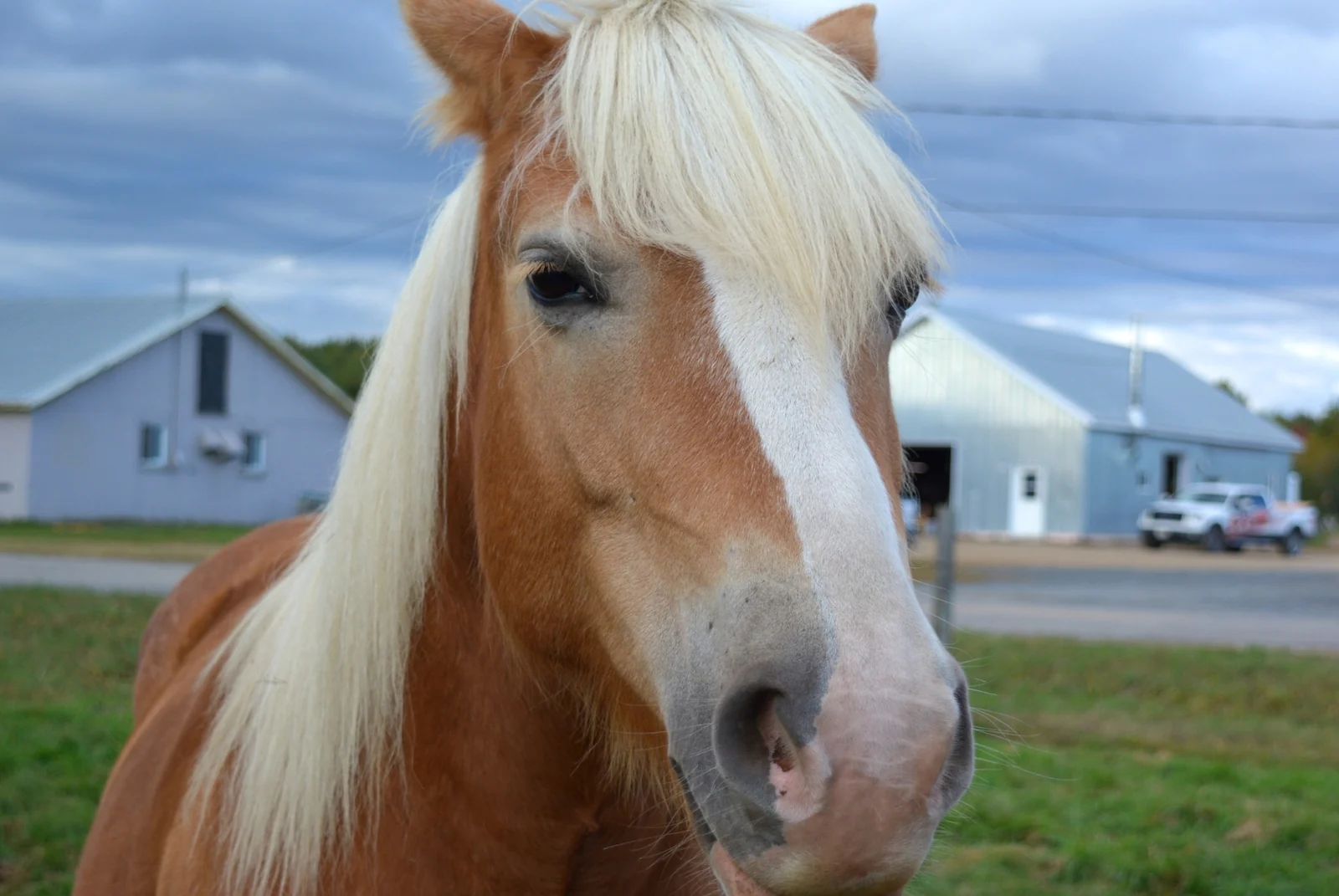
Build experience of the whole job
Riding a horse and taking responsibility for its care involve overlapping but different skills. Ownership includes feeding decisions, hoof-care appointments, observation and responses to illness. A share arrangement or regular practical experience at a well-run yard can reveal how those responsibilities fit around work and home life.
Identify the support you would use before buying. Who can help with handling difficulties? Who will teach you together? Who takes over if you are unavailable? A young or inexperienced horse requires particularly capable support. A low purchase price can therefore conceal substantial demands for training and supervision. For a first owner, a suitably educated horse with a well-understood handling history is often easier to assess realistically.
Turn preferences into practical criteria
A useful search describes situations: relaxed hacking in company, regular lessons, manageable handling or a particular sporting activity. Breed, colour and size may be preferences, but they do not explain how a horse will behave with you. Age, education, health and previous use need to be considered together.
When reading advertisements, distinguish broad descriptions from information that can be checked. “Good to handle” needs context. Ask what happens during catching, grooming, foot care, loading and different types of work. Known difficulties deserve an open discussion too. The aim is to understand the horse as it currently is, including the situations in which you would need help, rather than to construct an ideal version from the most appealing parts of an advert.
Give the viewing enough time
An experienced companion can watch while you concentrate on meeting the horse. Where possible, see the normal routine from catching through to tacking up. Under saddle, a person familiar with the horse should demonstrate first. Your own trial ride should follow only if the situation is appropriate for your ability.
A second visit can answer questions and show the horse in different circumstances. Write down impressions soon afterwards: what felt comfortable, what remained unclear and what support would be necessary? The purchase should not depend on a decision made that afternoon. A friendly seller and an enjoyable moment with the horse do not replace clear information about its history, health and previous work.
Understand the veterinary examination
An independent pre-purchase examination helps assess the horse’s current health in relation to your intended use. Discuss its scope and purpose with the examining vet beforehand. Existing reports, medication and known limitations are relevant. The examination cannot guarantee that a horse will remain healthy in the future.
The conversation afterwards matters as much as the report. Ask what a finding means for your particular plans, whether further investigation would help and what uncertainty remains. A result should be explained in context rather than reduced to a simple pass or fail. Identity documents, purchase paperwork and contractual statements also need careful checking, with appropriate professional advice for legal questions.
Prepare the home and the ongoing budget
The purchase price is a single expense. Accommodation and routine care continue every month, alongside hoof care, preventive veterinary work, lessons and equipment. Repairs and changes to equipment also occur. Illness and other unexpected costs need a workable funding arrangement. Build the budget from actual local quotations rather than the cheapest average figure found online.
Before transport, confirm the horse’s place, receiving contact, existing feeding plan and initial care arrangements. New surroundings, people and companions already introduce substantial change; an abrupt, incidental feed switch adds another avoidable complication. A calm beginning with clear routines lets you learn about each other. Lessons and further training can then develop around a daily life that is becoming familiar and manageable.
Common questions
Is a young horse a good choice so we can learn together?
A young horse needs skilled, consistent education. If you are still learning basic handling and riding situations, combining those learning needs can be difficult. A suitably experienced horse is usually easier for a first owner to assess.
Can a horse share be a useful first step?
Yes. It can provide experience of recurring responsibility and costs before full ownership. Care duties, riding arrangements and cover still need to be agreed clearly.
Sources and photo credit
- Guide to buying a horseBritish Horse Society
- Owning a horseBritish Horse Society
- Preventing colic in horsesBritish Horse Society
Photo: Haflinger · Charles Rondeau · CC0-1.0. Resized and converted to WebP; scene unchanged.