fellfolio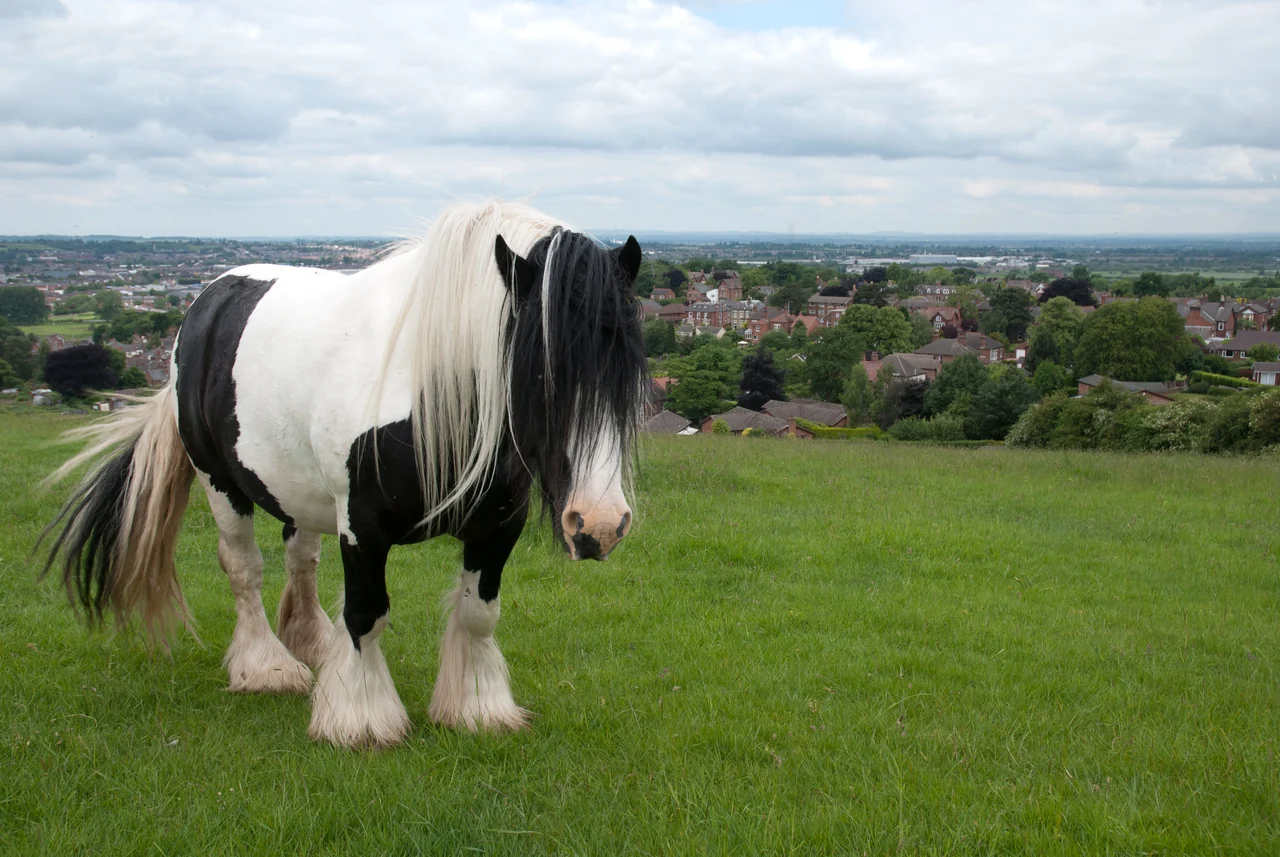
Irish Cob, Tinker and the people behind the breed
The Irish Cob developed through the horse breeding traditions of Irish Travellers, a community in Ireland with its own culture and a longstanding relationship with horses. Their horses pulled caravans and working carts, among other tasks. They needed the strength for this work and a temperament that made everyday handling manageable. Horses remain an important part of Traveller culture.
The official Irish Cob Studbook was established in 1998. A studbook records horses and their ancestry according to the rules of the organisation responsible for it. Before formal registration, much knowledge about bloodlines was passed down orally. Horse Sport Ireland now administers the Irish studbook.
Tinker is a familiar name for these horses in German speaking countries. Breed registration is more specific. German organisations have a separate Tinker breeding programme, while the Traditional Gypsy Cob Association maintains its own register. There is overlap, with rules allowing eligible horses from certain other studbooks to enter. An advert using several breed names rarely explains these details. The horse’s documents should show which studbook it is entered in and which organisation keeps that register.
Build, height and coat colours
Horse Sport Ireland’s standard describes a compact, powerful horse with well developed muscle and a height below 170 centimetres at the withers. The withers are the raised area where the neck meets the back. Height is measured vertically from the ground to that point.
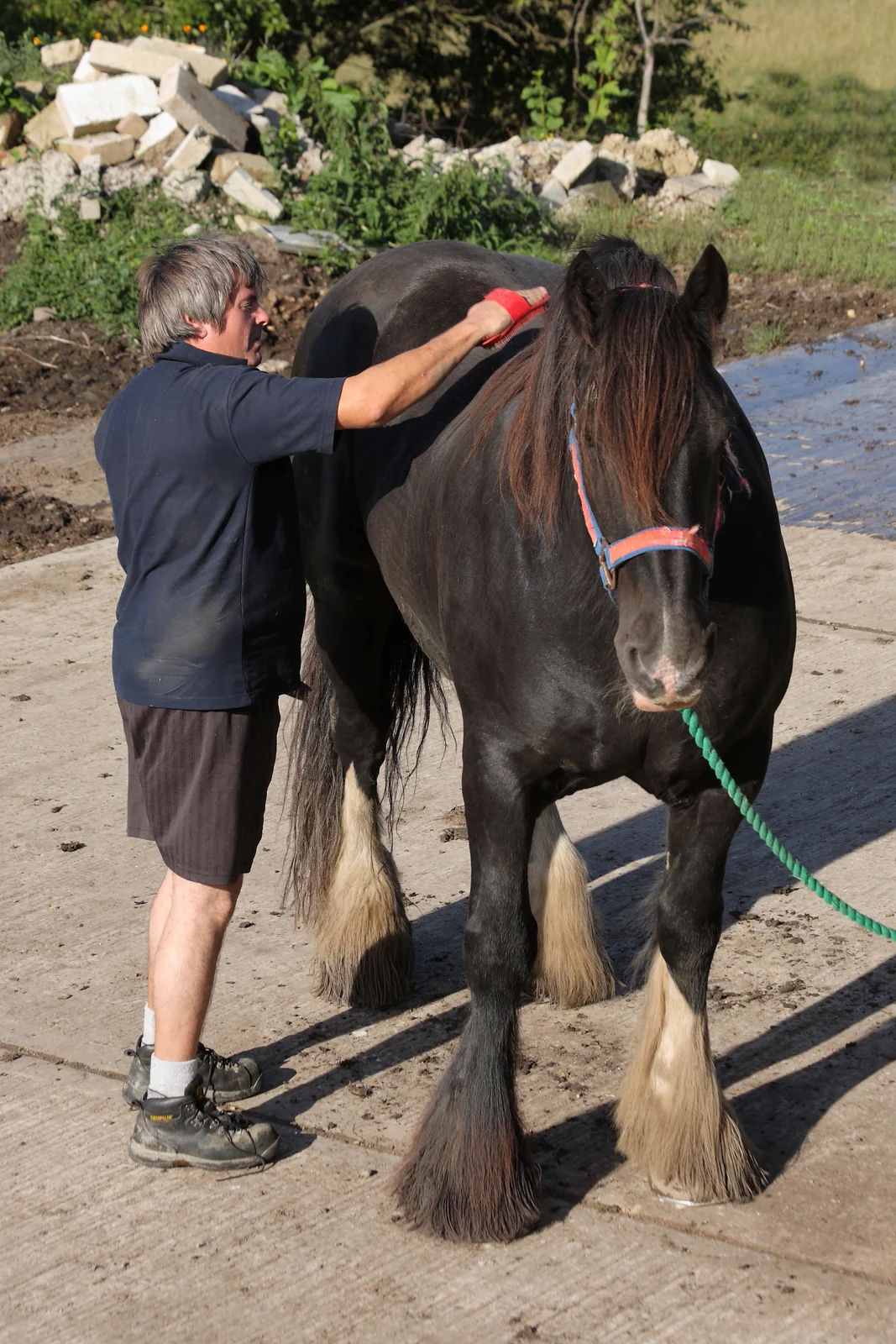
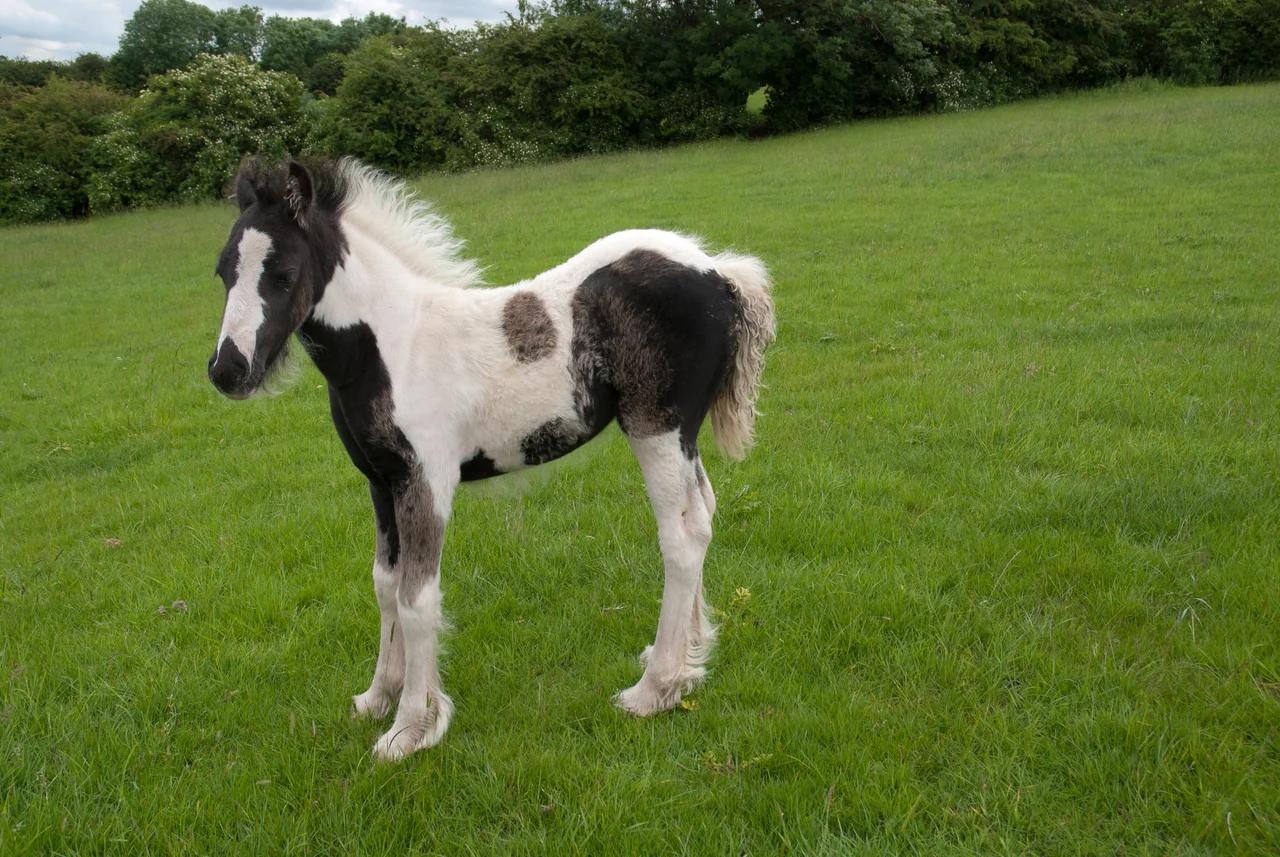
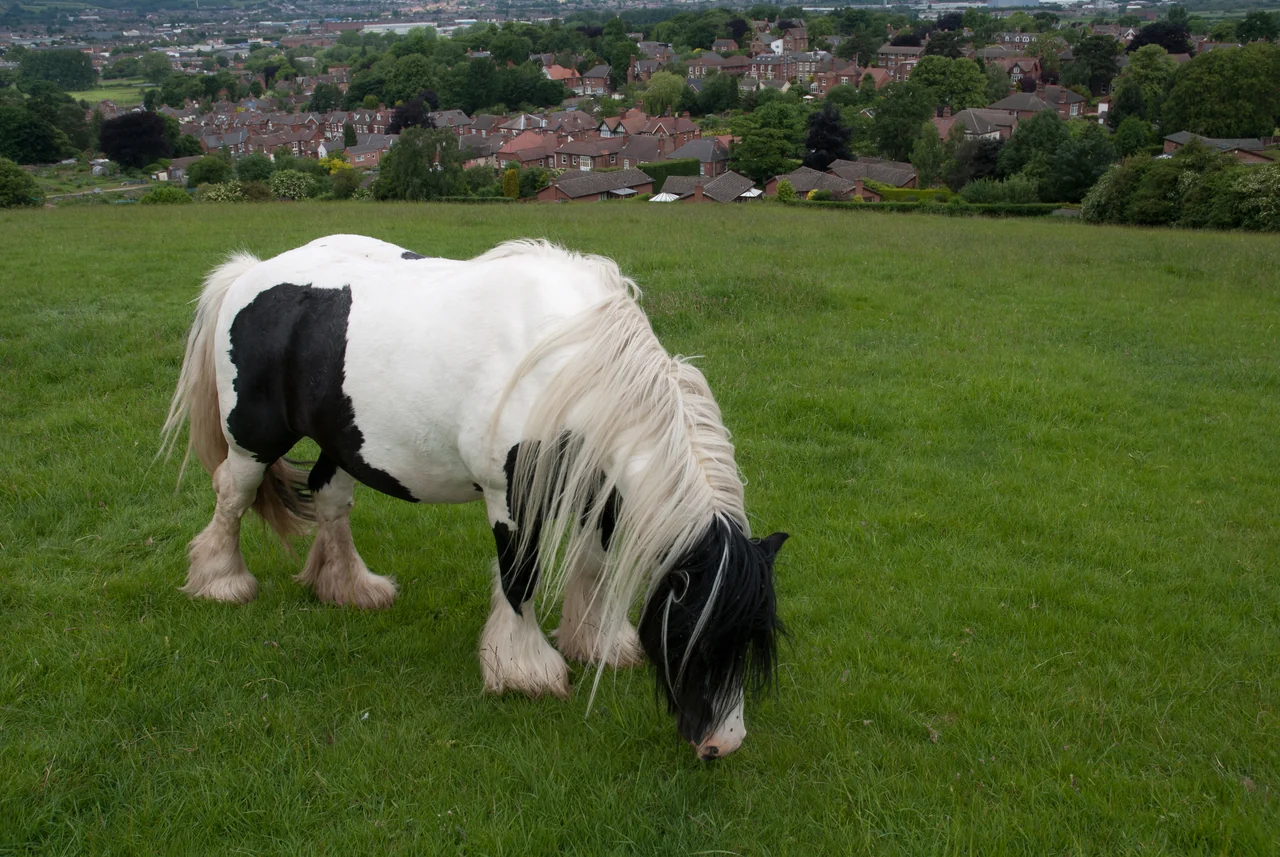
The long hair on the lower legs is called feathering. A full mane and tail complete the familiar outline. Black and white or brown and white patches are eye catching, but the standard also includes solid colours.
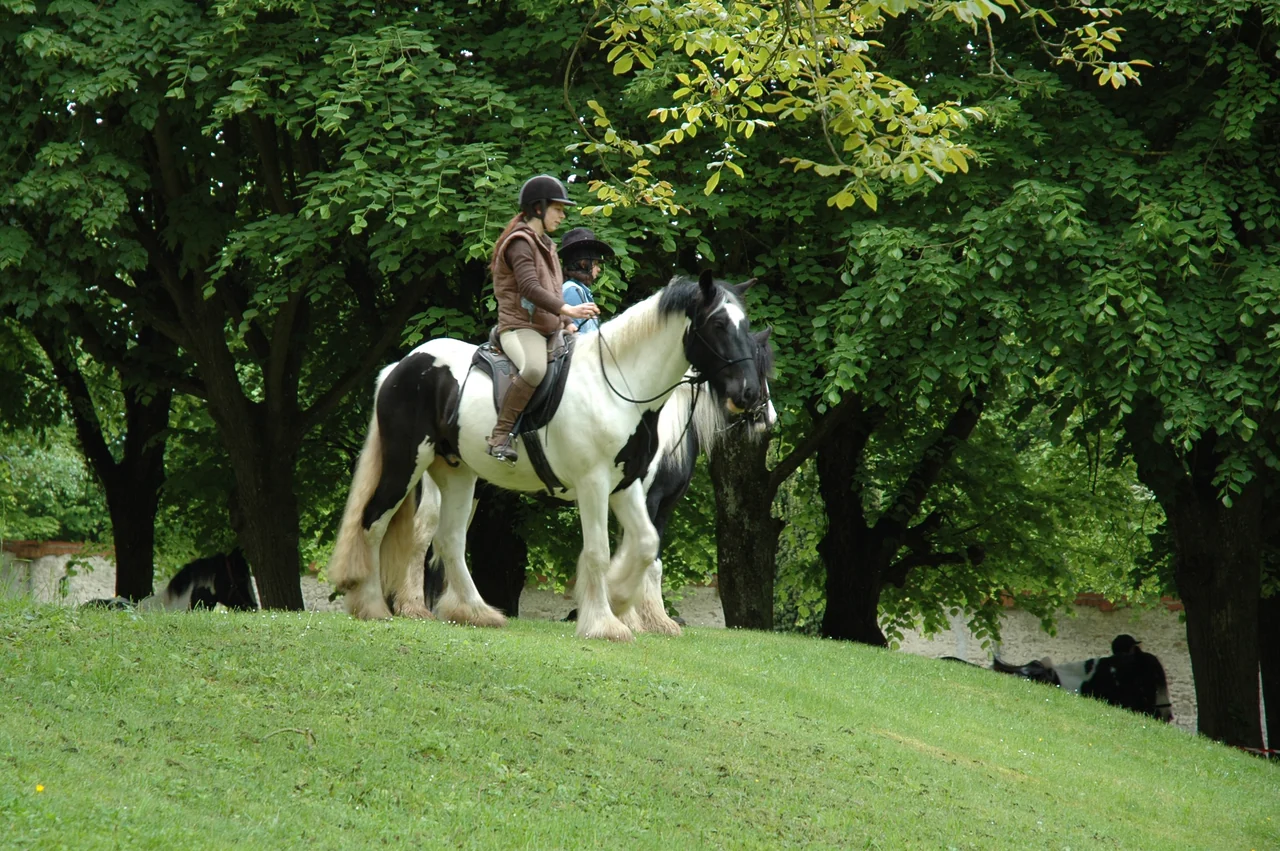
It is easy to assume that a substantial horse can carry a heavy rider. An experienced professional should assess the actual partnership, taking the horse’s back, muscle, fitness, the rider’s balance and the equipment into account. A broad back still needs a carefully fitted saddle. The fit should be checked again when weight or muscle development changes.
Good training makes everyday life easier
A willing, friendly nature is part of the breeding goal. How an individual behaves also reflects its upbringing and previous experiences. A usually calm Irish Cob may be startled by an unfamiliar vehicle. A friendly youngster may still struggle to wait quietly or leave its companions. These are skills that develop through suitable experiences and clear training.
For a novice owner, a horse already familiar with the intended daily routine is often the more manageable choice. If you hope to ride out, meeting the horse outside with experienced support should be part of the assessment. A brief trial in its usual indoor arena will not show how it responds in open country. Driving a carriage involves its own training. Being accustomed to a rider does not prepare a horse to work safely in harness.
Training also includes accepting touch on the legs and lifting the feet. For a horse with thick feathering, these skills make daily skin checks much easier. New touches and grooming procedures should be introduced in small, understandable stages. An appropriate reward helps the horse recognise the response you are looking for. If the horse suddenly pulls away or resists when a foot is lifted, possible pain during that movement should be investigated. Our guide to reward based horse training explains how to build these everyday exercises.
Read more: Reward-based horse training: clear steps for everyday care
Companions, freedom to move and dry ground
An Irish Cob needs the company of other horses and daily opportunities to move freely. Group housing with access to both shelter and an outdoor area can provide both. Whether it works for a particular horse depends on the group, the available space and access to food and water.
A quieter horse should be able to eat, drink and lie down without being repeatedly disturbed. When viewing a yard, watching the group for a while is useful. A horse repeatedly driven away from the hay needs another accessible place to eat. Routes and entrances should allow it to move away from another horse without becoming trapped in a corner.
Well maintained dry standing areas are especially valuable for feathered legs. If the route to hay and water becomes deep mud throughout winter, the horse has little chance to escape damp conditions. Shelter from rain and wind, summer shade and a clean resting area should be part of the setup. Our guide to choosing a yard helps you check arrangements for poor weather and establish who will carry out daily checks.
Read more: Choosing the right yard for your horse · Keeping horses: building a good everyday life
Plan forage and grazing around body condition
Forage forms the basis of the diet. This mainly means grass and hay, which the horse can chew and eat in portions spread throughout the day. Fresh water should always be accessible. Concentrates, such as oats or other feeds providing a lot of energy in a small portion, depend on actual need. An occasional leisurely ride does not automatically call for a large bucket feed. Professional ration advice can help establish which minerals need supplementing.
Looking over the fence is not a reliable way to judge the condition of a thickly coated horse. Feeling the neck, ribs and hindquarters makes fat deposits easier to recognise. An experienced adviser can show you how fat and muscle differ. Regular weighing or measurements with a weight tape can also reveal gradual gain. A weight tape gives an estimate, so measurements should be taken in the same place and in the same way each time to make comparisons useful.
For an overweight horse or one with a known metabolic disorder, feeding and grazing should be discussed with the vet. Some of these disorders increase the risk of laminitis. This damages the sensitive connection between the hoof wall and the bone inside the foot, and can be extremely painful. Short, careful steps or difficulty turning warrant veterinary assessment. If laminitis is suspected, contact the vet promptly and avoid making the horse continue walking.
A horse losing excess weight should still receive forage throughout the day. Suitable hay and thoughtfully spaced portions can reduce calories while allowing enough time to eat. How much grazing to include should be agreed with the professional advising on the diet.
Beneath the feathers: skin problems, mites and CPL
When grooming, gently part the feathering and inspect the skin down to the hoof. Crusts can remain hidden, especially at the back of the leg just above the hoof. Redness, weeping areas, unusual warmth or tenderness deserve closer attention and veterinary advice.
Mud fever describes inflammation of the skin around the pastern, the region just above the hoof. Persistent moisture, irritation, bacteria or parasites can contribute. The vet should therefore establish the cause before choosing treatment. Repeated stamping, rubbing or nibbling at the legs can indicate itching. In a heavily feathered horse, mites should be considered among the possible causes. These tiny parasites can irritate the skin and cause intense itching.
Chronic progressive lymphoedema, or CPL, is a different condition. Fluid is not drained effectively from the tissues of the lower legs, and persistent swelling, thickened skin and firm folds can develop. CPL has been reported in feathered cob types, among other horses. These changes need veterinary examination. There is currently no cure. Continuing care planned with the vet can relieve discomfort and slow progression.
How much feathering to retain depends on the skin underneath. Trimming or clipping may make diseased skin easier to examine and treat. This should be discussed with the attending vet. After necessary washing, the skin should be able to dry thoroughly. The daily care plan should explain how to look after affected areas and which changes mean the vet should be contacted again.
From a young horse to an older companion
A young Irish Cob can look remarkably mature because of its substantial build. Training should also take physical and mental development into account. Growing up with suitable companions, free movement and short handling lessons provides a useful foundation. Calm leading and accepting touch on the legs are examples. The demands should increase at a pace the horse can understand and physically manage.
An adult’s work should match its current fitness. Following a lengthy break, exercise should be built up gradually. It is worth checking feet, teeth and equipment before restarting. Longer rides and more demanding exercises become easier to cope with when the horse has first been prepared through a gradual increase in work.
Eating deserves particular attention in an older horse. If an Irish Cob struggles to chew, drops partly chewed food or loses weight, a vet should check its teeth and look for other possible causes. A horse that once needed very little extra feed may require a different ration as it ages. Exercise should remain comfortable and manageable. A quiet feeding place helps an older horse that needs longer to finish a meal. Our guides to young and senior horses explore these changes in more detail.
Read more: Foals and young horses: growing up, handling and early learning · Older horses: adapting feeding, movement and daily care
A practical grooming and care routine
Leg checks fit naturally alongside daily hoof care. Picking out the feet makes trapped stones or an unusual smell easier to notice. It also gives you a chance to observe whether the horse shifts its weight normally and offers each foot comfortably. Large, substantial hooves still need regular professional attention. The interval should reflect growth and use.
Tangles in the long mane and tail should be worked loose gently. Pulling at the skin makes grooming uncomfortable. Catching knots early and separating the hair in small sections can help.
When several people share care, specific notes are useful. Instead of recording only “check legs”, you could document a patch already assessed by the vet with a dated photograph. The notes should include the agreed care steps and the changes that mean someone should call the vet. The care handover tool helps gather feeding instructions, contacts and daily tasks for someone looking after your horse while you are away.
Read more: Daily horse care: noticing what changes
Choosing an Irish Cob that suits your life
When meeting a horse, try to see its ordinary routine, including being brought in from the field, led, groomed, saddled and mounted. An experienced companion can help interpret its reactions and assess how you work together. Health and suitable training should carry more weight in the decision than a favourite coat pattern.
An independent veterinary examination is worthwhile before purchase. The vet should know what you intend to do with the horse. For an Irish Cob, skin and legs beneath the feathers deserve careful examination. Previous mud fever, mite treatments, swelling or laminitis should be discussed. Current findings help establish likely care needs and whether further investigations would be useful.
Ongoing expenses should also be clear before committing. Accommodation, feed, hoof care, lessons, insurance and veterinary care continue beyond the purchase price. Persistent skin problems can add considerable care time. The pet cost planner lets you bring together local quotes and include money set aside for unexpected expenses.
Information about the horse’s previous feed, companions and grooming routine helps prepare for the move. Introductions to the new group should be managed gradually. During the first days, watching whether the Irish Cob eats enough, rests and explores its surroundings can tell you how it is settling. Our guide to a first horse follows the preparation from the first meeting to arranging care at a new yard.
Read more: Your first horse: preparing for the decision
Common questions
Are an Irish Cob and a Tinker the same?
The names are often used for similar horses in everyday conversation. Their studbooks are distinct. Horse Sport Ireland administers the Irish Cob Studbook, while German organisations run a separate Tinker breeding programme. The documents identify the register in which a particular horse is recorded.
Is an Irish Cob suitable for a beginner?
A well trained horse with experience of the intended routine may be suitable. A young or inexperienced Irish Cob brings additional training needs that call for experience. A riding instructor should help you meet the horse and assess how well the two of you work together.
Do the feathers need clipping?
Routine clipping is not essential when the skin is healthy, but regular checks underneath the hair still matter. With crusting, mites or persistent swelling, the vet should advise whether removing some hair would make examination and treatment easier.
Can an Irish Cob live outdoors throughout the year?
Suitable outdoor living is possible with adequate shelter, dry resting places, feed, water and compatible company. Health, coat, weather and individual care needs all need consideration. Constant deep mud is particularly problematic for sensitive skin on the lower legs.
A closer look
Sources and photo credit
- Irish Cob & Irish Part-Bred Cob StudbookHorse Sport IrelandIrish Cob, Tinker and the people behind the breed
- Breeding Programme for the Irish Cob StudbookHorse Sport IrelandBuild, height and coat colours · Good training makes everyday life easier
- Zuchtprogramm für die Rasse Tinker, Stand 06.05.2024Zuchtverband für deutsche Pferde e.V.Irish Cob, Tinker and the people behind the breed
- Gradings & StudbookTraditional Gypsy Cob AssociationIrish Cob, Tinker and the people behind the breed
- Irish CobIrish Native Rare Breed SocietyIrish Cob, Tinker and the people behind the breed
- Traveller horse ownership significant to overall horse industry and vital to TravellersPavee Point Traveller & Roma CentreIrish Cob, Tinker and the people behind the breed
- Saddle fitBritish Horse SocietyBuild, height and coat colours
- Rider SizeBritish Horse SocietyBuild, height and coat colours
- Pastern Dermatitis (Scratches)UC Davis Center for Equine HealthBeneath the feathers: skin problems, mites and CPL
- Mud Fever in HorsesBritish Horse SocietyCompanions, freedom to move and dry ground · Beneath the feathers: skin problems, mites and CPL · A practical grooming and care routine
- Chronic Progressive Lymphedema (CPL)UC Davis Center for Equine HealthBeneath the feathers: skin problems, mites and CPL
- Laminitis in horsesBritish Horse SocietyPlan forage and grazing around body condition
- Guide to buying a horse: questions to ask and moreBritish Horse SocietyGood training makes everyday life easier · Choosing an Irish Cob that suits your life
- Pre Purchase Veterinary ExaminationBritish Horse SocietyChoosing an Irish Cob that suits your life
- Where to keep your horseBritish Horse SocietyCompanions, freedom to move and dry ground
- Feeding horses: horse diet and feedBritish Horse SocietyPlan forage and grazing around body condition
- Equine stressBritish Horse SocietyGood training makes everyday life easier · A practical grooming and care routine
- Essential care for your horse’s hoovesBritish Horse SocietyA practical grooming and care routine
- Our vision for the responsible involvement of horses in sportWorld Horse WelfareGood training makes everyday life easier · From a young horse to an older companion
- Caring for your senior horseUniversity of Minnesota ExtensionFrom a young horse to an older companion
- Settling your new horse into their homeWorld Horse WelfareChoosing an Irish Cob that suits your life
- Fat scoring horsesBritish Horse SocietyPlan forage and grazing around body condition
- Bringing horses back into workWorld Horse WelfareFrom a young horse to an older companion
- Breed Profile: The Gypsy CobFédération Équestre InternationaleA practical grooming and care routine
Photo credits
Photo: Gypsy Cob stallion · Thomas Quine · CC BY 2.0.
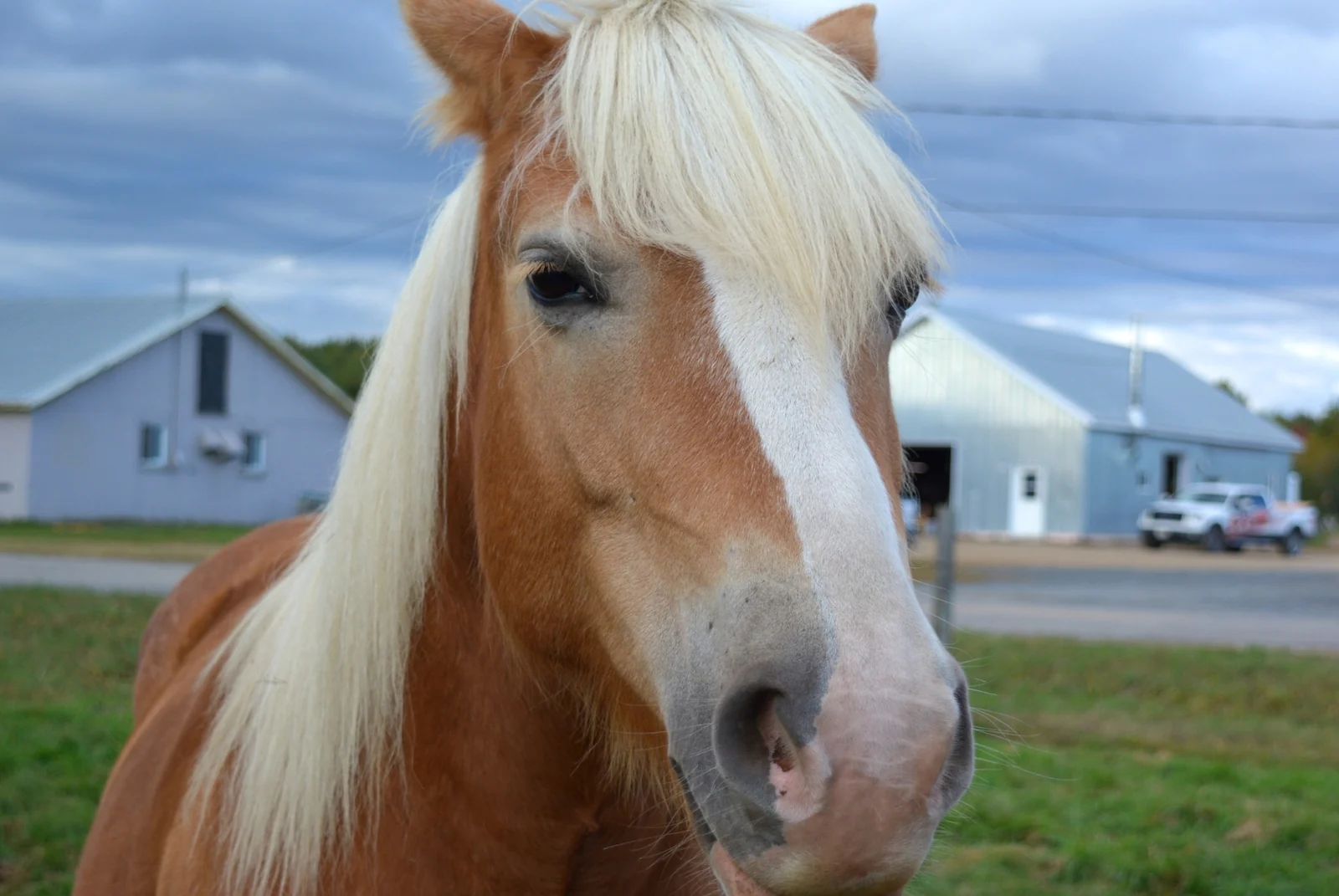
Photo: Irish Cob colt · Thomas Quine · CC BY 2.0.
Photo: Gypsy Cob · Thomas Quine · CC BY 2.0.
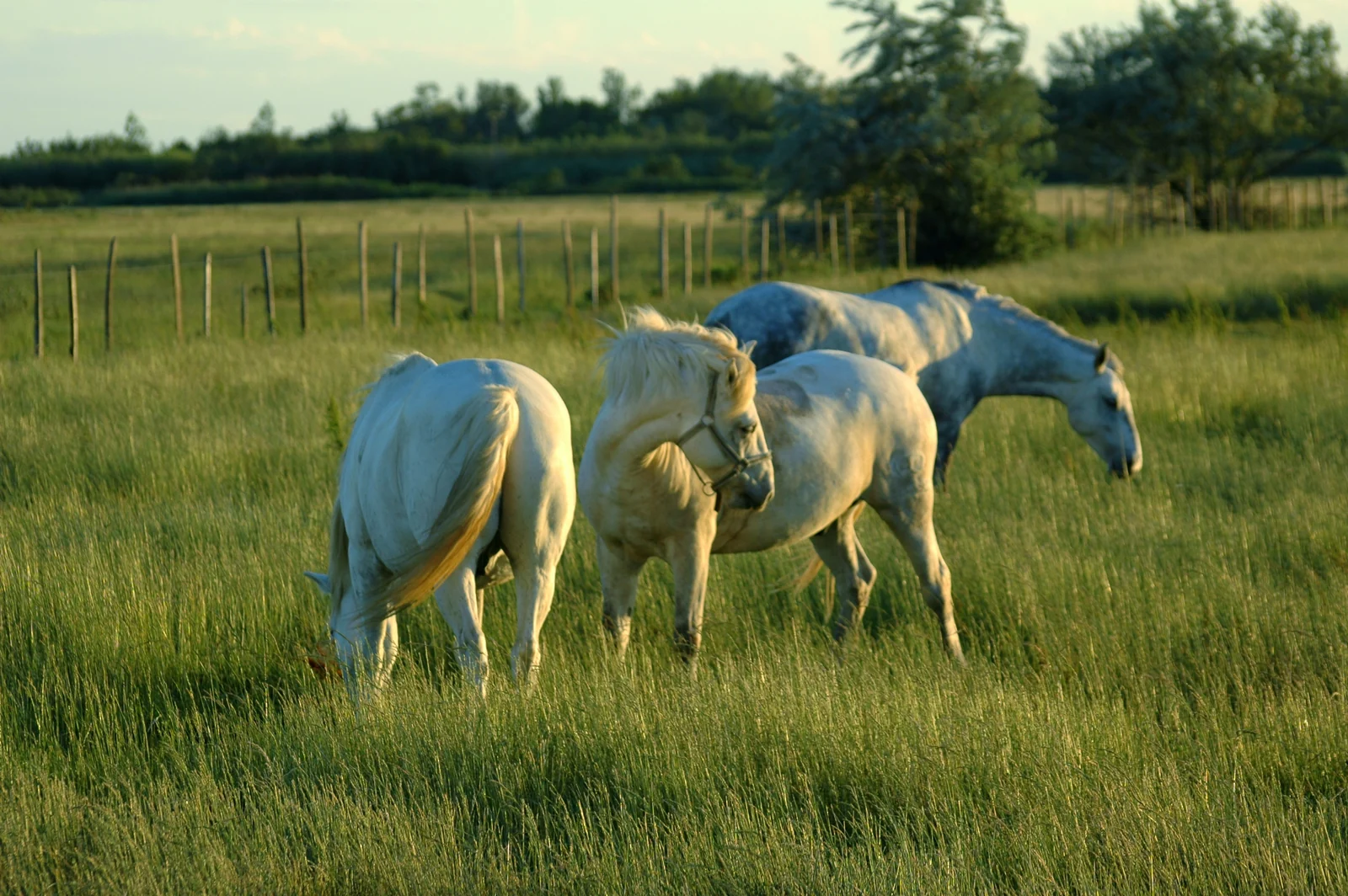
Photo: Thorgal sur la butte · Joseph SARDIN · CC BY 2.0.