fellfolio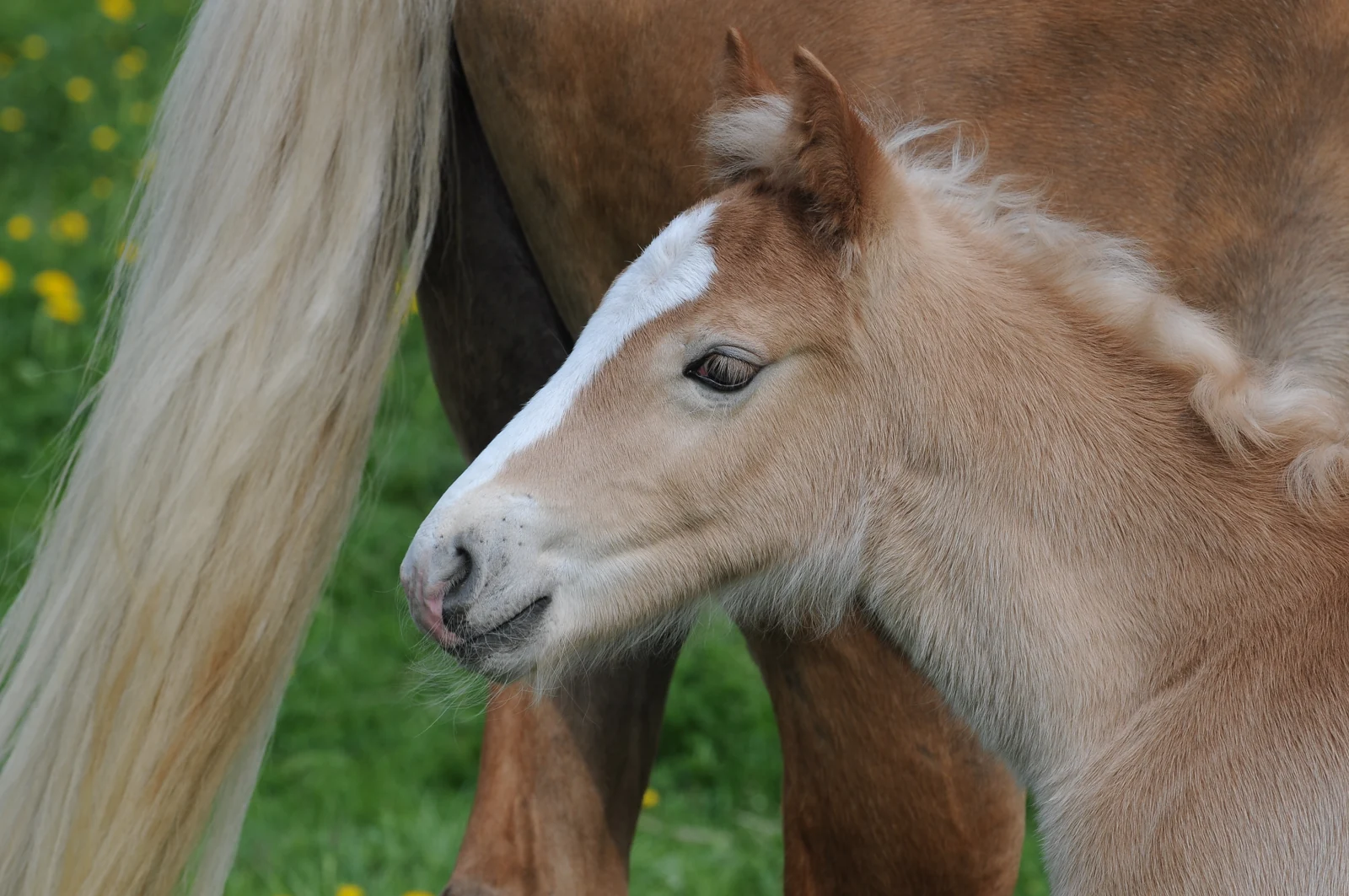
Growing up with suitable companions
Other youngsters provide play and movement, while familiar adults offer additional social experience. The group needs enough space, safe fencing and accessible feeding and resting areas. A rearing-yard visit should establish whether every animal can eat and lie down comfortably. An attractive view across a field gives only part of the picture.
Staffing and access matter too. Who checks the animals daily, how are injuries noticed and how quickly can veterinary help arrive? A young group changes as horses grow, relationships develop and membership sometimes alters. Carers should observe those changes and adjust arrangements when needed. Regular company and free movement cannot be replaced by occasional long sessions with a person. The ordinary hours between visits form most of the youngster’s life.
Read more: Choosing the right yard for your horse
Sources for this section
- Where to keep your horseBritish Horse Society
- Our vision for the responsible involvement of horses in sportWorld Horse Welfare
Considering development and relationships during weaning
Weaning is the transition towards greater independence from the mother, involving both feeding and social closeness. World Horse Welfare recommends following the natural process as closely as possible and avoiding sudden separation. The maturity and health of mare and foal should be considered together.
Where managed separation is needed, familiar groups, visual contact and gradual changes in distance can help. A particular birthday alone does not establish readiness. Prolonged distressed calling, running along fences or other marked stress responses call for reassessment. Castration, transport and major group changes should ideally not coincide. Special health circumstances require individual planning with the veterinary practice and an experienced rearing team. The response of both mother and foal should remain part of the decision as the arrangement develops.
Sources for this section
- Weaning mares and foalsWorld Horse Welfare
Preparing ordinary care in clear steps
A youngster benefits from learning to accept touch on different areas comfortably. A session may contain only a few small steps. With a leg, a brief touch can come first, followed later by a weight shift and eventually a very short hoof lift. Prolonged restraint is not a useful starting point for that skill.
Headcollar work also starts simply: walking together, stopping and maintaining comfortable space. Clear, consistent cues make learning easier. Everyone involved should know which response is currently being practised. A youngster that pushes strongly, kicks or reacts in panic needs an experienced professional to assess the situation in person. Early support helps prevent risky patterns from becoming part of ordinary care. It also gives carers a shared approach instead of contradictory reactions.
Read more: Reward-based horse training: clear steps for everyday care
Sources for this section
- Training: how do horses learn?World Horse Welfare
- Our vision for the responsible involvement of horses in sportWorld Horse Welfare
Supporting growth with an appropriate ration
A growing horse has different needs from a mature leisure horse in light work. Its ration should reflect age, development and the available forage. Knowledgeable nutrition advice can assess forage quality and any necessary additions together. Adding isolated minerals on speculation does not automatically create a balanced diet.
Regular observations of body condition and development help reveal changes. Photographs from comparable angles add context but do not replace looking at and feeling the horse. Hooves need appropriate professional attention from an early stage. Vaccination, parasite control and other preventive care should be planned with the veterinary practice for the individual and the group. Responsibilities are best recorded clearly, especially where the owner and rearing yard carry out different tasks.
Read more: Daily horse care: noticing what changes
Sources for this section
- Feeding horsesBritish Horse Society
- Essential care for your horse’s hoovesBritish Horse Society
- Owning a horseBritish Horse Society
Preparing for future activities
Free movement, learning during handling and physically demanding schooling are different parts of development. A youngster can become familiar with many useful things without being ridden regularly or worked hard. Quiet standing, safe routes with company and gradual introduction to suitable transport with experienced help are examples.
Further training should take physical development, health, previous experiences and the intended activity into account. One fixed starting date does not suit every horse. A plan with manageable stages and regular reassessment is more useful. Changes in concentration or movement should prompt a review of demands. Comfortable early learning experiences provide a foundation to return to when tasks become more complicated. Progress can then be judged by understanding and physical readiness rather than by completing a list as quickly as possible.
Sources for this section
- Our vision for the responsible involvement of horses in sportWorld Horse Welfare
- Training: how do horses learn?World Horse Welfare
- Guide to buying a horseBritish Horse Society
Common questions
When should a foal be separated from its mother?
A calendar date alone is insufficient. Health, increasing independence and social arrangements should guide planning. Gradual, knowledgeable management is preferable to abrupt separation.
Can a foal already learn through training?
Brief, comfortable experiences with touch, a headcollar and care can be useful. Demands should suit development. Physically strenuous tasks and prolonged repetition are not part of those early steps.
Sources and photo credit
- Where to keep your horseBritish Horse Society
- Owning a horseBritish Horse Society
- Feeding horsesBritish Horse Society
- Essential care for your horse’s hoovesBritish Horse Society
- Guide to buying a horseBritish Horse Society
- Weaning mares and foalsWorld Horse Welfare
- Training: how do horses learn?World Horse Welfare
- Our vision for the responsible involvement of horses in sportWorld Horse Welfare
Photo: Haflinger Hengstfohlen 1.JPG · Böhringer Friedrich · CC BY-SA 2.5. Resized and converted to WebP; scene unchanged.