fellfolio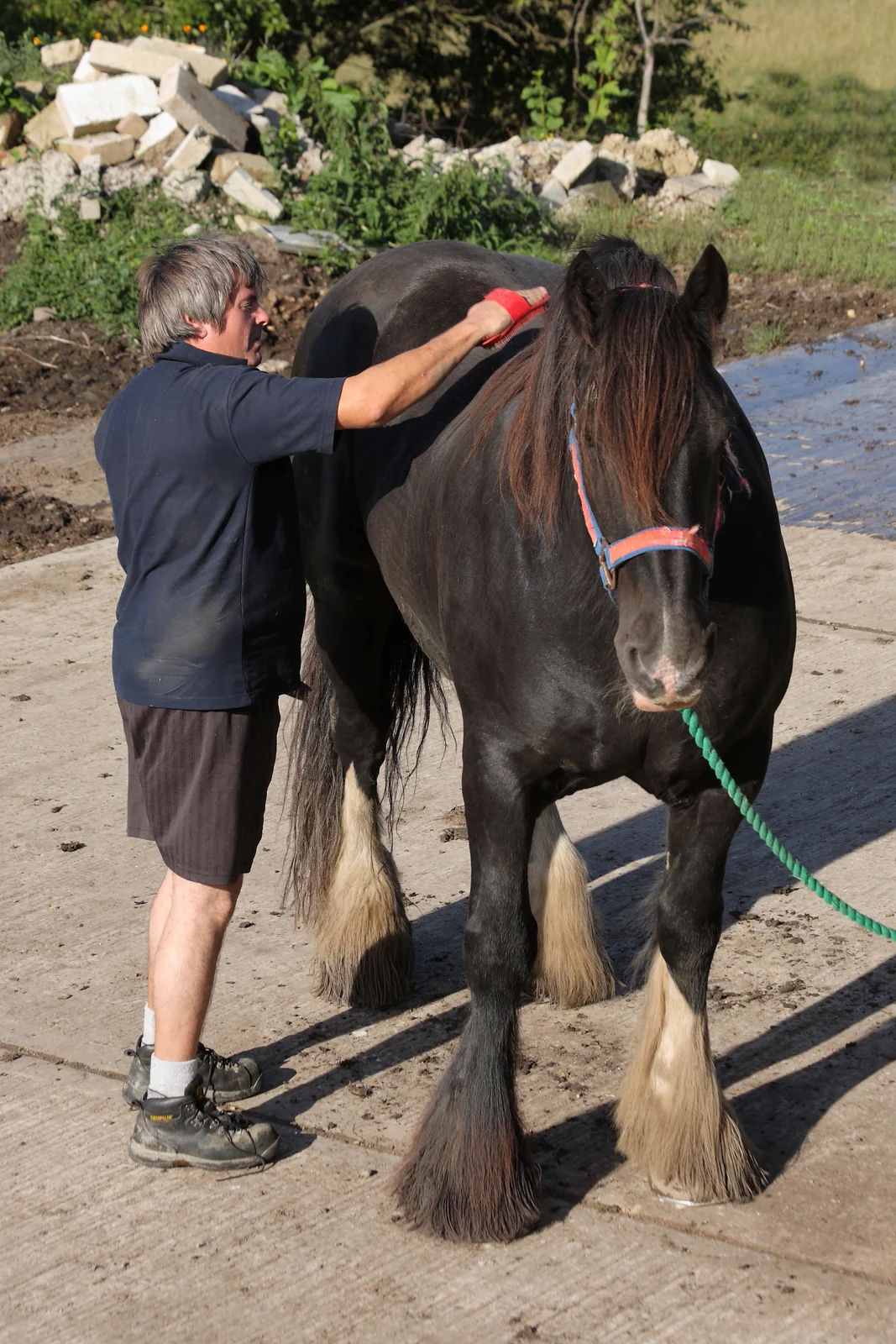
Understanding positive reinforcement
Positive reinforcement means adding something pleasant after a behaviour, making that behaviour more likely. It might be a suitable small piece of food or touch that the horse actually enjoys. Its response helps show whether the outcome is rewarding. Vigorous patting is not automatically pleasant simply because the person intends it kindly.
In learning terminology, negative means that something is removed. Releasing pressure can reinforce a response through the removal of a stimulus. These terms describe a process rather than labelling it good or bad. Practical choices should consider clarity and welfare. Pain, fear and continuous discomfort should not form the basis of cooperation. Understanding the mechanism makes it easier to assess what the horse is experiencing.
Sources for this section
- Training: how do horses learn?World Horse Welfare
- First Principles of Horse TrainingInternational Society for Equitation Science
Preparing a straightforward situation
A familiar quiet area with secure footing and enough space is a useful starting point. A horse should not be made hungry to increase the appeal of food. Suitable small reward portions belong within the overall ration; health conditions or specific feeding restrictions call for professional advice about their choice.
The intended response should be clear before the session. Standing quietly is more precise than being good. The handler might initially look for all four feet remaining in place briefly while the head stays at a comfortable distance. Qualified guidance can help establish position, safe food delivery and a suitable setup. Existing snapping, crowding or kicking requires an individual plan with help in person before attempting to work through it alone.
Sources for this section
- First Principles of Horse TrainingInternational Society for Equitation Science
- Feeding horsesBritish Horse Society
Making the relevant moment clear
Feedback should follow the desired response promptly. A long search for food after quiet standing may instead reward the crowding that follows. Preparation helps: the small portion is accessible and delivered in a safe, consistent position.
A brief word or click can act as an agreed marker. It is first reliably associated with the reward that follows. Later it identifies the moment when the horse offered the response being taught. The marker does not replace the promised reward. It is also not essential for a first task when direct feedback is straightforward. What matters is an understandable sequence for the horse. An instructor observing a session can often spot timing differences that the handler has not noticed.
Sources for this section
- Training: how do horses learn?World Horse Welfare
- First Principles of Horse TrainingInternational Society for Equitation Science
Building quiet waiting gradually
A simple starting situation might be a horse already standing briefly beside a person in familiar surroundings. That short moment can be acknowledged. After several clear repetitions, waiting time can increase slightly. Other requirements, such as movement by the handler or a different location, come later.
Increasing duration, changing position and introducing an unfamiliar object simultaneously makes the difficult part hard to identify. Only one element should therefore become more demanding at a time. A short record can describe what is already reliable. If a step does not work, returning to the earlier, easier task provides an understandable starting point for another attempt. Progress is then described through specific responses rather than impressions such as a good or bad training day.
Sources for this section
- First Principles of Horse TrainingInternational Society for Equitation Science
Preparing handling and recognising limits
For lifting a foot, comfortable touch on the leg can come first. A weight shift and a very brief lift follow. The foot should be supported in a comfortable position. Duration increases gradually once those steps are calm and understood. Difficulty also warrants considering discomfort or balance problems.
Other care can be divided similarly: looking at a brush, accepting one brief touch and later several strokes. Marked freezing, attempts to flee or defensive behaviour call for making the situation easier and obtaining knowledgeable help. Holding a horse until it stops reacting does not establish relaxed learning. Urgently needed treatment still requires prompt veterinary attention; the practice can plan immediate care alongside future preparation. Training works best when the physical requirements and the horse’s experience are considered together.
Read more: Daily horse care: noticing what changes · Foals and young horses: growing up, handling and early learning
Sources for this section
- Essential care for your horse’s hoovesBritish Horse Society
- Training: how do horses learn?World Horse Welfare
- First Principles of Horse TrainingInternational Society for Equitation Science
Common questions
Do food rewards automatically make horses pushy?
Unclear sequences can reinforce unwanted behaviour. Careful teaching with safe space and consistent delivery helps encourage calm responses. A qualified professional should assist where crowding or snapping already occurs.
How long should a session last?
Duration depends on the horse and the task. A new small step may need only a few repetitions. Reduced concentration or increasing tension calls for reviewing the demands and allowing a break.
Sources and photo credit
- Feeding horsesBritish Horse Society
- Essential care for your horse’s hoovesBritish Horse Society
- Training: how do horses learn?World Horse Welfare
- First Principles of Horse TrainingInternational Society for Equitation Science
Photo: Horse grooming · Phil Sangwell · CC BY 2.0. Resized and converted to WebP; scene unchanged.