fellfolio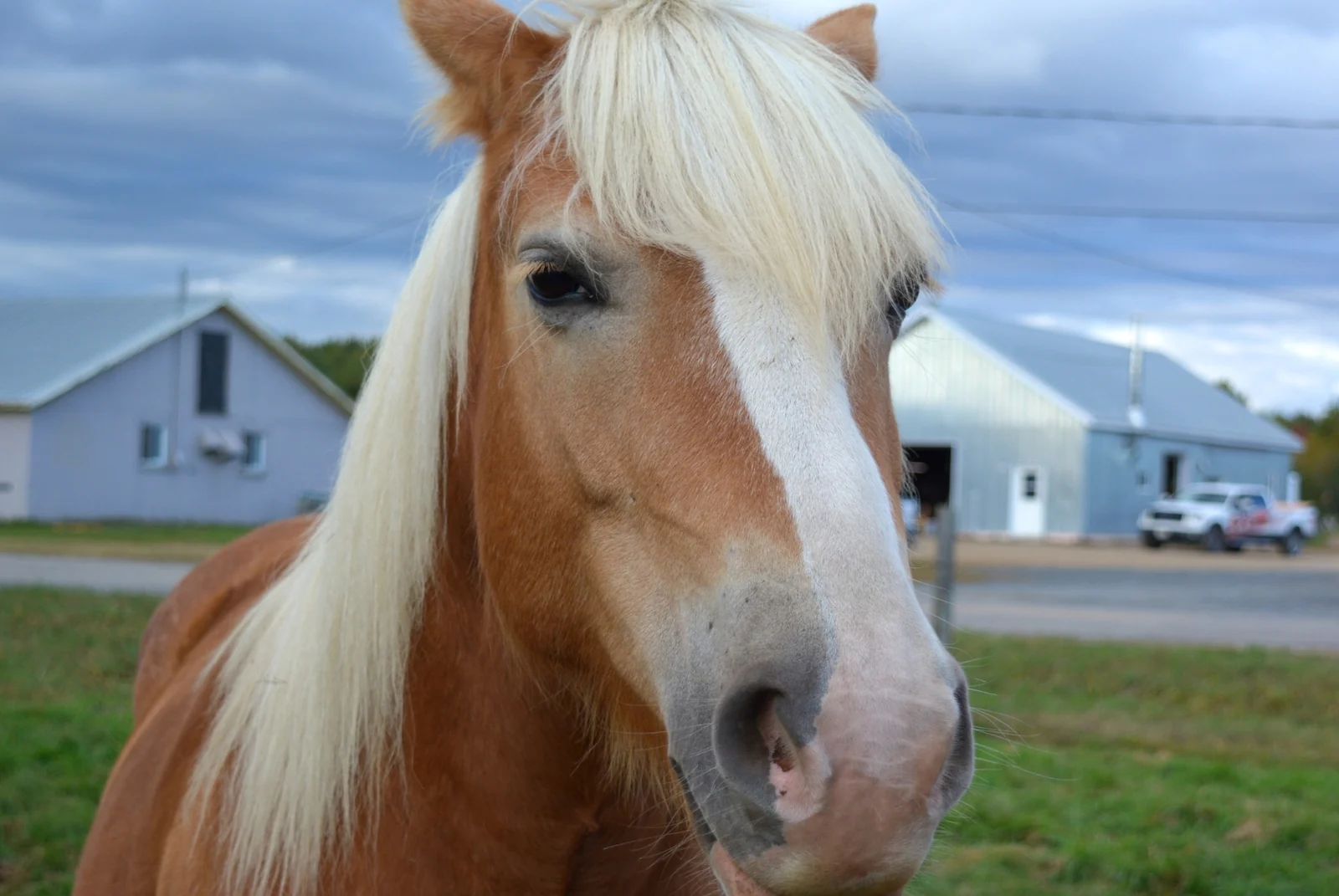
Start with your horse’s requirements
Before searching, write down how your horse manages in company, whether it needs individual feeding and whether health problems affect its movement or environment. These points can be more important than an extra training facility. If there is an existing condition, ask the treating vet to explain the practical housing requirements.
Your circumstances matter too. A long journey uses time on every visiting day. Providing more of the care yourself may reduce the advertised fee, but those working hours must be reliably available. Someone working changing shifts may need more services than an owner with predictable daily availability. Identifying three essential requirements and a few preferences makes it easier to stay focused when a particularly attractive yard catches your attention.
See the yard at work
Include horses that are not currently being groomed or ridden in your visit. Notice how they distribute themselves, whether they can reach feeding areas and where they choose to rest. Clean, dry lying space matters. Strong smells or visible dust give you specific questions to ask about bedding and ventilation, although one brief impression needs context.
A second visit at another time can show how turnout or feeding is organised. Conversations with existing owners may reveal useful everyday details: who reports damaged fencing, or how a faulty water supply is handled. Concrete explanations are more useful than broad reassurance. A well-organised yard can describe its routine and responsibilities without relying on the claim that everyone generally looks out for everything.
Look beyond summer grazing
A generous summer field tells you little about January. Ask about turnout hours, surfaced areas, weather restrictions and alternative arrangements. In group housing, the number of horses and the routes between shelter, food and water deserve attention. A narrow entrance may affect a horse’s daily access more than additional space elsewhere in the enclosure helps.
New arrivals need a considered introduction. Ask how the yard handles health information, any initial separation and the later introduction to companions. The appropriate arrangement varies between yards, but monitoring and a workable response to conflict should be part of the plan. An empty stable or available group place does not automatically mean that every incoming horse will fit comfortably into that system.
Work out the real monthly cost
Terms such as full or part livery do not always describe identical services. Use the same checklist when comparing prices: weekends, mucking out, hay, bedding and turning out. Also ask about individually needed tasks, such as holding the horse for a hoof-care appointment or administering medication as prescribed. These can materially change the amount you actually pay.
A practical budget combines the basic fee, predictable extras, travel and a reserve. Lessons and equipment belong in separate categories. A cheaper place that requires another daily journey may be costly in time. Written agreements should clarify notice periods, price changes, absences and additional care. If a contractual point is unclear, obtaining appropriate advice before signing is easier than resolving a disagreement after moving in.
Agree how information will travel
Reliable care depends on a clear route for information. Before moving, agree who calls when something changes, how feeding adjustments are communicated and where emergency contacts are kept. A message in a busy group conversation can be missed. Individual health information is usually better discussed directly with those providing the relevant care.
On arrival, labelled feed, the existing feeding plan and upcoming appointments help prevent confusion. One person should coordinate the handover so transport, accommodation and the first checks fit together. A follow-up conversation after the initial settling period is useful: is the horse eating, resting and using its new space? Moving yards includes a period of observation and adjustment, beyond the journey to a different address.
Common questions
Should I find the horse or the yard first?
Suitable accommodation needs to be realistically available before buying. Its final suitability depends on the individual horse, so both decisions should be planned together.
Can an excellent yard still be the wrong choice?
Yes. If essential feeding, turnout or care would only be possible as an uncertain exception, the arrangement may not fit. The services your horse needs should be sustainable within the yard’s normal operation.
Sources and photo credit
- Where to keep your horseBritish Horse Society
- Owning a horseBritish Horse Society
- Preventing colic in horsesBritish Horse Society
Photo: Haflinger · Charles Rondeau · CC0-1.0. Resized and converted to WebP; scene unchanged.