fellfolio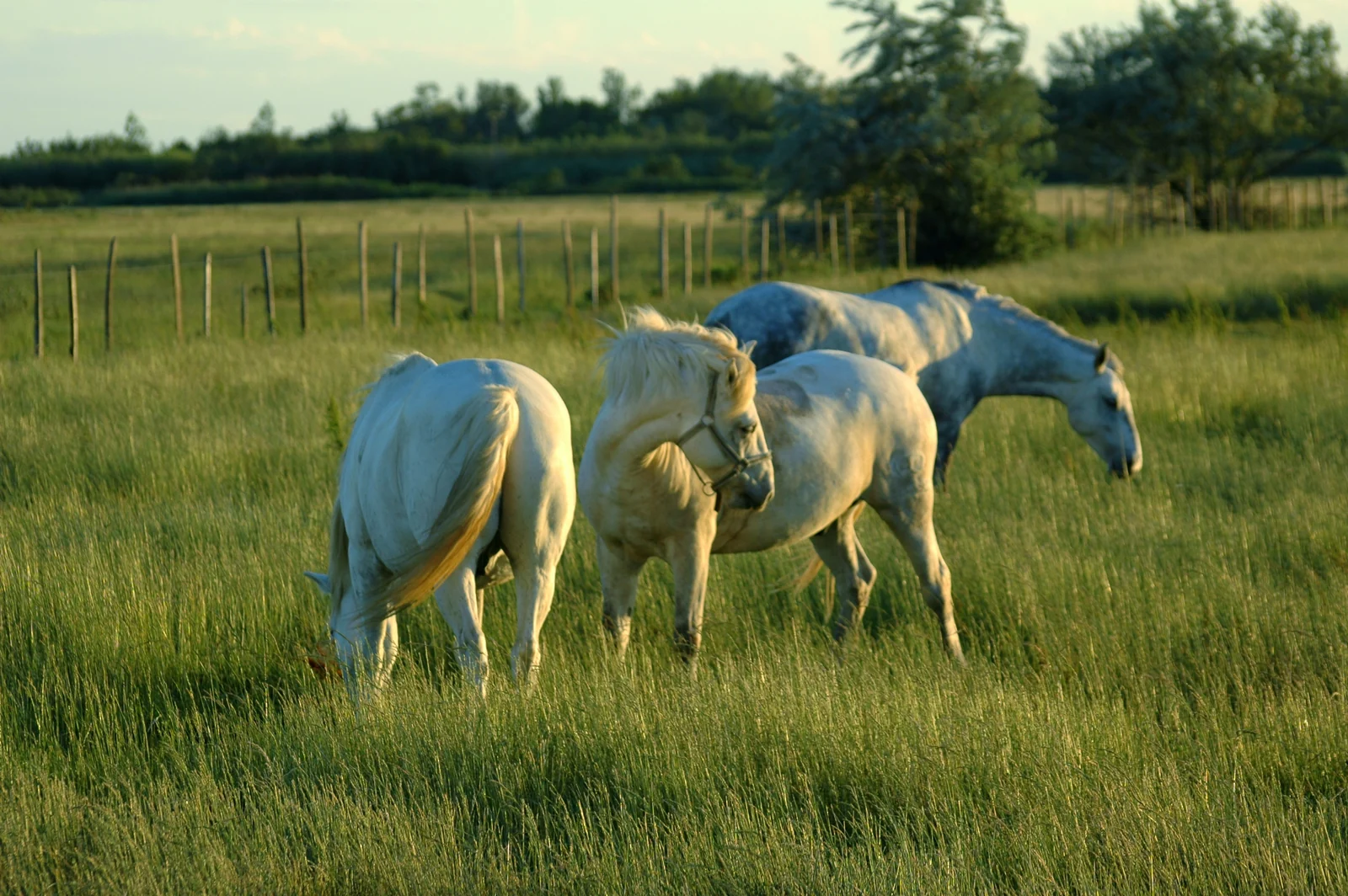
Recognising changes before ordinary tasks become difficult
Checking the same features regularly makes gradual change easier to identify. Body condition, movement, coat and participation in group life are useful starting points. Photographs under comparable conditions can complement daily observations. A brief note should be specific: the horse has begun dropping partly chewed hay, or now takes more steps to turn in the yard.
Descriptions like these help a veterinary discussion more than simply saying the horse is getting old. New lameness, substantial weight change or altered behaviour deserves investigation. Planned preventive appointments also provide time to discuss developing concerns. Where several people provide care, shared records help bring their observations together instead of leaving each person with only part of the picture.
Sources for this section
- Care of elderly horsesBritish Horse Society
- Owning a horseBritish Horse Society
Making food manageable when chewing changes
Dental problems can reduce a horse’s ability to break food down. Dropped wads, altered chewing and weight loss are possible signs. Professional dental checks should follow an interval suited to the findings. Continuing to eat does not rule out discomfort.
If long forage can no longer be chewed effectively, the veterinary team and a knowledgeable nutrition adviser should plan appropriate alternatives. Suitable soaked fibre feeds may be part of that plan. Preparation and quantities need to fit both the product and the horse. A clear written instruction helps organise care: the feed used, dry amount, water quantity and timing of the prepared portion. Clean containers and dependable preparation need to be maintained during holiday cover as well as in the usual routine.
Read more: Keeping horses: building a good everyday life
Sources for this section
- Teeth and equine dentistryBritish Horse Society
- Feeding horsesBritish Horse Society
Keeping movement comfortable
Regular suitable activity can benefit an older horse. Whether ridden work, walks or free movement take priority should reflect health and capacity. The veterinary team can advise where discomfort is present. Duration and intensity can change without necessarily removing familiar shared activities altogether.
Observations should include the following day: does the horse seem stiffer after an outing or move as usual? The plan should take that feedback into account. Equipment needs reassessment when back shape or muscle condition changes. During hoof care, shorter periods and a comfortable lower foot position may help. The hoof care professional should know which movements are difficult so that the appointment can be prepared appropriately. A little more time can make routine care easier for everyone involved.
Sources for this section
- Care of elderly horsesBritish Horse Society
- Essential care for your horse’s hoovesBritish Horse Society
- Guide to buying a horseBritish Horse Society
Making resources easy to reach
A slower horse may be displaced from food more often in a lively group. Observing actual feeding time is therefore important, alongside access to water and dry resting areas. Several feeding positions, broad routes and a suitable group can help. A quiet feeding arrangement may be needed without permanently removing familiar social contact.
The surroundings should also be considered from the horse’s perspective. Deep mud, tight turns and high thresholds may become more difficult. Following the route from rest to water often reveals specific improvements. With reduced vision or hearing, predictable routines and visible approaches can be useful. Changes in the senses still need professional assessment rather than being treated solely as a reason to rearrange the yard.
Read more: Choosing the right yard for your horse
Sources for this section
- Where to keep your horseBritish Horse Society
- Care of elderly horsesBritish Horse Society
Supporting treatment and thoughtful decisions
Some conditions become more common in older horses. PPID is one example, involving hormonal changes associated with the pituitary gland. Diagnosis requires veterinary assessment; age or one visible feature is insufficient. Where treatment is needed, the medicine, method of administration and planned reviews should be clear to everyone providing care.
Quality of life belongs in the shared plan too. Does the horse enjoy food, rest comfortably, move without substantial distress and seek familiar companions? These observations support discussion of changes over time. If appropriate care can no longer relieve discomfort adequately, an early, open conversation with the veterinary practice is valuable. Agreed responsibilities and contact arrangements reduce uncertainty during a difficult situation. Careful records can help ground those conversations in the horse’s actual daily experience.
Sources for this section
- Equine Cushing’s DiseaseBritish Horse Society
- Care of elderly horsesBritish Horse Society
- Owning a horseBritish Horse Society
Common questions
At what age does a horse become a senior?
Horses age differently. Physical condition, previous history and current changes guide care more effectively than one fixed birthday.
Should an older horse stop being ridden altogether?
That depends on health, capacity and the particular rider-and-horse combination. Professional assessment helps where there is uncertainty. Appropriate movement and company remain important after ridden work ends.
Sources and photo credit
- Where to keep your horseBritish Horse Society
- Owning a horseBritish Horse Society
- Feeding horsesBritish Horse Society
- Essential care for your horse’s hoovesBritish Horse Society
- Guide to buying a horseBritish Horse Society
- Care of elderly horsesBritish Horse Society
- Teeth and equine dentistryBritish Horse Society
- Equine Cushing’s DiseaseBritish Horse Society
Photo: 3 horses on pasture · Barbarossa · CC BY 2.5. Resized and converted to WebP; scene unchanged.