fellfolio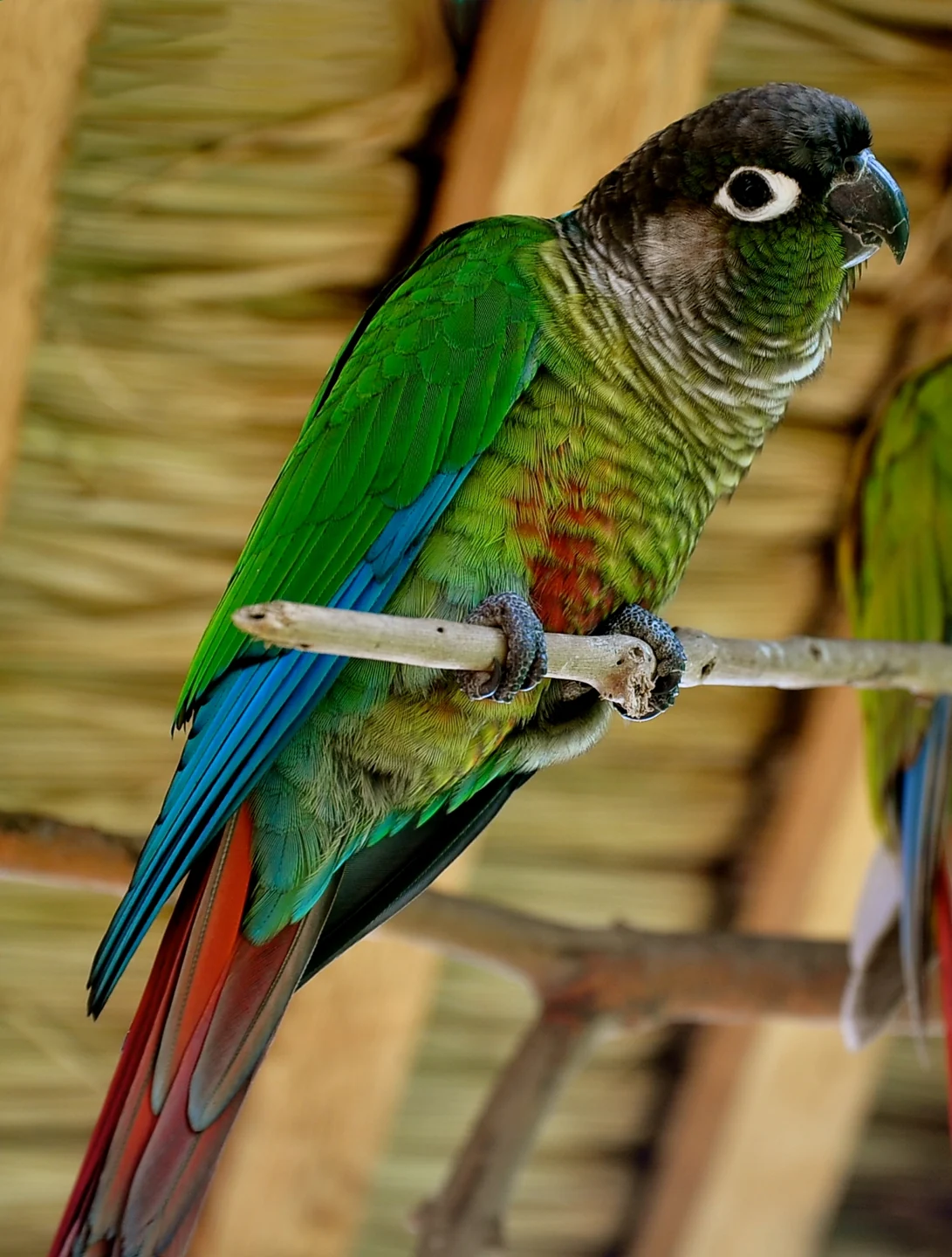
Start with the space and time available
Start with the home: where can the birds fly safely each day, land and sleep undisturbed? A large flight aviary may itself provide usable flight space. A smaller indoor cage calls for additional supervised flight in a secure room every day. Birds should be able to spread their wings freely. Windows, mirrors, fans and kitchen access need planning before they arrive.
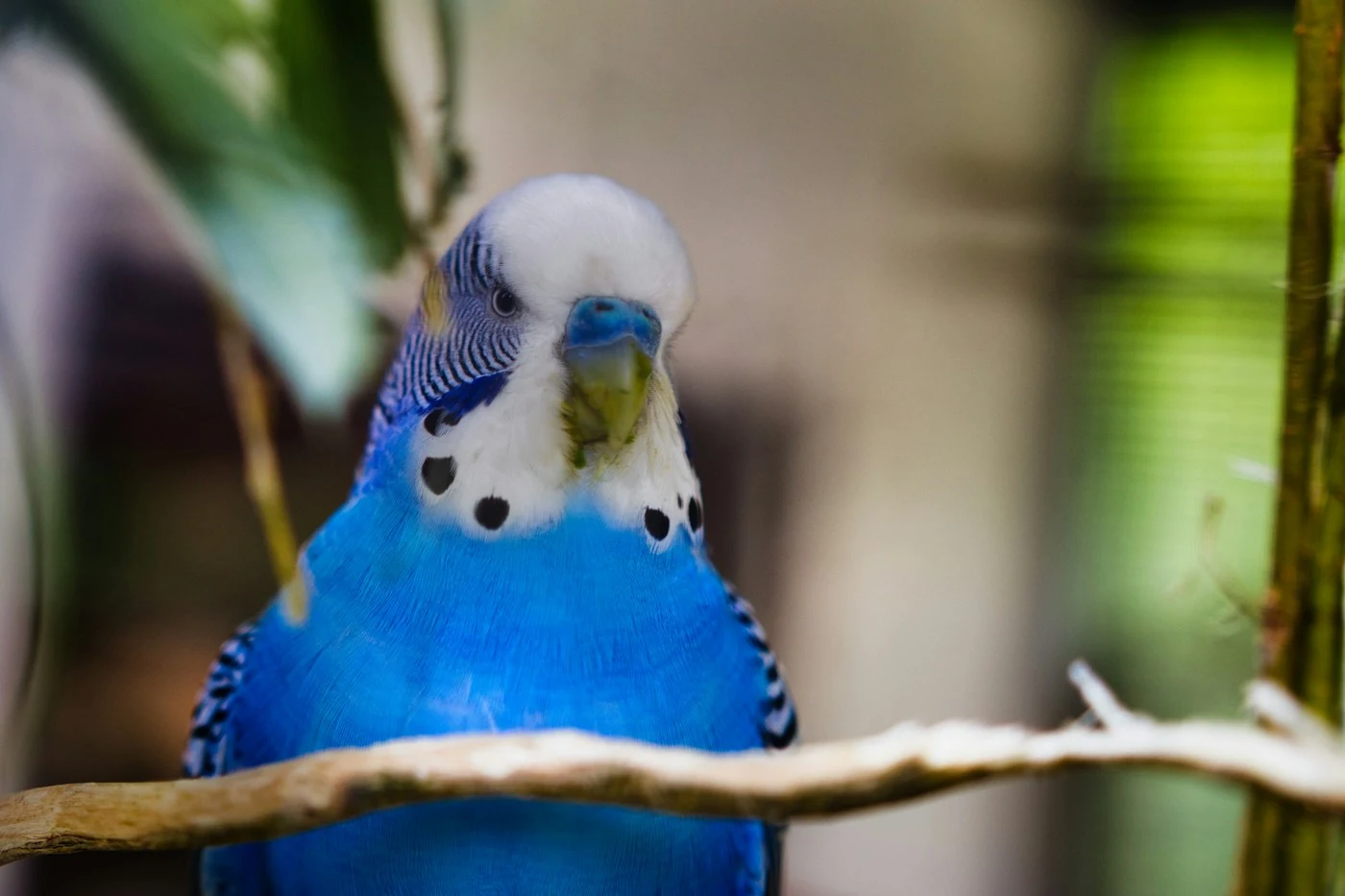
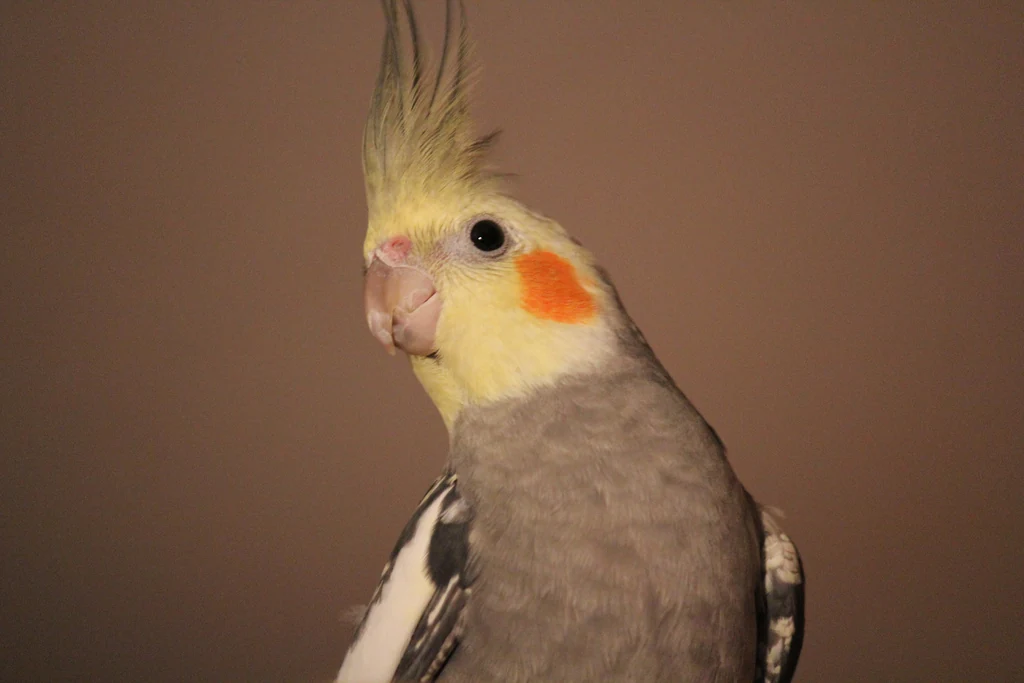
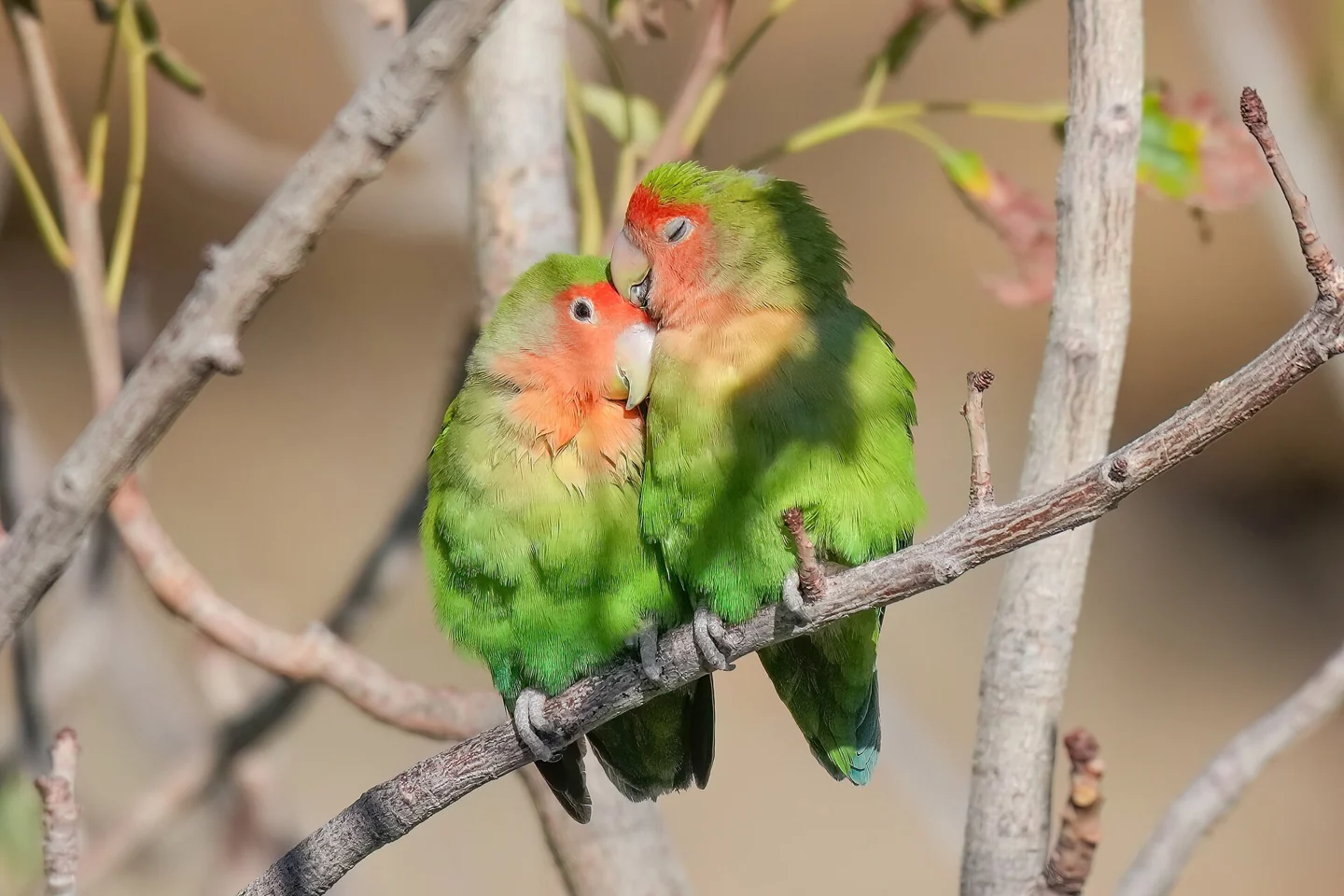
Budgies and cockatiels use flight space with their own kind. Rosy-faced lovebirds need social bonds but may be aggressive towards other bird species. Bourke’s parakeets are especially active in the early morning and evening, so flight and feeding should fit those times. Green-cheeked conures climb and work at objects for long stretches; safe materials to shred belong in their home. Grey parrots need substantial space, enrichment and care over decades. Each species profile develops these needs in more detail.
Even a friendly bird needs a daily routine suited to its species. Everyone in the household should consider calls, flight times, cleaning and holiday care. An avian veterinary practice should be within reach.
Read more: Budgie care: a home for a small flock · Cockatiel care: companions, flight and familiar places · Rosy-faced lovebird care: pairs, flight and enrichment · Bourke’s parakeet care: twilight, foraging and flight · Green-cheeked conure care: active parrots at home · Grey parrot care: space, companionship and a lifetime plan
Sources for this section
- Housing and Environments for Pet BirdsRSPCA
- Living with other birdsRSPCA
- Green-cheeked ConureWorld Parrot Trust
- Grey ParrotWorld Parrot Trust
- Agaporniden, HeimtiermerkblattSchweizer Tierschutz STS
- Merkblatt Nr. 165: Haltung von BourkesittichenTierärztliche Vereinigung für Tierschutz (TVT)
Plan companionship without assuming compatibility
Many parrots seek frequent contact with other birds. A suitable partner or group should be part of the original plan for social species. People can provide activity and a dependable relationship. Mutual preening, species-specific calls and resting together are experiences birds share with compatible companions.
Species, size, temperament and existing bonds all matter. Budgies, cockatiels and lovebirds can live in suitable groups with enough space; large non-colony parrots have different separation and space needs. Even two birds of one species will not automatically accept each other. A new bird should receive an avian veterinary examination and stay in a separate room before contact with resident birds. Plan quarantine and gradual introductions with the practice. Duplicate food, water and popular perches help prevent one bird displacing another throughout the day.
Feeding peacefully together, preening and relaxed resting can tell a carer much about the relationship. Repeated chasing, blocked bowls or one bird unable to reach a resting place call for changes and informed advice. Adding another bird should not be an impulsive response to screaming or feather damage.
Sources for this section
- Living with other birdsRSPCA
- Housing and Environments for Pet BirdsRSPCA
- Behavior of Pet BirdsMerck Veterinary Manual
- Introducing a New Pet BirdVCA Animal Hospitals
- Agaporniden, HeimtiermerkblattSchweizer Tierschutz STS
Use the flight space every day
There should be a clear route from the aviary to at least one other landing place. Natural branches of varying diameter allow different grips. Food and water bowls sit clear of droppings from perches above. With several birds, duplicate popular perches and feeding sites. A cage crowded with toys can restrict movement more than a simpler, well-planned arrangement.
Before flight, windows and doors need to be closed or genuinely birdproof. Large glass surfaces need visible protection, fans are stopped and other pets stay outside the flight room. Kitchens and hot coated appliances are unsafe places for parrots; overheated non-stick surfaces can release life-threatening fumes. A household rule prevents someone opening an outside door while the birds are loose.
A quiet sleeping place and predictable day-night rhythm belong in the room plan. Birds should have a choice of light, shade and cover. Lighting equipment needs to suit the species and the height of the actual perches, avoiding constant glare or excessive UV exposure.
Read more: Setting up a bird room: safe flight and good landing places
Sources for this section
- Housing and Environments for Pet BirdsRSPCA
- Behavior of Pet BirdsMerck Veterinary Manual
- Smoke Inhalation Injury in AnimalsMerck Veterinary Manual
Pair a balanced diet with foraging
An all-seed mix is not a balanced long-term diet for many parrots. The RSPCA describes suitable complete pellets with washed vegetables and some fruit as a base; proportions and species differences are worth discussing with an avian vet. Smaller parrots such as budgies and cockatiels may have a limited seed component. Nuts and highly prized seeds are more useful as occasional rewards. Avocado should never be offered.
A bird accustomed to nearly all seeds should not abruptly be left with an unfamiliar food bowl. A gradual transition with weight and droppings monitored is safer; familiar food remains available until the new diet is actually being eaten. Fresh food is offered hygienically and moist leftovers removed.
Foraging turns part of the regular ration into an activity. A few suitable pieces can be placed in a simple paper parcel, on a safe search tray or at several familiar feeding stations. At first the food should be easy to find. Once the bird understands the game, the search can become more involved. Materials should not shed dangerous threads, clips or swallowable parts.
Sources for this section
- What to feed your pet birdRSPCA
- Benefits of Foraging Activities for ParrotsWorld Parrot Trust
- Housing and Environments for Pet BirdsRSPCA
Practice short skills for care and travel
Voluntarily stepping onto a stable offered perch is a useful first skill. The bird approaches, touches it, places one foot on it and remains free to step back. Each small success is followed immediately by something it likes. This is positive reinforcement: an action becomes worthwhile and more likely to happen again. Pressing a hand into the bird's abdomen does not provide that choice.
Later, scales and an open carrier can enter the same calm routine. Looking at the objects from a distance may be the first step. A familiar perch near them can follow. Short sessions leave room to retreat. Regular use of scales creates comparable weights, while a familiar carrier helps when a veterinary journey is necessary.
A sudden bite or loud call is a reason to examine distance, triggers and the bird’s condition. Punishment can increase fear. A marked drop in food intake, weight loss or persistent changes in activity or plumage call for prompt avian veterinary advice. Breathing difficulty or marked weakness needs immediate veterinary help.
Read more: Bird training: confidence, carriers and cooperative care
Sources for this section
- How to train your pet birdRSPCA
- The Power of Positive ReinforcementWorld Parrot Trust
- Behavior of Pet BirdsMerck Veterinary Manual
- Introduction to Disorders and Diseases of Pet BirdsMerck Veterinary Manual
A substitute carer needs the full routine
Daily care includes water, fresh and dry food, a look at droppings, flight or enrichment time and checks for damaged toys. A handover explains which birds are bonded, where they land, how they return to the aviary and which doors stay shut. Ideally, a substitute carer rehearses the routine with the familiar person beforehand.
For grey parrots, that plan may span several decades; smaller species need dependable long-term care too. An avian vet contact, suitable carrier and recent weight records are concrete aids. A bird that becomes markedly weak, struggles to breathe or cannot remain on its perch needs immediate veterinary help.
Sources for this section
- Grey ParrotWorld Parrot Trust
- How to train your pet birdRSPCA
- Behavior of Pet BirdsMerck Veterinary Manual
- Introduction to Disorders and Diseases of Pet BirdsMerck Veterinary Manual
Common questions
Can a person replace another bird?
A dependable person matters, but cannot fully reproduce communication and shared life with a compatible bird. The right social arrangement depends on the species and individuals.
Should two parrot species share an aviary?
That cannot be assumed safe. Size, behaviour, food competition and refuge needs differ. A species-based group is usually clearer to plan in a home.
What is a good first training goal?
Voluntarily stepping onto an offered perch and stepping back again. That skill provides a foundation for weighing and carrier entry without pressure.
Sources and photo credit
- Housing and Environments for Pet BirdsRSPCA
- Living with other birdsRSPCA
- What to feed your pet birdRSPCA
- How to train your pet birdRSPCA
- Benefits of Foraging Activities for ParrotsWorld Parrot Trust
- The Power of Positive ReinforcementWorld Parrot Trust
- Behavior of Pet BirdsMerck Veterinary Manual
- Green-cheeked ConureWorld Parrot Trust
- Grey ParrotWorld Parrot Trust
- Merkblatt Nr. 165: Haltung von BourkesittichenTierärztliche Vereinigung für Tierschutz (TVT)
- Agaporniden, HeimtiermerkblattSchweizer Tierschutz STS
- Smoke Inhalation Injury in AnimalsMerck Veterinary Manual
- Introducing a New Pet BirdVCA Animal Hospitals
- Introduction to Disorders and Diseases of Pet BirdsMerck Veterinary Manual
Photo: Pyrrhura molinae -captive-perch-8a-1cp.jpg · Brandon Lim; derivative by Snowmanradio · CC BY 2.0. Resized proportionally and converted to WebP. The layout may crop the image.