fellfolio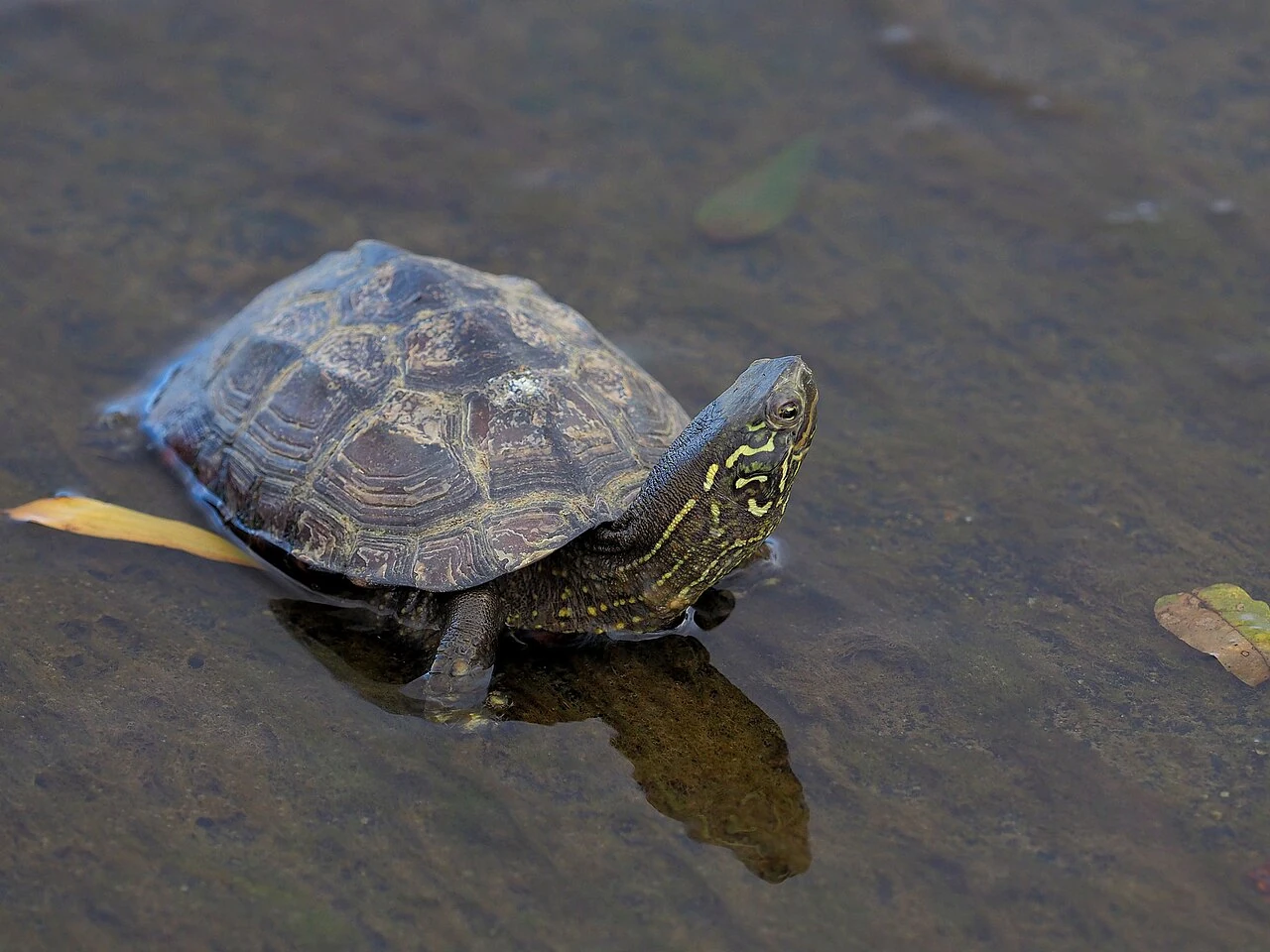
Recognise the species and establish its history
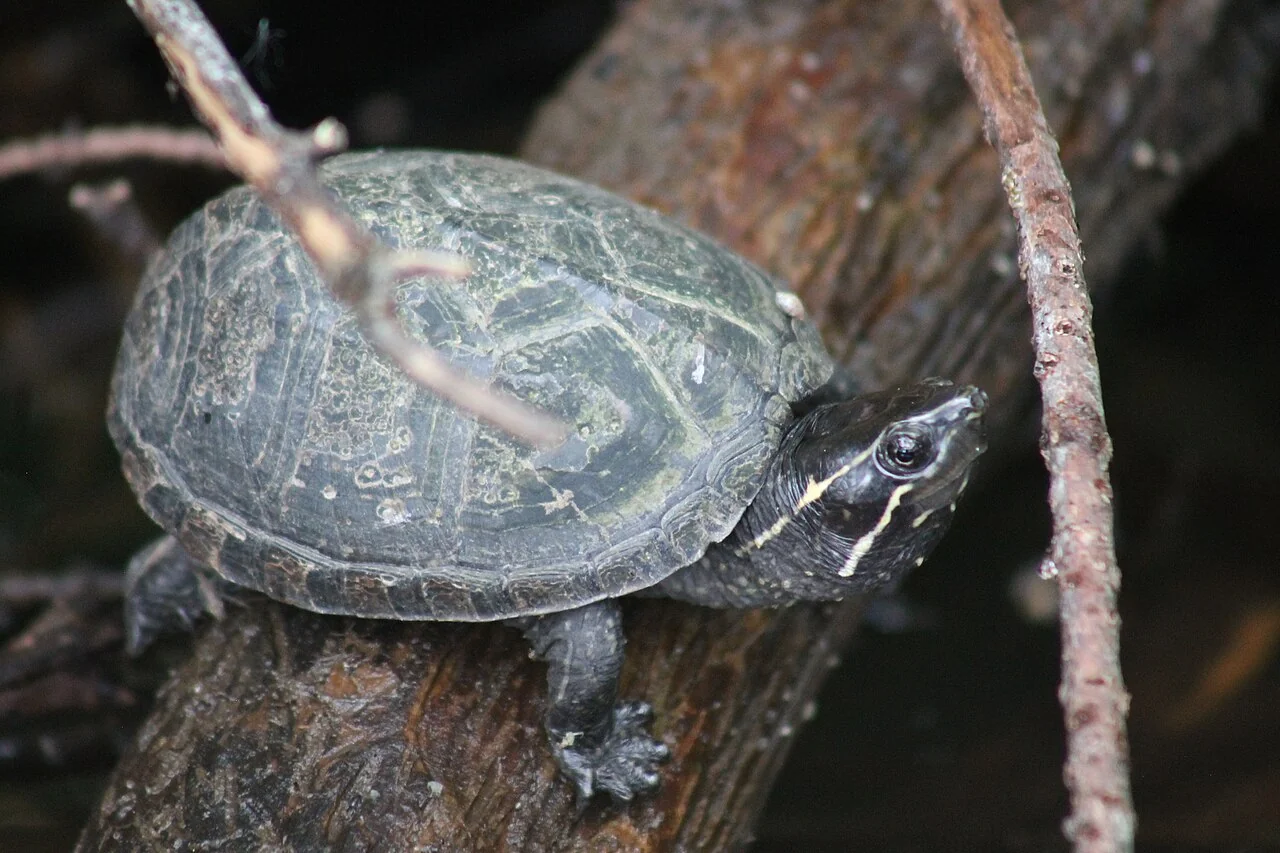
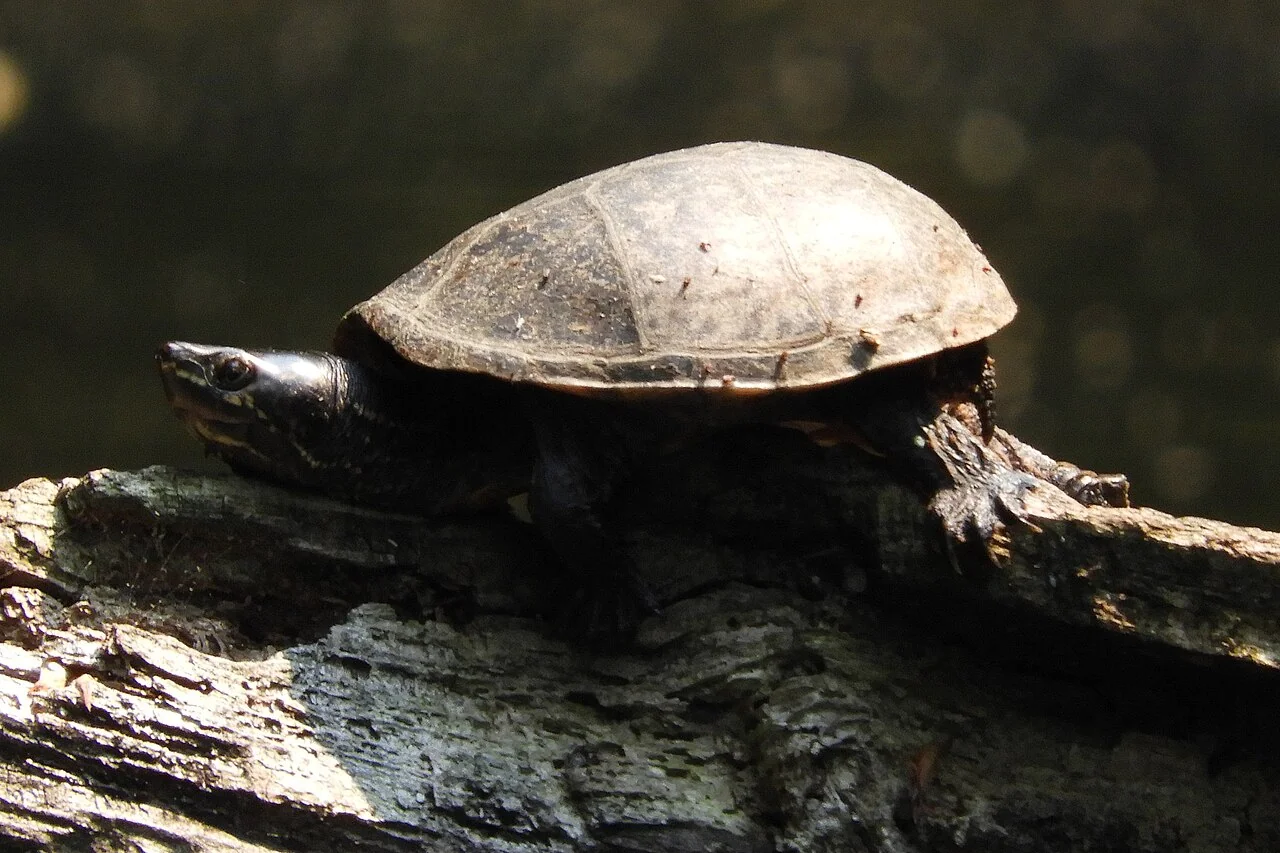
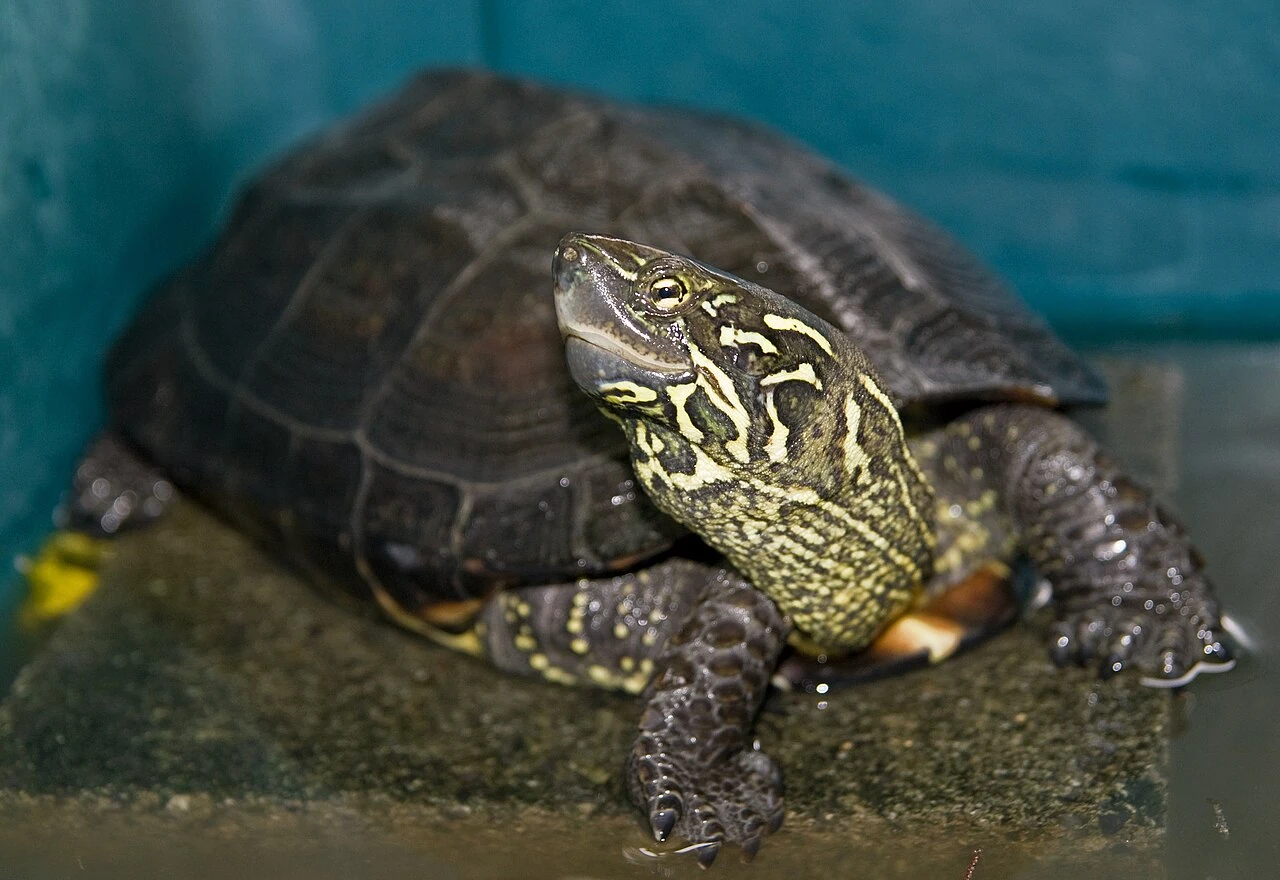
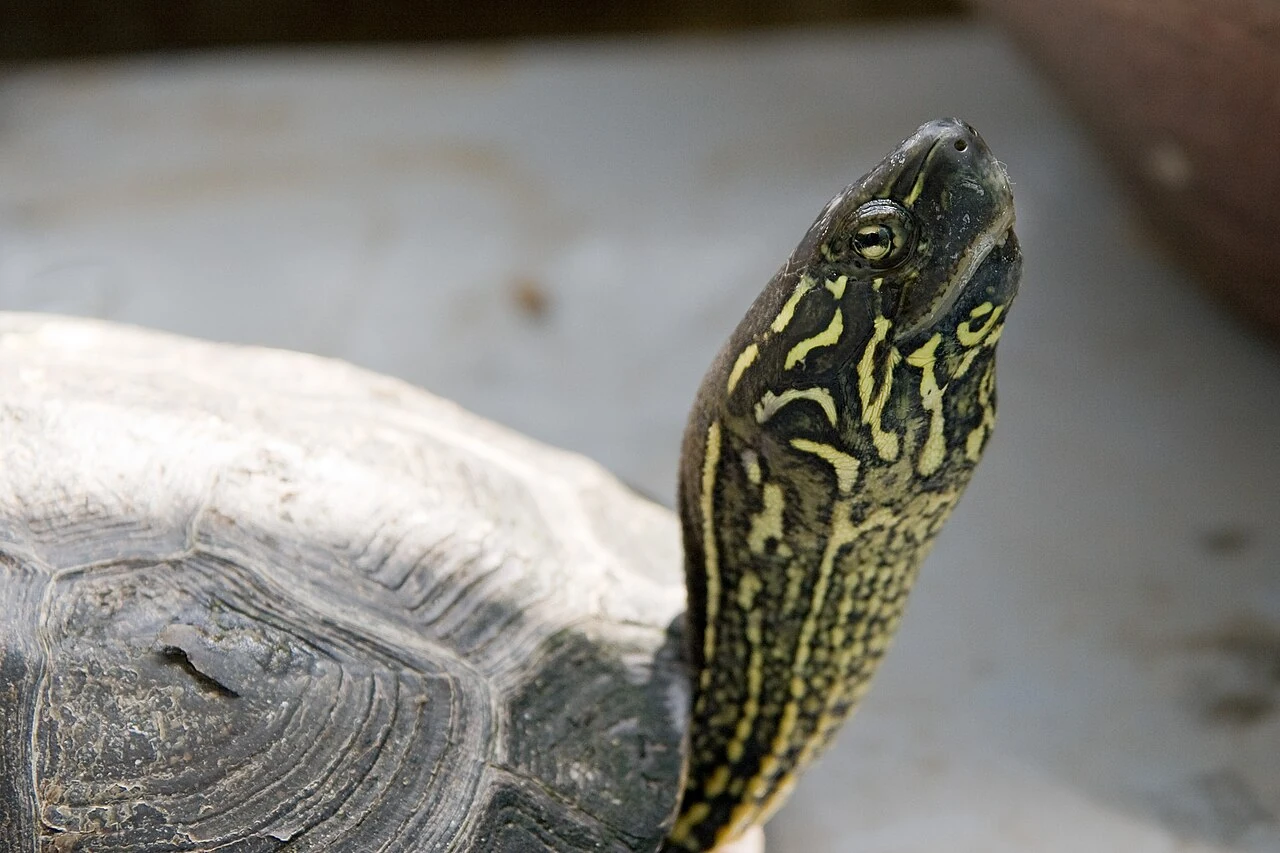
Reeves’ turtles occur in East Asia, using ponds, slow waterways and vegetated shallows. Older sources call the species Chinemys reevesii. Pale markings around the head and three shell keels are characteristic. Older males can become so dark that the pattern is barely visible.
A traceable origin and existing records are useful when obtaining a pet. Previous food and housing details make the transition easier. With an adopted adult in particular, establish whether it has remained active all year or previously experienced a seasonal rest.
Sources for this section
- Mauremys reevesiiThe Reptile Database
- Reeve’s Turtle Care SheetPaul Vander Schouw, Reptiles Magazine
- Chinesische DreikielschildkröteChrysemys.com, specialised turtle keeping
Swimming, supported rest and a fully dry platform
An adult needs a substantial aquaterrarium: an enclosure combining water and land. For planning, we recommend a footprint around 120 × 60 cm or larger. This leaves more room for movement and furnishings than the smaller lower limits in some care sheets. Large females and extensive internal structures may need additional space.
This species is not an endurance swimmer. Stable roots, broad underwater shelves and shallow areas should let it reach air with little effort. There must also be enough depth for the turtle to right itself if it turns over. Water level and climbing routes should suit its individual size and mobility.
A basking platform must support the entire body and allow it to dry completely. A grippy ramp provides access. Furnishings must not collapse or create narrow gaps that can trap the shell. One turtle is an appropriate household arrangement; males can persistently harass companions.
Females also need an accessible area of sufficiently deep, diggable substrate where they can excavate a nest. Inadequate nesting sites can contribute to egg retention; a basking platform alone does not provide a nesting area.
Read more: Setting up an aquarium for an aquatic turtle
Sources for this section
- Reeves’ Turtle Care SheetRoyal Veterinary Center, Macau
- Reeve’s Turtle Care SheetPaul Vander Schouw, Reptiles Magazine
- Chinesische DreikielschildkröteChrysemys.com, specialised turtle keeping
- Housing Aquatic TurtlesVCA Animal Hospitals
- Common Problems in Aquatic TurtlesVCA Animal Hospitals; Laurie Hess, DVM, and Rick Axelson, DVM
Warm basking above the water
For active indoor care, Royal Veterinary Center gives water temperatures around 22 to 26 °C and a basking area of 30 to 32 °C. Suitable heat and UVB belong together over the platform. A water thermometer and measurements at the accessible basking surface establish the actual conditions.
An aquarium heater needs protection from contact and damage. The animal should also remain safely below the lamps when climbing the ramp or reaching the highest surface. UVB exposure depends on lamp type, distance and any intervening mesh. The enclosure needs shaded shelter as well, and lights should be off at night.
These temperatures describe the active period. Activity changes markedly with the seasons in parts of the species’ natural range. Whether and how to arrange winter rest should be discussed with a reptile veterinarian using origin, age, health and previous care. An unheated cellar or a pond that happens to cool down does not provide controlled overwintering.
Read more: Getting heat and UVB right in a reptile enclosure · Seasonal rest in reptiles: preparation and monitoring
Sources for this section
- Reeves’ Turtle Care SheetRoyal Veterinary Center, Macau
- UVB Lighting for ReptilesFrances M. Baines, veterinary surgeon; LafeberVet
- Chinesische DreikielschildkröteChrysemys.com, specialised turtle keeping
Filtration and water changes do different jobs
Food remains and droppings add waste to the water. Bacteria in the filter convert ammonia through nitrite into nitrate. This biological filtration needs to develop before the turtle arrives. Animal-free cycling can use a dedicated aquarium maturation product supplying ammonia, dosed according to its instructions. Repeated tests should show no detectable ammonia or nitrite after the nutrient source has been dosed according to the product instructions. This demonstrates that the filter can process the added waste. The linked aquatic-turtle habitat guide explains the steps and measurements.
Even a mature filter does not replace partial water changes, which dilute dissolved waste and allow debris to be siphoned away. Filter media should be cleaned while preserving much of the bacterial population, for example by gently rinsing it in removed tank water. Replacing all biological media at once can temporarily disrupt that process.
The outlet should not send a strong current through resting areas. A small net makes leftover food easy to remove after feeding. Test results, food portions and accumulated debris help determine the water-change routine for the particular enclosure.
Read more: Setting up an aquarium for an aquatic turtle
Sources for this section
- How to set up and look after a freshwater aquariumOrnamental Aquatic Trade Association
- Caring for a terrapinRSPCA
- Reeves’ Turtle Care SheetRoyal Veterinary Center, Macau
Combining animal foods and plants
A quality complete food for omnivorous aquatic turtles can form the diet’s base. Omnivorous means using both animal and plant foods. Suitable additions include earthworms, appropriate feeder insects and aquatic plants. Dried shrimp or pieces of meat alone cannot provide balanced nutrition.
Young turtles need food more often than mature animals. Royal Veterinary Center suggests daily meals for juveniles and feeding every one to two days for adults as a starting guide, with portions adjusted to body condition. Plant food can make up a larger share as the turtle matures. A reptile veterinarian can align calcium and vitamin provision with the diet and lighting.
Feeding should allow you to see what is eaten and remove leftovers promptly. A short record of portions and appetite makes care easier to hand over. It also helps establish whether reduced interest in food is a new development.
Read more: Feeding reptiles: choose food for the species
Sources for this section
- Reeves’ Turtle Care SheetRoyal Veterinary Center, Macau
- Reeve’s Turtle Care SheetPaul Vander Schouw, Reptiles Magazine
Watch the shell, eyes and swimming
Soft or foul-smelling shell patches, swollen closed eyes and a persistent reduction in appetite warrant veterinary assessment. Breathing difficulty, markedly lopsided swimming or an inability to keep the head safely above water needs immediate veterinary contact. Water readings and photographs of the basking area help investigate the cause.
Healthy-looking turtles and their water can still carry germs. Dedicated buckets, sponges and hoses should be used away from the kitchen. Thorough handwashing is important after touching the turtle, water or equipment. A secure ventilated transport box can be kept ready for necessary journeys.
Sources for this section
- Reeves’ Turtle Care SheetRoyal Veterinary Center, Macau
- Reptiles and AmphibiansCenters for Disease Control and Prevention
- Housing Aquatic TurtlesVCA Animal Hospitals
Common questions
Why does an aquatic turtle need a dry area?
Reeves’ turtles leave the water to bask. A suitable platform lets the whole body dry and warm under heat and UVB. A partly submerged root cannot fully provide that function.
Can it live with fish or another turtle?
Single housing simplifies care and avoids competition or injury. Fish may be eaten. Another turtle requires separate planning and a complete second enclosure if the animals prove incompatible.
A closer look
Sources and photo credit
- Mauremys reevesiiThe Reptile Database
- Reeves’ Turtle Care SheetRoyal Veterinary Center, Macau
- Reeve’s Turtle Care SheetPaul Vander Schouw, Reptiles Magazine
- Chinesische DreikielschildkröteChrysemys.com, specialised turtle keeping
- Housing Aquatic TurtlesVCA Animal Hospitals
- Caring for a terrapinRSPCA
- How to set up and look after a freshwater aquariumOrnamental Aquatic Trade Association
- Reptiles and AmphibiansCenters for Disease Control and Prevention
- UVB Lighting for ReptilesFrances M. Baines, veterinary surgeon; LafeberVet
- Common Problems in Aquatic TurtlesVCA Animal Hospitals; Laurie Hess, DVM, and Rick Axelson, DVM
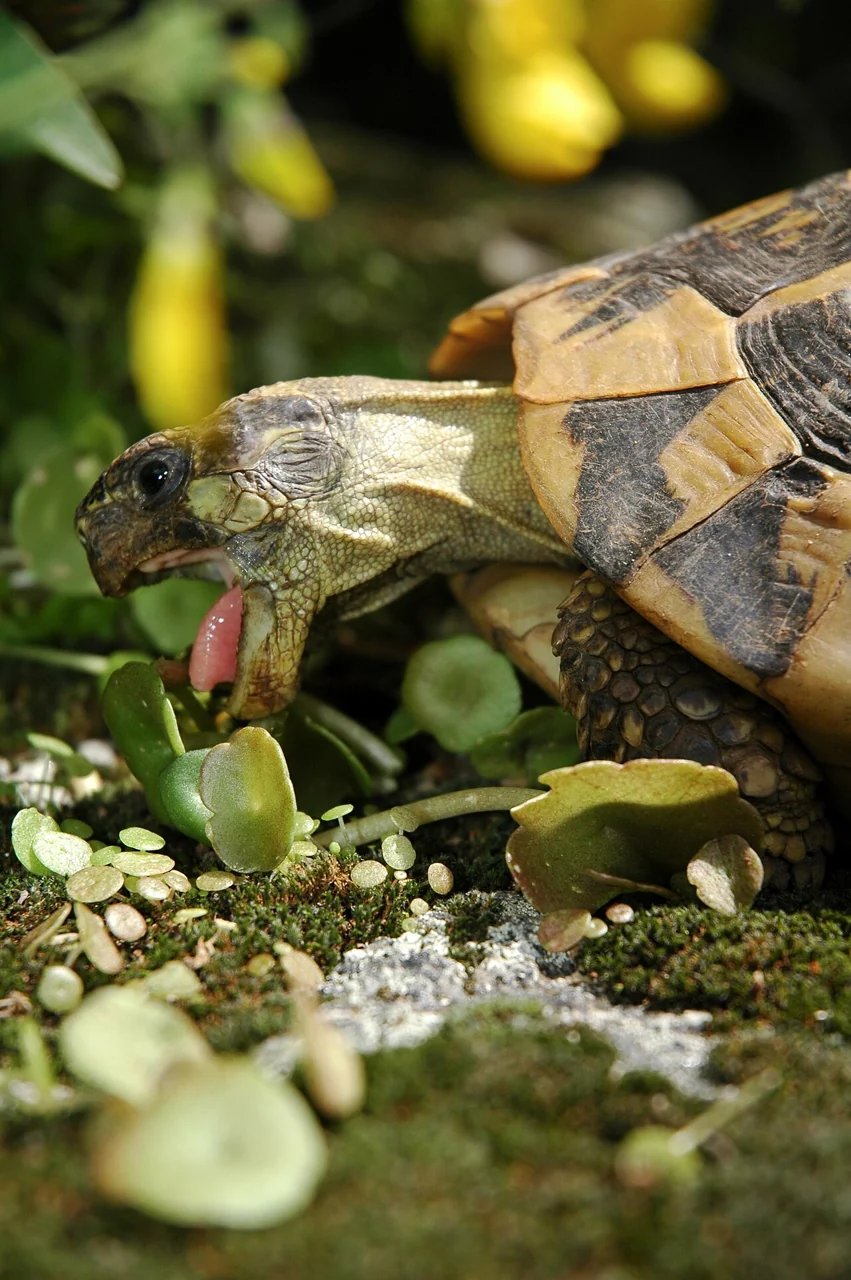
Photo: Mauremys reevesii Chinese Pond Turtle クサガメ.jpg · Greg Peterson · CC BY-SA 3.0. Resized for the web and converted to WebP; image content unchanged.
Photo: Chinemys reevesii 01.jpg · Σ64 · CC BY-SA 3.0. Resized for the web and converted to WebP; image content unchanged.
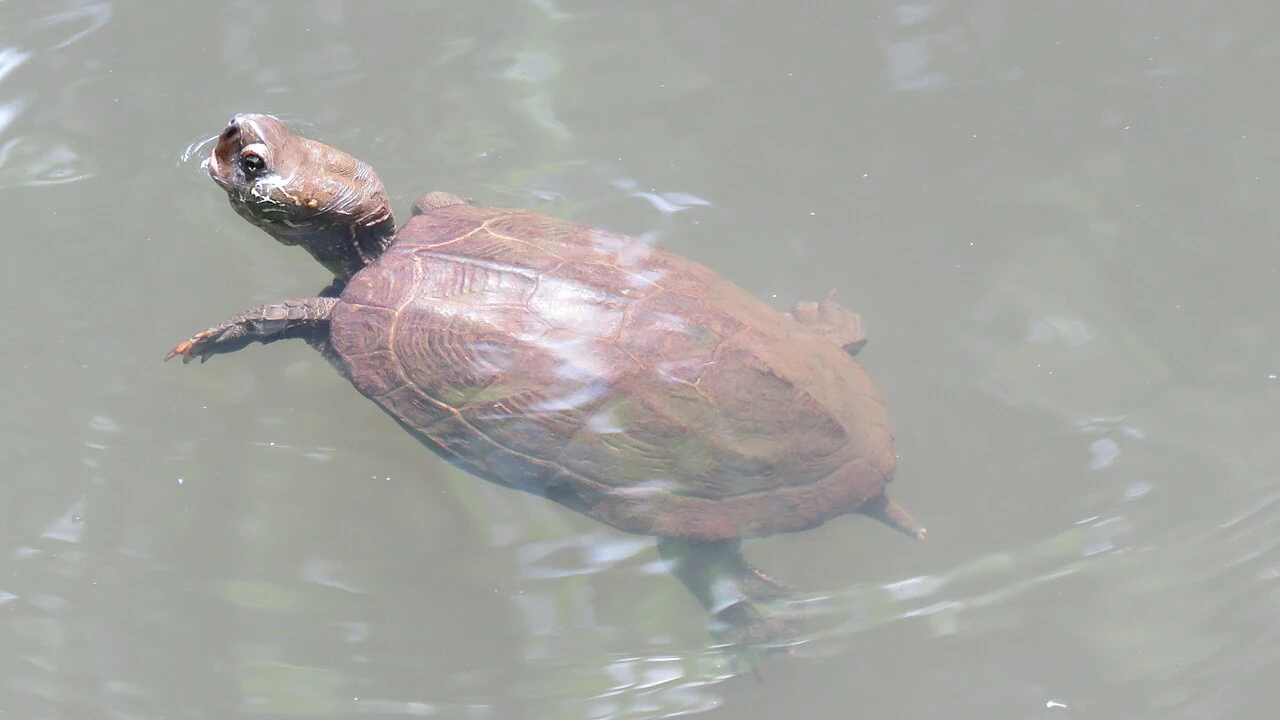
Photo: Chinemys reevesii 04.jpg · Σ64 · CC BY 3.0. Resized for the web and converted to WebP; image content unchanged.
Photo: Mauremys reevesii - Institute for Nature Study, Tokyo.JPG · Piropiro77 · CC BY-SA 4.0. Resized for the web and converted to WebP; image content unchanged.