fellfolio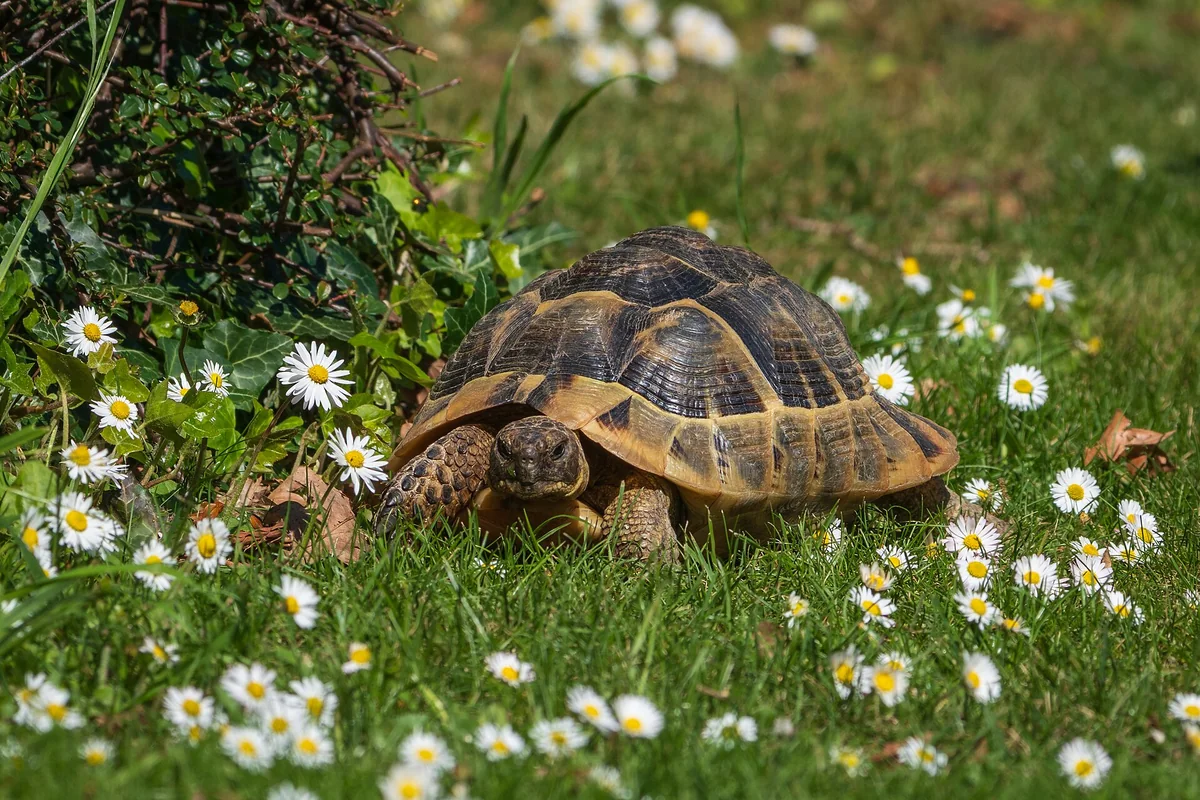
What changes during seasonal rest
During a seasonal rest period, activity and metabolism decrease. The term brumation is often used for this process in reptiles. Its triggers and course depend on the species and its natural environment. Some animals retain intermittent activity; others spend an extended period largely hidden.
Routine overnight cooling is a separate part of the daily cycle, with different temperatures and timescales. A change in heating over several weeks should follow a specific husbandry plan rather than being improvised because the animal has been quiet for a few days.
Sources for this section
- Brumation in Bearded DragonsVCA Animal Hospitals, Gregory Rich, DVM
- Providing a Home for a ReptileMerck Veterinary Manual
Why identification makes a difference
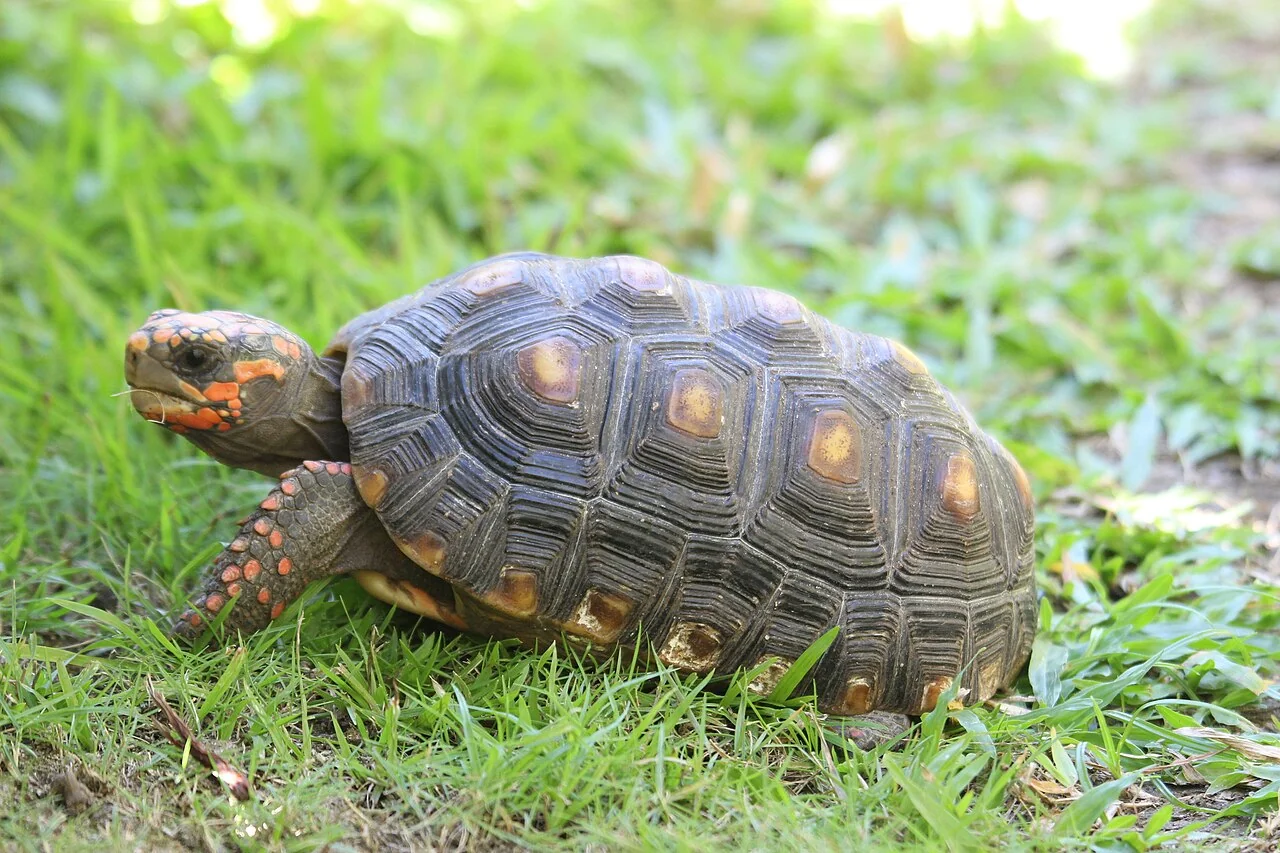
Winter dormancy is part of the natural annual cycle of Hermann’s tortoises. Cold overwintering is dangerous for tropical red-footed tortoises, which need appropriate temperatures throughout the year. Even the name spur-thighed tortoise may not provide enough detail for a plan, because geographical origin and subspecies matter.
Bearded dragons can show a seasonal reduction in activity, but a cooling routine intended for a European tortoise cannot be transferred to them. Start with the species guide. If an animal’s origin is uncertain, a reptile vet or knowledgeable rescue organisation can help establish the relevant background.
Read more: Hermann's tortoise care: enclosure, food and winter dormancy · Spur-thighed tortoise care: origin, housing and seasonal needs · Red-footed tortoise care: space, climate and feeding · Bearded dragon care: enclosure, lighting and food
Sources for this section
- Steckbrief: Griechische LandschildkröteDeutscher Tierschutzbund
- Redfoot Tortoise CareAurora Animal Hospital, Dayna Willems, DVM
- Brumation in Bearded DragonsVCA Animal Hospitals, Gregory Rich, DVM
- Spur-thighed, Hermann’s, marginated and Horsfield’s tortoisesRSPCA
- Hibernating Juvenile TortoisesTortoise Trust, A. C. Highfield
Prepare before the animal withdraws
Arrange assessment well before the planned rest period so there is time for any investigation or treatment. Weight records, feeding notes and details of previous winters are useful. The vet can decide whether further checks, such as a faecal examination, are appropriate.
An ill, markedly underweight or otherwise unprepared animal should not simply be cooled down. It needs an alternative care plan that maintains suitable active conditions. Young age alone does not automatically rule out winter dormancy: it occurs early in the lives of Hermann’s tortoises too, but still requires proper preparation.
Sources for this section
- Spur-thighed, Hermann’s, marginated and Horsfield’s tortoisesRSPCA
- Steckbrief: Griechische LandschildkröteDeutscher Tierschutzbund
- The Tortoise and Its CareUniversity of Illinois College of Veterinary Medicine
Make the whole care plan understandable
A useful plan identifies the animal, intended period and controlled conditions. These include temperature range, moisture, ventilation and accommodation. Preparation of feeding and hydration should also be agreed for that individual. A generic fasting timetable found online cannot replace this information.
Check measuring equipment and establish the measuring points before starting. A cellar, garage or refrigerator is not automatically a suitable overwintering space. What matters is whether the required conditions can be maintained, monitored and corrected if equipment fails or the surrounding temperature changes.
Sources for this section
- Spur-thighed, Hermann’s, marginated and Horsfield’s tortoisesRSPCA
- Management and Husbandry of ReptilesMerck Veterinary Manual
Monitor and respond to unusual changes
Agree in advance how temperature, condition and weight will be checked without unnecessary disturbance. The intervals and response to abnormal findings should be clear. Anyone sharing care needs access to those records and contact details for the veterinary practice.
Weight loss, unusual breathing, nasal discharge or unexpectedly frequent activity should not be dismissed as winter behaviour. Severe weakness or breathing difficulty requires immediate veterinary help. Outside a planned rest period, withdrawal may also indicate unsuitable temperatures or illness.
Sources for this section
- The Tortoise and Its CareUniversity of Illinois College of Veterinary Medicine
- Brumation in Bearded DragonsVCA Animal Hospitals, Gregory Rich, DVM
- Disorders and Diseases of ReptilesMerck Veterinary Manual
Support the return to active care
The transition back to active conditions should follow the agreed plan too. Suitable heat, light and water need to be available. Notes on movement, the first meals and waste passed help assess progress. An animal that remains unusually weak or does not recover its expected activity needs examination.
A short review is useful for the following year: which conditions stayed stable, did equipment fail and what questions arose? Over time, these observations build a practical history that another carer can understand and use.
Read more: Caring for reptiles as they grow and age
Sources for this section
- The Tortoise and Its CareUniversity of Illinois College of Veterinary Medicine
- Routine Health Care of ReptilesMerck Veterinary Manual
- Spur-thighed, Hermann’s, marginated and Horsfield’s tortoisesRSPCA
Sources and photo credit
- Brumation in Bearded DragonsVCA Animal Hospitals, Gregory Rich, DVM
- Providing a Home for a ReptileMerck Veterinary Manual
- Steckbrief: Griechische LandschildkröteDeutscher Tierschutzbund
- Redfoot Tortoise CareAurora Animal Hospital, Dayna Willems, DVM
- Spur-thighed, Hermann’s, marginated and Horsfield’s tortoisesRSPCA
- The Tortoise and Its CareUniversity of Illinois College of Veterinary Medicine
- Management and Husbandry of ReptilesMerck Veterinary Manual
- Disorders and Diseases of ReptilesMerck Veterinary Manual
- Routine Health Care of ReptilesMerck Veterinary Manual
- Hibernating Juvenile TortoisesTortoise Trust, A. C. Highfield
Photo: Testudo hermanni Boettgeri - 01 · NorbertNagel · CC BY-SA 4.0. Cropped, resized and converted to WebP