fellfolio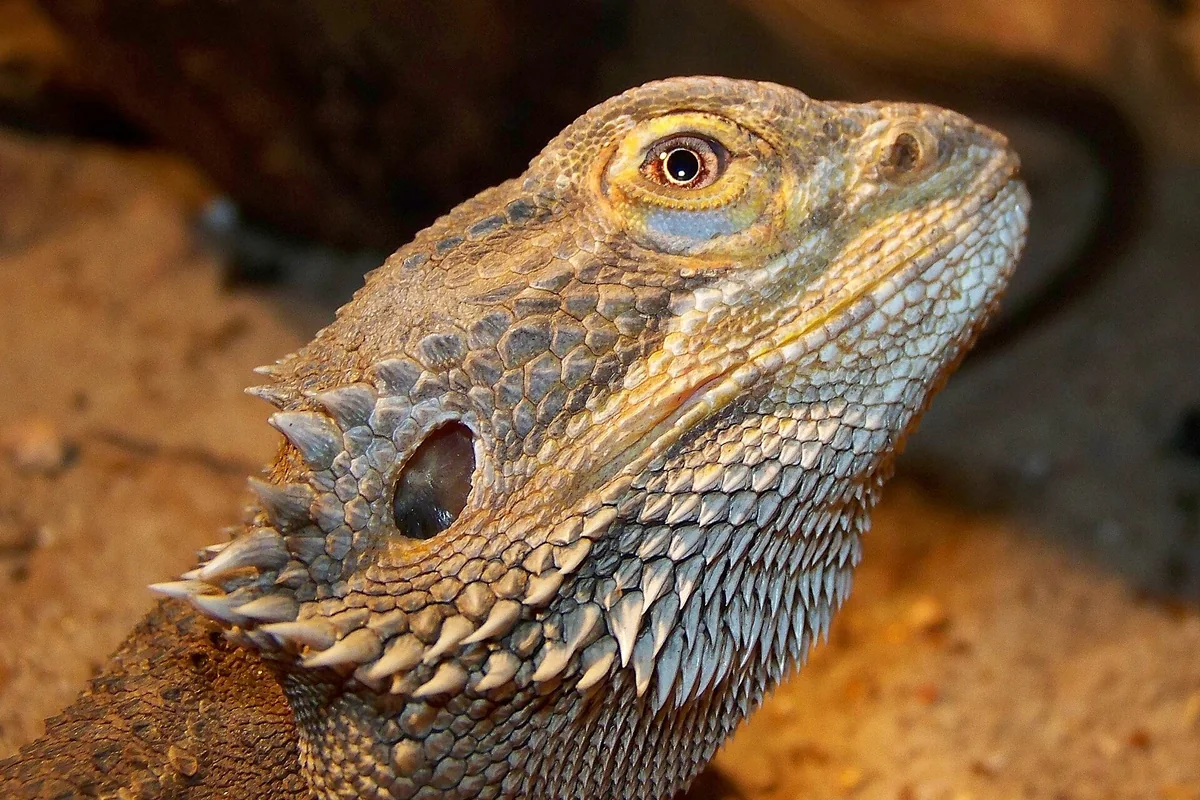
Provide a usable temperature gradient
Reptiles obtain much of their body heat from their surroundings. Moving between different places allows them to adjust their temperature. An enclosure therefore needs a warmer zone that leads into a cooler area, often described as a thermal gradient.
Shelter should be available across that gradient. If the only secure hiding place is directly beneath the heater, the animal cannot choose equally good cover somewhere cooler. Height matters for climbing species too: conditions on an upper branch may be very different from those near the floor.
Sources for this section
- Providing a Home for a ReptileMerck Veterinary Manual
- Places for reptiles to hideRSPCA
Measure air and surfaces separately
A digital thermometer with a probe measures temperature at the probe’s location. An infrared thermometer reads a surface, such as a basking stone. These answer different questions. A warm stone does not mean the entire enclosure is too hot, while apparently suitable basking readings can coexist with an overheated retreat.
Useful records identify the measuring point at animal level and include readings after the equipment has warmed up and during the cooler overnight period. When reading a species guide, check whether a figure describes air, surface or water temperature. Comparing unlike measurements can make sound recommendations appear contradictory.
Read more: Bearded dragon care: enclosure, lighting and food · Leopard gecko care: habitat, feeding and health
Sources for this section
- How to care for your bearded dragonRSPCA
- Management and Husbandry of ReptilesMerck Veterinary Manual
Understand what UVB does
UVB is an invisible component of sunlight. It enables many reptiles to produce vitamin D3 in the skin. This vitamin supports the absorption and use of calcium, which is needed for healthy bones and other body functions. An ordinary bright room light does not automatically provide UVB.
Appropriate exposure depends partly on the animal’s natural behaviour, including whether it basks openly or uses sheltered places. Shaded areas should be available alongside the illuminated zone. Diet and any required calcium or vitamin supplements should be considered together with the lighting provided.
Read more: Feeding reptiles: choose food for the species
Sources for this section
- Simple Things Your Reptile Might Be MissingUniversity of Illinois College of Veterinary Medicine
- Nutrition in ReptilesMerck Veterinary Manual
Check exposure where the animal sits
The UV Index, or UVI, describes the strength of UV radiation at a measuring point. A suitable meter is positioned at the level of the animal’s back. Distance, reflectors and mesh between the lamp and reptile all affect exposure. A percentage printed on the box does not replace this check.
Ordinary window glass blocks most UVB. Placing an enclosure in a sunny window therefore gives unreliable UVB exposure and can cause dangerous overheating. A UVB lamp may also lose useful output while still looking bright. Installation instructions, replacement guidance and measurements should all inform its use.
Sources for this section
- UVB lighting for reptilesFrances M. Baines, veterinary surgeon; LafeberVet
- Providing a Home for a ReptileMerck Veterinary Manual
Control heat with compatible equipment
A thermostat regulates a heat source using a temperature probe. The controller, lamp and control method must be compatible. A dimmable heat lamp needs a suitable controller, for example. UVB tubes should not simply be dimmed along with it; some combination lamps cannot be dimmed or repeatedly switched by a thermostat. Follow the specifications for the exact product.
The probe should be secured where the animal cannot displace it. An independent thermometer checks the result. Protected lamps, suitable fittings and safe clearances prevent contact with hot components. Electrically heated rocks can cause burns and are a poor basis for a basking area.
Sources for this section
- UVB lighting for reptilesFrances M. Baines, veterinary surgeon; LafeberVet
- Common Problems in Pet SnakesVCA Animal Hospitals
- How to care for a leopard geckoRSPCA
Recheck after changes and across seasons
Run the complete enclosure through several day and night cycles before the animal arrives. This reveals whether the coolest area becomes too cold overnight or the enclosure overheats during the afternoon. Access to a cooler zone remains important in summer.
A replacement lamp, new basking branch or different room position warrants fresh measurements. Light and dark periods should suit the species. If supplementary overnight heat is required, it should be provided without disruptive visible light. Planned seasonal changes need their own species-specific routine.
Read more: Seasonal rest in reptiles: preparation and monitoring
Sources for this section
- Caring for your crested geckoRSPCA
- Providing a Home for a ReptileMerck Veterinary Manual
Sources and photo credit
- Providing a Home for a ReptileMerck Veterinary Manual
- Places for reptiles to hideRSPCA
- How to care for your bearded dragonRSPCA
- Management and Husbandry of ReptilesMerck Veterinary Manual
- Simple Things Your Reptile Might Be MissingUniversity of Illinois College of Veterinary Medicine
- Nutrition in ReptilesMerck Veterinary Manual
- UVB lighting for reptilesFrances M. Baines, veterinary surgeon; LafeberVet
- Common Problems in Pet SnakesVCA Animal Hospitals
- How to care for a leopard geckoRSPCA
- Caring for your crested geckoRSPCA
Photo: Pogona vitticeps · William Kreijkes · CC BY-SA 3.0. Cropped, resized and converted to WebP