fellfolio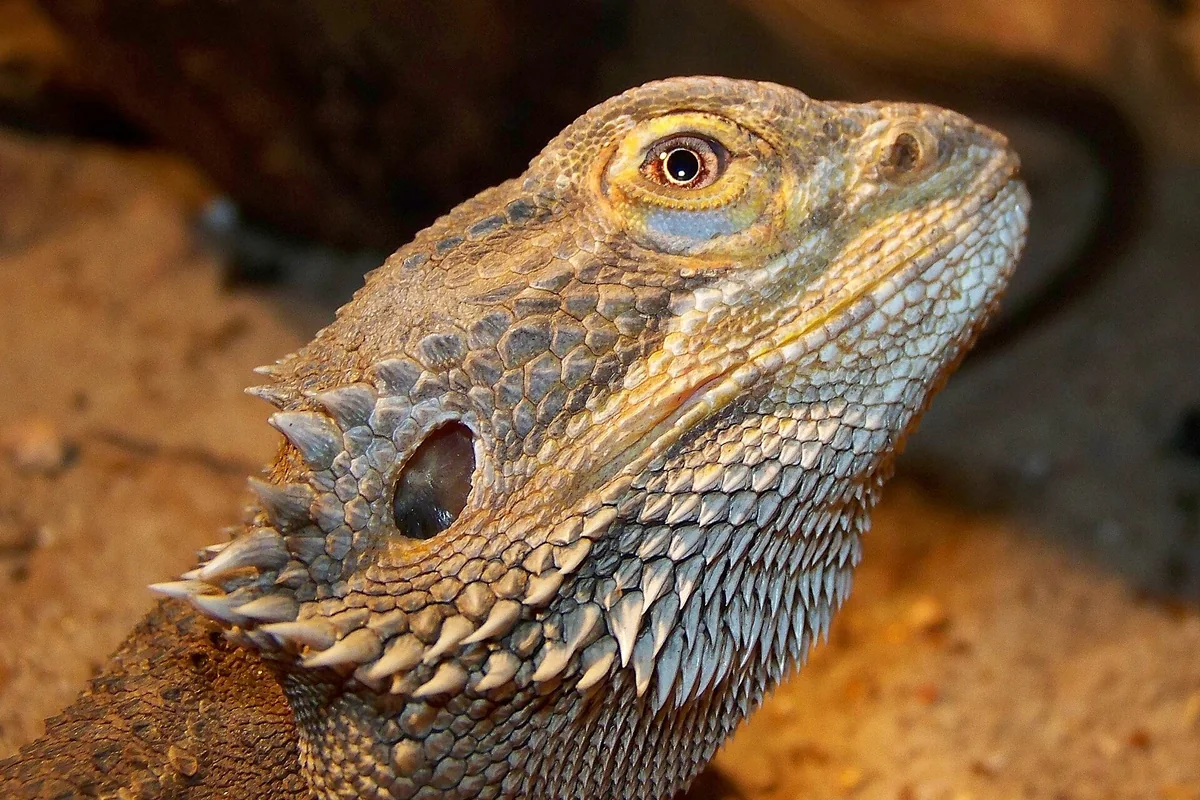
Understand the dietary categories
Herbivores eat plants, while carnivores eat animal foods. Insectivores specialise in insects; omnivores eat a mixture of plant and animal foods. These terms narrow the options without providing a complete plan for an individual species. Even two plant-eating tortoises may use different foods in nature.
Hermann’s tortoises need suitable weeds and other fibrous food plants as the basis of their diet. Bearded dragons eat plants and insects, with the balance changing as they mature. Corn snakes eat whole prey. The bones and organs supply nutrients that muscle meat alone does not provide in suitable amounts.
Read more: Hermann's tortoise care: enclosure, food and winter dormancy · Bearded dragon care: enclosure, lighting and food · Corn snake care: space, warmth and feeding
Sources for this section
- Nutrition in ReptilesMerck Veterinary Manual
- Steckbrief: Griechische LandschildkröteDeutscher Tierschutzbund
- How to care for your bearded dragonRSPCA
- How to care for a corn snakeRSPCA
Feeder insects need proper care
Crickets, locusts and suitable larvae should come from a reliable feeder supplier and be appropriately sized for the reptile. While in your care, they need enough space, ventilation, suitable food and safe hydration. Insects left hungry in a sales tub for a long period are a poor starting point.
Gut loading means giving insects a specially formulated, nutrient-rich diet before they are fed to the reptile. Nutrients in their digestive tract then pass to the animal eating them. Further supplementation depends on the insect, reptile and overall diet. Uneaten insects roaming the enclosure should be removed, as some can bite the resting animal.
Sources for this section
- How to care for a leopard geckoRSPCA
- How to care for your bearded dragonRSPCA
- Nutrition in ReptilesMerck Veterinary Manual
Offer a suitable variety of plants
Plant foods should be correctly identified and obtained from a clean, untreated source. Dandelion and plantain are examples suitable for bearded dragons; Hermann’s tortoises benefit from a varied selection of appropriate weeds. Plants from sprayed ground or heavily contaminated roadsides should not be collected for food.
One type of lettuce cannot provide that variety. A shopping or gathering list is more useful when it names several plants recommended for the species. Pieces should suit the animal’s size, and wilted or dirty leftovers should be removed. Fruit is not a suitable routine food for Hermann’s tortoises. The selection for a tropical tortoise may differ.
Read more: Hermann's tortoise care: enclosure, food and winter dormancy · Red-footed tortoise care: space, climate and feeding
Sources for this section
- How to care for your bearded dragonRSPCA
- Steckbrief: Griechische LandschildkröteDeutscher Tierschutzbund
- Redfoot Tortoise CareAurora Animal Hospital, Dayna Willems, DVM
Thaw frozen prey fully and handle it hygienically
Appropriate pre-killed prey is commonly used for many pet snakes. Live mice or rats can seriously injure a snake. Whole prey also provides a different nutrient profile from a piece of muscle meat, so strips of meat are not an equivalent replacement.
Frozen prey should be completely thawed. One described method uses a sealed bag in cold water, followed by warming the bag in warm water. Dedicated containers and feeding tongs should be used. Kitchen preparation areas and microwaves are unsuitable, and thawed prey that is not eaten should not be refrozen. Frozen feeders can still carry pathogens, making handwashing and cleaning the equipment important afterwards.
Sources for this section
- Common Problems in Pet SnakesVCA Animal Hospitals
- Nutrition in ReptilesMerck Veterinary Manual
- Corn Snake Care SheetPetMD, Maria Zayas, DVM
- Reptiles and AmphibiansCenters for Disease Control and Prevention
Consider supplements alongside lighting and food
Calcium provision, vitamins and UVB exposure are connected. A supplement should be chosen with the species, main diet and lighting in mind. Combining several vitamin products can produce an unnecessarily high intake. A reptile vet can assess the existing feeding plan together with the product labels.
For manufactured diets, check which species and life stage the product is formulated for and whether it is complete or complementary. A complete food is intended to cover the diet as directed by its manufacturer; a complementary product needs other components. A general reptile label tells you little about this distinction.
Read more: Getting heat and UVB right in a reptile enclosure
Sources for this section
- Simple Things Your Reptile Might Be MissingUniversity of Illinois College of Veterinary Medicine
- Nutrition in ReptilesMerck Veterinary Manual
- How to care for a leopard geckoRSPCA
Put changes in appetite into context
Feeding intervals vary considerably. Young animals are growing, adults are maintaining their bodies, and an approaching shed affects appetite in some species. A short record of what was offered and what was actually eaten helps reveal an individual pattern.
An unusually prolonged refusal of food, weight loss or weakness should be investigated by a reptile vet. Temperature, lighting and access to shelter should be checked at the same time. Attempting to force-feed without specific veterinary instructions can create further problems.
Read more: Caring for reptiles as they grow and age · Humidity and shedding in reptiles
Sources for this section
- Routine Health Care of ReptilesMerck Veterinary Manual
- Nutrition in ReptilesMerck Veterinary Manual
- Common Problems in Pet SnakesVCA Animal Hospitals
Sources and photo credit
- Nutrition in ReptilesMerck Veterinary Manual
- Steckbrief: Griechische LandschildkröteDeutscher Tierschutzbund
- How to care for your bearded dragonRSPCA
- How to care for a corn snakeRSPCA
- How to care for a leopard geckoRSPCA
- Redfoot Tortoise CareAurora Animal Hospital, Dayna Willems, DVM
- Common Problems in Pet SnakesVCA Animal Hospitals
- Corn Snake Care SheetPetMD, Maria Zayas, DVM
- Reptiles and AmphibiansCenters for Disease Control and Prevention
- Simple Things Your Reptile Might Be MissingUniversity of Illinois College of Veterinary Medicine
- Routine Health Care of ReptilesMerck Veterinary Manual
Photo: Pogona vitticeps · William Kreijkes · CC BY-SA 3.0. Cropped, resized and converted to WebP