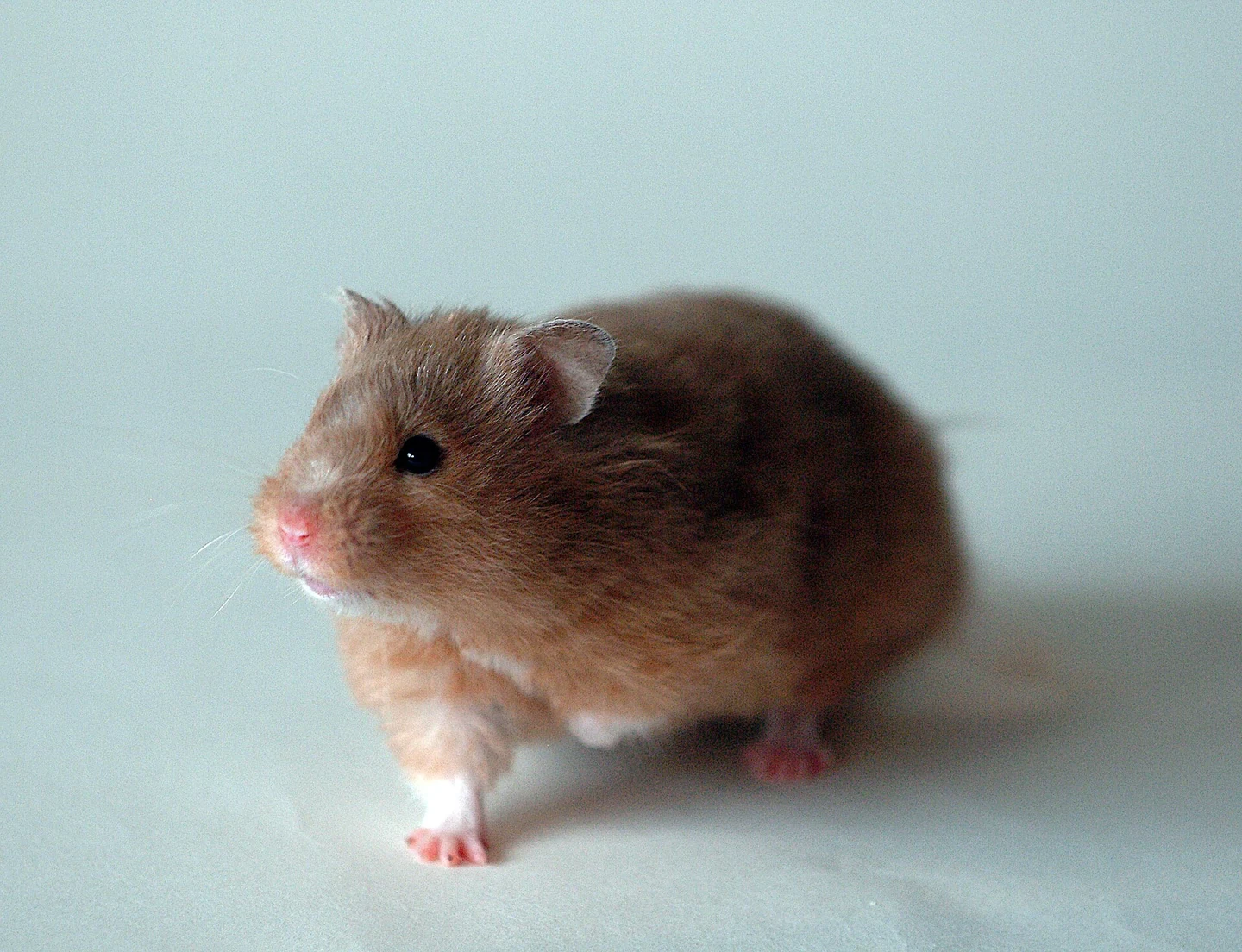
Photo: Golden hamster front 1.jpg · Adamjennison111 at English Wikipedia · CC BY 2.5. Resized proportionally and converted to WebP. The layout may crop the image.
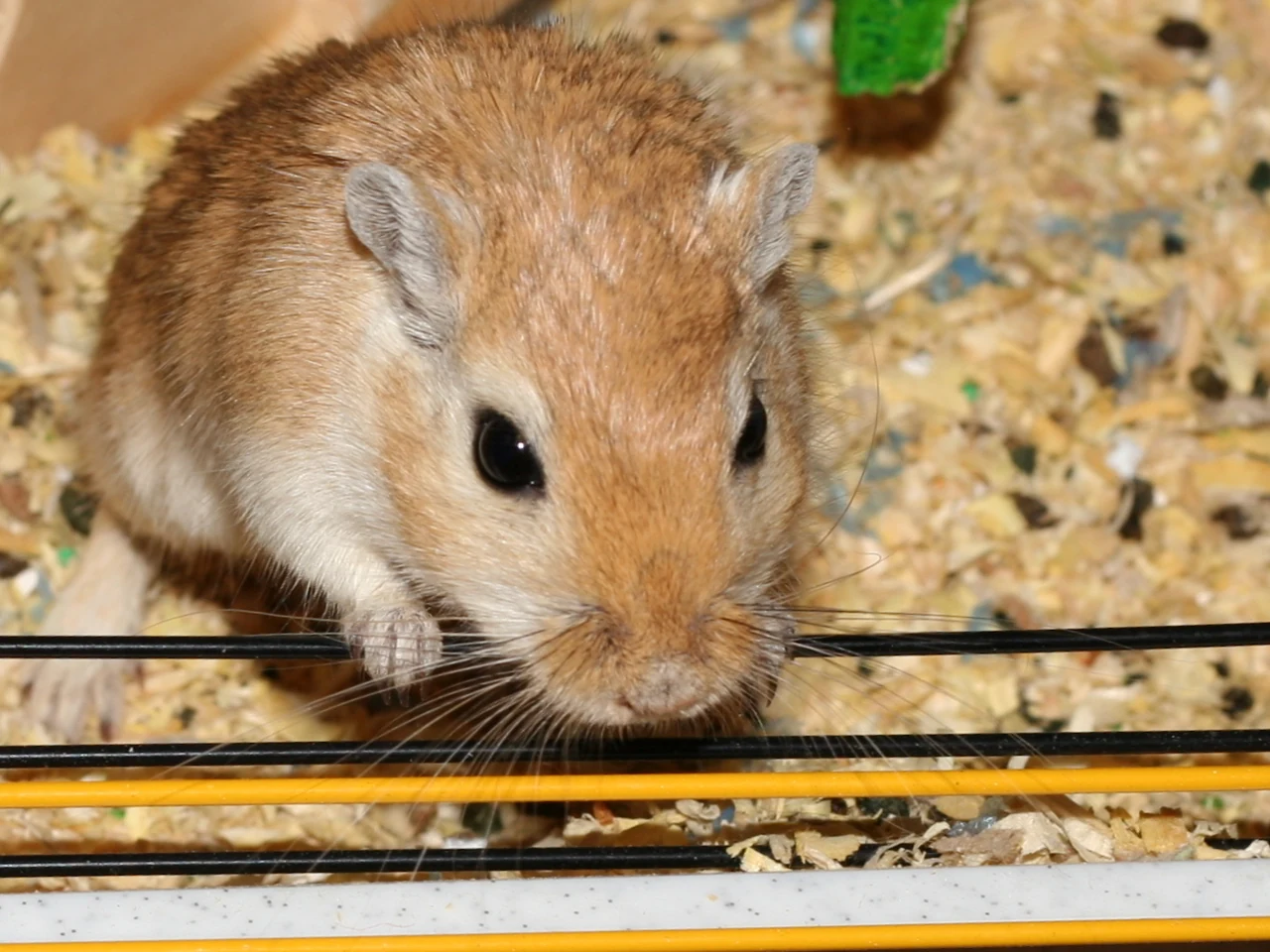
Mongolian gerbils
Gerbils tunnel in deep bedding and live with a familiar companion.
This option calls for substantial practical preparation and advice before animals arrive.
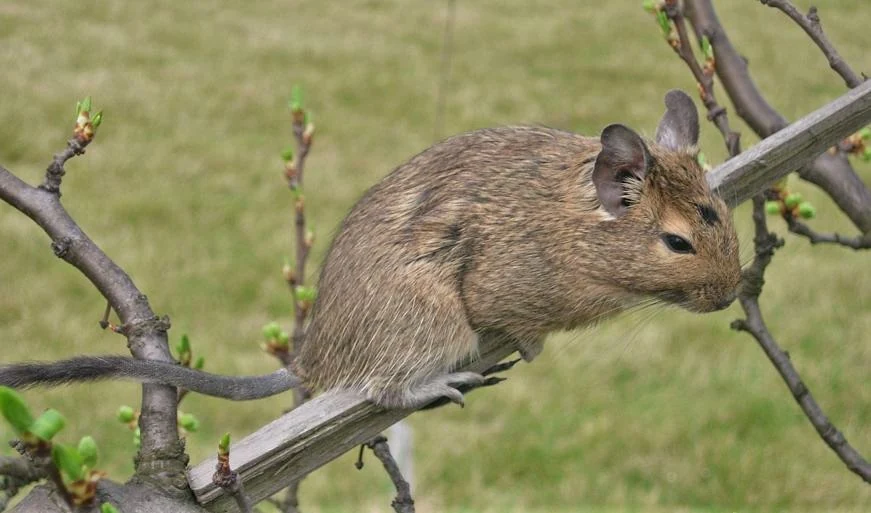
Photo: Octodon Degus fr.jpg · Jacek555 · CC BY-SA 4.0. Resized proportionally and converted to WebP. The layout may crop the image.
None of the species covered here meets all your selected conditions. The notes explain why, and the guides help you explore different arrangements for space, companionship and care.
Choose an animal group above to narrow the results further.
The profiles explain how these animals live and what they need each day. When choosing an individual animal, it also helps to speak with people who know its behaviour and history.
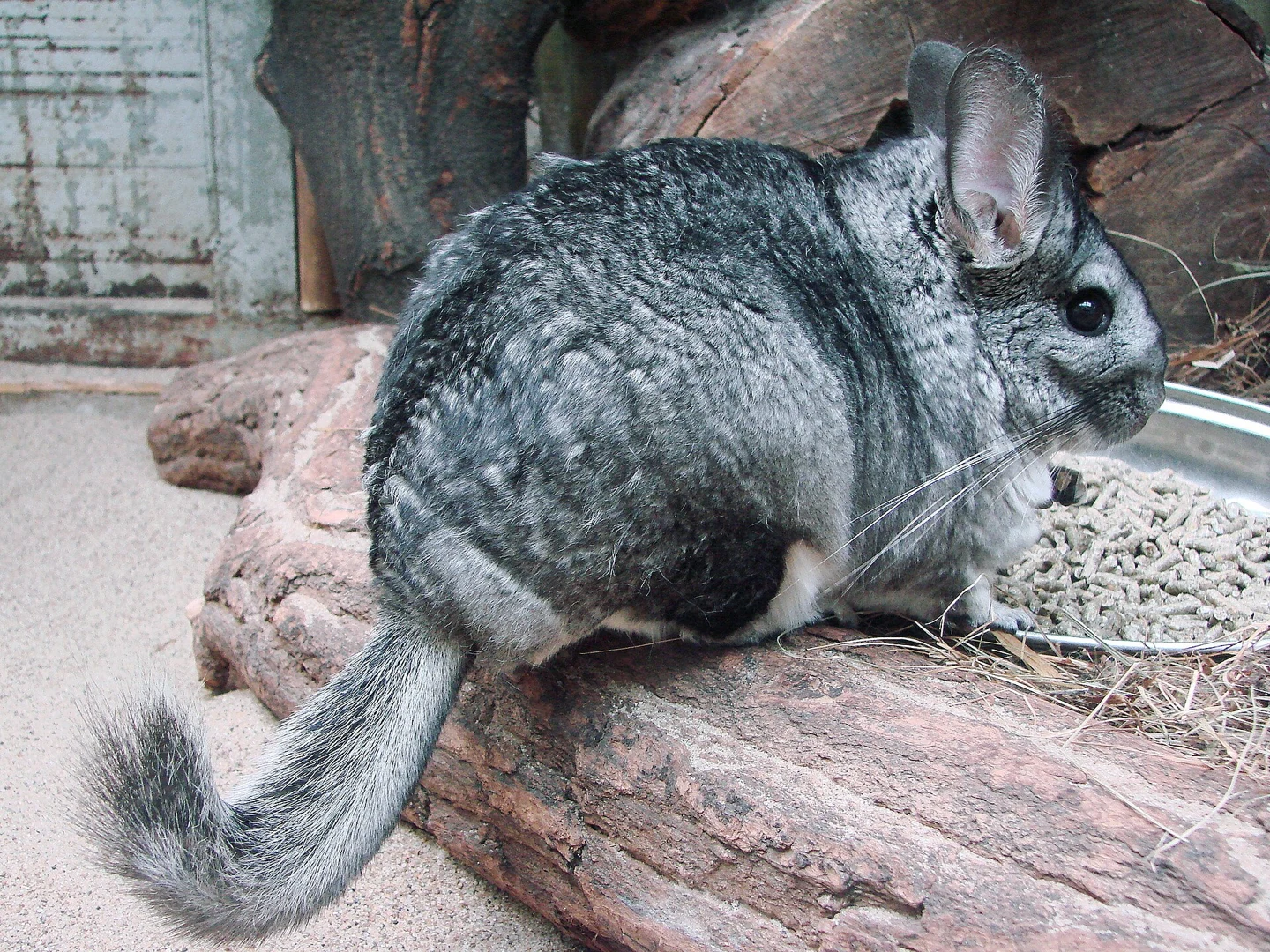
Daily care and cover for holidays or illness should be arranged before animals arrive. An adult should take responsibility for these plans.You are still deciding how much space is available. The guides explain the permanent space and equipment each species needs, so you can assess what will work in your home.The species covered here need a permanent enclosure, a dedicated exercise area or a suitable aquarium. Their profiles explain the space involved.The profiles explain the space each species needs. Compare the enclosure, exercise area or aquarium described there with the space available in your home.Plan the habitat firstWhat limits this choice nowThe available space rules out some of these species.Some species need more daily care time.Many species need compatible companions of their own kind.Aquariums and terrariums need prepared, monitored equipment.The interaction you want differs from how some of these species are best approached.Some species are most active when you are not available.Chinchillas need a cool room even in summer.
Your answers stay in this tab. The finder does not store or send them.
Read the guide
The small-pet guide explains differences in housing, daily rhythm and interaction. It also explains why rabbits are not rodents.
 fellfolio


.jpg)


-2.JPG)
