fellfolio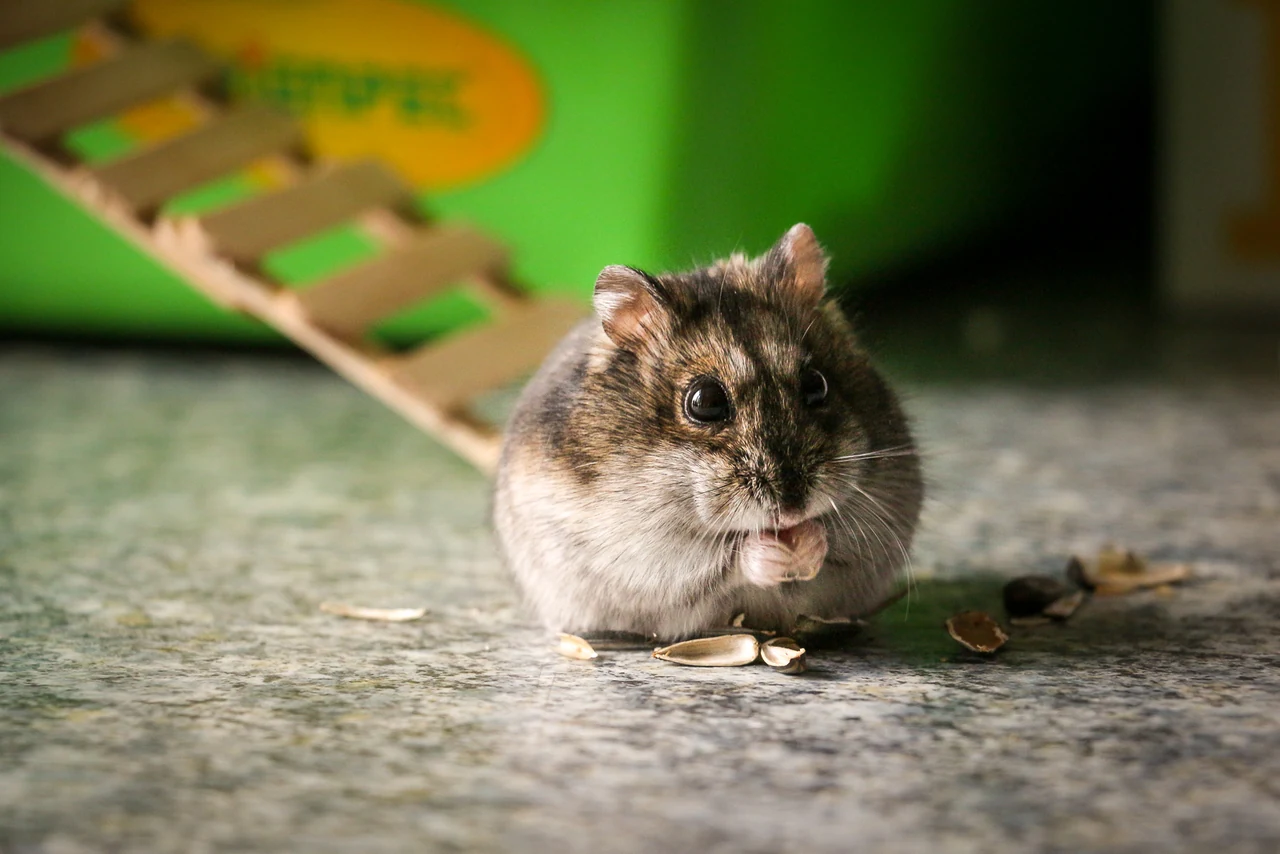
Understanding the species name and ancestry
The Mammal Diversity Database currently lists the species as Cricetiscus sungorus. Many care guides and older studies still use Phodopus sungorus. The change concerns its scientific genus, the grouping of related species, and refers here to the same species. Its natural range lies in eastern Kazakhstan and southwestern Siberia.
Winter whites and Campbell's dwarf hamsters are different species, but they can be crossed. The offspring are also called hybrids. Woodgreen notes that pets in the trade often have this mixed ancestry. Before bringing one home, it is worth asking about its origin and known parents. Breeding records can help make sense of the available information about its ancestry.
What a winter coat tells you
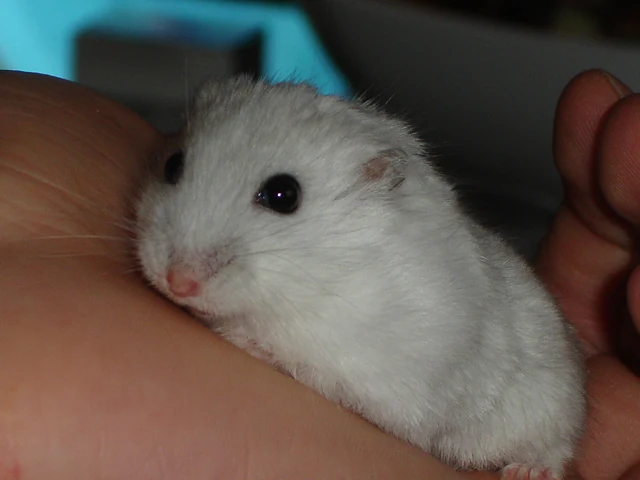
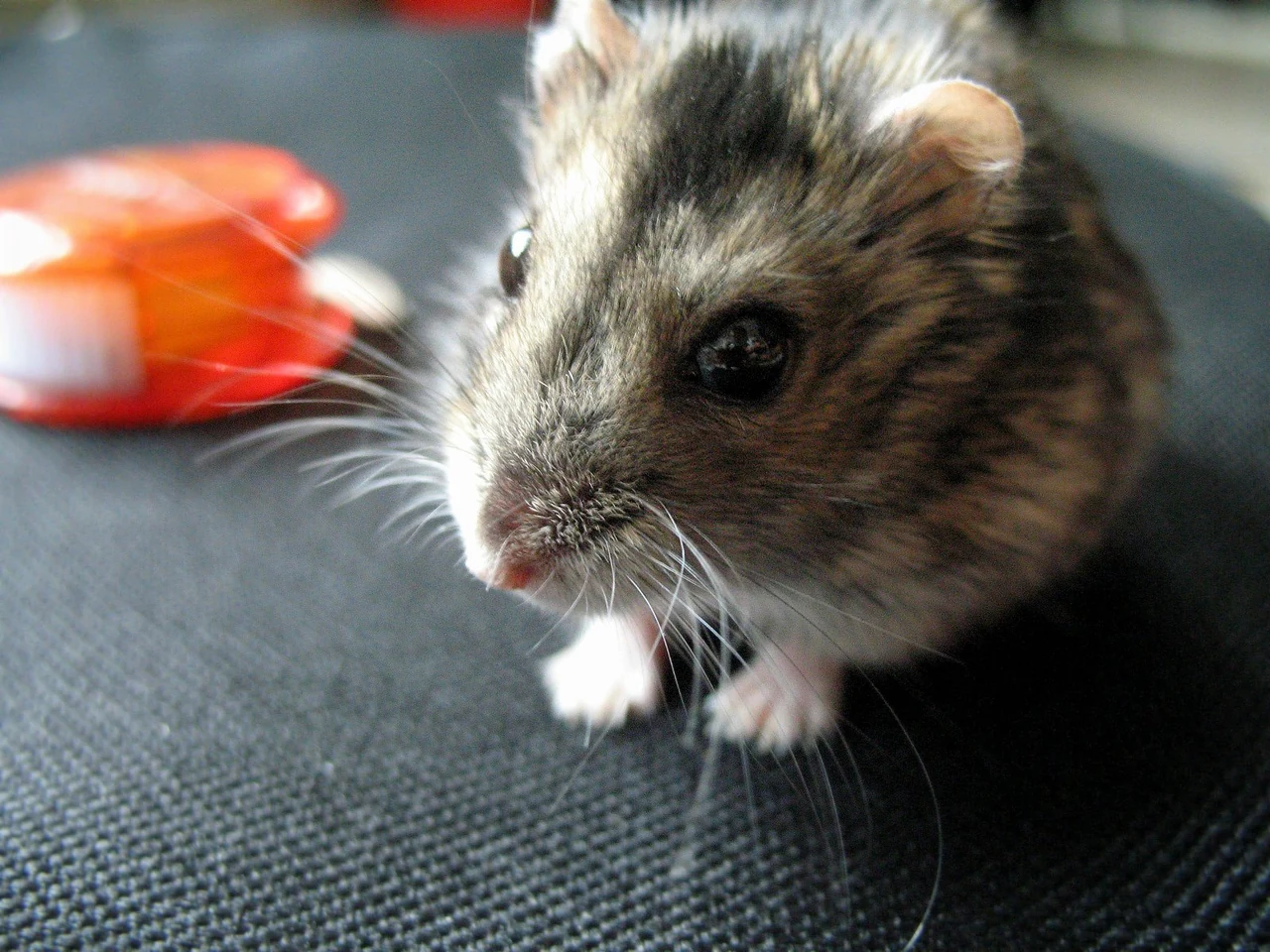
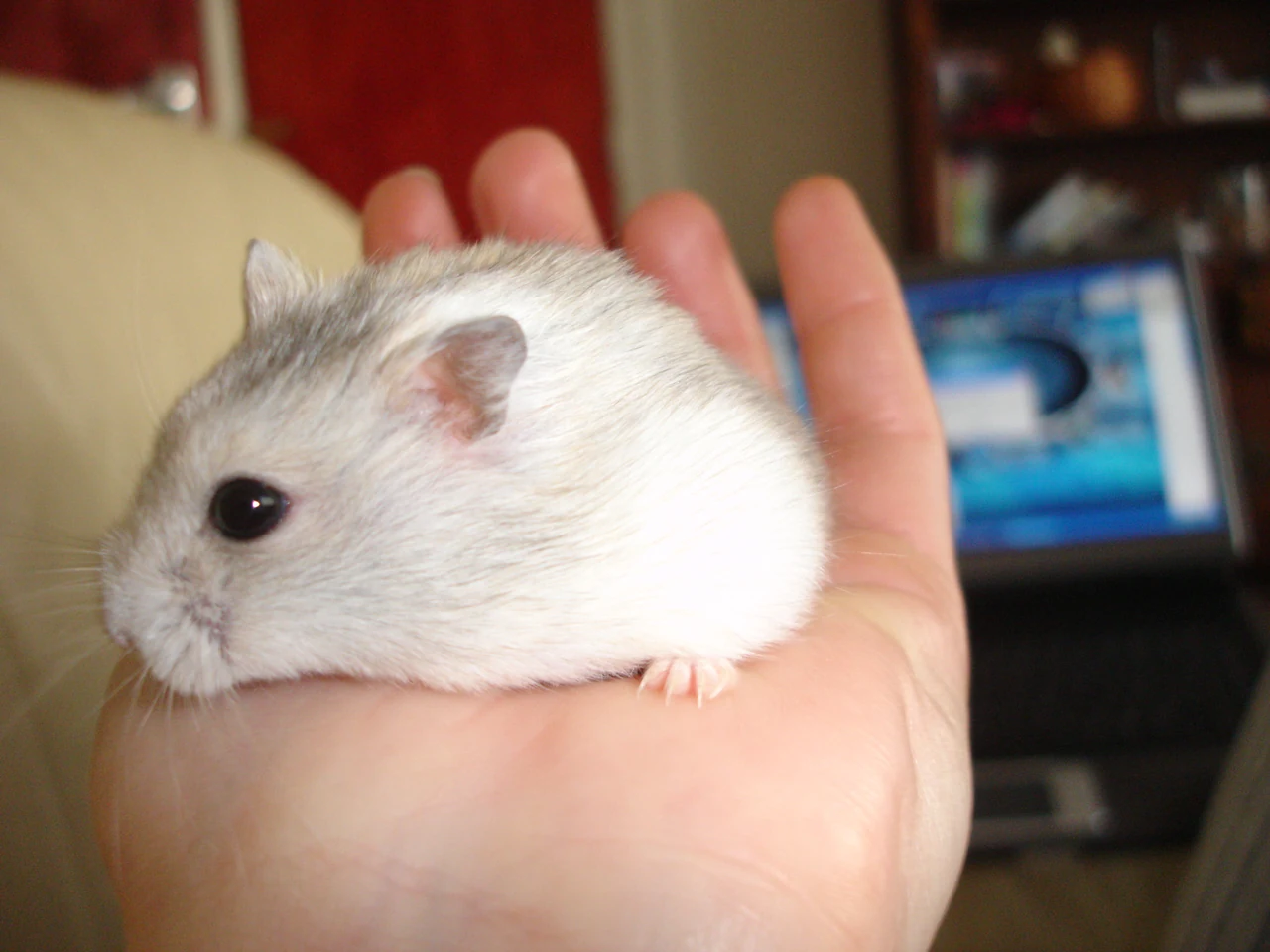
Day length gives the hamster cues about the changing seasons. As the days become shorter, a paler winter coat may develop. This moult is part of its biological yearly rhythm. How noticeably the coat changes can differ from one animal to another.
At home, a predictable day and night routine should be maintained. Deliberately shortening the light period or cooling the room to produce white fur is not part of normal care. Bare patches, damaged skin or persistent scratching should be assessed by a vet rather than assumed to be an ordinary colour change.
Why we recommend an enclosure of its own
For pet care, we recommend keeping this hamster alone in a varied enclosure. The German veterinary welfare association Tierärztliche Vereinigung für Tierschutz (TVT) and Woodgreen advise this because living together can lead to fighting and injuries. Time with people should follow the hamster's waking periods, without forcing it out of a hiding place.
The RSPCA also describes possible small groups of Winter whites that grew up together from an early age, while stressing that they do not need companions. Adding a second hamster later is therefore not a good solution for an animal living alone. If conflicts develop, the hamsters should have separate enclosures. After fighting, separation needs to be permanent, without reintroducing them.
Planning floor space and deep bedding
The TVT recommends a floor area of at least 100 by 50 centimetres and a height of 50 centimetres. An unbroken floor area should accommodate digging space as well as a wheel, sand bath and hiding places. Extra high levels do not replace that area.
Bedding should be low in dust and able to support the hamster's tunnels. The TVT summary specifies a depth of at least 25 centimetres. Deep bedding provides room to dig and make underground routes to the nest and food stores. Soft paper strips are one option for nesting material. Fluffy hamster bedding is unsuitable because fine strands can become wrapped around parts of the body.
The enclosure should stand somewhere quiet and well ventilated, away from draughts and direct sunlight. The TVT recommends an ambient temperature of 18 to 24 degrees Celsius. A sleeping hamster should not be woken for interaction. It also needs a suitable place indoors during winter. Although the species comes from a cold region, it should not be kept outdoors or in a room that is too cold.
Furnishing a home for digging, running and hiding
Several dark shelters provide different places to retreat. Connecting tunnels and low sheltered routes can be arranged so that the hamster does not have to cross an open space whenever it moves between areas. Entrances should be wide enough for it to pass with full cheek pouches. These are the pockets it uses to carry food to its stores.
Heavy houses, sand containers and other furnishings should have firm supports before deep bedding is added. The support is intended to keep an object from sinking when the hamster digs underneath it and injuring the animal. Loose parts and potential falls should also be checked regularly after the enclosure has been set up.
For an exercise wheel, the TVT specifies a diameter of at least 25 centimetres. A solid running surface and enough space for a straight back are also essential. A sand bath with suitable fine, rounded grains supports normal grooming. A water bath is not routine care. Worn or sharp parts of the enclosure should be replaced.
Encouraging food searches and checking stores
Hamsters eat plant foods and animal protein. Balanced hamster food should form the basis of the diet, with small suitable portions of fresh food. Some of the planned daily food allowance can be scattered around the enclosure for the hamster to find. This comes from its normal ration rather than being an extra meal.
Storing food is part of its behaviour. Spoiled fresh food should be removed, while clean, dry stores do not need to disappear at every check. Fresh drinking water must always be accessible. A shallow water bowl should stand on a firm raised surface and be cleaned daily. If a bottle is used, its outlet should be checked daily to make sure water flows. Food changes should be gradual. Reduced eating, unusual droppings or a marked change in drinking are reasons to contact the vet.
Building contact without pressure
When the hamster is awake, a hand offered quietly can give it a chance to sniff. If it retreats, it should be able to return to its hiding place in peace. A familiar small tube that it enters voluntarily can help with necessary moves. This allows contact to develop gradually, without chasing the animal or removing it from its sleeping place.
When lifting is necessary, both hands should support the body from underneath. The hamster should be held low over a safe surface, as it may suddenly jump. Children need an adult's immediate help and supervision. Watching together or gently offering contact inside the enclosure may suit both the child and the hamster better than prolonged carrying.
Learning its habits and taking changes seriously
Daily care should include checking water, food and the hamster itself. Knowing its usual waking periods, movements and food stores makes changes easier to notice. Cleaning involves removing wet patches and perishable leftovers. During a larger clean, some familiar unsoiled bedding should be kept rather than removing every familiar scent at once.
Regular weight records help show a trend. An unexpected loss or a change in eating, movement or grooming should be discussed with a vet experienced with hamsters. Breathing difficulties, severe diarrhoea or pronounced weakness need prompt help. Small pets can become seriously ill quickly. Medicines should only be given under veterinary instructions.
The hamster also needs daily care when you travel. Its carer should check food and water and observe the hamster. Written notes about its usual waking periods, water supply and the veterinary practice to contact make care in its familiar enclosure easier.
Planning a home around the hamster's needs
The furnished enclosure should be ready before the hamster arrives. Planning also includes a transport carrier, ongoing bedding and food costs, and money set aside for veterinary care. Information from its previous carer about food, habits, origin and known illnesses is useful.
Anyone still deciding which small pet fits their life should compare night-time activity and their expectations of physical contact in particular. Undisturbed sleep, a well furnished home and reliable care matter for this hamster. Its small body does not reduce the space or daily responsibility involved.
Read more: Hamster care: a home for digging and exploring · Which small pet suits your home? Six rodents compared
Common questions
Is every white dwarf hamster a Winter white?
No. Colour and a sales label are not enough to identify the species. Winter whites and Campbell's dwarf hamsters can be crossed. Origin and ancestry information help explain an animal's background.
Should I change the lighting to produce a winter coat?
No. The research explains a seasonal process but does not provide instructions for inducing it at home. A predictable daily routine and a suitably warm location should be maintained. A hamster that does not turn white still needs attentive daily care.
Does a hamster living alone need a partner?
For pet care, we recommend an enclosure of its own with varied opportunities to explore. Although the RSPCA describes possible groups raised together from an early age, it does not consider company necessary. Adding another animal later can lead to conflict. Fighting requires permanent separation.
A closer look
Sources and photo credit
- Cricetiscus sungorus: Dzungarian Dwarf HamsterAmerican Society of Mammalogists, Mammal Diversity DatabaseUnderstanding the species name and ancestry
- Seasonal pelage changes are synchronized by simulated natural photoperiods in Siberian hamsters (Phodopus sungorus)Matthew P. Butler und Irving Zucker, Journal of Experimental Zoology A, 2009What a winter coat tells you
- Zwerghamster: Merkblatt 162, vollständig überarbeitet April 2025Tierärztliche Vereinigung für TierschutzUnderstanding the species name and ancestry · Why we recommend an enclosure of its own · Planning floor space and deep bedding · Furnishing a home for digging, running and hiding · Encouraging food searches and checking stores · Building contact without pressure · Learning its habits and taking changes seriously
- Hamster care guide, 2025Woodgreen Pets CharityUnderstanding the species name and ancestry · Why we recommend an enclosure of its own · Furnishing a home for digging, running and hiding · Building contact without pressure · Planning a home around the hamster's needs
- Keeping hamsters togetherRSPCAWhy we recommend an enclosure of its own
- Creating a good home for hamstersRSPCAWhat a winter coat tells you · Planning floor space and deep bedding · Learning its habits and taking changes seriously
- What to feed a pet hamsterRSPCAEncouraging food searches and checking stores · Learning its habits and taking changes seriously
- Hamster health and welfare tipsRSPCAFurnishing a home for digging, running and hiding · Learning its habits and taking changes seriously · Planning a home around the hamster's needs
- Hamsters as petsPDSA, veröffentlicht Dezember 2024What a winter coat tells you · Planning floor space and deep bedding · Building contact without pressure · Planning a home around the hamster's needs
Photo credits
Photo: Djungarian hamster eating sunflower seeds · Anton Vakulenko · CC BY-SA 2.0. Image format adapted.
Photo: Zuzia - pure white goddess... · cdrussorusso · CC BY 2.0. Image format adapted.
Photo: Dwarf Winter White Russian Hamster · Qingning Jia · CC BY-SA 2.0. Image format adapted.
Photo: Dwarf Russian Hamster Winter White · cdrussorusso · CC BY 2.0. Image format adapted.