fellfolio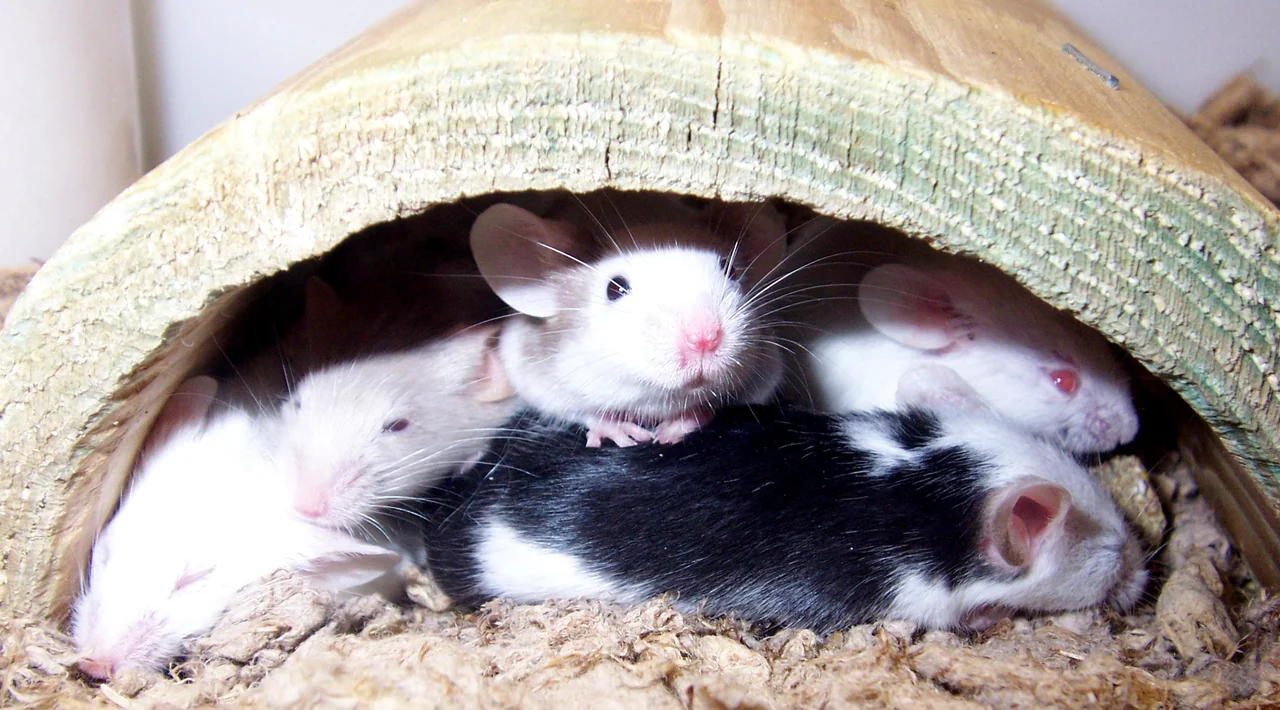
Getting to know fancy mice
Fancy mice are the domesticated form of the house mouse, Mus musculus. Domestication means that people have kept and bred these animals over many generations. Different coat colours and markings have developed along the way, but they are all varieties of the same species.
Mice are especially active around dusk and during the night, when you can watch them explore and search for food. They need undisturbed places to sleep during the day. A wild house mouse should not be added to a pet mouse group.
Choosing mice that can live together
An established, compatible group from a rescue is a good place to start. Suitable groups include females together or females with a neutered male. The German Animal Welfare Federation recommends four or more mice. Unneutered males should not simply be housed together, as serious fights can develop.
The sexes should be confirmed before the mice come home to avoid an unexpected litter. Neutering is an operation that stops a male from breeding, although he can remain fertile for a while afterwards. The vet who performs the operation should tell you when it is safe for him to join females.
Unfamiliar females also need careful introductions before sharing an enclosure. An experienced mouse rescue can help with this, including when a mouse has been left alone after a companion dies. Within an established group, check that every mouse can reach food, water and sleeping places. Repeated chasing or driving one mouse away is a reason to seek experienced help before an injury occurs.
How much space do fancy mice need?
Mice use the floor for running and digging, then climb branches and low shelves to explore above it. This calls for a spacious enclosure. The German Animal Welfare Federation recommends a floor area of 100 by 50 centimetres for two mice, with 20 per cent more space for each additional mouse. A group of four therefore needs considerably more floor space. Shelves provide extra climbing opportunities, but they cannot replace a continuous area for digging.
Choose a quiet position with good ventilation, away from direct sunlight and draughts. Mice can squeeze through very small openings, so the federation recommends bar gaps no wider than five millimetres. Doors, lids and joins should also fit securely. Cats and dogs should not be able to reach the enclosure or an area where the mice are exploring outside it.
A deep layer of low dust bedding, such as a paper based material, gives mice room to dig. Around 20 centimetres of depth allows them to burrow. Soft, torn paper can be carried into their nests. Cotton wool and similar fluffy nesting materials should be avoided because fibres can wind around legs or tails.
Hiding places, climbing routes and things to do
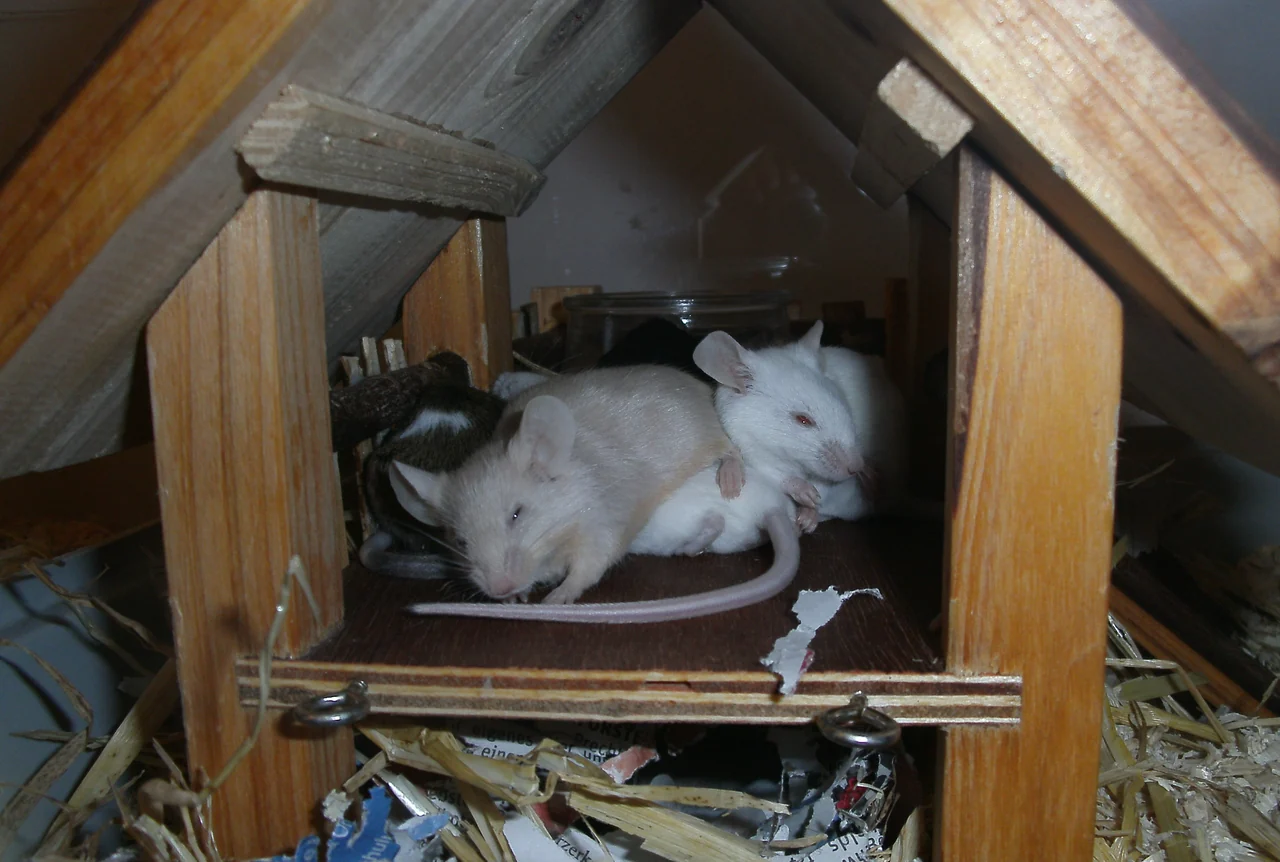
Several houses and tunnels give mice a choice of places to retreat. Hides should have at least two roomy exits so that one mouse cannot trap another inside. Secure branches, bridges and low platforms make the enclosure more interesting. Arrange them so that a mouse cannot fall a long way onto the floor.
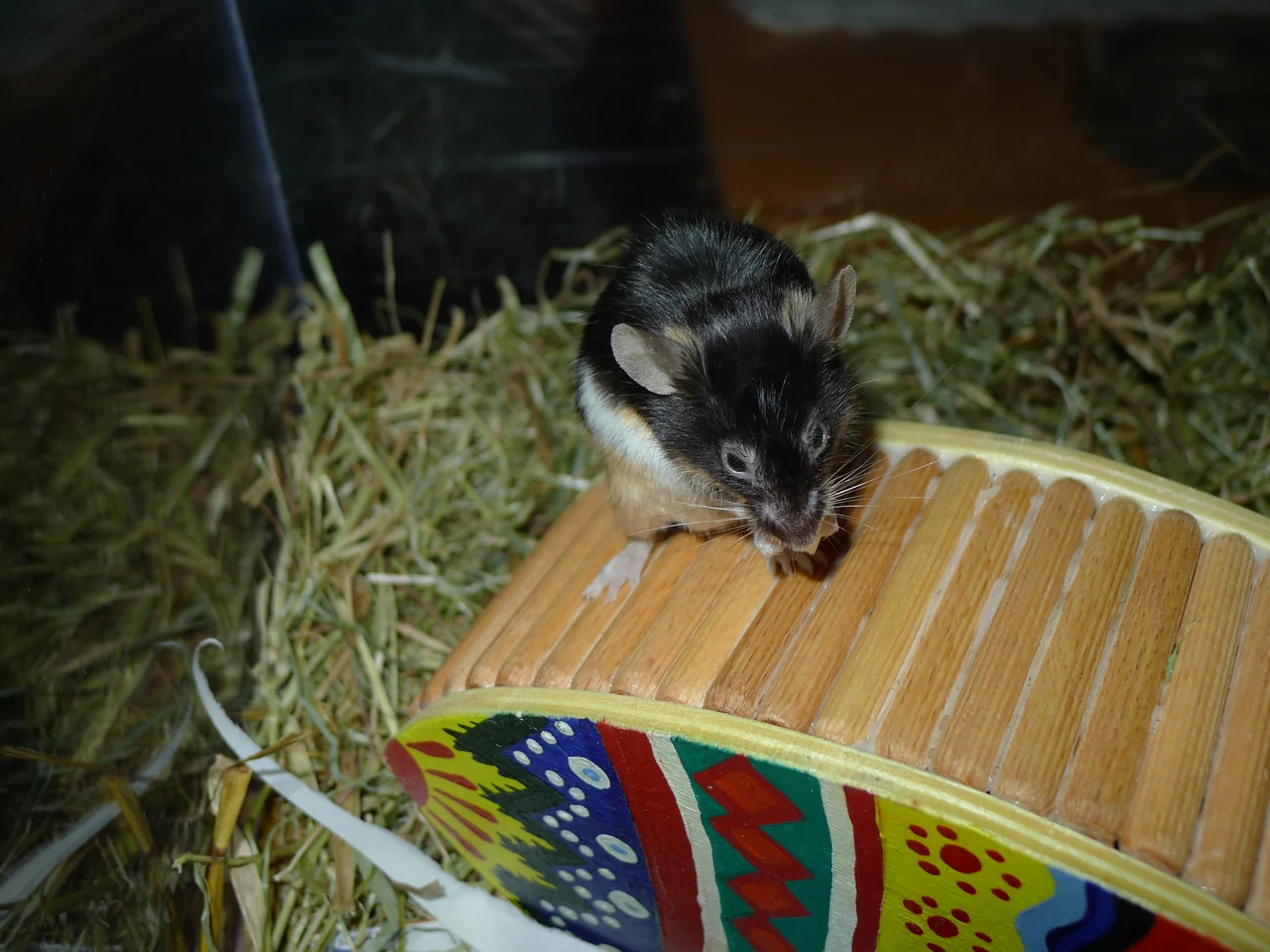
Heavy houses and other solid objects should stand on the enclosure base or on sturdy supports. If they sit only on bedding, they can shift or sink when a mouse digs underneath. A running wheel needs a solid surface and enough diameter for the mouse to run with a straight back. The federation recommends 25 to 30 centimetres.
Simple materials can keep mice busy too. A little of their usual dry food inside an open cardboard tube encourages searching. Unprinted paper strips provide material for nesting. Watching what your mice use can help you decide which new items to add.
Give mice opportunities to search for food
A balanced food suitable for mice should form the basis of their diet. The RSPCA recommends a complete pellet food. These small compressed pieces contain the nutrients mice need in a balanced mixture. Small amounts of fresh vegetables, such as broccoli, can add variety and should be included in the overall allowance. Introduce new foods gradually.
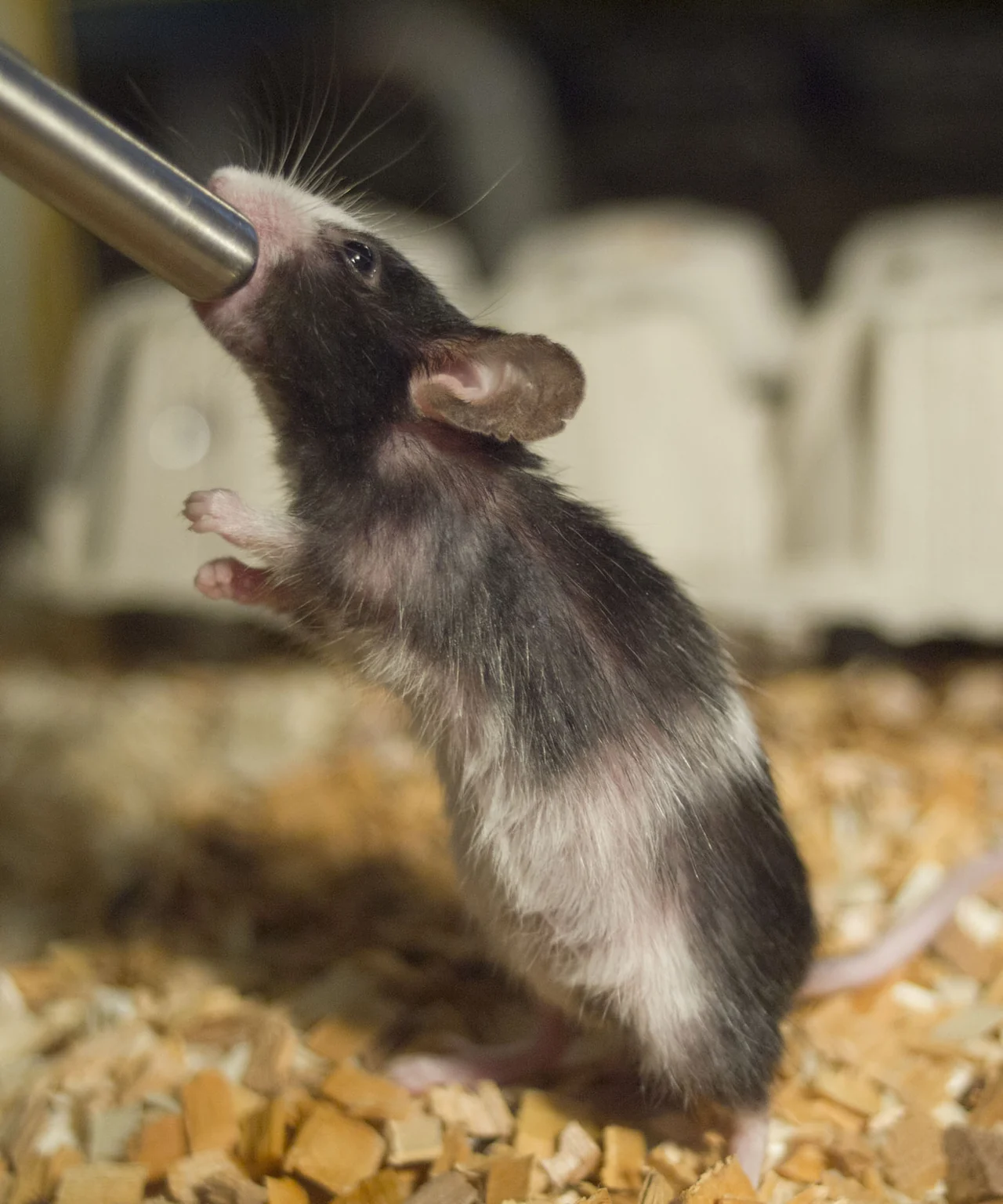
Searching for food occupies much of a mouse’s time. Scattering some of the daily allowance in several accessible places lets pet mice forage too, without adding extra food. Fresh water should always be available and changed daily. If you use a bottle, check that water comes through the spout and that the bottle is not leaking.
Helping mice become comfortable around you
A hand resting quietly inside the enclosure gives mice something new to sniff. Some will approach quite soon, while others prefer to stay in their hiding place. Give them time and respect that choice. Speaking softly nearby and avoiding sudden movements can help, especially while they are getting used to you.
A familiar tunnel can help when a mouse needs to be moved for cleaning or a vet visit. Once the mouse has entered, lift the tunnel carefully and keep it close to a secure surface. The mouse can then walk into a carrier or onto your cupped hands with its body supported. Do not lift a mouse by the tail, as this can cause pain and injury.
Children can help with feeding and furnishings and learn to recognise each mouse. An adult should stay with them during handling. Mice move quickly and can easily jump out of someone’s hands.
Daily care with as little disturbance as possible
Feeding time is a useful opportunity to check every mouse. Is each one moving about as usual, eating and breathing comfortably? As you get to know their habits, changes become easier to spot. Wet bedding and uneaten fresh food should be removed daily. Bowls, bottles and the wheel also need regular cleaning.
How often you need to replace larger amounts of bedding depends on the group, the enclosure and how dirty it becomes. Some clean nesting material can be kept so that familiar scents remain after cleaning. Damp or heavily soiled material should be removed completely. A sharp smell can indicate a build-up of urine or poor ventilation.
More thorough cleaning is best done while the mice are already awake. They can stay in a secure carrier with familiar bedding until the furnishings are back in place and the enclosure is ready to close.
When a mouse needs veterinary help
A mouse that stops eating, hides much more than usual or sits with a hunched back should be examined promptly. Noisy breathing and a new lump also need veterinary attention. Breathing difficulty or an injury calls for urgent help. Find a practice experienced with mice before you bring the group home.
At the appointment, it helps to explain when you first noticed the change and whether the mouse is still eating and drinking. Weight records can be useful too. Medicines should only be given as prescribed by a vet for the affected mouse.
Before a trip, introduce the person caring for your mice to the whole group. Alongside feeding and cleaning, they should check each animal and make sure the water supply works. Leave contact details for the usual practice and an alternative so that help can be arranged quickly if a mouse becomes unwell.
Planning the cost of mouse care
The enclosure and its furnishings are often the largest initial expense. You will also need a carrier and an initial supply of food, bedding and nesting material. These supplies need replenishing, and chewed or damaged furnishings will eventually need replacing.
Veterinary examinations and treatment can cost considerably more than the mouse’s purchase or adoption fee. It is sensible to set money aside from the start. Ask your practice about an initial examination and check prices for the supplies you will buy regularly. You can use those figures in the cost planner to work out your monthly budget.
Are fancy mice a good fit for you?
Fancy mice may suit you if you enjoy watching animals in the evening and creating an interesting enclosure. You should also be comfortable with some mice remaining shy or disliking touch. In a family, adults need to be able to take responsibility for daily care and veterinary costs, even if the children are enthusiastic at first.
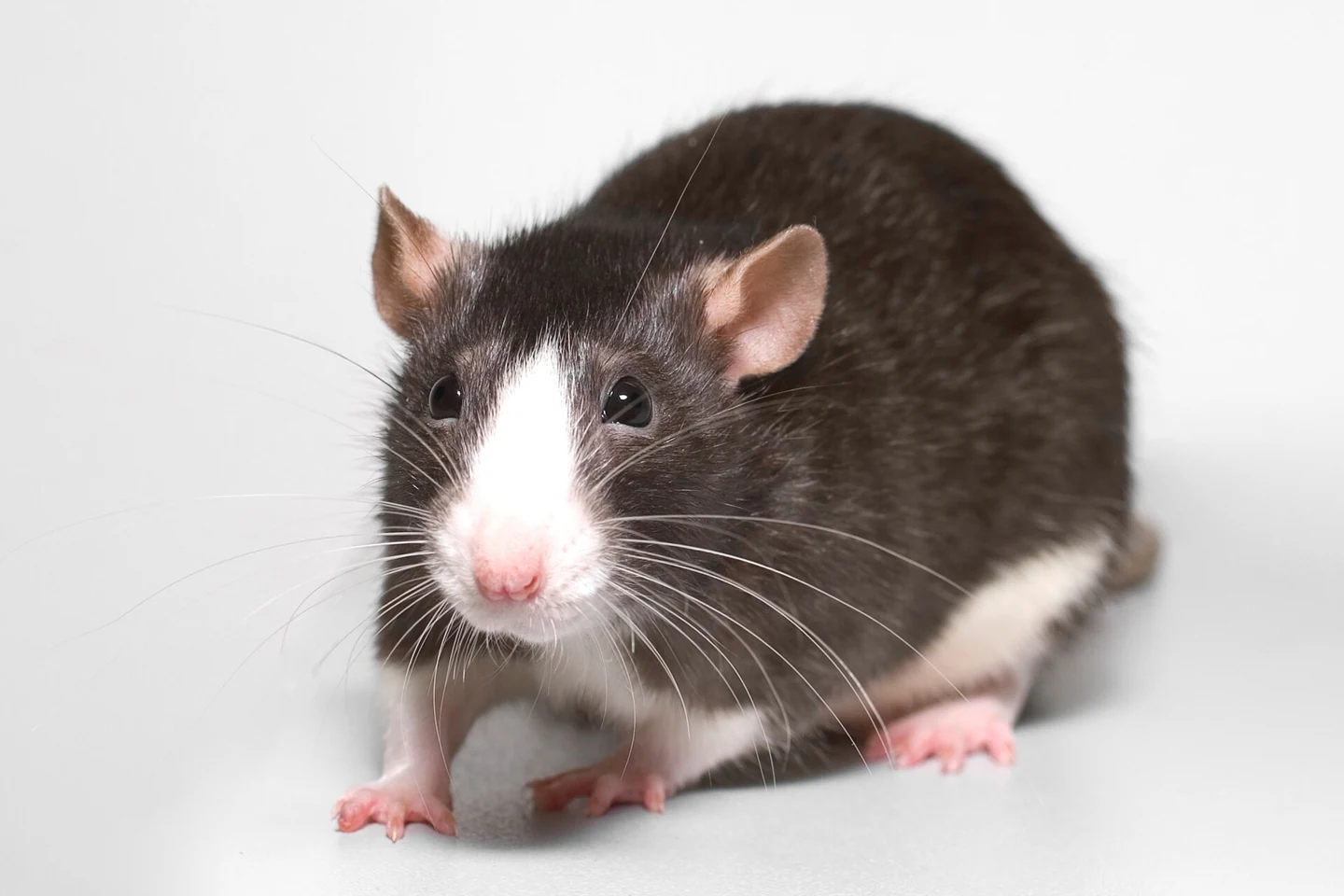
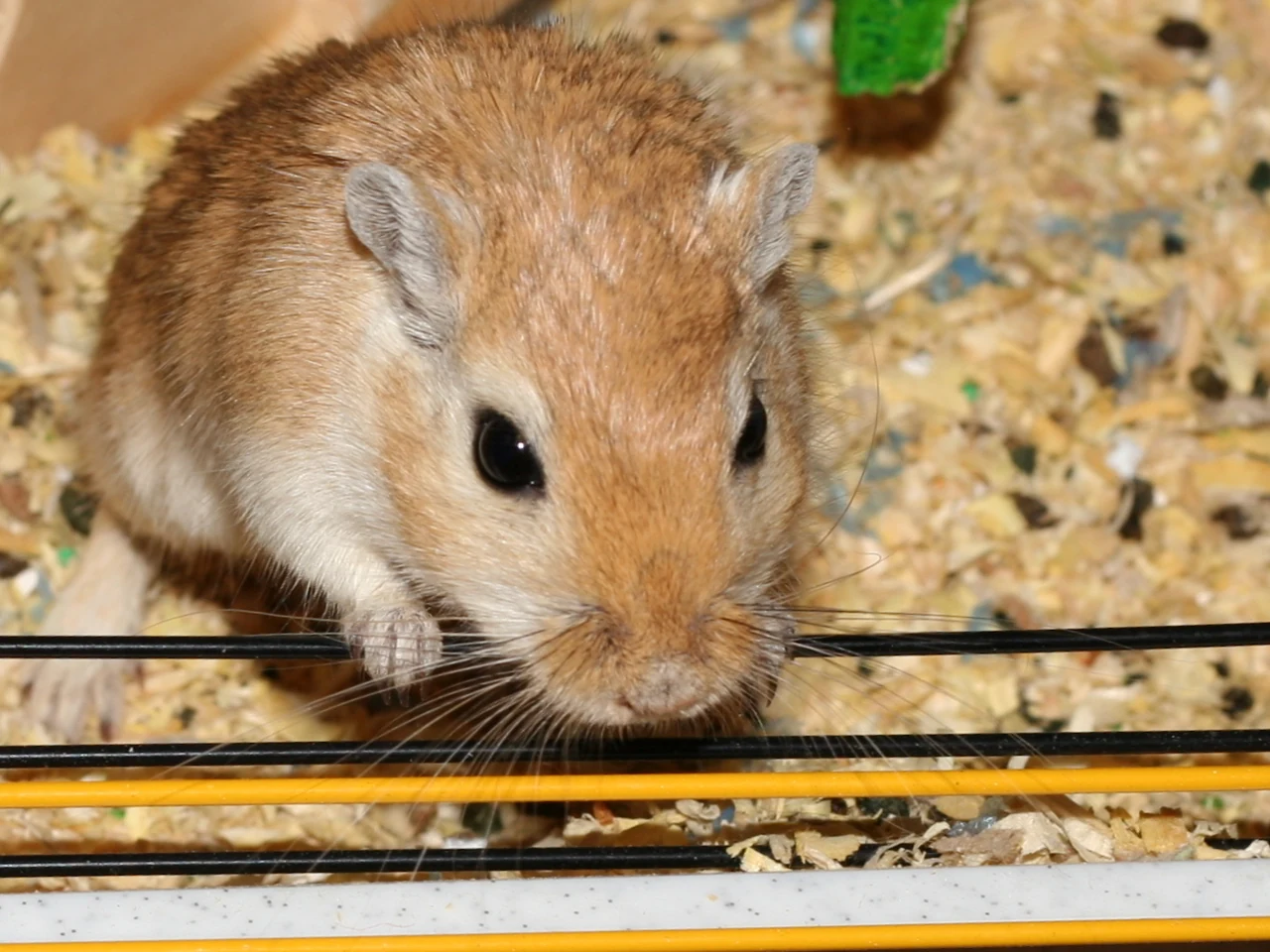
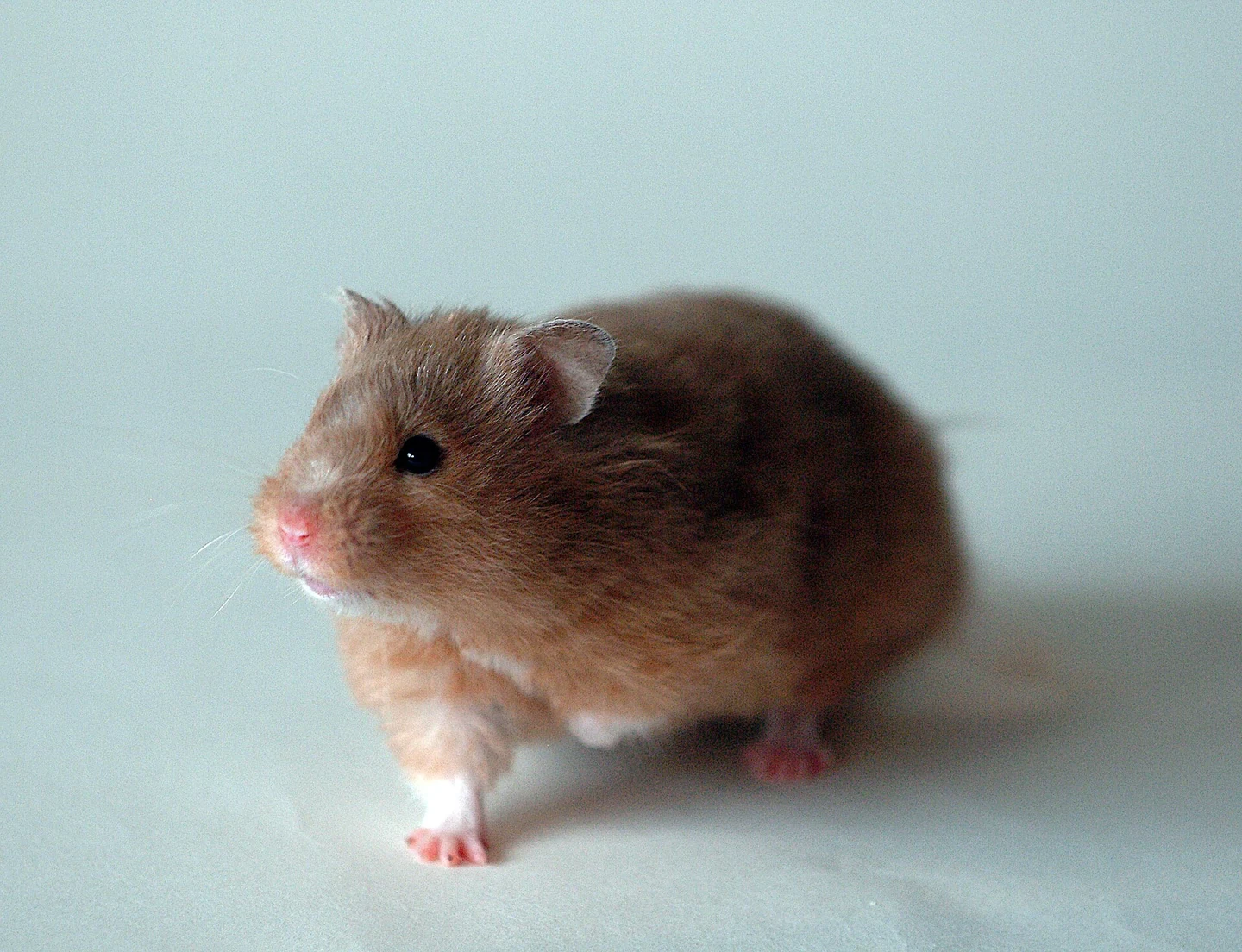
If you are still choosing between mice, gerbils and other small pets, compare when they are active and which companions they need. Our guide to choosing small pets explains these differences and can help you decide which type of care suits your everyday life.
Read more: Which small pet suits your home? Six rodents compared
Common questions
Will a lone mouse become tamer?
A mouse should not be kept alone to make it more attached to people. It can learn to trust you while living in a compatible group. Other mice remain important for sleeping together, grooming and social contact.
Can fancy mice live with hamsters or other rodents?
They should have separate enclosures. Different rodent species behave differently and can injure one another. Fancy mice need suitable companions of their own kind.
What should I do when only one mouse is left?
An experienced mouse rescue can help find suitable companions and guide introductions. An unfamiliar mouse should not simply be put into the enclosure. For an elderly or unwell mouse, discuss the next steps with the treating vet as well.
A closer look
Sources and photo credit
- Mus musculus: House MouseAmerican Society of Mammalogists, Mammal Diversity DatabaseGetting to know fancy mice
- Mäuse als HaustiereDeutscher TierschutzbundGetting to know fancy mice · Choosing mice that can live together · How much space do fancy mice need? · Hiding places, climbing routes and things to do · Helping mice become comfortable around you
- Keeping mice togetherRSPCAGetting to know fancy mice · Choosing mice that can live together · How much space do fancy mice need?
- Creating a good home for miceRSPCAHow much space do fancy mice need? · Hiding places, climbing routes and things to do · Daily care with as little disturbance as possible
- Understanding mouse behaviourRSPCAGetting to know fancy mice · Hiding places, climbing routes and things to do · Daily care with as little disturbance as possible · Are fancy mice a good fit for you?
- What to feed pet miceRSPCAGive mice opportunities to search for food
- Mouse health and welfare tipsRSPCADaily care with as little disturbance as possible · When a mouse needs veterinary help · Planning the cost of mouse care
- Caring for mice as petsWoodgreen Pets CharityChoosing mice that can live together · How much space do fancy mice need? · Hiding places, climbing routes and things to do · Give mice opportunities to search for food · Helping mice become comfortable around you · Daily care with as little disturbance as possible · Planning the cost of mouse care · Are fancy mice a good fit for you?
- Mouse handlingNC3RsHelping mice become comfortable around you · Are fancy mice a good fit for you?
Photo credits
Photo: Fancy mice.jpg · Polarqueen · CC BY-SA 3.0 Unported. Image format adapted.
Photo: Farbmaus.JPG · R2Dine · CC BY-SA 3.0 Unported. Image format adapted.
Photo: Farbmäuse.JPG · R2Dine · CC BY-SA 4.0. Image format adapted.
Photo: Pet mouse drinking.jpg · Tiia Monto · CC BY-SA 3.0 Unported. Image format adapted.