fellfolio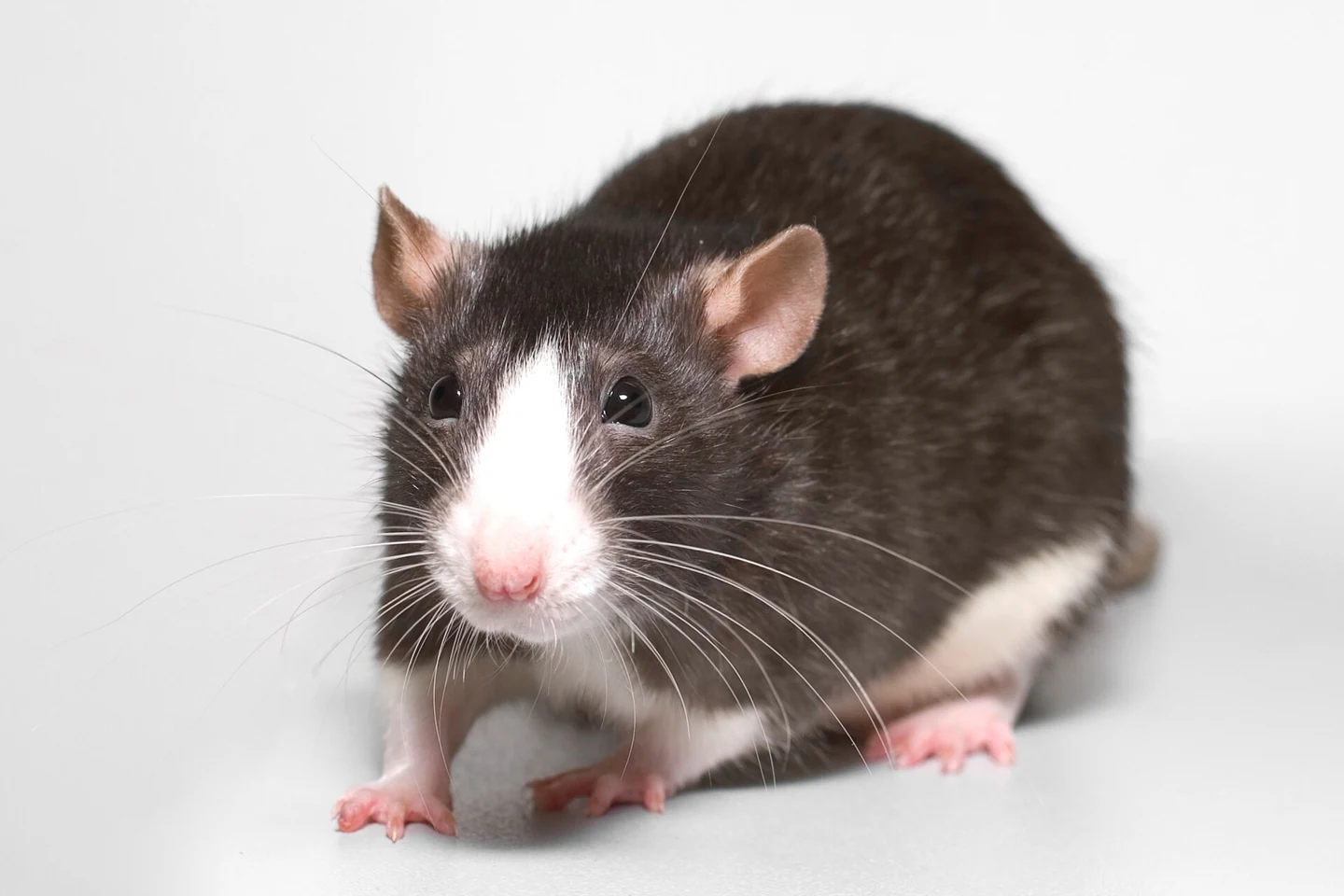
How the six species differ
The table highlights differences that help narrow the choice. Each species guide explains housing and group arrangements in more detail. For hamsters, identification matters: the comparison refers to Syrian hamsters. Dwarf hamsters need assessment according to their particular species.
Individuals also differ in confidence and curiosity. An established pair or group known to a rescue can be easier to assess than animals whose previous care and behaviour are unclear.
| Species | Company and daily rhythm | Main care considerations |
|---|---|---|
| Guinea pig | Compatible group, activity spread through the day | Substantial floor space, shelters, hay and suitable fresh food |
| Syrian hamster | Adults live alone; mainly evening and night activity | Large digging enclosure and undisturbed daytime sleep |
| Mongolian gerbil | Compatible companions; alternating rest and activity | Deep bedding, a stable group and safe chewing materials |
| Pet rat | Compatible group; often active morning and evening | Climbing space, daily exercise and regular interaction |
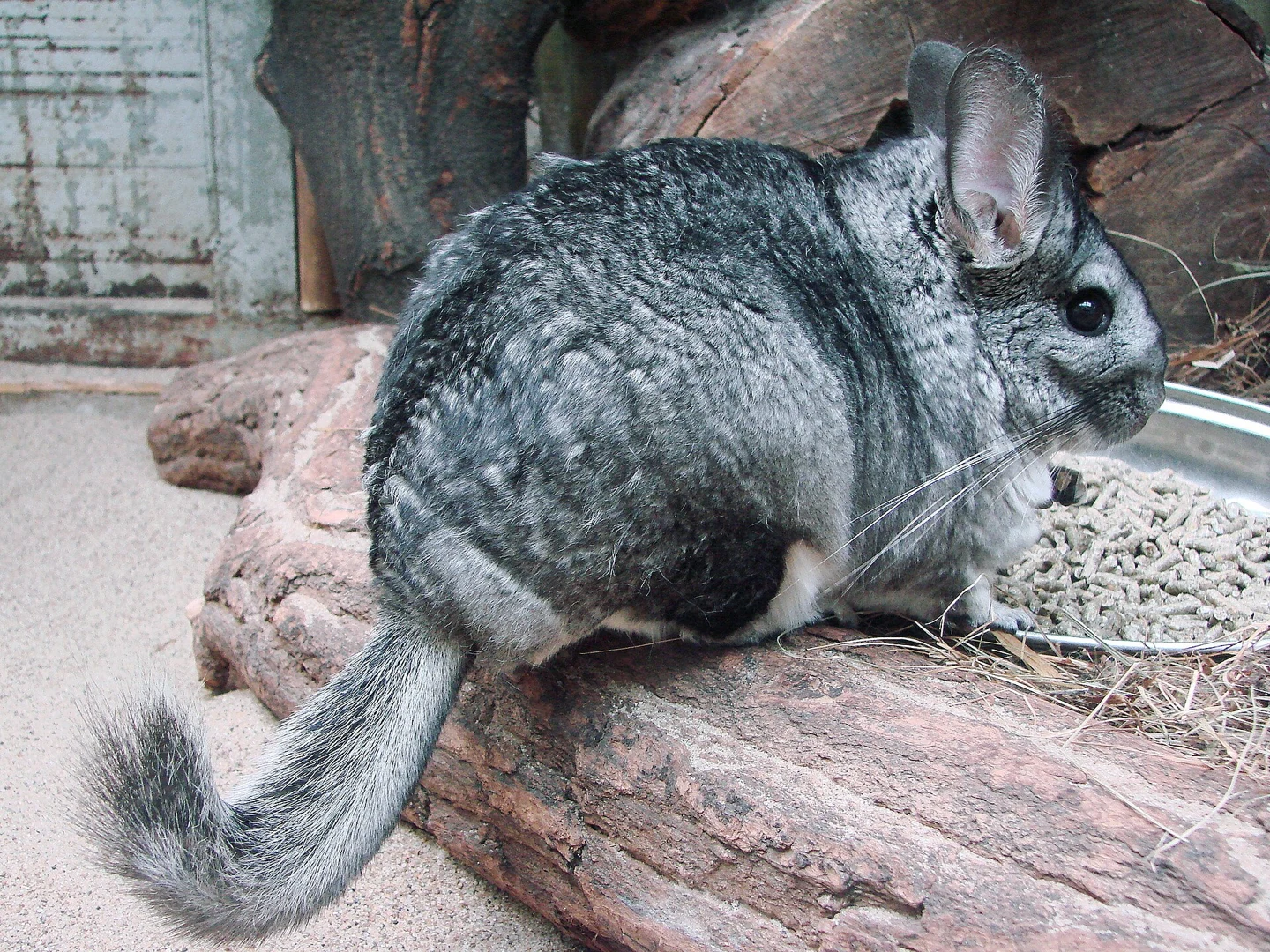
| Chinchilla | Compatible companions; mainly evening and night activity | Generous jumping space, a cool room and dust baths |
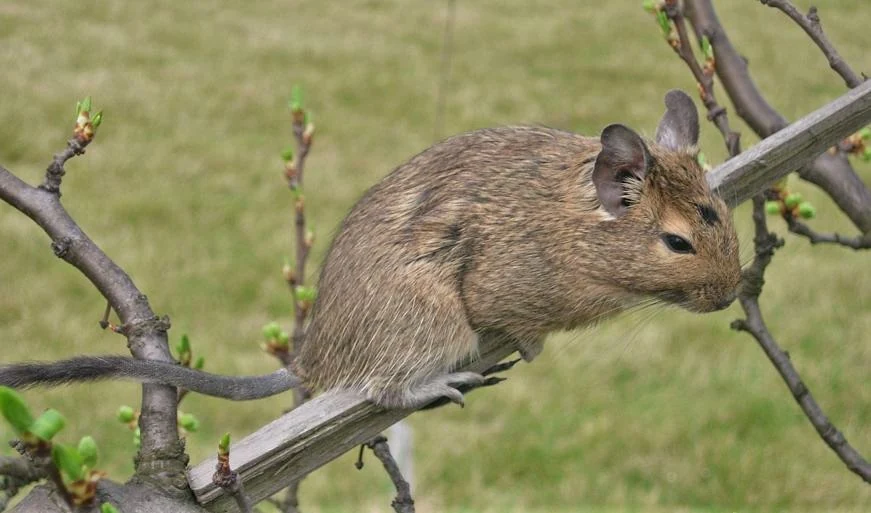
| Degu | Compatible group; much activity during daylight | Digging, climbing and consistently low-sugar feeding |
Deutscher Tierschutzbund · Deutscher Tierschutzbund · RSPCA · RSPCA · RSPCA · RSPCA
Match the space to the behaviour
Guinea pigs benefit from a large ground-level area with several shelters. Rats also use height, provided there are safe routes between levels. Hamsters and gerbils need enough bedding to construct burrows. A few tubes cannot fully compensate for a shallow enclosure.
Marking the proposed footprint on the floor with removable tape can make the commitment easier to picture. Access is still needed for cleaning, feeding and observing the animals. A carrier and supplies require storage too. It is worth allowing for these practical details before buying a home that only fits after useful furnishings have been removed.
Deutscher Tierschutzbund · Deutscher Tierschutzbund · RSPCA · PDSA
Find a daily routine that works
A Syrian hamster may become active after a child has gone to bed. Waking it earlier to make playtime possible conflicts with its natural rhythm. Degus offer more daytime activity, while chinchillas are more likely to be available to observe in the evening. Every species also has individual variation and rest periods that should be respected.
A realistic weekly plan includes care before work, an evening appointment and a weekend away. Who checks the animals in each situation? An automatic feeder cannot assess how each individual is doing. For species needing supervised exercise, preparation and clearing up need time alongside the activity itself.
Consider the relationship you hope to have
Many rats actively seek familiar people once trust develops. Guinea pigs may take food from a hand and comfortably go about group activities nearby. Gerbils, hamsters and chinchillas offer particular interest through foraging, construction and movement. Those tendencies cannot promise how an individual animal will respond to handling.
Children can help hide suitable food, replenish hay or record a weight while adults guide contact and recognise when an animal needs space. If carrying and cuddling are the central expectation, meeting animals at a rescue and discussing handling honestly can prevent a disappointing mismatch. That visit can also reveal whether the family enjoys quiet observation as much as direct interaction.
Look at costs and the source of the animals
A useful budget includes housing, furnishings, food, bedding, replacements, holiday care and veterinary funds. The initial enclosure can cost far more than the animals. Fellfolio’s cost planner can collect actual quotes and monthly amounts. Where a species has no dedicated preset, the figures should be replaced with real prices for the proposed setup.
Background information should cover age, sex, previous companions, food and known treatments. Good rescues and responsible breeders also explain when an animal is unsuitable for a household. Clean, appropriately furnished housing and time for questions without pressure to buy are useful signs. An established compatible pair should stay together even if the original plan was to acquire just one animal.
Why rabbits have their own section
Rabbits are often grouped with rodents under the everyday term small pets, but zoologically they are lagomorphs. Their practical needs also deserve separate attention: generous room to move and suitable rabbit companions are central to their care. A guinea pig cannot replace a rabbit companion, or the other way round.
Fellfolio therefore gives rabbits a dedicated section. If two species still appeal after this comparison, their care plans can be set side by side: permanent space, daily routine, companions and holiday cover. Comparing those arrangements usually makes it clearer which needs the household can meet consistently.
Common questions
Which small pet needs the least work?
The work differs: replacing bedding, preparing fresh food, supervising exercise or cleaning a large enclosure. A more useful question is which daily tasks the household can reliably accommodate.
Can a child take full responsibility?
An adult should retain responsibility for long-term care. Children can take on age-appropriate tasks while adults oversee health, feeding, housing and any treatment decisions.
Sources and photo credit
- Choosing the perfect small petPDSA
- Choosing the best pet for your familyRSPCA
- Overview of rabbitsMerck Veterinary Manual
- MeerschweinchenDeutscher Tierschutzbund
- GoldhamsterDeutscher Tierschutzbund
- Keeping gerbils togetherRSPCA
- Creating a good home for ratsRSPCA
- Caring for pet chinchillasRSPCA
- What to feed a pet deguRSPCA
Photo: Fancy rat blaze.jpg · AlexK100 · CC BY-SA 2.0. Resized proportionally and converted to WebP. The layout may crop the image.