 fellfolio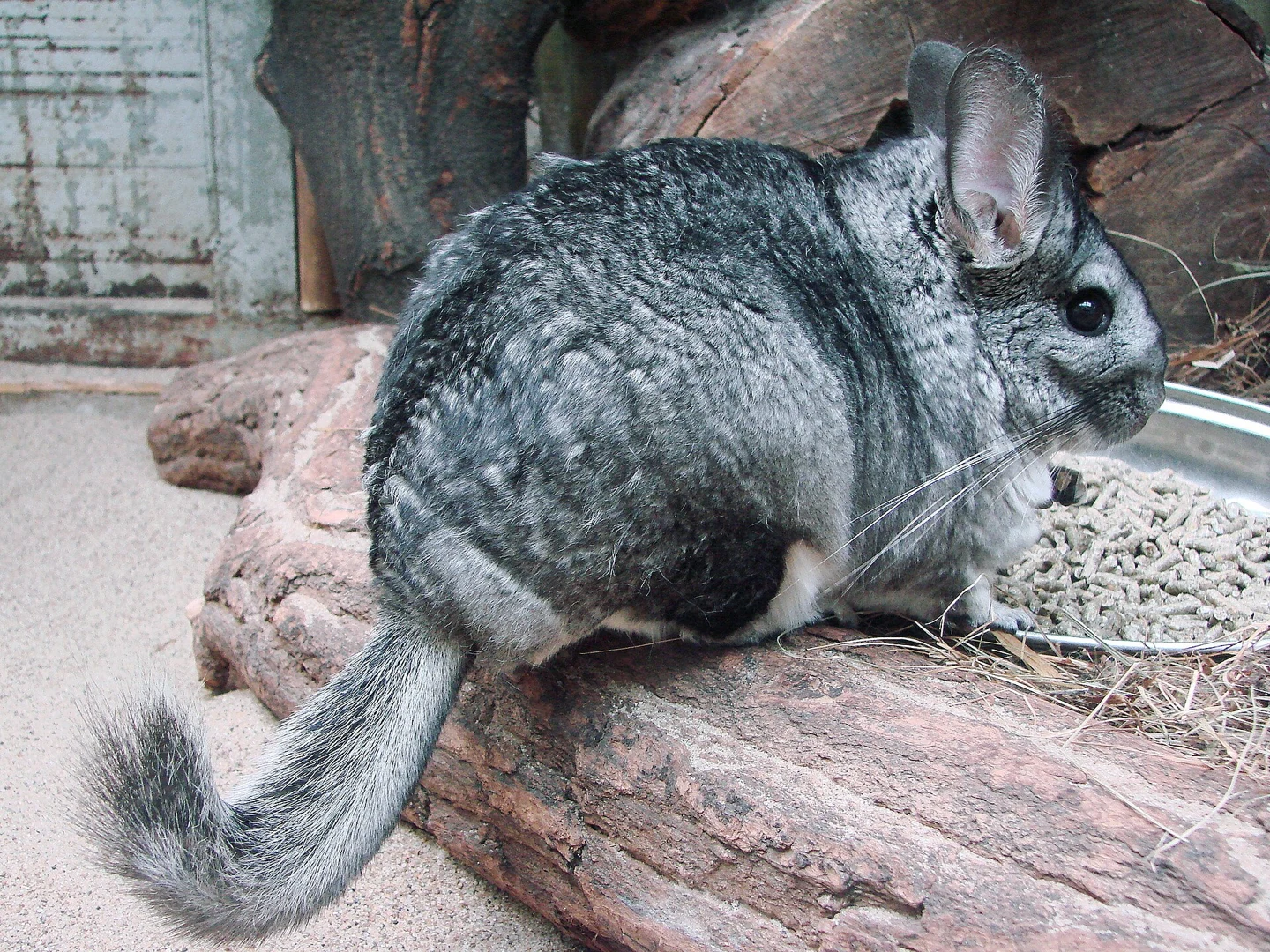
Does their daily rhythm fit your home?
Chinchillas need substantial undisturbed rest during the day. A busy child’s bedroom may interrupt that sleep, while a room where people sleep at night may make chewing and movement unwelcome. A quieter room with time available for evening feeding, observation and exercise is often a better fit.
Summer conditions deserve attention before adoption. A top-floor room that stays hot for several days poses a different problem from a naturally cool room downstairs. There should be a dependable way to maintain an appropriate environment. A cool tile offers a resting surface, but cannot compensate for persistently hot air throughout the room.
Choose a settled relationship
Chinchillas need compatible members of their own species. Adopting an established pair from a rescue can simplify the start: the animals already know each other, and their carers can explain their habits. Suitable same-sex companions, or carefully matched groups with a neutered male, prevent unplanned breeding. The vet’s waiting period after neutering still matters.
A newcomer should not simply be placed in the resident animal’s enclosure. Territorial conflict can cause injuries, so introductions need preparation and experienced guidance. Several retreats and feeding places allow companions to spend time apart. Even with a settled pair, it is useful to check that both can eat and sleep without being repeatedly displaced.
Provide room to jump and safe places to land
Zürcher Tierschutz recommends at least two square metres of floor space and a height of 150 centimetres for two chinchillas. These are starting dimensions for a generous layout. Broad shelves at different levels can create routes for jumping, arranged to prevent long unobstructed falls.
A spacious sleeping house, additional shelters and suitable chewing branches make the enclosure usable. Secure fixings matter because chinchillas launch and land with force. Plastic components and damaged coatings can become unsuitable once chewed. Newly introduced furnishings should be checked regularly rather than left until the next major clean.
The position should be dry, well ventilated and out of direct sun. The RSPCA recommends a cool environment of around 10 to 18 degrees Celsius. A thermometer in the animals’ living area shows how the temperature changes through the day. Dependable cooling should be ready before hot weather arrives.
Make hay the foundation
Good-quality hay should always be available. Its fibre and the chewing it requires are central to the diet. A small measured amount of suitable chinchilla pellets can complement it. Sugary snack sticks, dried fruit and a changing selection of treats do not support a consistent, fibre-rich feeding routine. Dietary changes should be gradual, with advice from an experienced veterinary practice where needed.
A straightforward feeding record helps other carers: which hay, which supplementary food, how much, and which foods are excluded. Fresh drinking water belongs in the daily routine. Checks should establish that each animal is eating and producing droppings normally. A full bowl reveals little if one chinchilla only searches through it without properly chewing.
Dust baths and exploration
Bathing in suitable chinchilla bathing dust or sand helps maintain the coat. The container should be large enough for rolling and stable under movement. Soiled material needs sifting or replacing. A water bath is not part of routine care; dense wet fur dries poorly and can contribute to skin problems.
A secured exercise space offers further activity. Cables, toxic plants and narrow gaps should be inaccessible, doors closed and other animals kept out. Stable low platforms provide more predictable routes than a wobbly shelving unit. A familiar carrier can make returning home easier without chasing the animals across the room.
Changes in eating deserve attention
Reduced appetite, fewer droppings, a wet chin or weight loss should be assessed promptly by a vet. Dental problems are one possible explanation for slow eating and cannot be reliably ruled out at home. Medicines intended for people or other animals should only be used under the treating vet’s direction.
Brief regular weight checks and notes about changes provide a history the practice can use. Heat accompanied by weakness or breathing difficulty requires urgent help. A holiday handover should cover temperature checks, veterinary contacts and safe transport as well as food and cleaning. An early-evening visit may offer a much better opportunity to observe the animals than a visit during their main sleeping period.
Common questions
Do chinchillas enjoy cuddling?
Some accept brief stroking from familiar people, but many dislike being restrained. Someone hoping mainly for an animal to hold on their lap should consider that expectation carefully before adopting.
Is a cooling tile enough in hot weather?
A cool surface can help as an addition, but does not cool an overheated room. The environment itself needs reliable temperature control. An experienced rescue or vet can help assess a summer plan before the animals arrive.
Sources and photo credit
- Chinchillas: HaltungZürcher Tierschutz
- A suitable environment for chinchillasRSPCA
- A healthy diet for chinchillasRSPCA
- Keeping chinchillas togetherRSPCA
- Chinchilla health and welfareRSPCA
- Caring for pet chinchillasRSPCA
- ChinchillasRSPCA
Photo: Chinchilla lanigera (Wroclaw zoo)-2.JPG · Guérin Nicolas · CC BY-SA 3.0. Resized proportionally and converted to WebP. The layout may crop the image.
-2.JPG)