fellfolio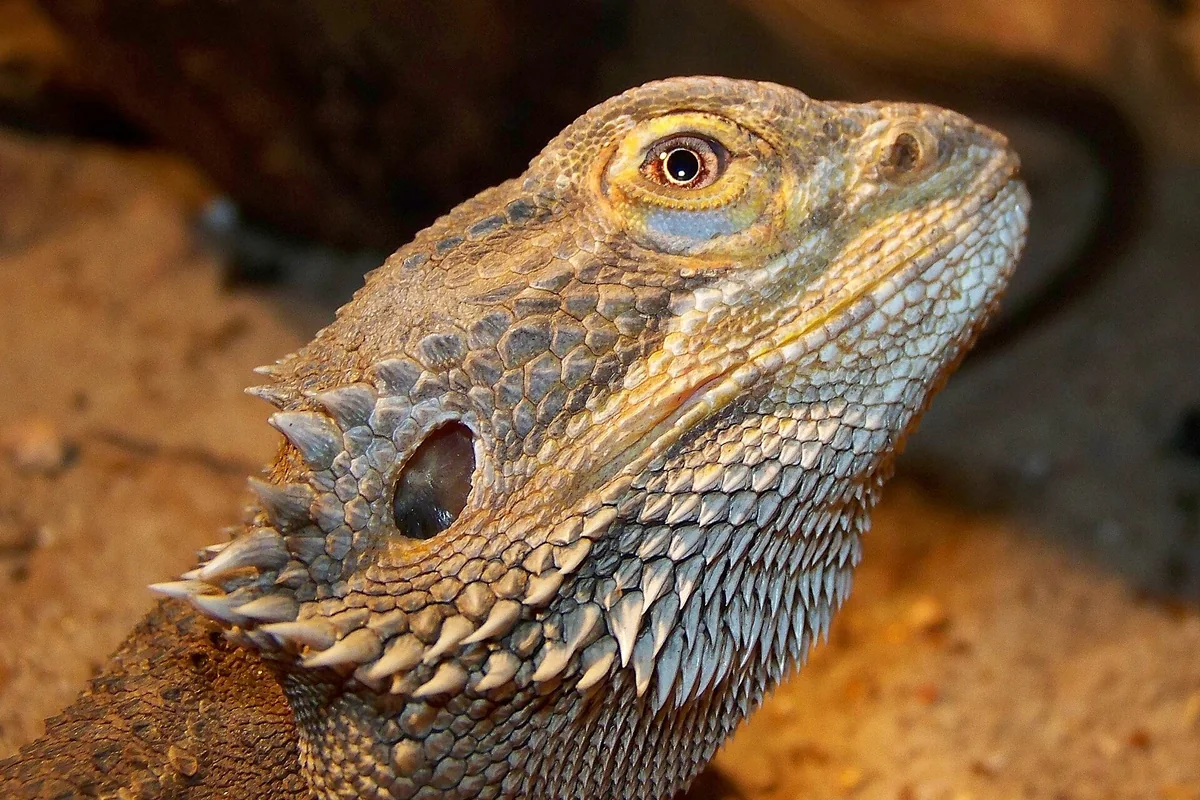
Choose an animal whose needs you can meet
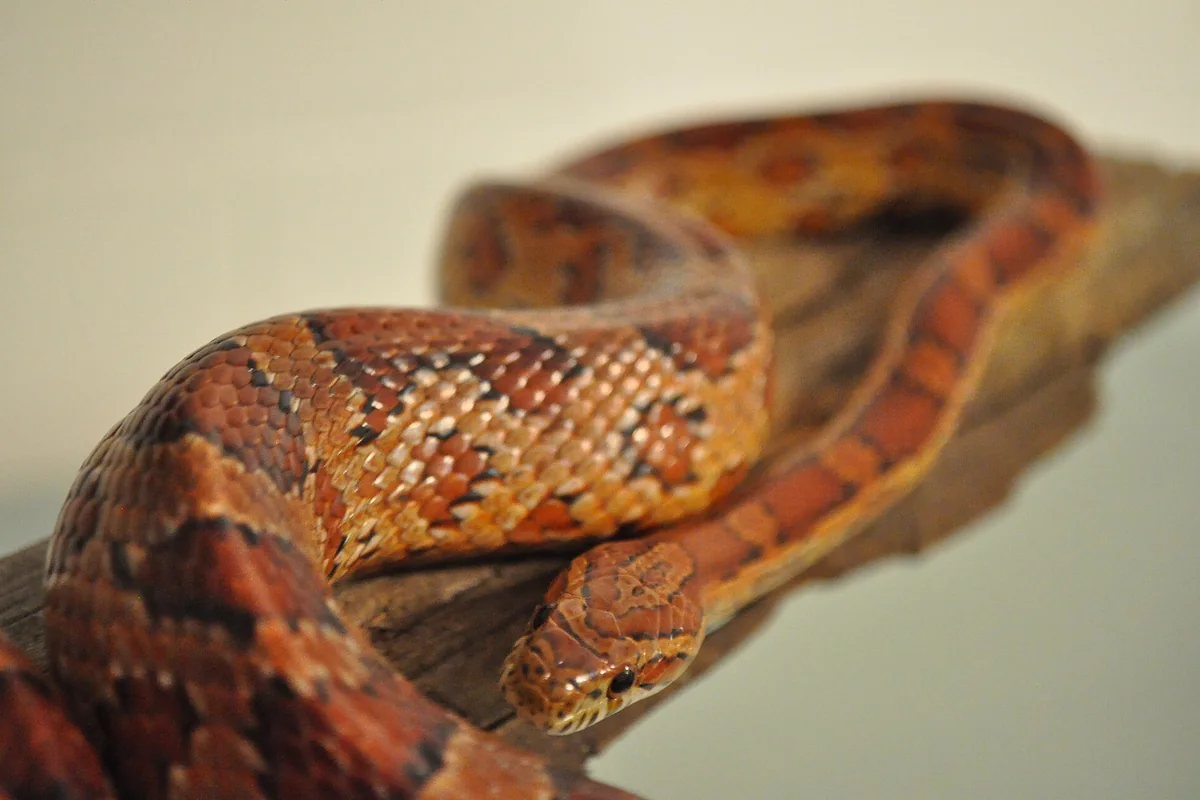
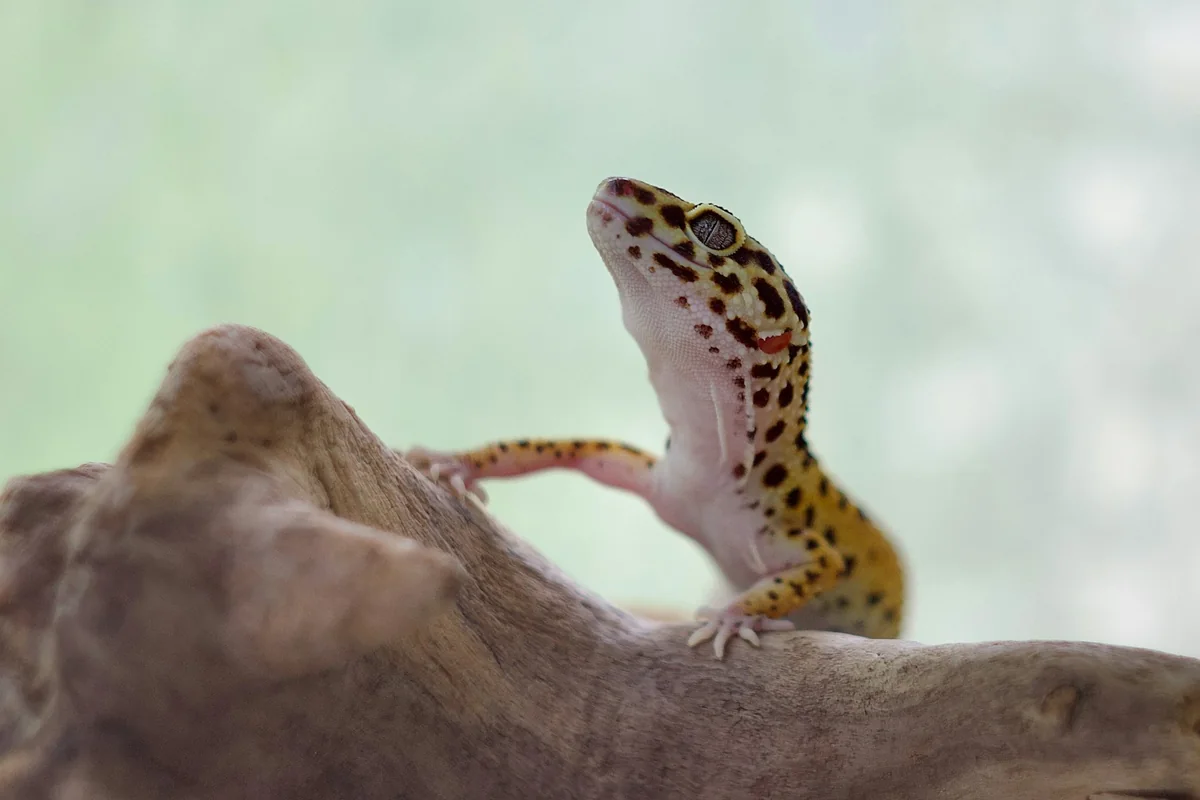
Reptiles are ectotherms: their body temperature depends heavily on their surroundings. That does not mean they all need the same temperature. A day-active bearded dragon needs a bright basking area that is much warmer than the preferred space of a crepuscular leopard gecko. A corn snake needs an escape-proof vivarium long enough to stretch out; a Hermann's tortoise needs extensive ground space and a suitable outdoor area as well.
Adult size, active hours, social behaviour, food supply and life expectancy all belong in the decision. Some species are best housed alone, despite being sold as easy family pets. Holiday care and access to a vet who treats reptiles are also part of the commitment. The animal's background should be checked through responsible captive breeding or rehoming information, beyond a seller's brief description.
Understand the thermal gradient and thermostat
A thermal gradient lets an animal move between a warm basking or resting area and a cooler zone. It needs enough space to work, with heat concentrated at one end. The suitable range varies by species and must be measured where the animal actually rests or climbs. One thermometer in the middle of the room tells you little about those choices.
A thermostat uses a probe to control the heater and limit dangerous changes. It does not replace checking temperatures: separate digital thermometers at the warm and cool ends show whether the target range is being met. Lamps and heated surfaces need guards against contact burns. The complete system should run for several days before an animal arrives, including through changes in room temperature, so poor probe placement or unstable settings become visible.
UVB does more than illuminate
Visible light helps set the day, while UVB allows many reptiles to make vitamin D3. Their bodies then use calcium from food properly. The required UVB level depends on species, distance from the lamp, enclosure height and any mesh between lamp and animal. Sun through a window is no substitute because glass blocks much of the UVB.
Lighting belongs near the warm area, while usable shade remains available. UV output declines with age even when the tube still looks bright. The maker's distance and replacement guidance and, where possible, a correct UV measurement help maintain the intended exposure. Nights should be dark; if a species needs warmth overnight, it needs a heat source that does not emit light.
Hides, substrate and hygiene
An animal should be able to hide at both the warm and cool ends. Otherwise it has to choose between feeling secure and reaching a suitable temperature. Hides need a smooth, generous entrance and a stable base. For some species a separate humid hide helps during shedding without raising humidity throughout the enclosure.
Substrate has a purpose beyond appearance: it provides grip, permits digging or makes droppings easier to assess. The right material depends on species, age and health. Water, waste, equipment and the animal deserve a brief daily check. Soiled patches should be removed and equipment cleaned with suitable products. Hands should be washed after handling reptiles or their enclosures because reptiles can carry Salmonella.
Feed for the animal, not the label
There is no universal reptile menu. Leopard geckos mainly take appropriate invertebrates, bearded dragons also eat plants, and corn snakes are fed whole thawed prey. Hermann's tortoises need varied, fibre-rich plants. Poor food and poor heat or UVB can compound each other because digestion and calcium metabolism depend on the environment.
Before the animal arrives, know where suitable food comes from, how to store it and who can provide it when you are away. Feeder insects also need proper housing and food. Mineral supplements require species-specific use; adding more is not automatically safer. Fresh water belongs in the enclosure alongside a workable feeding plan.
Observe the first weeks and arrange help
A new arrival first needs a stable, quiet enclosure. Appetite, drinking, droppings, movement and use of the different temperature zones are useful observations. Shedding trouble, weight loss, abnormal breathing, swelling or marked changes in behaviour call for advice from a reptile-experienced vet. Apparent seasonal slowing should not hide illness.
A short care record helps when somebody else takes over: species and origin, lamp type and change date, temperature measurement points, food, weight trend, vet contact and carers. Sharing those details makes it less likely that someone switches off an essential heater or offers the wrong food while you are away.
Common questions
Does every reptile need a heat lamp?
Many need controlled heat, but the source, position and night-time plan differ. What matters is a measured thermal gradient, not a particular product.
Can the enclosure stand by a window?
Direct sun can overheat a closed enclosure quickly, while glass does not provide the needed UVB. A position away from direct sun is easier to control.
Sources and photo credit
- Caring for reptiles and other exotic petsRSPCA
- Places for reptiles to hideRSPCA
- How to care for a leopard geckoRSPCA
- How to care for your bearded dragonRSPCA
- How to care for a corn snakeRSPCA
- Spur-thighed, Hermann's, marginated and Horsfield's tortoisesRSPCA
Photo: Pogona vitticeps · William Kreijkes · CC BY-SA 3.0. Cropped, resized and converted to WebP