fellfolio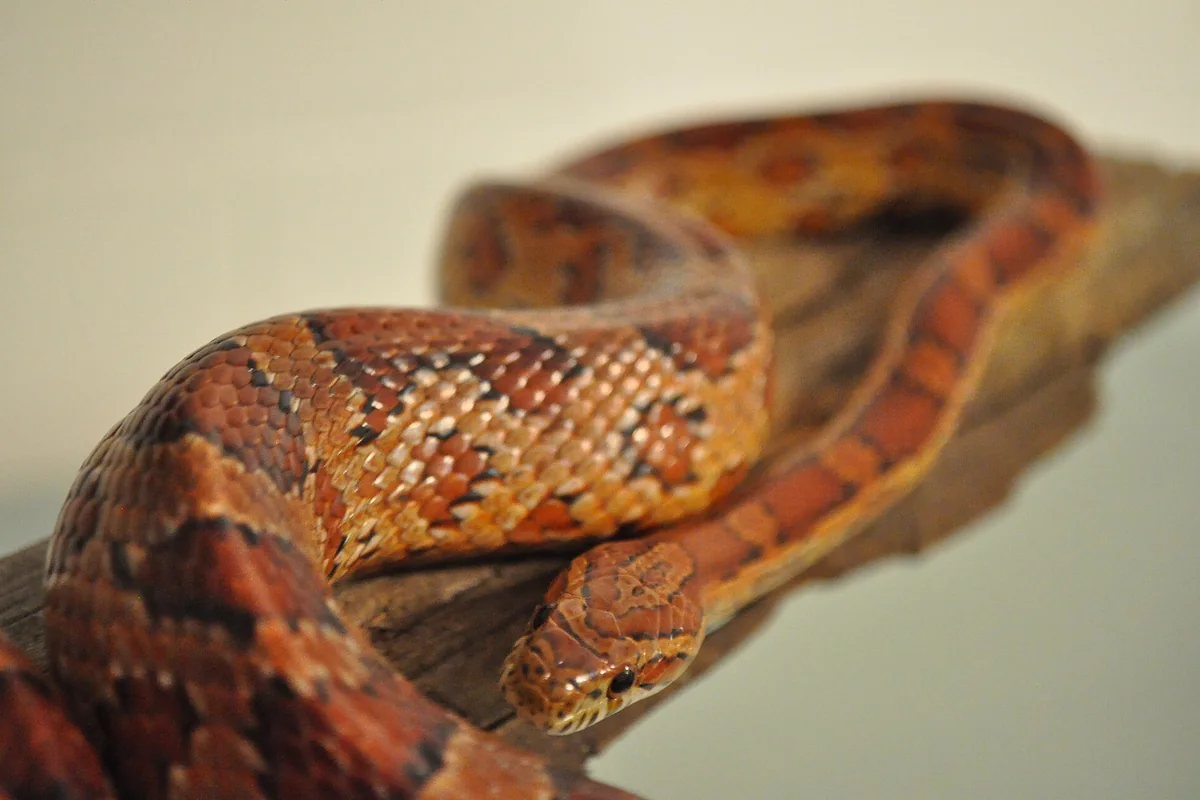
Understand the hygrometer reading
A hygrometer measures relative humidity. This percentage depends partly on temperature: cooling air raises its relative humidity even when the amount of water it contains stays the same. Location, temperature and time therefore matter when comparing readings.
A sensor directly in a spray plume does not necessarily describe the animal’s normal resting place. Measure at the places the reptile uses, at comparable times and after adding moisture. This helps reveal how long an area stays humid. The target range and daily pattern should follow guidance for the particular species.
Sources for this section
- Management and Husbandry of ReptilesMerck Veterinary Manual
- Caring for your crested geckoRSPCA
Create the right humid retreat
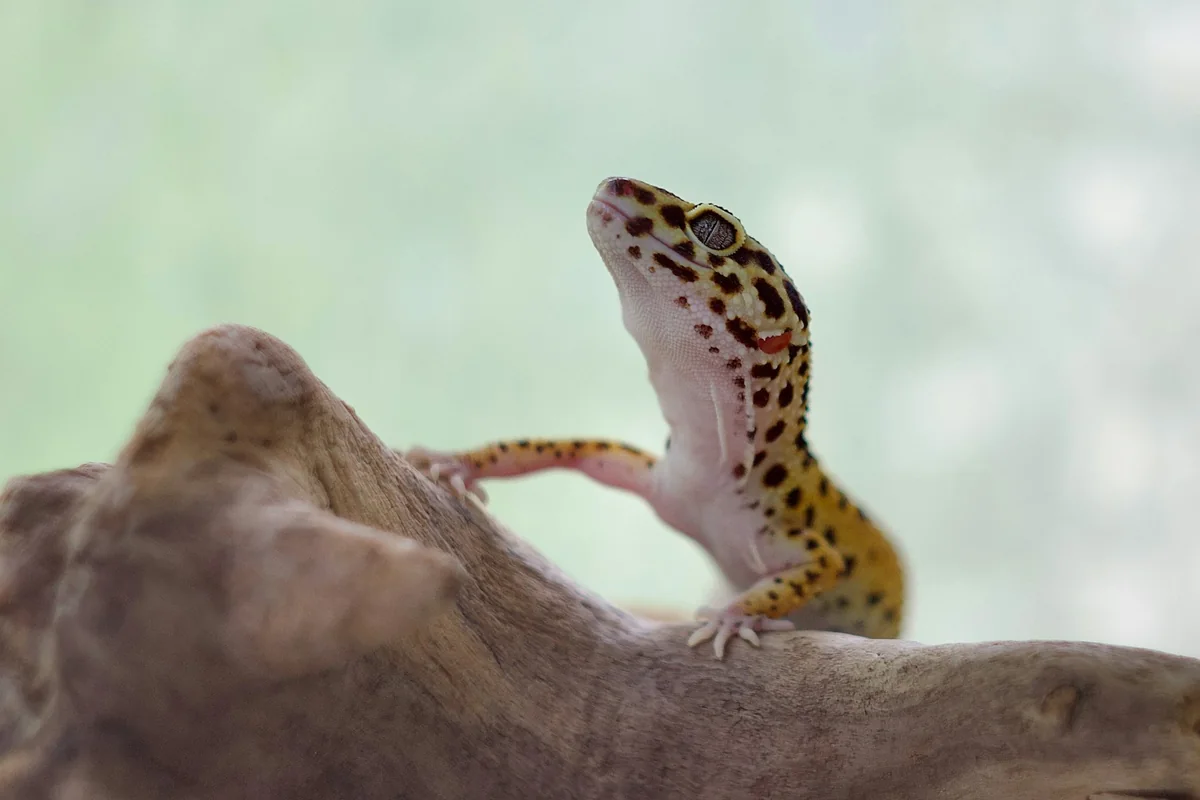
A leopard gecko can use a shelter containing damp moss within an otherwise relatively dry enclosure. The moss retains water and creates a different microclimate inside. The hide should be stable, accessible and easy to clean. Its contents should stay moist without leaving the animal sitting in water.
A crested gecko also needs appropriate moisture around foliage and climbing areas. A damp box alone does not provide that environment. Equally, an enclosure for a dry-adapted species should not become permanently soaked simply because a shed is approaching. The arrangement needs to match how the species uses its habitat.
Read more: Leopard gecko care: habitat, feeding and health · Crested gecko care: habitat, feeding and health checks
Sources for this section
Combine moisture with ventilation and drinking water
Waterlogged substrate and poor air exchange can contribute to skin and respiratory problems. Ventilation should remain functional. If suitable readings seem possible only with the vents blocked, review the planting, substrate, water input and room conditions instead.
The animal also needs a usable source of drinking water. Many species use a stable shallow bowl, refreshed regularly and immediately when soiled. Chameleons often drink droplets from leaves, so their water provision needs to reflect that behaviour. High humidity does not automatically meet an animal’s need to drink.
Read more: Veiled chameleon care: climbing space, light and water · Panther chameleon care: enclosure, UVB and feeding
Sources for this section
- Management and Husbandry of ReptilesMerck Veterinary Manual
- Reptiles and waterRSPCA
Learn the normal shedding sequence
Snakes often shed an entire outer skin in one piece. Their colour and eyes may become dull beforehand, and they later rub against suitable surfaces to loosen the skin. Geckos tend to shed in patches. Young animals shed more frequently as they grow.
Secure bark or other suitable surfaces without sharp edges therefore have a useful role in the enclosure. Unnecessary handling should be avoided during shedding. A brief record of when it began, together with a photograph of the shed, can make later changes easier to compare with previous cycles.
Sources for this section
- Routine Health Care of ReptilesMerck Veterinary Manual
- Common Problems in Pet SnakesVCA Animal Hospitals
- How to care for a leopard geckoRSPCA
Recognise troublesome retained skin
Toes, the tail tip and a snake’s eyes deserve particular attention. Tight bands of retained skin can constrict underlying tissue. Snakes have a clear protective scale over each eye, called a spectacle or eye cap; its outer layer normally sheds with the rest of the skin. If you are unsure whether a layer remains, a reptile vet should check it.
Retained skin should not be pulled away or cut with scissors, as this can damage fresh skin or the eyes. Repeated shedding problems may involve nutrition, parasites or disease as well as unsuitable humidity. Assessment should therefore consider both the enclosure and the animal’s health.
Sources for this section
- Disorders and Diseases of ReptilesMerck Veterinary Manual
- Common Problems in Pet SnakesVCA Animal Hospitals
- Simple Things Your Reptile Might Be MissingUniversity of Illinois College of Veterinary Medicine
Investigate the cause and follow progress
Current measurements are more useful than the equipment’s original settings when a shed goes wrong. Has a probe moved? Is the moss drying more quickly? Has central heating changed the room’s air? These details can help identify a particular change that needs correcting.
A bath is not a universal remedy for every reptile. Whether soaking or another form of support is appropriate depends on the animal and the problem, and should be professionally advised. Visible constriction, swelling or eye problems warrant prompt veterinary contact rather than waiting for another shed.
Read more: Getting heat and UVB right in a reptile enclosure
Sources for this section
- Disorders and Diseases of ReptilesMerck Veterinary Manual
- Simple Things Your Reptile Might Be MissingUniversity of Illinois College of Veterinary Medicine
Sources and photo credit
- Management and Husbandry of ReptilesMerck Veterinary Manual
- Caring for your crested geckoRSPCA
- Places for reptiles to hideRSPCA
- How to care for a leopard geckoRSPCA
- Reptiles and waterRSPCA
- Routine Health Care of ReptilesMerck Veterinary Manual
- Common Problems in Pet SnakesVCA Animal Hospitals
- Disorders and Diseases of ReptilesMerck Veterinary Manual
- Simple Things Your Reptile Might Be MissingUniversity of Illinois College of Veterinary Medicine
Photo: Corn Snake · SloanePhoenix · CC BY 4.0. Cropped, resized and converted to WebP