fellfolio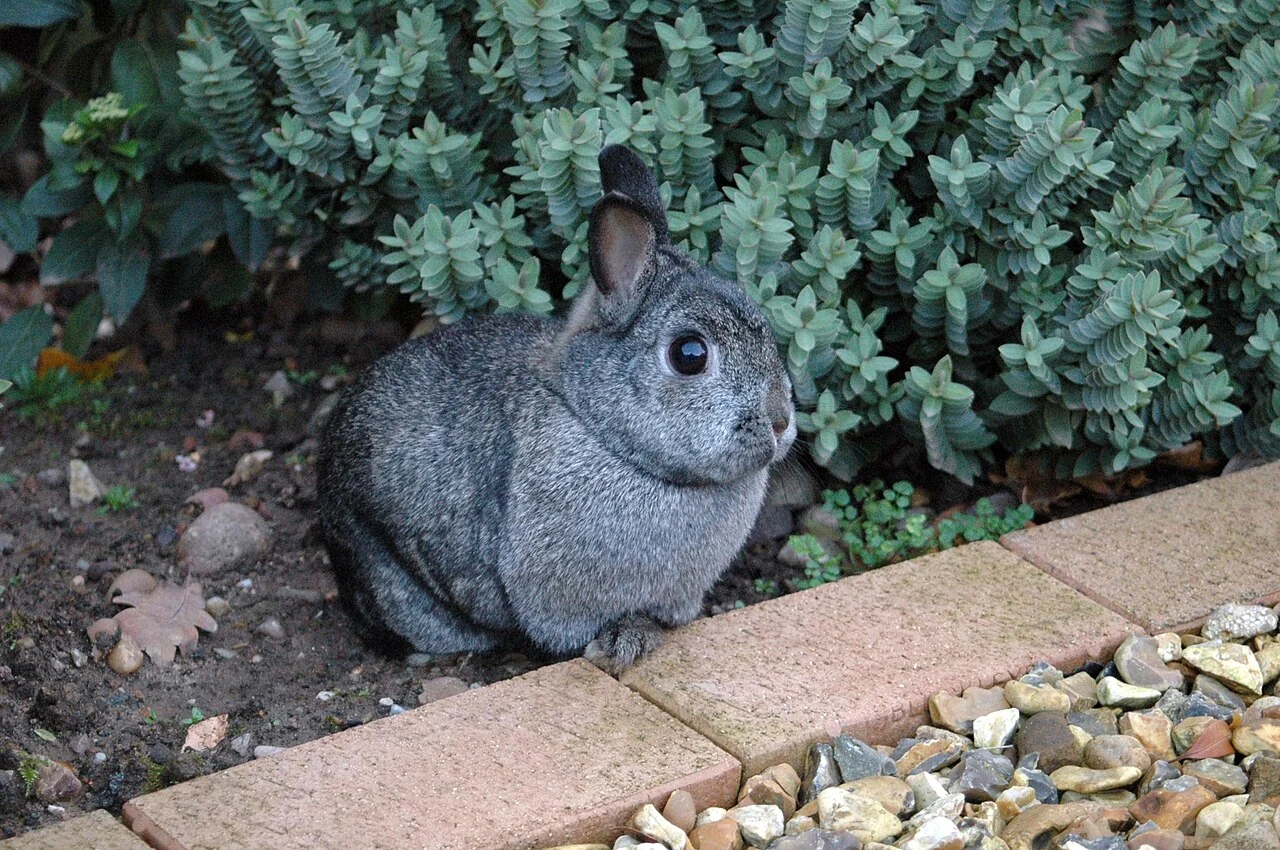
What the name can tell you
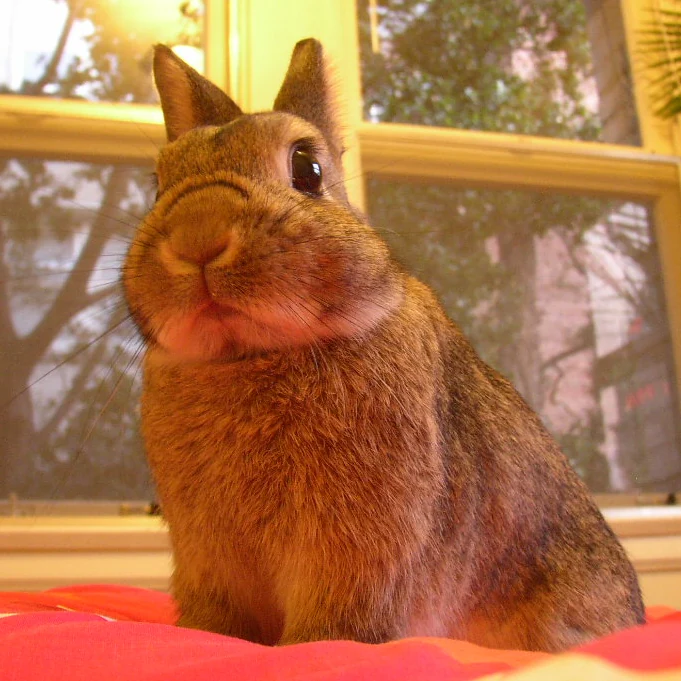
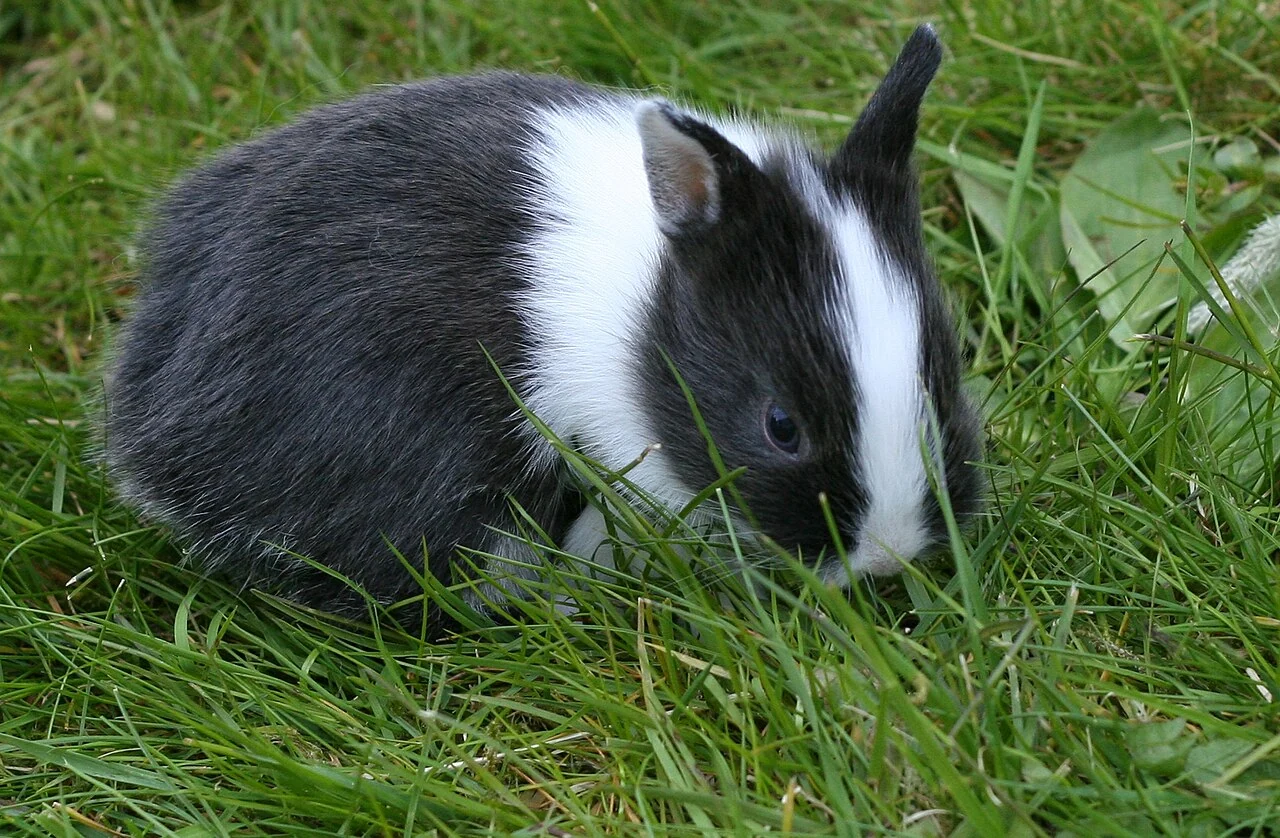
Breed organisations describe individual dwarf breeds with specific features. The Netherland Dwarf, for example, is a recognised breed in the American registry. An advertisement saying dwarf rabbit may instead describe a youngster that currently looks small. The eventual size of a young cross cannot reliably be inferred from that label. Information about age, parents and previous growth helps put it in context.
A very small domestic rabbit is still a rabbit rather than a hare. European wild rabbits raise initially blind, hairless young in sheltered burrows, while young hares are born furred with their eyes open. Casual names do not alter the social or housing needs of a pet rabbit. The distinction is about the animal’s biology, not simply its adult size.
Sources for this section
- Recognized BreedsAmerican Rabbit Breeders Association
- Rabbits in the wildRSPCA
Room to run and move apart
For a pair of average-sized rabbits, the Rabbit Welfare Association and Fund recommends a continuously accessible connected area of at least three by two metres and one metre high. This is that organisation’s minimum planning recommendation. A larger useful area creates more opportunities for routes, personal space and varied furnishings.
Small animals make gaps, bar spacing and door openings particularly important to check. An opening that admits the head can become a dangerous trap. Low shelters with more than one exit, secure footing and a safe digging area make the surroundings interesting. Indoors, cables and poisonous plants need to be inaccessible. The arrangement should also remain practical and safe while people vacuum, ventilate the room or open doors. Planning those ordinary actions prevents last-minute changes after the rabbits arrive.
Read more: Rabbit housing: space, exercise and companionship
Sources for this section
- Space recommendationsRabbit Welfare Association & Fund
- Creating the right home for rabbitsRSPCA
- Keeping rabbits in your homeRSPCA
Contact on a rabbit’s terms
A suitable rabbit companion provides opportunities for shared rest, mutual grooming and social communication. Human attention does not replace that relationship. Adopting an already compatible pair often allows their existing interaction to be observed. A rabbit rescue may also help with selecting a partner and planning introductions.
Quiet contact at floor level gives trust a chance to develop. Someone sitting nearby can see which rabbit approaches first and which prefers more distance. Responses should guide whether stroking is welcome. Moving away or avoiding contact are signals worth respecting. Repeated lifting is unnecessary for spending time together. Necessary examinations still require secure, gentle handling, which an experienced professional can demonstrate and help the owner practise.
Read more: Bonding rabbits: preparing for a shared home
Sources for this section
Eating throughout the day
Hay and suitable fresh grass form the foundation of feeding. Other foods should suit age, health and the established diet, with changes introduced gradually. Several accessible feeding places make eating together easier, especially when one rabbit is more hesitant. Each rabbit should actually be seen eating every day.
Familiar food leaves placed in several accessible spots encourage rabbits to search and move around. Small portions beside a tunnel or wooden bridge give them something to discover without having to climb. Tight food balls or openings that could trap the head are unsuitable for this. Sweet snacks and colourful mixtures are not necessary for enjoyable feeding activities. Water should remain readily available. Heavy, stable bowls are straightforward to inspect and clean, and their position can be adjusted if bedding is repeatedly kicked into them.
Read more: Feeding rabbits: hay, greens and everyday habits
Sources for this section
- What do rabbits eat?RSPCA
- Nutrition of RabbitsMerck Veterinary Manual
- Enrichment for rabbitsRSPCA
Assessing head shape and teeth carefully
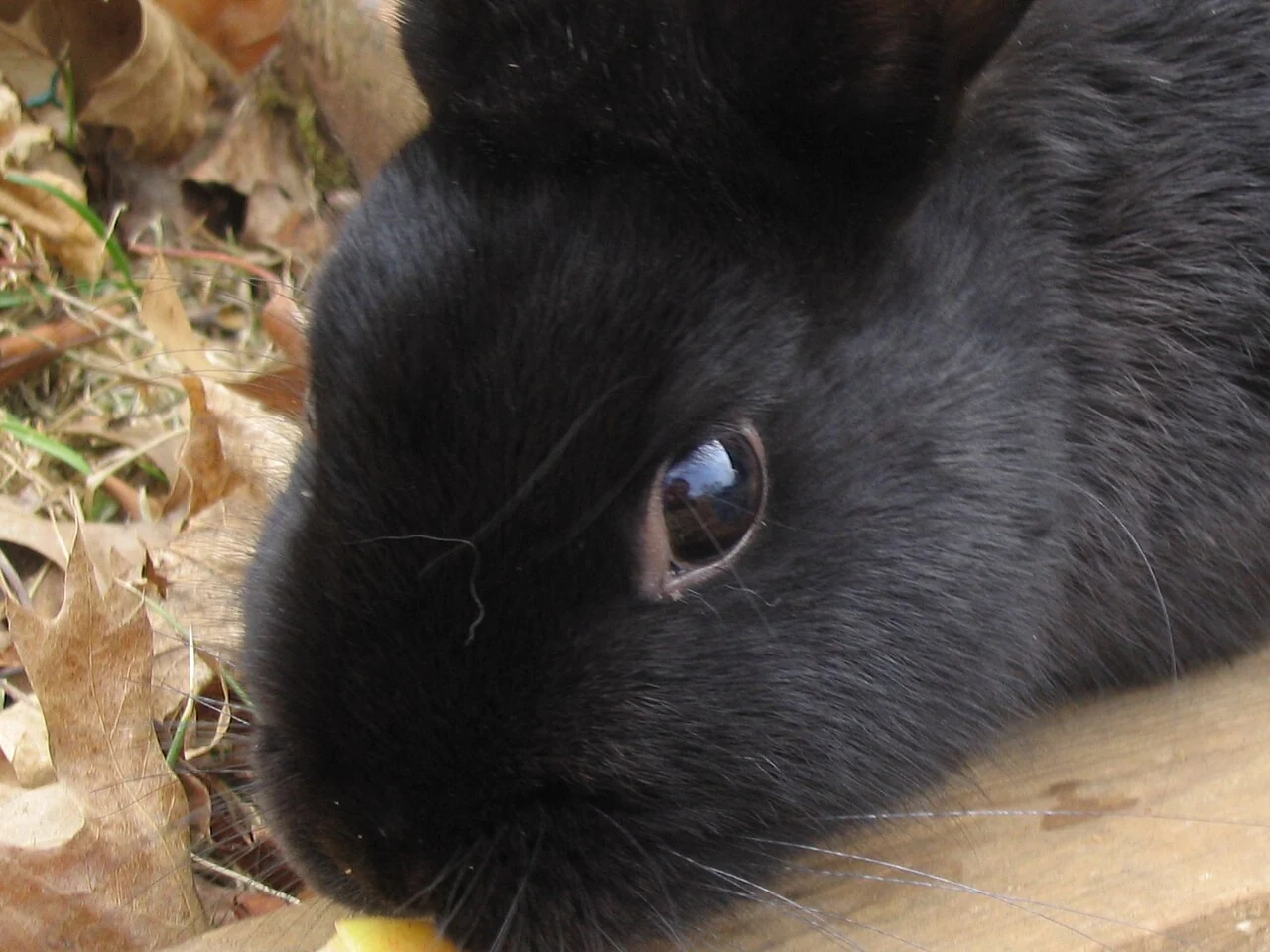
Very rounded heads appeal to many people. Appearance alone does not reliably show whether an individual’s teeth are healthy. A study of 435 pedigree rabbits found no significant association between the dental abnormalities examined and shorter head shape. Its show and breeding population does not represent every companion rabbit, however. The result supplies neither a universal explanation of disease nor a guarantee of health.
Actual function and regular examinations matter. A damp chin, altered food preferences, weight loss or prolonged chewing can indicate trouble. A rabbit eating substantially less or refusing food needs prompt advice from a rabbit-experienced veterinary practice. Later in life, movement and grooming ability may change as well. Lower entrances and accessible feeding places can be introduced while companionship and opportunities for activity remain important.
Read more: Daily rabbit care: noticing small changes · Rabbit life stages: from youngsters to older companions
Sources for this section
- Rabbit Dental Abnormalities: Investigation of Conformational Risk FactorsJackson, Betts, Hedley und Burn; Animals, 2025
- How to keep your rabbit healthyRSPCA
Common questions
Will a dwarf rabbit definitely stay below a particular weight?
A documented breed standard provides some guidance for a pedigree animal. With pet crosses or youngsters of unknown background, dwarf is not a reliable adult-size prediction.
Are small rabbits especially suitable for children?
Small animals can be injured by insecure holding or lifting. Shared observation and calm contact at floor level are more appropriate. Adults should take responsibility for care and supervision.
A closer look
Sources and photo credit
- Creating the right home for rabbitsRSPCA
- Space recommendationsRabbit Welfare Association & Fund
- Company for pet rabbitsRSPCA
- Keeping rabbits in your homeRSPCA
- Enrichment for rabbitsRSPCA
- What do rabbits eat?RSPCA
- Nutrition of RabbitsMerck Veterinary Manual
- How to keep your rabbit healthyRSPCA
- Pet rabbits: care, behaviour and welfareRSPCA
- Recognized BreedsAmerican Rabbit Breeders Association
- Rabbits in the wildRSPCA
- Rabbit Dental Abnormalities: Investigation of Conformational Risk FactorsJackson, Betts, Hedley und Burn; Animals, 2025
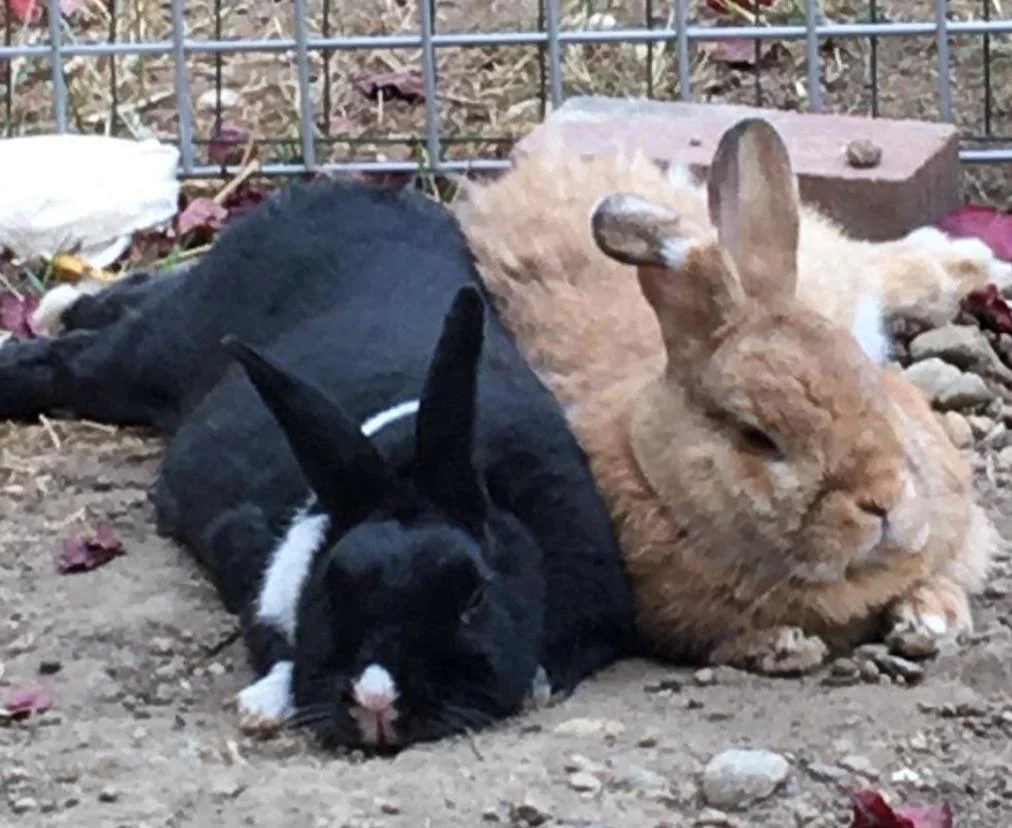
Photo: Netherland Dwarf On Brick.jpg · Erebus555 at en.wikipedia · CC BY-SA 3.0. Resized and converted to WebP; scene unchanged.
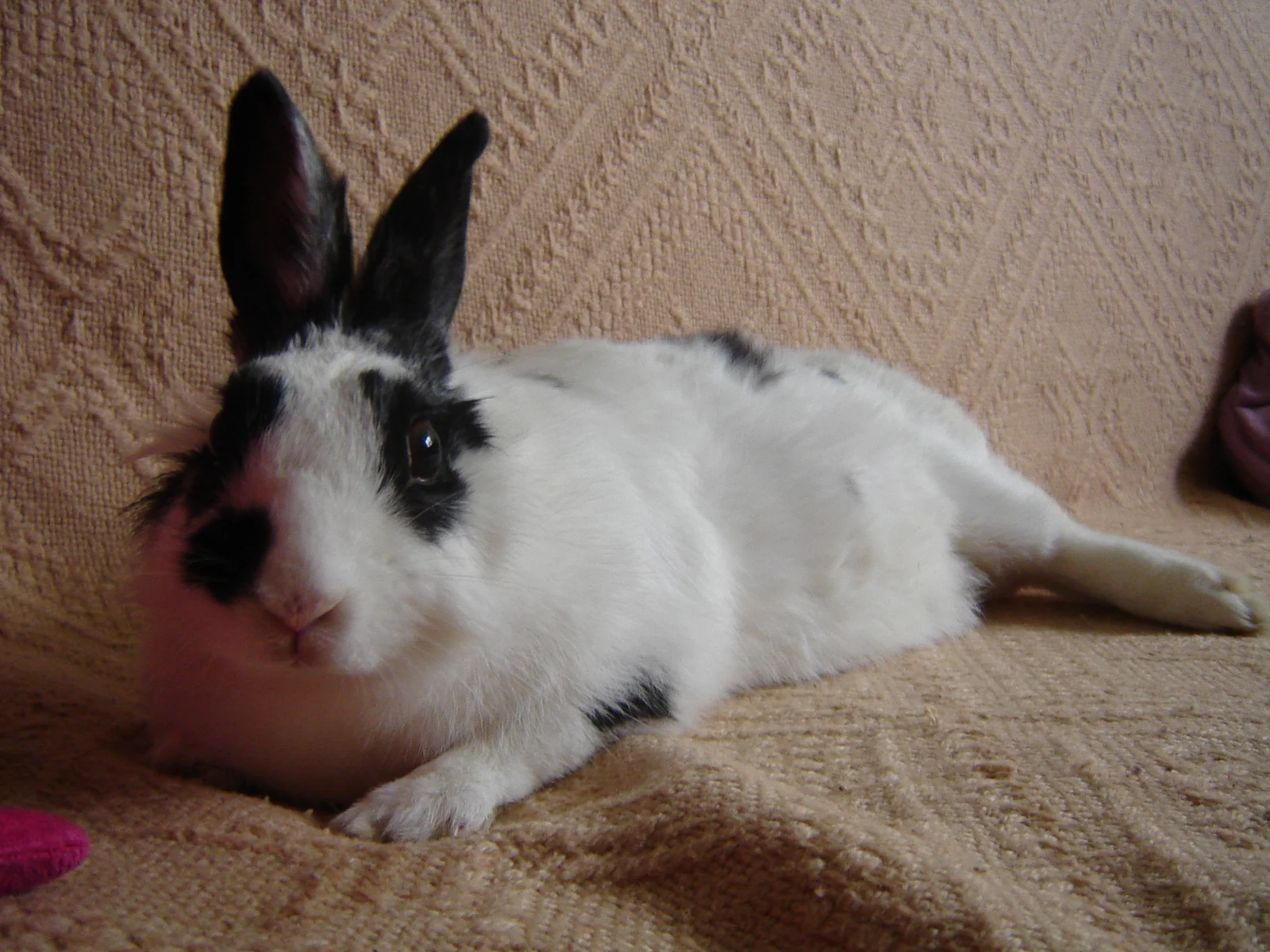
Photo: Netherland dwarf rabbit chibi.JPG · Ian Elwood · CC BY-SA 3.0. Resized and converted to WebP; scene unchanged.
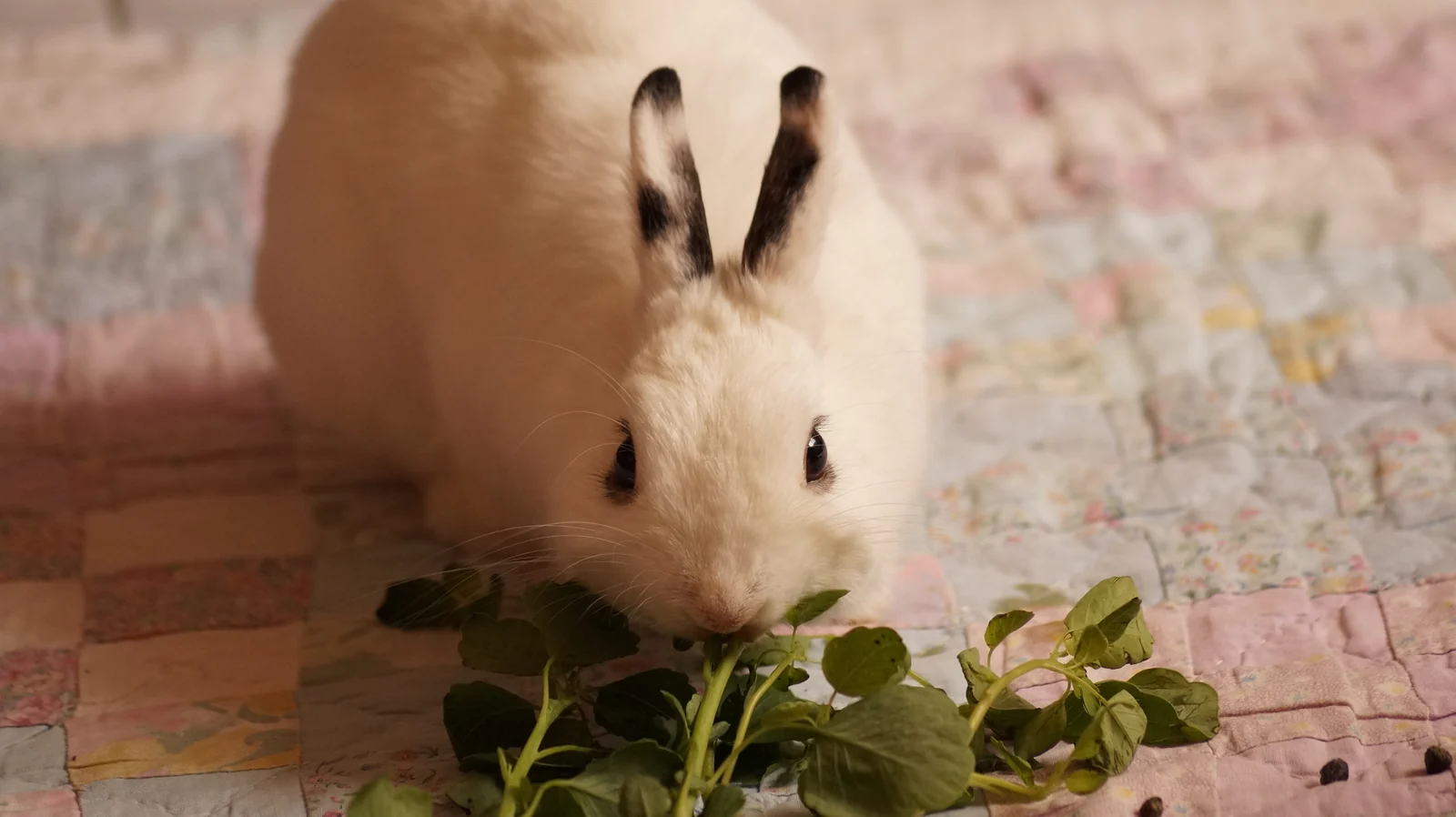
Photo: Netherland Dwarf Bunny-Strider.JPG · SloMo2639 · Public domain. Resized and converted to WebP; scene unchanged.
Photo: Young Netherland Dwarf rabbit.jpg · color line · CC BY 2.0. Resized and converted to WebP; scene unchanged.