fellfolio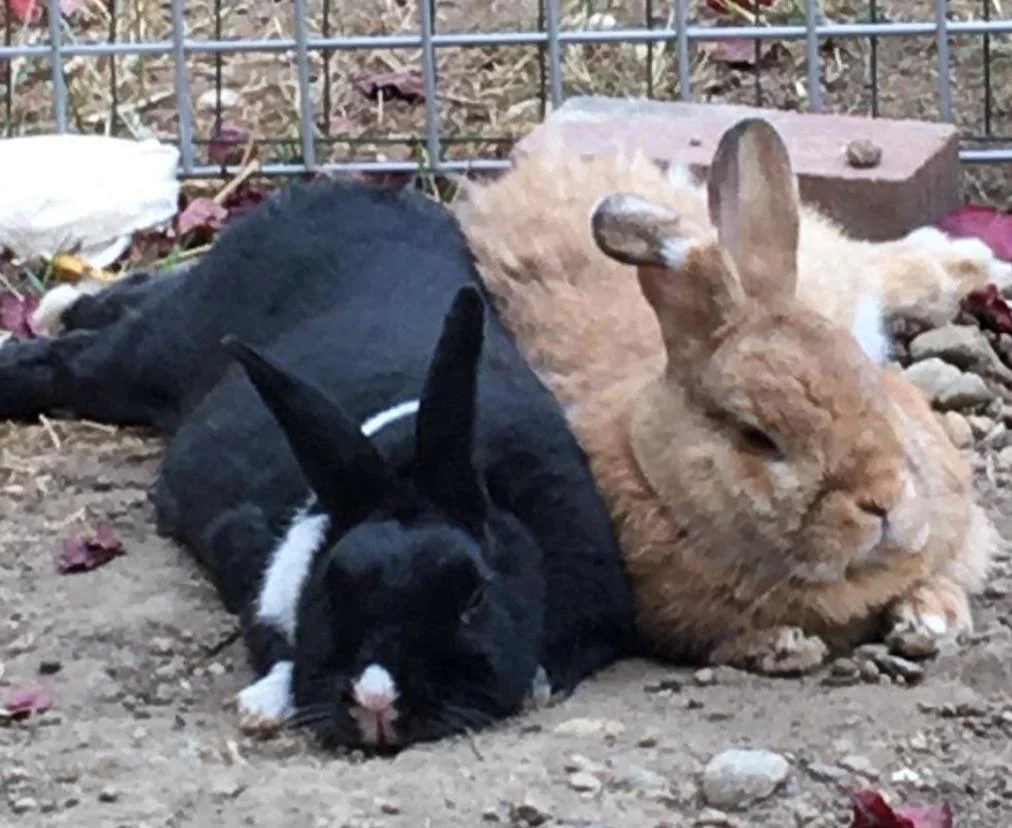
Find a suitable companion
A neutered male and neutered female are often a suitable combination. Temperament, health and activity also matter. A very persistent young rabbit may overwhelm an older partner with restricted movement. Coat colour offers little guidance about compatibility. A rescue that knows its rabbits can take meaningful differences into account.
For a new owner, adopting an established pair can avoid the need to create a bond from scratch. If one rabbit already lives with you, ask about matching support. An unsuccessful attempt does not mean that the rabbit should permanently live alone. RWAF’s work on bonding describes multiple influences on relationships; a pairing that appears ideal on paper cannot guarantee that the individuals will form a comfortable partnership.
Prepare health care and separate accommodation
A rabbit-experienced veterinary practice should confirm sex and health before direct contact. Both animals should be neutered and recovered from surgery. Males can remain fertile for up to six weeks after neutering. The appropriate timing and any additional health precautions therefore need to be agreed with the practice.
Each rabbit initially needs a complete separate living area with hay, water, a toilet and shelter. Adjacent enclosures can allow familiarity through scent and sight. The divider must prevent bites through the mesh; two barriers with a gap may be needed. Both rabbits should be able to move out of view. Persistent harassment at the boundary is a reason to reconsider the setup rather than proceed immediately to a face-to-face meeting.
Make the first meetings manageable
Neutral space is a safe area where neither rabbit has previously lived. It reduces the added pressure of defending a familiar home. Flooring should provide grip, and the layout should avoid places where a rabbit becomes trapped. Several accessible food locations can direct attention towards a familiar activity. Allow enough uninterrupted time for observation rather than squeezing an introduction between other commitments.
Initial direct meetings require supervision. Shared time can gradually increase as the rabbits become comfortable. Someone experienced in rabbit behaviour can help when the meaning of an interaction is unclear. Deliberately frightening the rabbits, for example through unnecessary car journeys, is not a sound basis for trust. They need opportunities to become familiar under calm, carefully managed conditions.
Distinguish uncertainty from escalating conflict
Brief sniffing, moving away or temporary mounting can occur during introductions. The progression and intensity matter. Does one rabbit leave the other alone again? Can both move and eat? Or does the interaction develop into persistent chasing, tight circling and mutual biting? These observations are more informative than assuming every confrontation simply establishes a hierarchy.
A fight requires immediate safe separation. Unprotected hands should not be placed between biting rabbits; a prepared solid divider can help interrupt contact. Injuries need veterinary assessment. Experienced guidance is appropriate before repeating the same arrangement. Persistent fear or an individual unable to reach food also indicates that the plan needs changing. Preventing serious injury is part of creating the conditions in which a successful bond remains possible.
Common questions
How long does bonding take?
It varies. Some rabbits settle together quickly; others need more time or a different companion. Repeated relaxed interactions and a workable shared routine are the meaningful measures.
Should fighting rabbits sort it out themselves?
No. Mutual biting and an escalating fight can cause serious injuries. They need safe separation and an informed review of the introduction plan.
Sources and photo credit
- Company for pet rabbitsRSPCA
- Owner, rescue centre and veterinary professional experience in rabbit bondingRabbit Welfare Association & Fund
- Reintroducing rabbits after separationRabbit Welfare Association & Fund
Photo: Two bonded rabbit pair sitting together · Kippo44 · CC BY-SA 4.0. Converted to WebP; scene and dimensions unchanged.