fellfolio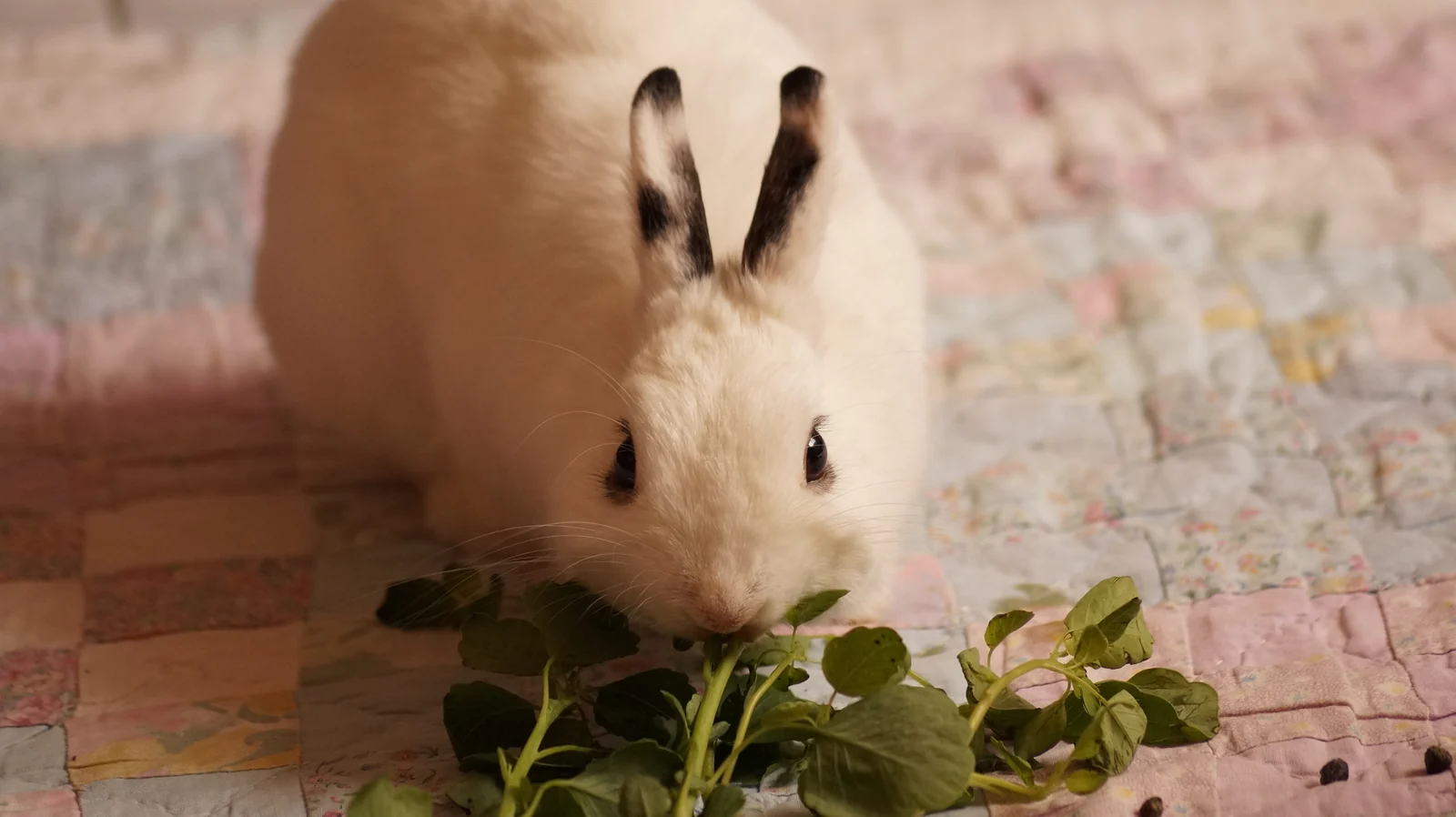
Hay does more than keep rabbits occupied
Rabbits are herbivores whose digestion depends on an appropriate supply of fibre. Their teeth grow continuously, and prolonged chewing of suitable food contributes to normal wear. Clean, sweet-smelling, low-dust hay and appropriate grass therefore form the foundation of their diet. Mouldy or spoiled material is unsuitable. Fresh grass needs gradual introduction if unfamiliar; lawnmower clippings should not be fed.
Provide hay where both rabbits can comfortably reach it and remove soiled material. A well-used feeding place is more helpful than an attractive rack from which the rabbits struggle to pull strands. Openings should not trap a head or leg. If hay is suddenly being left uneaten, the first question is whether the rabbit is uncomfortable or unwell, rather than whether a more interesting accessory is needed.
Build variety with suitable leaves
Appropriate leafy vegetables and herbs can supplement the diet. Examples include romaine lettuce, basil and coriander. Introduce unfamiliar items in small amounts. Changing several foods at once makes it difficult to reconstruct what a rabbit ate if a problem appears. A gradual, recorded change is much easier to follow.
Correct identification matters when gathering plants. Washing an unknown leaf does not make it safe to eat. For someone new to foraging, a few confidently identified suitable plants are preferable to a broad collection based on an unclear picture. Fresh food should be clean, unspoiled and accessible. Wilted, contaminated or deteriorating leftovers should be removed during the next check rather than hidden beneath another fresh serving.
Keep supplementary foods in perspective
A suitable supplementary feed should not displace the main forage supply. If pellets are used, measuring a daily amount helps make intake visible. Continually topping up a bowl conceals how much has actually been eaten. Appropriate amounts depend on age, body condition and health, and can be discussed with a rabbit-experienced veterinary practice.
Mixed feeds allow rabbits to select preferred ingredients, so the balance on the label may differ from the balance they consume. Sugary snacks, substantial fruit portions and frequent carrot treats are not necessary dietary foundations. A small searching activity can use food already included in the day’s allowance. The interest comes from finding it, without needing to add a substantial extra energy supply each time the rabbits are offered something to do.
Check water and access to food
Fresh drinking water should always be available, including when leafy food is being offered. A stable bowl is easy to inspect and clean. If using a bottle, check that water actually comes through the nozzle. A full container alone does not demonstrate that the rabbit can drink from it. Outdoor arrangements also need checks for freezing and warm-weather contamination.
Several feeding locations can improve access for a quieter rabbit. Watch each animal when food arrives: which approaches normally, which chews unusually slowly, and which picks something up only to drop it again? Recording the time and the specific behaviour is useful. Those details help a veterinary team understand the change and decide what examination is needed, without relying on a vague report that feeding seemed unusual.
Understand the two kinds of droppings
Alongside firm dry pellets, rabbits produce softer caecotrophs. These contain nutrients made available through microbial activity in the hindgut and are normally eaten directly from the anus. Reingesting them is a normal part of digestion. It should not be confused with eating dirty bedding or deliberately interrupted.
Repeated uneaten soft clusters or a soiled rear need investigation. Diet may contribute, but so can problems that make reaching the rear difficult. A rabbit eating markedly less, or not eating at all, needs immediate veterinary advice, particularly with fewer droppings, a hunched posture or unusual lethargy. Trying a succession of tempting new foods should not delay that call. A reliable picture of the normal diet is useful information for the veterinary team.
Common questions
Do rabbits need carrots?
Carrots may be offered occasionally in small amounts, but are not a necessary staple. Hay or grass and suitable leafy greens have different roles in daily feeding.
What if a rabbit refuses hay?
A new or marked reduction needs a health check first. Once a medical cause has been addressed, another suitable hay type or easier access may help. Withholding food to force hay eating is not an appropriate approach.
Sources and photo credit
- What do rabbits eat?RSPCA
- Nutrition of RabbitsMerck Veterinary Manual
- How to keep your rabbit healthyRSPCA
Photo: Bunny rabbit eating · Padaguan · CC BY-SA 4.0. Resized and converted to WebP; scene unchanged.