fellfolio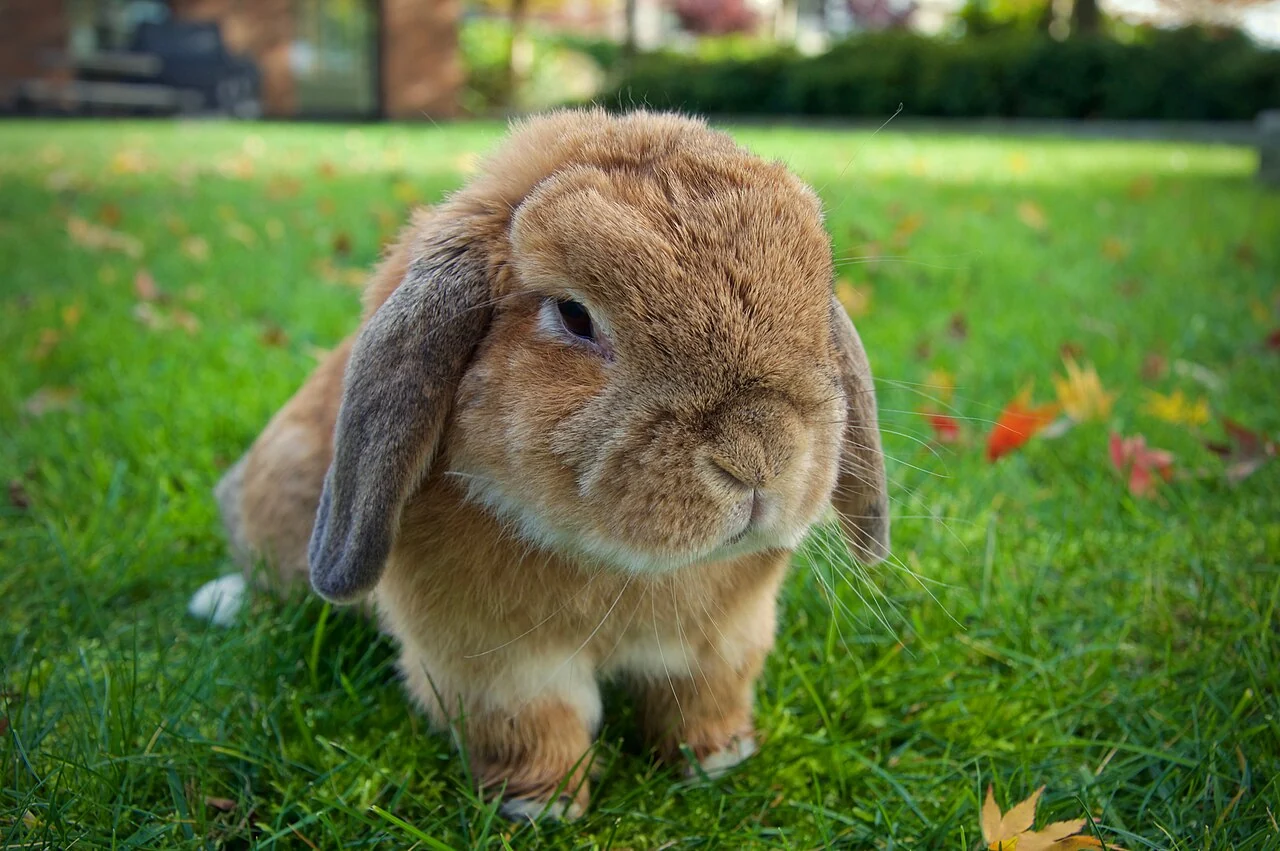
Arriving in a new home
Young rabbits should remain with their mother long enough and eat independently before a move is planned. The RSPCA gives a usual minimum of eight weeks. A rabbit-experienced practice should assess unclear history, unusually small youngsters or health concerns. Weight alone does not prove adequate development.
A written list of familiar foods is particularly helpful at arrival. Established hay and suitable familiar additions make the transition easier. New foods should be introduced individually and gradually so that responses are easier to identify. Furnishings need to account for smaller bodies: safe bar spacing, accessible bowls and no gaps that can trap an inquisitive head. A home intended for adulthood may need temporary adjustments without reducing opportunities to explore safely.
Sources for this section
As youngsters reach sexual maturity
Two youngsters living peacefully together may behave differently as they mature. Siblings can reproduce with each other and may also develop serious conflict. An experienced person should therefore confirm their sex early. Neutering, timing and recovery arrangements need discussion with the practice before unplanned breeding or fighting develops.
Male rabbits can remain fertile for up to six weeks after neutering. Any necessary separation or secure housing during that period should be discussed explicitly. Social familiarity remains valuable where it can be maintained without mating or injury risks. Repeated biting, chasing or blocking access to food needs knowledgeable assessment. A plan for the animals’ relationship matters alongside the operation itself. Carers should know what changes to report and whom to contact if the pair stops getting along.
Read more: Bonding rabbits: preparing for a shared home
Sources for this section
Supporting an active adult rabbit
Adult habits become easier to recognise. One rabbit may head straight to the feeding place while another investigates every new box. Those differences can inform the layout. Several routes and retreats give both animals choices without requiring them continually to move around each other.
Searching for food can combine movement and occupation. Familiar leafy foods in safe places, an appropriate digging area and adjustable tunnels provide reasons to explore. New objects should retain access to familiar routes and retreats. Body condition continues to need attention. A rabbit moving less or gaining unwanted weight should be assessed in relation to feeding, usable space and possible discomfort. An apparently quiet personality does not explain every change. Comparing behaviour with the rabbit’s own previous routine is particularly useful.
Read more: Rabbit housing: space, exercise and companionship · Feeding rabbits: hay, greens and everyday habits
Sources for this section
Checks that help throughout life
Each rabbit should be seen eating every day. Droppings, cleanliness around the rear and patterns of movement provide further observable information. Regular weighing makes gradual change easier to follow. Long coats or lopped ears add particular checks, with actual care needs determined by the individual.
Vaccinations, dental assessment and other preventive care should be planned with a rabbit-experienced practice. Familiar contact at floor level can make short inspections easier. Necessary handling should be demonstrated securely so that neither animal nor person is placed in an unstable position. Markedly reduced appetite, absent droppings, breathing difficulties or severe weakness require immediate veterinary contact. Ready transport arrangements and accessible contact details prevent avoidable delays when help is needed.
Read more: Daily rabbit care: noticing small changes
Sources for this section
- How to keep your rabbit healthyRSPCA
- Pet rabbits: care, behaviour and welfareRSPCA
- Flystrike in rabbitsRabbit Welfare Association & Fund
Helping an older rabbit in familiar surroundings
A rabbit avoiding a high litter-tray edge or rarely using a ramp may benefit from lower entrances and facilities on one level. Grippy routes should connect the important areas. Food, water and favourite hides can be distributed so they remain comfortable to reach while still allowing movement.
Reduced self-grooming can lead to dirty hair or foot problems. The cause needs investigation; pain and dental trouble may be manageable. An older animal should not automatically be considered too old for company. An established bond deserves protection. If one rabbit needs extra food, a short supervised individual meal with sight and scent contact can help, while the pair spends the rest of the day together. Arrangements should be reviewed as needs change rather than assumed to remain suitable indefinitely.
Sources for this section
Common questions
Do older rabbits automatically need different food?
Needs depend on weight, teeth, activity and health conditions. A senior-labelled product does not replace that assessment. Changes should be agreed with the practice and introduced gradually.
Can an older rabbit still have a new companion?
Suitable company can remain important. Health, temperament and careful introductions should guide the plan. An experienced rescue or veterinary team can help.
Sources and photo credit
- Creating the right home for rabbitsRSPCA
- Company for pet rabbitsRSPCA
- Enrichment for rabbitsRSPCA
- What do rabbits eat?RSPCA
- How to keep your rabbit healthyRSPCA
- Flystrike in rabbitsRabbit Welfare Association & Fund
- Pet rabbits: care, behaviour and welfareRSPCA
- Pregnant rabbits and raising youngRSPCA
- Caring for an older rabbitRSPCA
Photo: Holland lop rabbit.jpg · Harold Cecchetti · CC BY-SA 4.0. Resized and converted to WebP; scene unchanged.