 fellfolio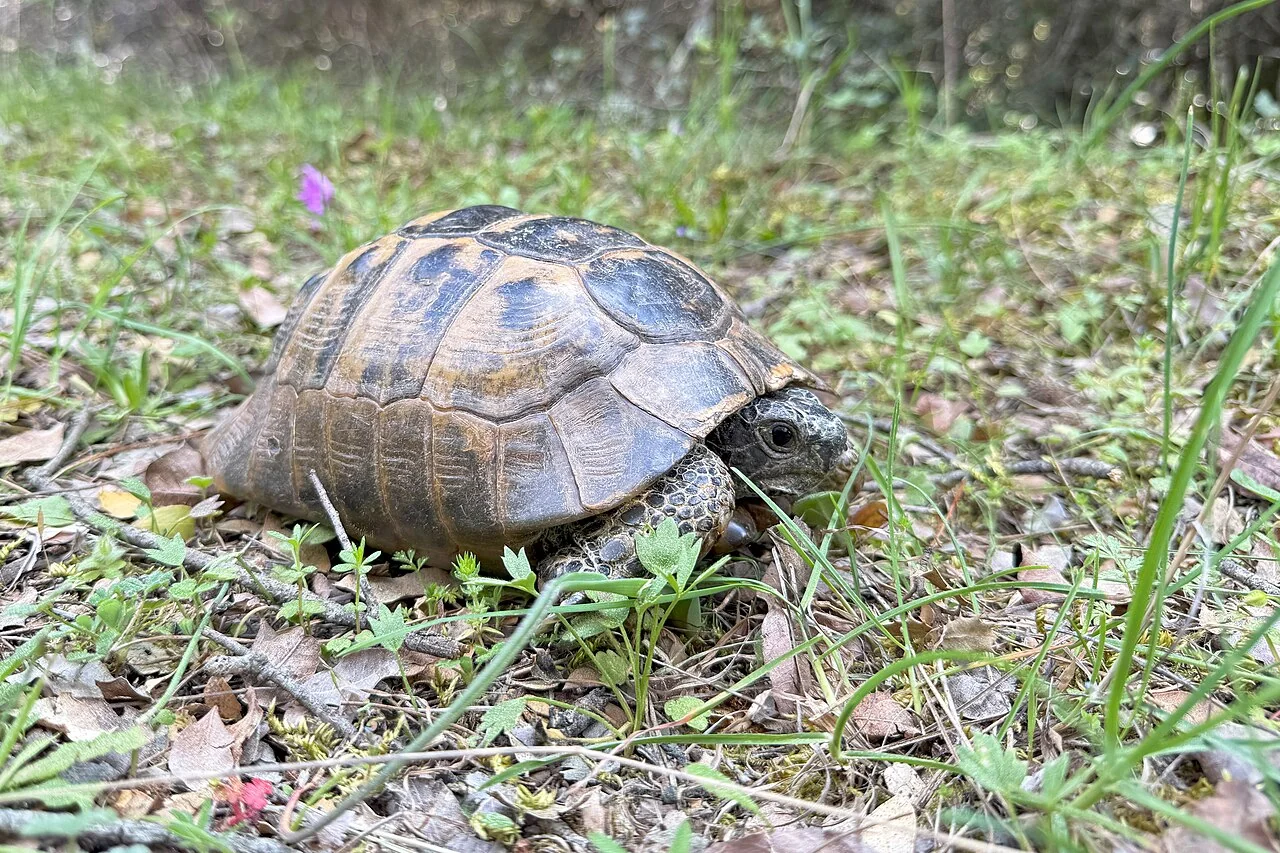
Why the animal’s origin matters
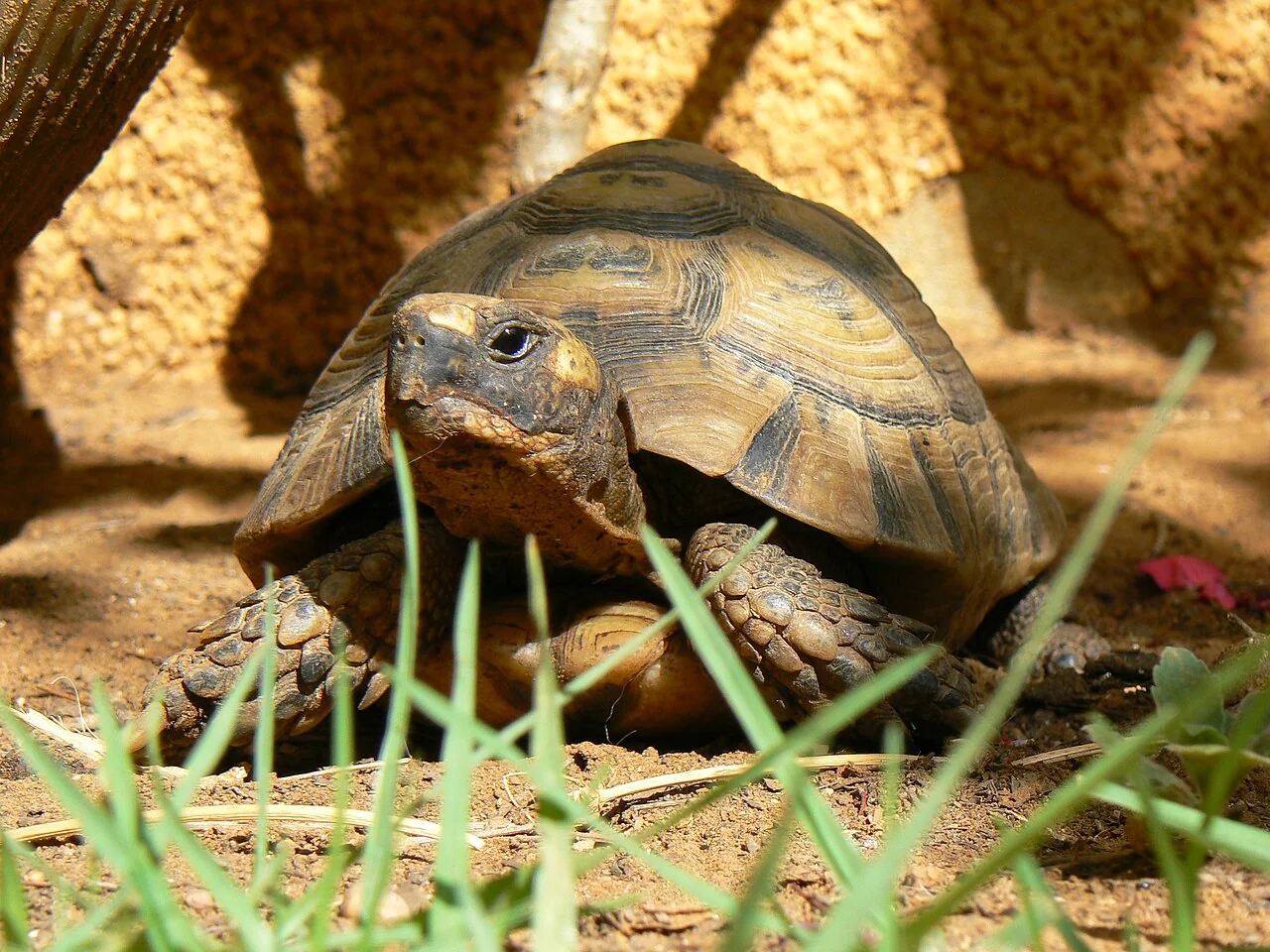
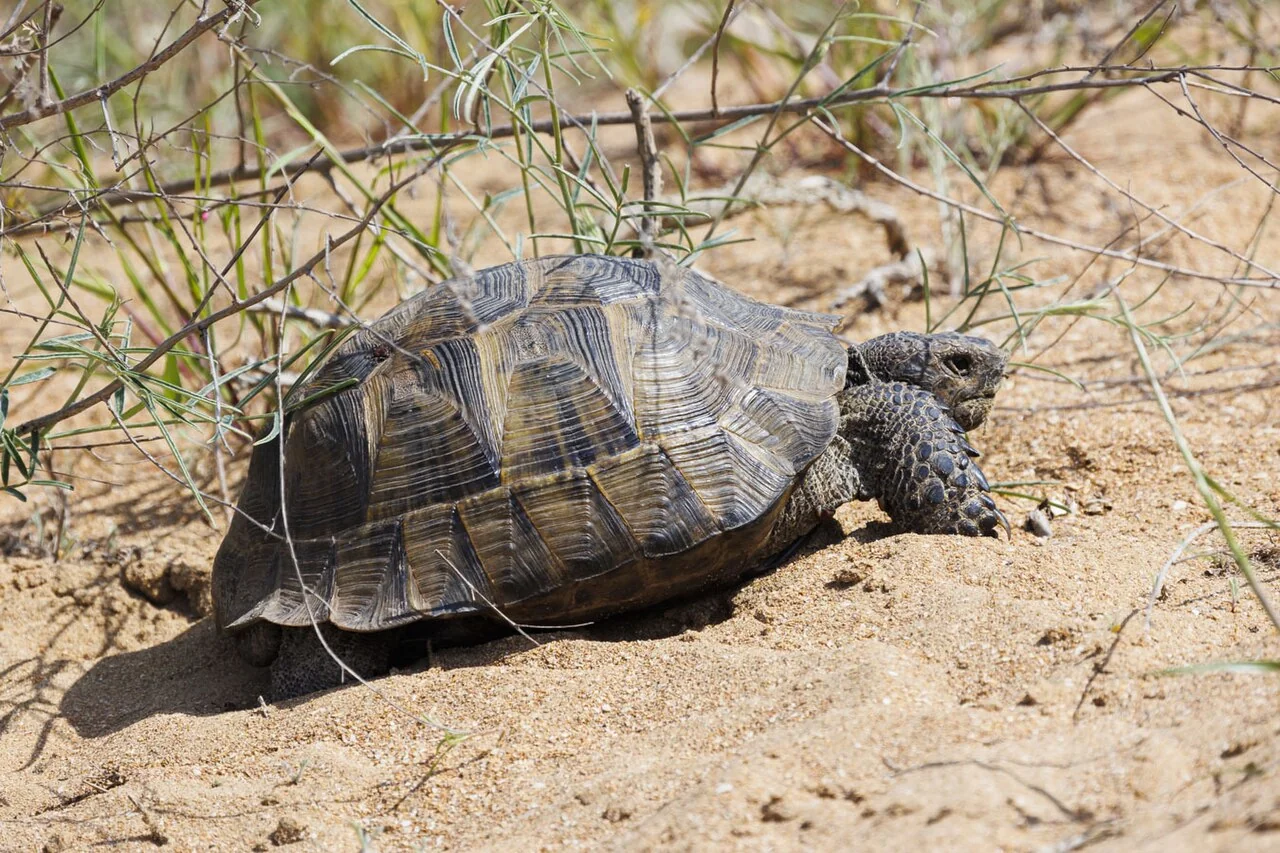
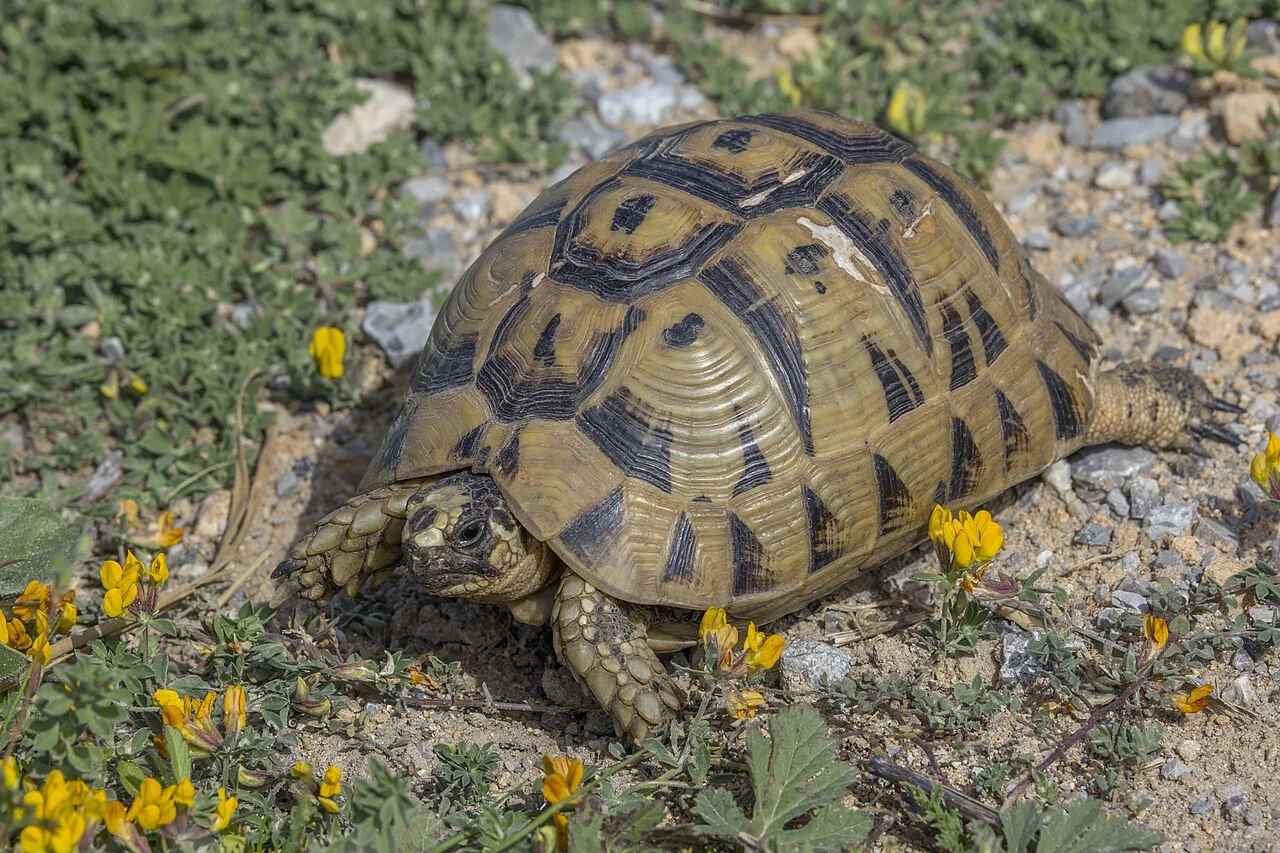
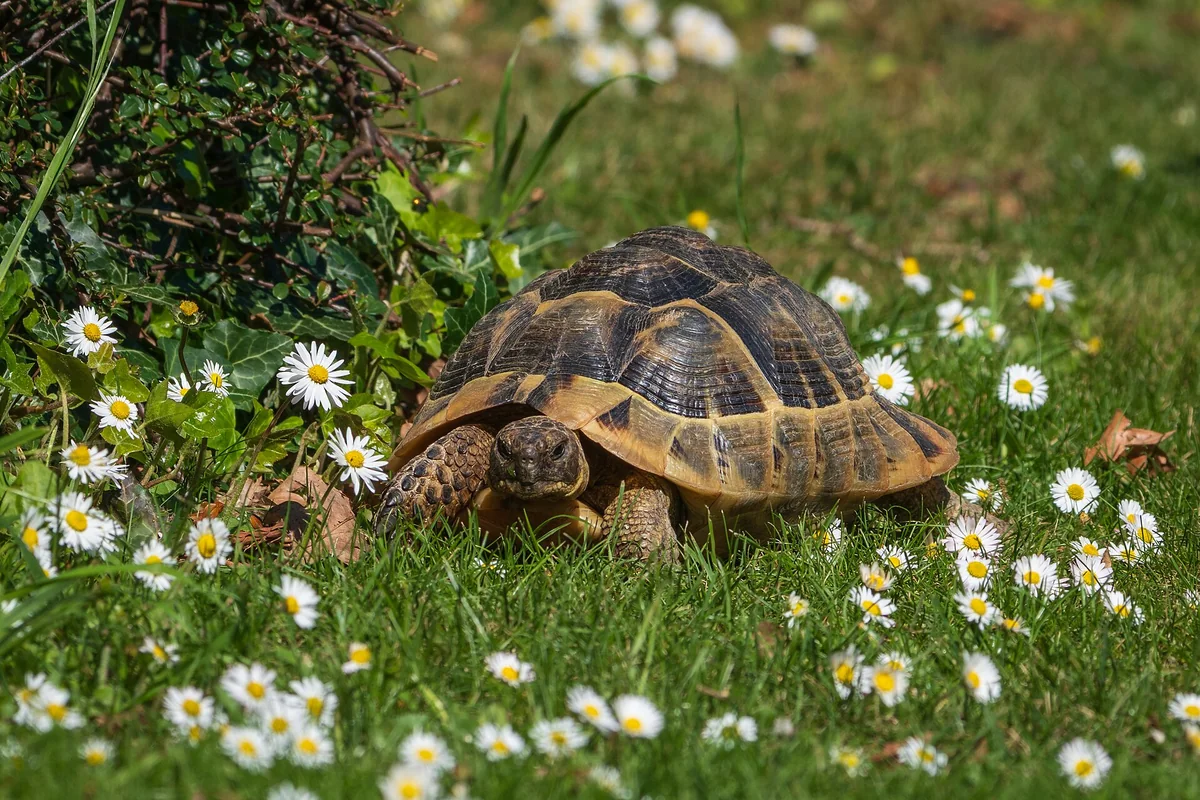
The spur-thighed tortoise is known scientifically as Testudo graeca. Its range extends from North Africa into parts of western Asia, taking in populations with different habitats, adult sizes and seasonal patterns. English speakers may also know it as the Greek tortoise. Hermann’s tortoise, Testudo hermanni, is a separate species despite the potentially confusing common names used in other languages.
Reliable identification and as much information about origin as possible make care planning much easier. Existing records, veterinary history and details of the previous care routine should stay with the animal. A tortoise-experienced practice can help interpret them. A single shell photograph may not be enough to identify a geographic form confidently, particularly when an older animal’s early history has been lost.
Sources for this section
- Basic Information Sheet: Greek or Spur-Thighed TortoiseLafeberVet, Christal Pollock DVM and Cindy Kanis; veterinary reviewed
- Spur-thighed, Hermann’s, marginated and Horsfield’s tortoisesRSPCA
- Hibernating tortoises: navigating the pitfallsBritish Veterinary Nursing Association, William Lewis
Design an outdoor enclosure with useful choices
A well-designed outdoor enclosure lets the tortoise move between edible plants, sunny patches and shaded retreats. The RSPCA recommends 10 square metres of outdoor space for one animal in its guidance covering these land tortoises. Extra room provides longer walking routes and makes it easier to create distinct warm, cool and sheltered areas. A protected space with appropriate heating is needed for unsuitable weather, with the setup adapted to the animal’s origin.
The ground should drain freely. Raised dry areas, soil suitable for digging and sturdy shelters give the tortoise choices. Boundaries need to prevent tunnelling underneath and climbing over; stones close to a wall can become steps. Rainwater should not collect in the sleeping area. Dogs and other potential predators must be kept out, and small tortoises also need suitable overhead protection.
Sources for this section
- Spur-thighed, Hermann’s, marginated and Horsfield’s tortoisesRSPCA
- Testudo graeca graecaTortoise Trust
- Providing a Home for a ReptileMerck Veterinary Manual, Stephen J. Divers
Check warmth and UVB where the tortoise actually rests
Warmth allows the tortoise to become active and digest food. During its active season, it needs a basking site and cooler areas it can reach freely. As a general reference for the species covered in its care sheet, the RSPCA gives around 35°C at the basking site and 20 to 25°C elsewhere during the day. For Testudo graeca, those settings should be checked against origin and the individual seasonal plan.
A cold frame can become much warmer than the surrounding garden in sunshine. Ventilation, shading and measurements at tortoise level are therefore essential parts of the setup. Glass removes much of the useful natural UVB. A suitable UVB lamp supports vitamin D3 production inside the shelter, helping the body use calcium. Output and distance should be checked for the animal’s actual position, with shade always accessible.
Read more: Getting heat and UVB right in a reptile enclosure
Sources for this section
- Spur-thighed, Hermann’s, marginated and Horsfield’s tortoisesRSPCA
- Testudo graeca graecaTortoise Trust
- UVB Lighting for ReptilesLafeberVet, Frances M. Baines, 2024
- Providing a Home for a ReptileMerck Veterinary Manual, Stephen J. Divers
Leafy forage, flowers and fresh water
A varied feeding routine is built mainly around fibrous plants. Correctly identified dandelion leaves, plantain and sow thistles are useful examples. Edible planting encourages the tortoise to search and walk while feeding. Collected forage should come from uncontaminated ground, with unfamiliar plants left out. Fruit should not be a regular part of feeding; the daily selection should centre on fibrous leaves and leafy weeds. Animal foods are not part of the routine feeding plan for these tortoises.
Calcium provision, supplements and quantities should fit growth, health and UVB exposure. Comparable weight records and shell photographs help follow a young animal’s development. Fresh water should always be available in a shallow stable dish. A low edge or nonslip ramp makes entering and leaving easier. Keeping the dish clean matters because tortoises may walk through it and leave soil or droppings behind.
Read more: Feeding reptiles: choose food for the species
Sources for this section
- Spur-thighed, Hermann’s, marginated and Horsfield’s tortoisesRSPCA
- Testudo graeca graecaTortoise Trust
- Nutrition in ReptilesMerck Veterinary Manual
Winter dormancy depends on origin
Some spur-thighed tortoises come from regions with cold winters and undergo winter dormancy. Other populations originate in warmer areas and remain active during winter. Summer resting periods may occur where conditions become very hot. These differences explain why a single overwintering routine cannot suit every animal labelled Testudo graeca.
Before a planned dormant period, a tortoise-experienced practice should assess origin, previous seasonal pattern, current health and weight history. An animal with an uncertain background needs that assessment first. A sudden loss of activity should not be treated by cooling the tortoise into presumed hibernation. Insufficient warmth or illness can also cause withdrawal. Breathing difficulty, marked weakness or serious injury requires immediate veterinary attention, regardless of the time of year.
Read more: Seasonal rest in reptiles: preparation and monitoring
Sources for this section
- Hibernating tortoises: navigating the pitfallsBritish Veterinary Nursing Association, William Lewis
- Testudo graeca graecaTortoise Trust
- Spur-thighed, Hermann’s, marginated and Horsfield’s tortoisesRSPCA
Arrange care for a very long life
Spur-thighed tortoises can live for many decades. Garden availability, future moves and people who could eventually take over are therefore part of the decision. Individual housing is possible. In groups, chasing, biting and repeated mounting can place considerable pressure on one animal. Hiding places alone do not resolve persistent conflict; separate fully equipped enclosures may be needed. Different tortoise species should be kept apart.
Daily observations of appetite, walking, eyes, nose and shell help build a useful picture of health. New swelling, discharge or weight loss needs prompt veterinary assessment. Necessary lifting should support the whole body from below. Hands should be washed after contact with the animal, droppings or equipment, with cleaning tools kept separate from kitchen items. Written care notes should explain the actual feeding and equipment routine for the next person.
Read more: Caring for reptiles as they grow and age
Sources for this section
- Spur-thighed, Hermann’s, marginated and Horsfield’s tortoisesRSPCA
- Basic Information Sheet: Greek or Spur-Thighed TortoiseLafeberVet, Christal Pollock DVM and Cindy Kanis; veterinary reviewed
- Reptiles and AmphibiansCenters for Disease Control and Prevention
Common questions
Do all spur-thighed tortoises hibernate?
No. Some populations undergo winter dormancy, while others remain active under suitable conditions. Origin and previous seasonal history should be reviewed with a tortoise-experienced practice before planning winter care.
A closer look
Sources and photo credit
- Providing a Home for a ReptileMerck Veterinary Manual, Stephen J. Divers
- UVB Lighting for ReptilesLafeberVet, Frances M. Baines, 2024
- Nutrition in ReptilesMerck Veterinary Manual
- Reptiles and AmphibiansCenters for Disease Control and Prevention
- Spur-thighed, Hermann’s, marginated and Horsfield’s tortoisesRSPCA
- Hibernating tortoises: navigating the pitfallsBritish Veterinary Nursing Association, William Lewis
- Testudo graeca graecaTortoise Trust
- Basic Information Sheet: Greek or Spur-Thighed TortoiseLafeberVet, Christal Pollock DVM and Cindy Kanis; veterinary reviewed
Photo: Moorse landschildpad - Spur-thighed Tortoise - Testudo graeca.jpg · Bouke ten Cate · CC BY 4.0. Resized and converted to WebP; scene unchanged.
Photo: Testudo graeca11.JPG · Hadali · CC BY-SA 3.0. Resized and converted to WebP; scene unchanged.
Photo: Testudo graeca Dagestan.jpg · Михаил Голомысов · CC BY 4.0. Resized and converted to WebP; scene unchanged.
Photo: Tunisian tortoise (Testudo graeca nabeulensis) male Cap Bon 2.jpg · Charles J. Sharp · CC BY-SA 4.0. Resized and converted to WebP; scene unchanged.


_male_Cap_Bon_2.jpg)