fellfolio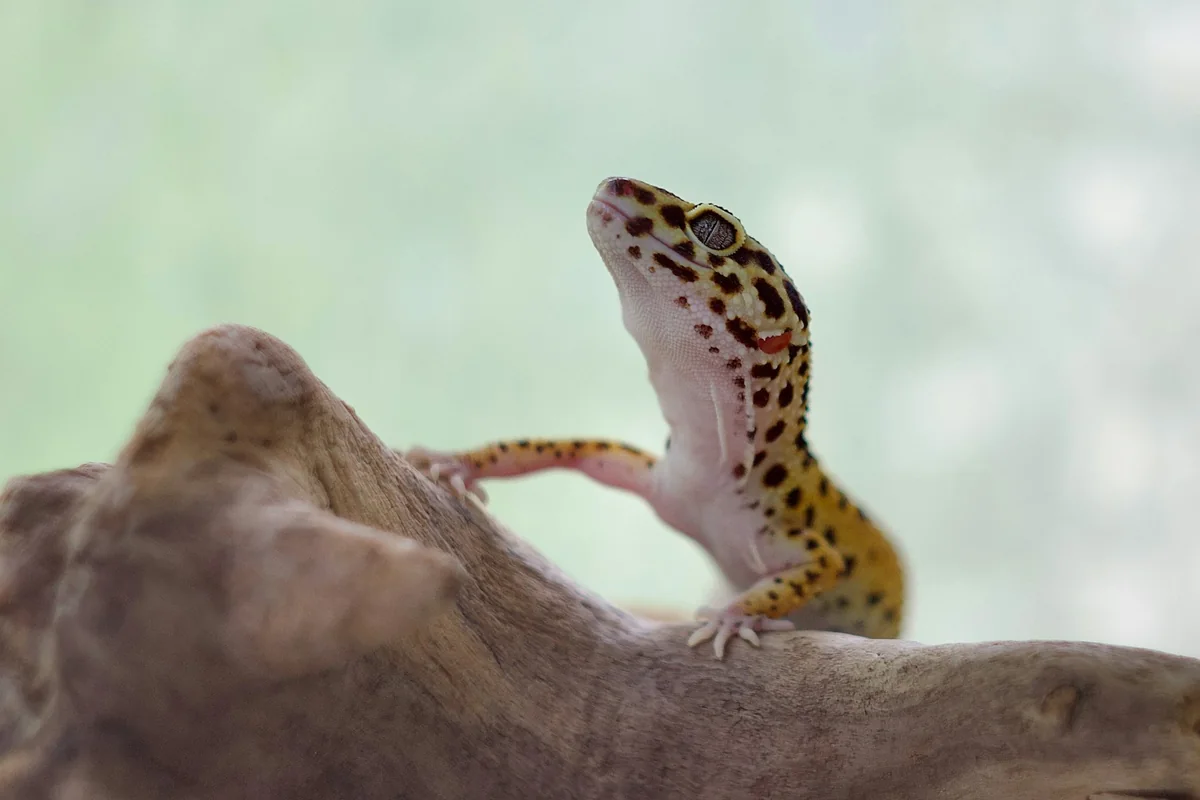
Plan around the species
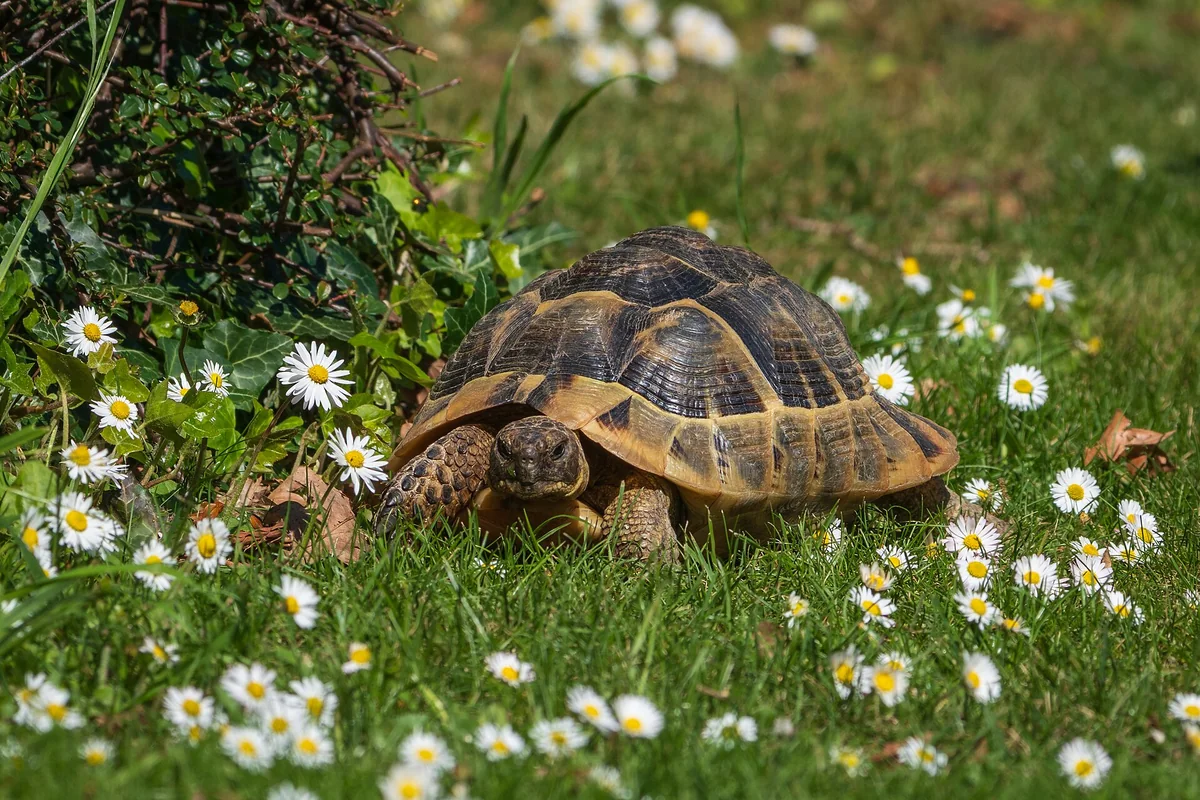
When taking on a reptile, establish its scientific name, known age and previous care routine. Leopard geckos may live for around 20 years, while a Hermann’s tortoise may need care for many decades. This affects plans for moving home, holidays and eventually passing responsibility to another person.
Adult size matters too. Accommodation should be expanded before a growing animal has to squeeze into its resting places. Occasional photographs with a size reference can help show changes that are difficult to notice from day to day. A future enclosure also needs an identified location and budget.
Read more: Keeping reptiles: habitat and daily care before arrival
Sources for this section
- How to care for a leopard geckoRSPCA
- Steckbrief: Griechische LandschildkröteDeutscher Tierschutzbund
Make resources easy for a youngster to reach
A young reptile needs reliable access to food, shelter and suitable temperatures. An arboreal gecko benefits from sheltered routes through branches and foliage. A ground-dwelling species needs accessible retreats in different temperature zones, so choosing a warmer place does not require giving up cover.
Growing animals depend on appropriate calcium and vitamin D provision. The combination includes a suitable diet and correctly arranged UVB lighting where required. Supplements should fit the food already being offered. Several products may supply the same nutrients, so combining them without checking can produce an excessive intake.
Read more: Getting heat and UVB right in a reptile enclosure
Sources for this section
- Places for reptiles to hideRSPCA
- Simple Things Your Reptile Might Be MissingUniversity of Illinois College of Veterinary Medicine
- Nutrition in ReptilesMerck Veterinary Manual
Review feeding as growth slows
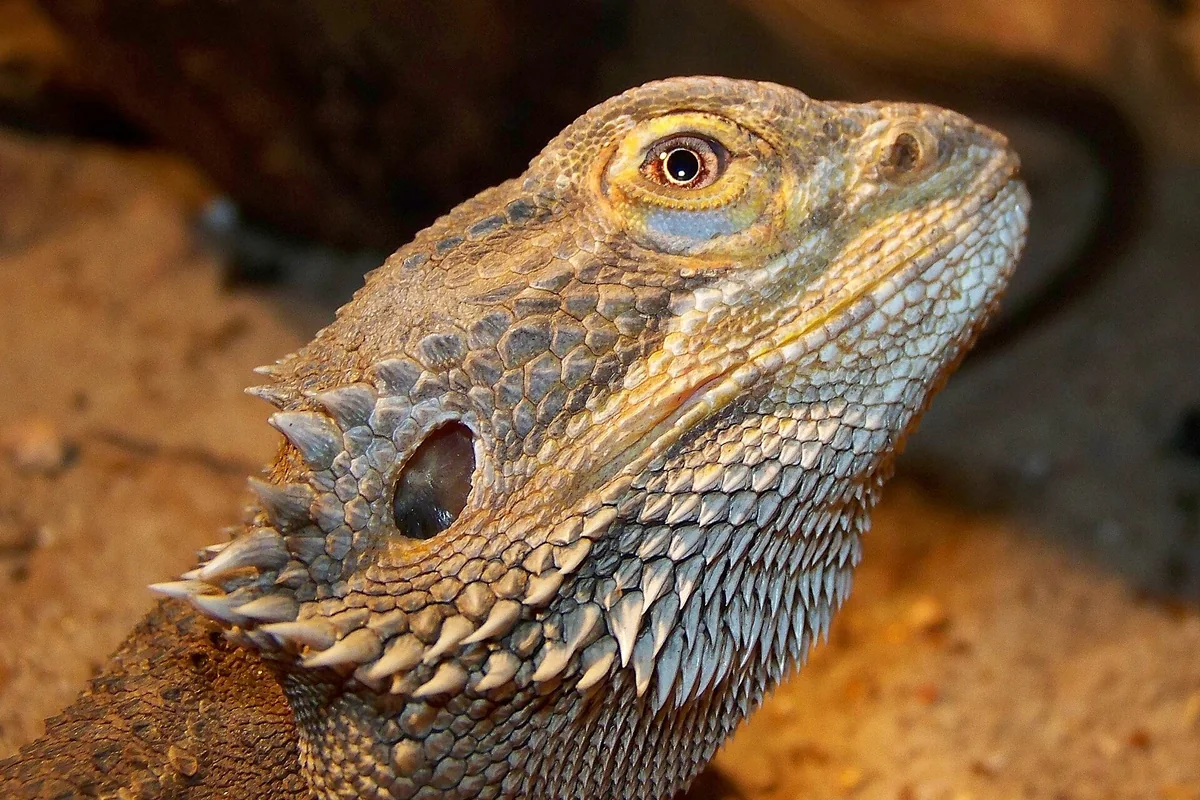
A feeding routine suitable for a youngster may need changing later. Bearded dragons eat different proportions of insects and plant foods as they mature. Corn snakes progress to larger prey, and the interval between meals can increase. Other species have their own patterns rather than sharing one reptile feeding schedule.
Repeated weights are useful alongside body shape, activity and food intake. A recent meal or bowel movement can affect an individual reading. A sequence of observations makes a persistent trend easier to recognise. At the initial appointment, a reptile vet can demonstrate an appropriate way to weigh and assess the animal.
Read more: Feeding reptiles: choose food for the species
Sources for this section
- How to care for your bearded dragonRSPCA
- How to care for a corn snakeRSPCA
- Routine Health Care of ReptilesMerck Veterinary Manual
Reproductive maturity brings new considerations
Mature females can develop eggs without a male present. A female leopard gecko, for example, may need a suitable laying site. Marked abdominal swelling, straining or weakness needs assessment by a reptile vet. Appearance alone cannot reliably distinguish ordinary egg development from a reproductive problem.
In territorial species, sharing accommodation may become especially difficult as animals mature. The RSPCA recommends keeping leopard geckos individually. Adding a companion is therefore not a general improvement for an adult reptile. Social arrangements should follow the needs of the particular species and leave no animal competing for essential resources.
Read more: Leopard gecko care: habitat, feeding and health
Sources for this section
- How to care for a leopard geckoRSPCA
- Disorders and Diseases of ReptilesMerck Veterinary Manual
Investigate changes in an older animal
There is no single age at which reptiles become seniors. Comparing an animal with its own previous behaviour is more useful: does it use familiar routes, grip branches securely and reach its water easily? New difficulty walking, weight loss or repeated shedding problems should be examined.
Following professional assessment, gentler slopes, better grip or more accessible dishes may help. Lowering a basking ledge or moving a branch also changes the distance from the lights. Heat and UV exposure should therefore be checked again at the new resting position, rather than assuming the previous settings still deliver the same conditions.
Read more: Humidity and shedding in reptiles
Sources for this section
- Routine Health Care of ReptilesMerck Veterinary Manual
- Providing a Home for a ReptileMerck Veterinary Manual
- UVB lighting for reptilesFrances M. Baines, veterinary surgeon; LafeberVet
Keep a useful history of care
A brief record of weights, feeding, sheds and unusual behaviour helps make later decisions more informed. Photographs of the enclosure and actual temperature readings are useful at appointments too. The wattage printed on a bulb does not explain the conditions the animal experiences.
For species with a winter rest period, previous seasonal routines also matter. Whether and how dormancy is prepared depends on species, origin and health. Missing information about a newly acquired animal is worth discussing with a reptile vet before changing its seasonal care.
Read more: Seasonal rest in reptiles: preparation and monitoring
Sources for this section
- Management and Husbandry of ReptilesMerck Veterinary Manual
- The Tortoise and Its CareUniversity of Illinois College of Veterinary Medicine
Sources and photo credit
- How to care for a leopard geckoRSPCA
- Steckbrief: Griechische LandschildkröteDeutscher Tierschutzbund
- Places for reptiles to hideRSPCA
- Simple Things Your Reptile Might Be MissingUniversity of Illinois College of Veterinary Medicine
- Nutrition in ReptilesMerck Veterinary Manual
- How to care for your bearded dragonRSPCA
- How to care for a corn snakeRSPCA
- Routine Health Care of ReptilesMerck Veterinary Manual
- Disorders and Diseases of ReptilesMerck Veterinary Manual
- Providing a Home for a ReptileMerck Veterinary Manual
- UVB lighting for reptilesFrances M. Baines, veterinary surgeon; LafeberVet
- Management and Husbandry of ReptilesMerck Veterinary Manual
- The Tortoise and Its CareUniversity of Illinois College of Veterinary Medicine
Photo: A leopard gecko rests on a piece of driftwood · Andrey Tikhonovskiy · Unsplash License. Cropped and resized from an existing Fellfolio photo, then converted to WebP