fellfolio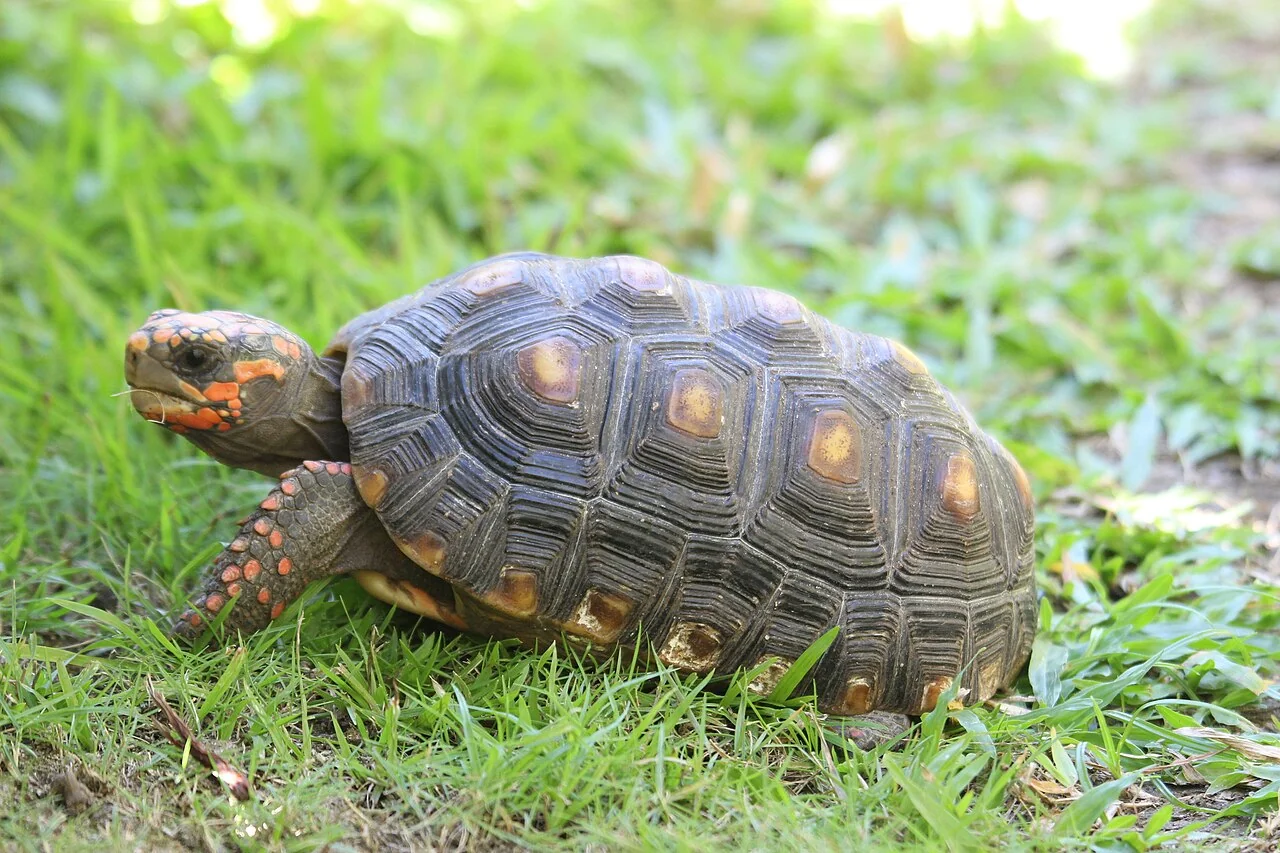
A tropical tortoise with a very long life
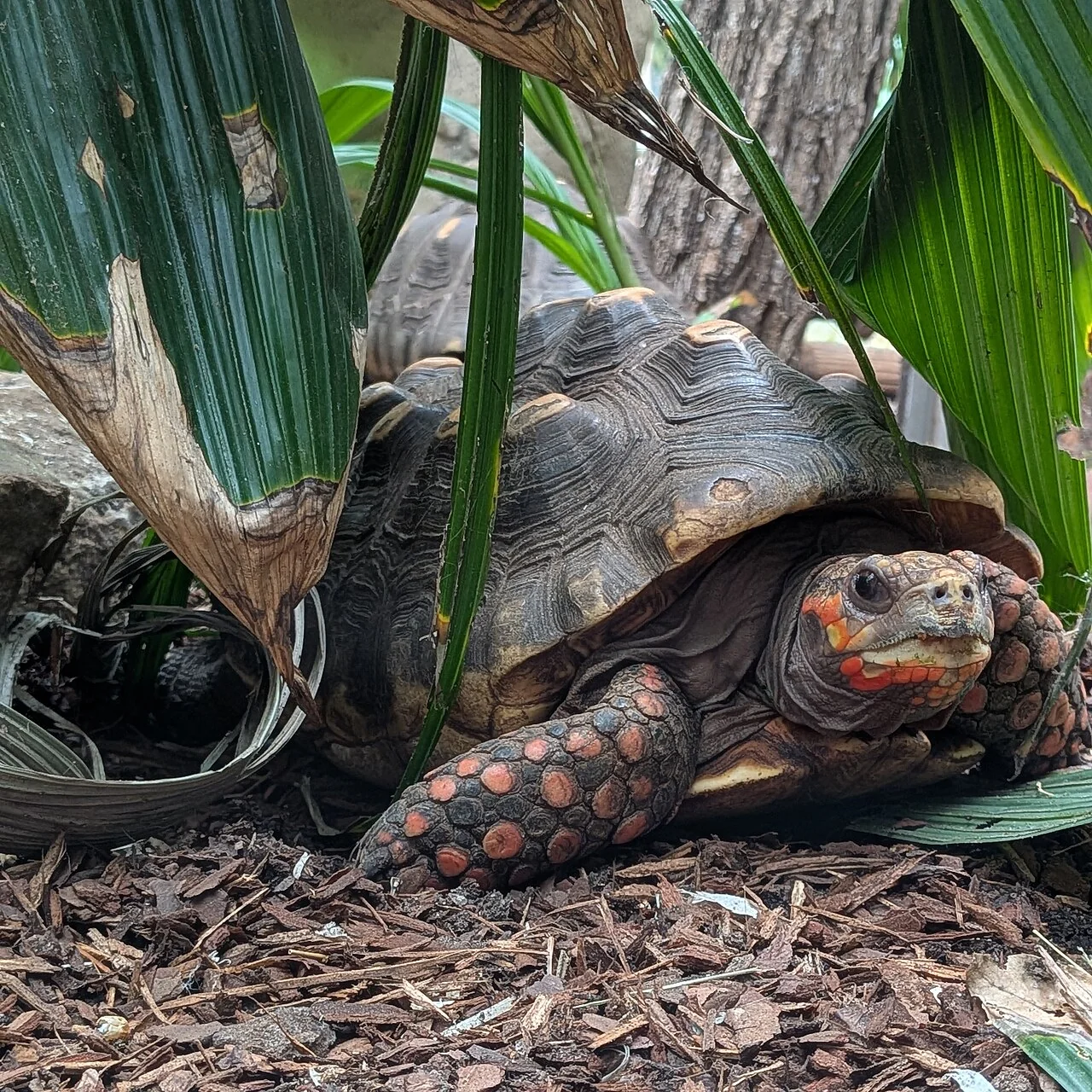
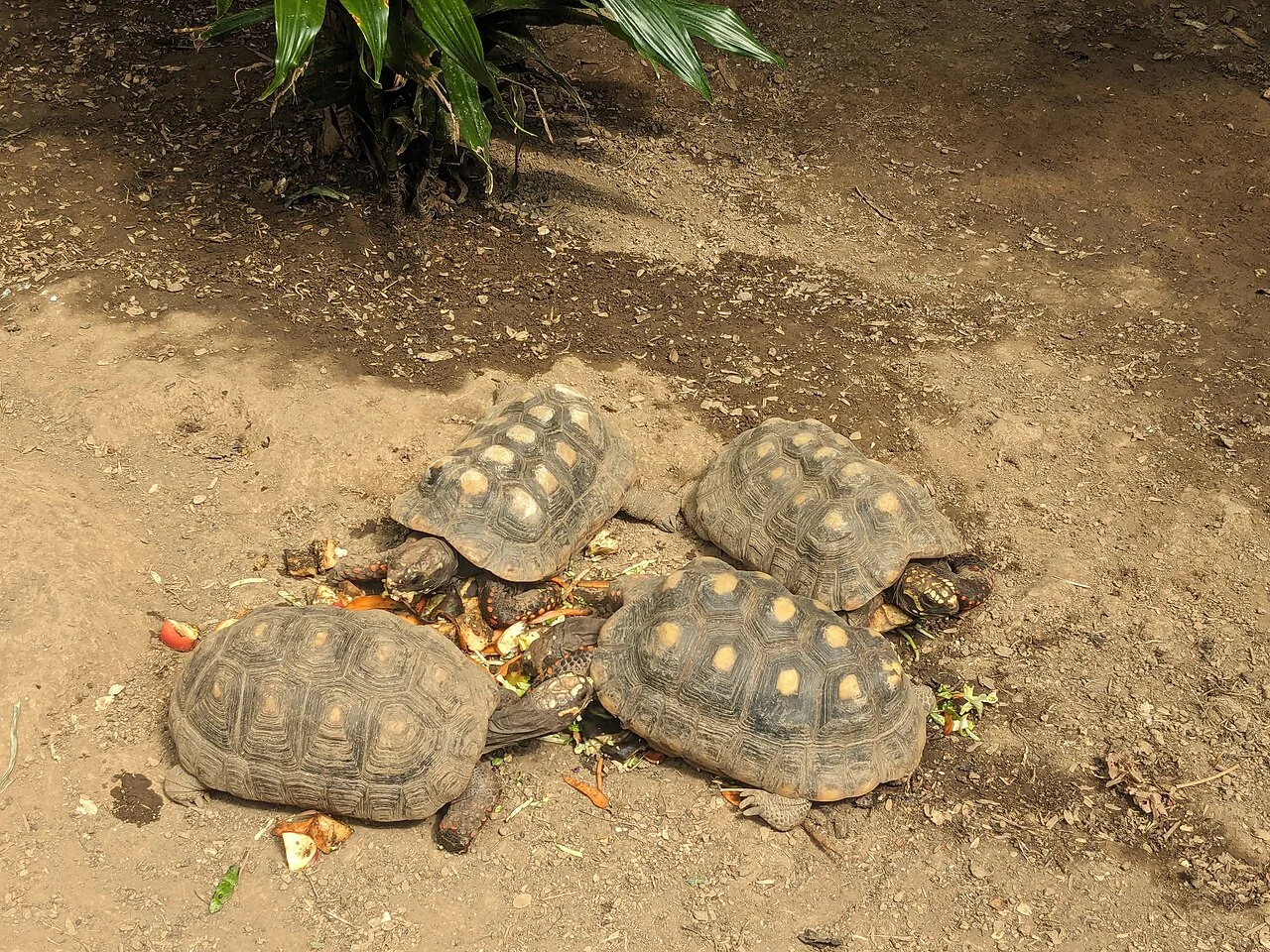
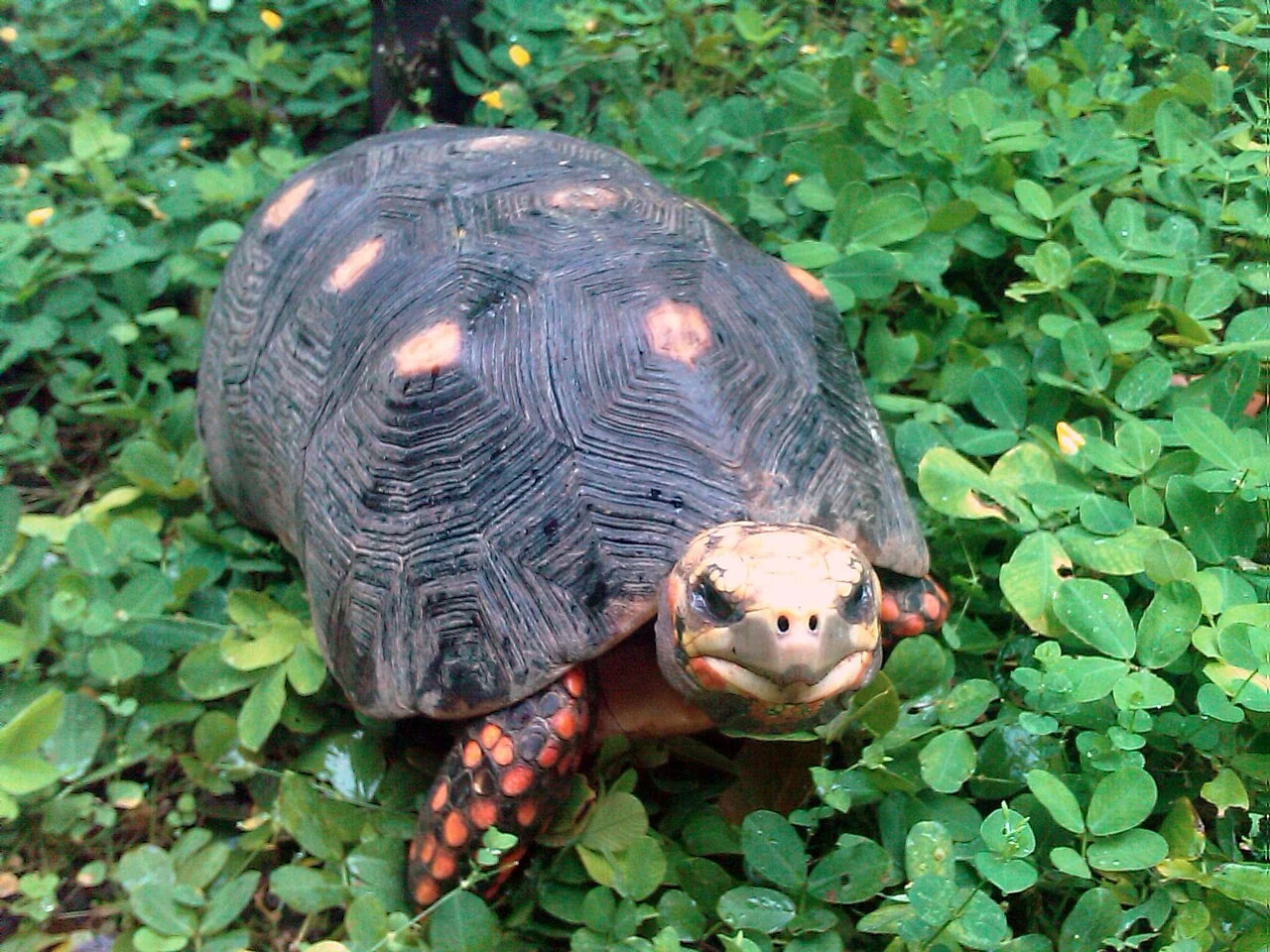
Red-footed tortoises come from South America and neighbouring areas, occupying habitats that include forests, forest edges and savannas. Orange to red scales stand out against their dark legs. Their current scientific name is Chelonoidis carbonarius, although older veterinary and zoo material often uses carbonaria.
Adults commonly reach around 30 to more than 40 centimetres in shell length. Their space requirements and weight therefore grow far beyond those of a young tortoise. The Smithsonian reports lifespans of 50 years or more. Permanent indoor accommodation, heating costs and long-term care arrangements all belong in the decision. A garden that is suitable during warm summer weather cannot provide year-round care in a temperate climate without substantial additional accommodation.
Sources for this section
- Red-footed tortoiseSmithsonian’s National Zoo and Conservation Biology Institute
- Red-footed Tortoise Fact SheetThe Maryland Zoo
- Red-Footed Tortoise Care SheetReptiFiles, original specialist husbandry guidance
- Chelonoidis carbonariusThe Reptile Database, Peter Uetz and Jakob Hallermann
Make several square metres genuinely usable
An adult needs a substantial floor area for walking. ReptiFiles recommends planning an enclosure eight adult shell lengths long and four shell lengths wide. For a 30-centimetre tortoise, that works out at 2.4 by 1.2 metres, with larger animals needing correspondingly more room. Extra space allows longer routes and distinct feeding, basking and resting areas.
The substrate should retain moisture without remaining waterlogged. Suitable soil, coconut fibre and clean leaf litter can create areas with different moisture levels. Sturdy hides need enough room for the animal to turn around, and heavy furnishings must not topple if soil is moved beneath them. In warm weather, a secure outdoor area can add variety, with shade, water and suitable warmth immediately available. The indoor setup needs to remain ready for use.
Sources for this section
- Red-Footed Tortoise Care SheetReptiFiles, original specialist husbandry guidance
- Redfoot Tortoise CareAurora Animal Hospital, Dayna Willems DVM
- Red-foot Tortoise CareChicago Exotics Animal Hospital, Erica Mede CVT
- Providing a Home for a ReptileMerck Veterinary Manual, Stephen J. Divers
Manage warmth, humidity and light together
Chicago Exotics gives a daytime range of roughly 23 to 27°C for this species, with a warmer basking site around 28 to 32°C. Its guidance keeps nights above approximately 21°C. Several measurements at tortoise level show whether warmth and cooler retreats are both available. A compatible thermostat controls heating, and hot equipment must remain inaccessible.
Aurora Animal Hospital recommends 60 to 80 per cent humidity. A hygrometer measures that value. Moist retreats, drinking water and good ventilation need to work together; saturated, poorly ventilated ground does not provide the same conditions. The setup for young animals should be reviewed with an experienced practice. Suitable UVB lighting is needed during the day to support vitamin D3 production and calcium use. Nights should stay dark, with any necessary heat provided without visible light.
Read more: Getting heat and UVB right in a reptile enclosure · Humidity and shedding in reptiles
Sources for this section
- Red-foot Tortoise CareChicago Exotics Animal Hospital, Erica Mede CVT
- Redfoot Tortoise CareAurora Animal Hospital, Dayna Willems DVM
- UVB Lighting for ReptilesLafeberVet, Frances M. Baines, 2024
- Providing a Home for a ReptileMerck Veterinary Manual, Stephen J. Divers
Leafy foods with a small animal-food component
Red-footed tortoises eat mainly plant material but also take small invertebrates in the wild. Leaves, flowers and other suitable plant foods therefore form the main part of the feeding routine. Correctly identified dandelion leaves and endive can contribute to a varied selection. Some fruit can be offered alongside them, without turning the whole meal into fruit.
Small amounts of suitable animal food, such as earthworms from a reliable feeder supplier, may form part of the agreed routine. Dog and cat food are unsuitable choices. Amounts and frequency should fit age, body condition and the rest of the diet. Any formulated tortoise food needs to suit a species that eats mainly plants while also taking some animal food. Calcium and other supplements should be planned alongside the complete diet and UVB provision.
Read more: Feeding reptiles: choose food for the species
Sources for this section
- Red-footed tortoiseSmithsonian’s National Zoo and Conservation Biology Institute
- Red-footed Tortoise Fact SheetThe Maryland Zoo
- Red-foot Tortoise CareChicago Exotics Animal Hospital, Erica Mede CVT
- Tropical Tortoise Care SheetPetMD, veterinary reviewed
- Nutrition in ReptilesMerck Veterinary Manual
Keep water and living areas clean
A stable shallow water dish should be large enough for the tortoise to enter and leave independently, with a nonslip approach. Red-footed tortoises sometimes pass droppings in water, so dirty water needs replacing promptly and the dish needs cleaning. Keeping a second clean dish available makes replacement easier while the first is being washed.
Droppings and uneaten food should be removed regularly. In a warm, humid enclosure, the areas beneath hides and around feeding places deserve close attention. Contaminated substrate should be replaced before persistently wet patches develop. Hands should be washed after care tasks. Bowls and cleaning tools need to be maintained separately from dishes and kitchen equipment. Accessible gauges and a clearly explained daily routine are particularly useful when a holiday carer takes over.
Sources for this section
- Redfoot Tortoise CareAurora Animal Hospital, Dayna Willems DVM
- Red-foot Tortoise CareChicago Exotics Animal Hospital, Erica Mede CVT
- Tropical Tortoise Care SheetPetMD, veterinary reviewed
- Reptiles and AmphibiansCenters for Disease Control and Prevention
Active year-round, with changes followed carefully
Red-footed tortoises do not hibernate. They need suitable warmth, lighting, food and water throughout winter. If an animal becomes markedly quieter or eats less, its measured conditions should be checked and the change discussed promptly with a veterinarian. Breathing difficulty, severe weakness or serious injury requires immediate help. Weight records and photographs can show the practice how the animal has changed.
Individual housing is possible. In groups, males may chase and ram other animals. Persistent conflict, injuries or exclusion from food and resting areas calls for separate suitable accommodation. Other tortoise species should not be added. Necessary lifting should support the whole body. Calm interaction during routine care provides opportunities to observe the animal without repeatedly removing it from its enclosure.
Read more: Caring for reptiles as they grow and age
Sources for this section
- Red-foot Tortoise CareChicago Exotics Animal Hospital, Erica Mede CVT
- Hibernating tortoises: navigating the pitfallsBritish Veterinary Nursing Association, William Lewis
- Tropical Tortoise Care SheetPetMD, veterinary reviewed
- Red-footed tortoiseSmithsonian’s National Zoo and Conservation Biology Institute
- Red-Footed Tortoise Care SheetReptiFiles, original specialist husbandry guidance
Common questions
Can a red-footed tortoise spend winter outdoors?
An unheated outdoor enclosure is unsuitable during a temperate winter. This species does not hibernate and needs suitable warmth, light and daily care in properly equipped accommodation throughout the year.
A closer look
Sources and photo credit
- Providing a Home for a ReptileMerck Veterinary Manual, Stephen J. Divers
- UVB Lighting for ReptilesLafeberVet, Frances M. Baines, 2024
- Nutrition in ReptilesMerck Veterinary Manual
- Reptiles and AmphibiansCenters for Disease Control and Prevention
- Hibernating tortoises: navigating the pitfallsBritish Veterinary Nursing Association, William Lewis
- Red-footed tortoiseSmithsonian’s National Zoo and Conservation Biology Institute
- Red-footed Tortoise Fact SheetThe Maryland Zoo
- Red-foot Tortoise CareChicago Exotics Animal Hospital, Erica Mede CVT
- Redfoot Tortoise CareAurora Animal Hospital, Dayna Willems DVM
- Tropical Tortoise Care SheetPetMD, veterinary reviewed
- Red-Footed Tortoise Care SheetReptiFiles, original specialist husbandry guidance
- Chelonoidis carbonariusThe Reptile Database, Peter Uetz and Jakob Hallermann
Photo: Chelonoidis carbonarius 386013561.jpg · Mike Brady · CC BY 4.0. Resized and converted to WebP; scene unchanged.
Photo: Chelonoidis carbonarius Beauval.jpg · Pharma · CC0. Resized and converted to WebP; scene unchanged.
Photo: Red-footed tortoises eating fruit.jpg · Hannah Clover · CC BY 4.0. Resized and converted to WebP; scene unchanged.
Photo: Tortuga morrocoy Sabanero.jpg · Flints · CC BY-SA 3.0. Resized and converted to WebP; scene unchanged.