fellfolio
Build a connected climbing space
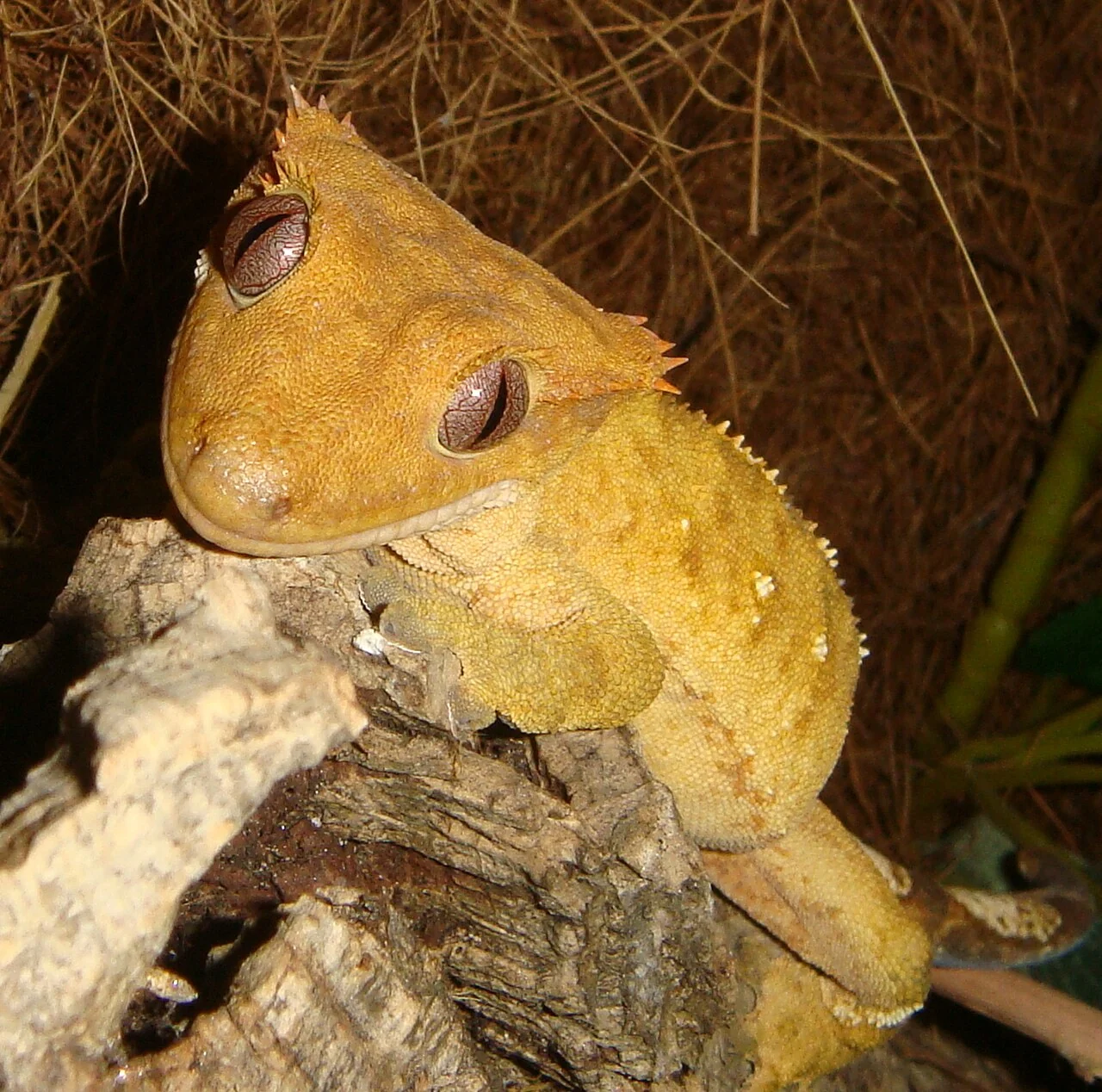
Crested geckos are tree-dwelling reptiles from New Caledonia and are most active around dusk and dawn. The RSPCA gives 45 cm wide, 60 cm tall and 45 cm deep as the minimum adult enclosure size. Extra usable height and space make it easier to create distinct places to rest and explore. The enclosure needs a secure closure and effective ventilation.
Branches and vines should form routes between perches rather than isolated decorations. Foliage and accessible hides offer shelter at different heights. As you arrange the space, check whether the gecko can reach warmer, cooler, brighter and shaded spots while still feeling covered. Secure retreats support normal use of the enclosure, including time spent out of sight.
Sources for this section
- Crested gecko careRSPCA
- Providing a Home for a ReptileMerck Veterinary Manual
- Why do reptiles need hides?RSPCA
Measure heat and light at perch level
The RSPCA recommends a basking area of 26 to 28 °C, a cooler area of 20 to 24 °C and a night range of 18 to 20 °C. Put controlled heat on one side so the gecko can move between temperatures. Use a thermostat, then confirm the conditions with digital thermometers at the places the animal can occupy; the thermostat setting alone does not describe every perch.
Offer UVB within a layout that also includes accessible shade. UVB helps reptiles make vitamin D3, which enables normal calcium use. Lamp strength and placement depend on the equipment. The ultraviolet index, or UVI, describes UV exposure at the gecko’s perch; a suitable meter helps you check it there. Lights stay off at night.
Sources for this section
- Crested gecko careRSPCA
- Providing a Home for a ReptileMerck Veterinary Manual
Misting, measuring and drying
The RSPCA describes a baseline relative humidity of 40 to 50 percent, with temporary rises to around 80 percent after misting. Check more than the reading immediately after a spray: the enclosure should also have time to dry. Air movement matters, and the substrate should not remain waterlogged. A pattern of rising and falling humidity is more informative than a single reading.
Fresh water should always be available, even if the gecko licks droplets from leaves. Juveniles shed more often as they grow. Check toes and feet after a shed. Skin that stays attached or repeatedly causes trouble warrants reptile veterinary advice. Humidity readings and the time the enclosure takes to dry provide useful context for the clinician.
Sources for this section
- Crested gecko careRSPCA
- Providing a Home for a ReptileMerck Veterinary Manual
- Crested Gecko Care SheetPetMD, veterinary reviewed
Choose a complete diet and suitable insects
Use a nutritionally complete crested gecko diet as the regular food base, mixed fresh with water according to its instructions. It is different from plain fruit purée: the complete formula is designed to provide the necessary nutrients, including minerals. Offer suitable, well-fed feeder insects alongside it. Small portions of fruit can be an extra, but plain fruit purée cannot replace the complete diet. A reptile veterinarian can help align the overall food and supplement plan when its balance is unclear.
Suitable feeder insects such as crickets or small roaches should be fed and hydrated before they are offered. Their size should suit the gecko’s mouth; PetMD advises no insect wider than the gecko’s head. Calcium and vitamin dusting depends in part on the complete food and UVB setup, so follow the chosen feeding plan rather than adding supplements by guesswork. Remove uneaten live insects because they can injure the resting gecko.
Put food dishes at an easy-to-reach climbing spot. Prepared food spoils and should be removed by the following day, with the dish cleaned. Growth and weight are especially useful checks in young geckos, while adult weight should stay reasonably steady. An occasional missed feed tells you less than a sustained drop in appetite alongside changes in weight or droppings.
Sources for this section
- Crested gecko careRSPCA
- Providing a Home for a ReptileMerck Veterinary Manual
- Crested Gecko Care SheetPetMD, veterinary reviewed
Keep handling calm and optional
A crested gecko does not need frequent handling for companionship. When you need to move or inspect it, work slowly and let it step onto your hands where possible. Support its body without gripping it, and keep contact brief. Because it can leap suddenly, keep any necessary handling low over a soft surface.
A crested gecko can drop its tail, and the tail does not regrow. Avoid pulling on it or chasing the animal into a corner. Housing one gecko avoids competition over food and shelter; males in particular can fight. Its usual routes and resting places are easier to learn by watching it when it becomes active at dusk.
Sources for this section
- Crested gecko careRSPCA
- Crested Gecko Care SheetPetMD, veterinary reviewed
Notice trends and know when to call a vet
Weigh your gecko regularly under comparable conditions, and note its food intake, droppings and activity. After a shed, check whether retained skin is constricting any toes. A short record helps distinguish an ongoing change from a single observation and gives a reptile veterinarian useful detail if you need an appointment.
Contact a reptile veterinarian for persistent stuck shed, weight loss, abnormal stool, or swollen limbs or mouth. These signs call for an assessment rather than home treatment. Bring your observations and enclosure measurements so the clinician can consider the animal and its environment together. Continue routine cleaning and fresh water while you arrange advice.
Sources for this section
- Crested gecko careRSPCA
- Providing a Home for a ReptileMerck Veterinary Manual
Common questions
Why does my crested gecko hide during the day?
Crested geckos are most active around dusk and dawn, so daytime rest in a sheltered spot can fit their normal rhythm. Keep watching appetite, weight and activity over time.
Should the enclosure stay damp all the time?
No. After misting, allow a drying period with good ventilation. The substrate should not remain waterlogged.
When should I ask for help with shedding?
Ask a reptile veterinarian about skin that remains stuck, especially when it repeatedly affects toes or feet. Your humidity readings and notes on drying can provide useful context.
A closer look

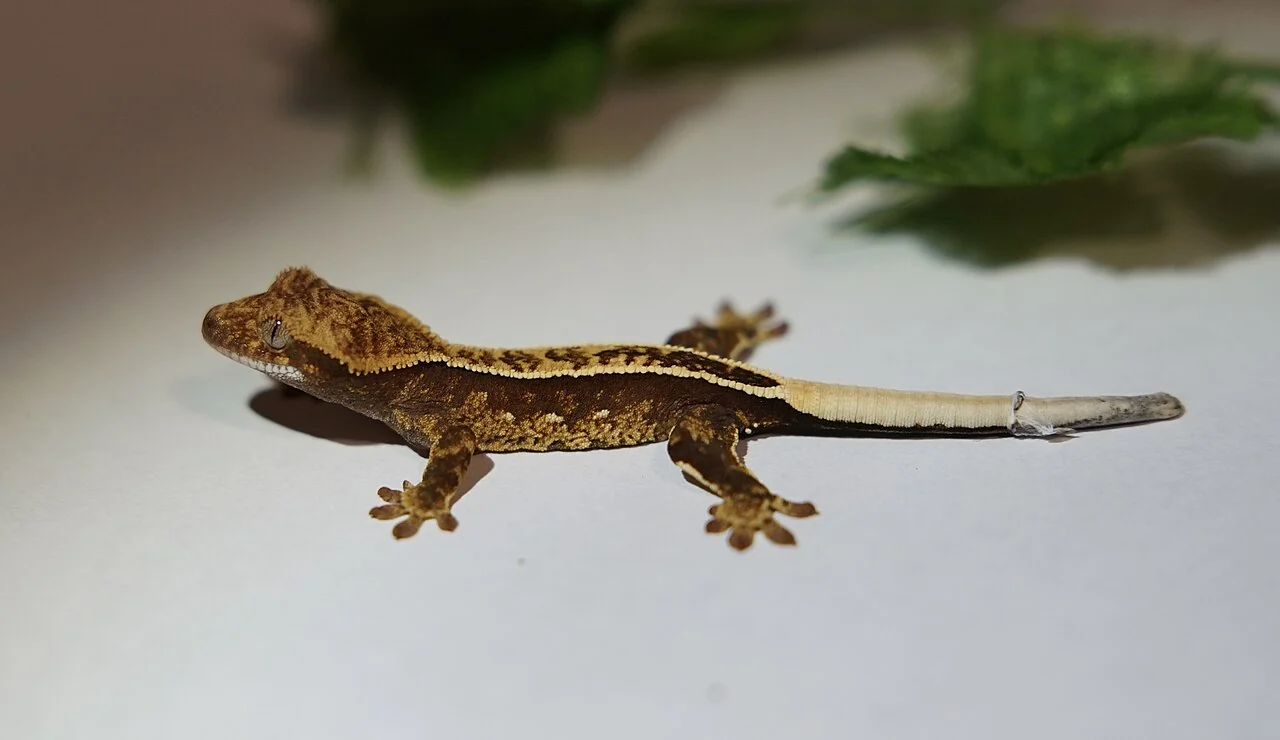
Sources and photo credit
- Crested gecko careRSPCA
- Providing a Home for a ReptileMerck Veterinary Manual
- Why do reptiles need hides?RSPCA
- Crested Gecko Care SheetPetMD, veterinary reviewed
Photo: Correlophus ciliatus 33484989.jpg · Lennart Hudel · CC BY 4.0. Resized and converted to WebP; scene unchanged.
Photo: Correlophus ciliatus 33605448.jpg · Lennart Hudel · CC BY 4.0. Resized and converted to WebP; scene unchanged.
Photo: Gekon orzęsiony, Correlophus ciliatus.jpg · Dr.Zoidberg2186 · CC BY 4.0. Resized and converted to WebP; scene unchanged.
Photo: Rhacodactylus ciliatus male.jpg · Hexasoft · CC BY-SA 3.0. Resized and converted to WebP; scene unchanged.