 fellfolio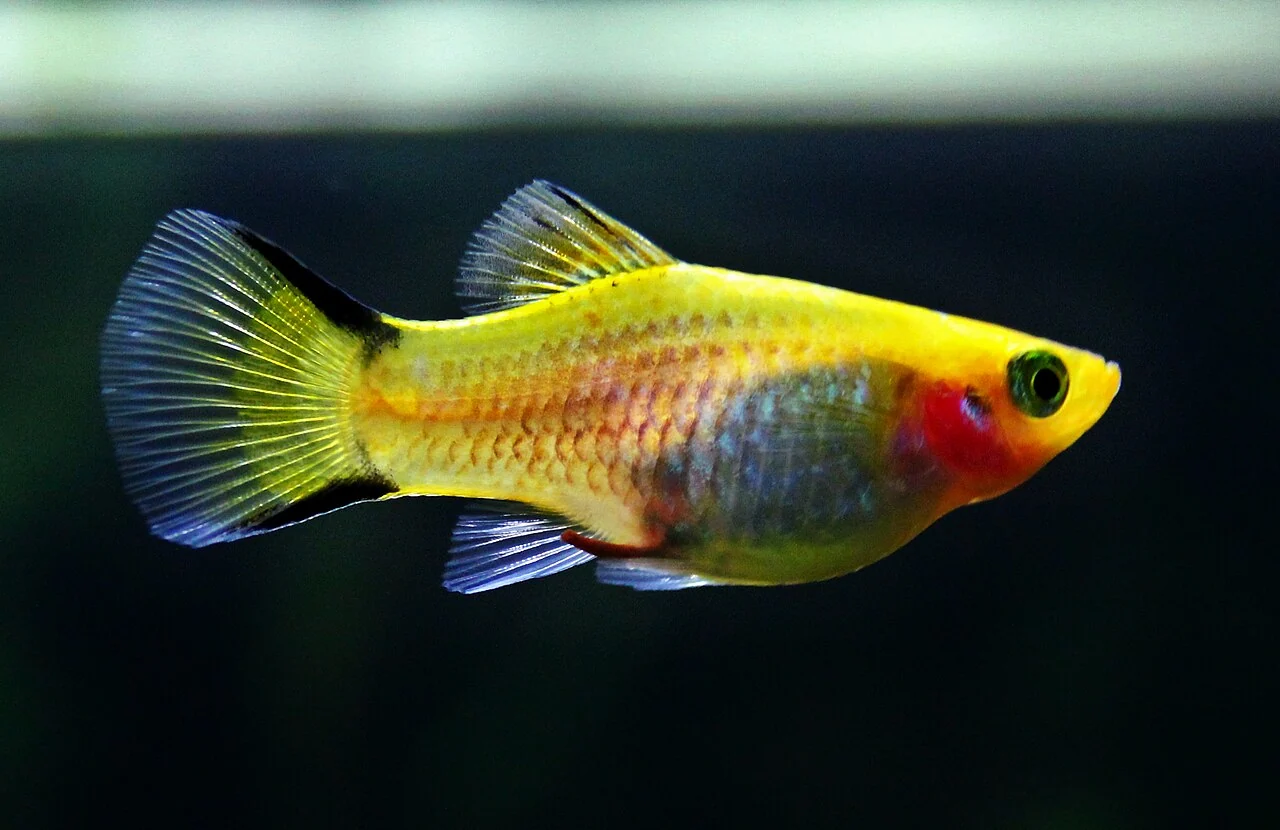
Distinguish platies from swordtails
Xiphophorus maculatus has a compact shape and lacks the elongated lower tail seen in male swordtails. A missing sword alone cannot identify a juvenile or female fish, however. Check the source and label of the animals before buying for a specific species group.
Males have a modified anal fin called a gonopodium; in females this fin remains fan shaped. These traits help establish the composition of a group. The fish may live for several years, so space and care need to extend well beyond the first few months.
Sources for this section
- How to look after platies and swordtailsOATA
- Freshwater Ornamental Fish Commonly Cultured in FloridaUniversity of Florida IFAS Extension
Combine swimming space and planted refuge
OATA gives 45 litres as a lower recommendation for a small platy group. Adults and possible offspring may soon need more. A suitably long frontage supports group swimming; dense plant areas allow a fish to withdraw and give fry cover. A tall narrow tank of the same volume offers less usable swimming area.
The filter needs to move and clean water without pushing all the fish into one corner. Suitable substrate and quieter retreats sit alongside open routes. Place the tank away from direct sun and draughts that could cause marked temperature swings.
Sources for this section
Know the readings before stocking
OATA, the UK ornamental aquatics trade association, lists 17 to 27 °C, pH 7 to 8 and about 4 to 12 degrees German general hardness for platies. Measure the supply and tank water before stocking. The pH value describes acidity or alkalinity, while general hardness mainly reflects dissolved calcium and magnesium salts. Stable conditions to which the fish are accustomed make care easier; new arrivals need gradual acclimation.
The biological filter must be cycled before fish arrive. For a fishless start, an aquarium product intended as the ammonia source is dosed to its directions; tests after a dose should show ammonia and nitrite returning to zero through the product’s testing sequence. Later, partial changes and moderate feeding limit waste. Condition replacement tap water for chlorine or chloramine where needed.
Read more: Setting up a freshwater aquarium: tank, filter and water · Caring for an aquarium: watch the water, filter and fish
Sources for this section
Company and behaviour within the group
OATA suggests at least three platies and roughly two females to each male in mixed groups. This can reduce persistent pursuit of one female. Planting and open routes give fish ways to move apart. If a fish spends most of its time hiding or is driven away from food, additional cover and, if needed, separation should be considered.
Check other species for adult size, temperature, hardness and swimming behaviour before combining them. Two fish that look peaceful may still have incompatible water needs. A much larger companion may treat small platies or fry as prey.
Read more: Choosing aquarium fish that can live well together
Sources for this section
Make sure quieter fish can feed
A complete, good-quality flake or granule of a suitable size can be the regular base. Plant ingredients and occasional small live or frozen foods add variety. Feeding at more than one point makes it easier to see that every fish gets a share.
Remove food that remains uneaten; decaying leftovers increase the waste burden. Body condition over several weeks is more informative than one enthusiastic meal. Fry need very small pieces and water care that still works as the number of fish rises.
Sources for this section
- How to look after platies and swordtailsOATA
- Routine Health Care of FishMerck Veterinary Manual
Livebearing changes the stocking plan
Platies give birth to live, free-swimming young. Some can grow unnoticed in a well planted aquarium. Additional space and suitable new homes therefore belong in the first stocking plan. A small uncycled tank set up at the last minute is not a dependable nursery.
A previously mated female may produce more young even after the sexes are separated. A group of reliably identified males avoids that route to breeding, but should still be watched for harassment. Reliable sexing before purchase helps you put together a suitable group.
Sources for this section
- How to look after platies and swordtailsOATA
- Freshwater Ornamental Fish Commonly Cultured in FloridaUniversity of Florida IFAS Extension
Take changes from normal group behaviour seriously
Platies should breathe steadily, swim freely and reach food. Clamped fins, rubbing, new spots, an unusual posture or a fish holding apart call for prompt assessment of both animal and water. Marked breathing difficulty or severe weakness needs immediate aquatic-veterinary help.
Useful readings include temperature, ammonia, nitrite and pH. Separate observation of new fish before they enter an established stock reduces the risk of introducing disease. Dated photographs and notes on recent arrivals help a veterinarian understand the timeline.
Sources for this section
- How to look after platies and swordtailsOATA
- Routine Health Care of FishMerck Veterinary Manual
Common questions
Are three platies enough for life?
Three is OATA’s lower group recommendation. Group composition, tank footprint and individual behaviour also matter. Fry may substantially increase space needs later.
Can platies live without a heater?
OATA notes that platies tolerate somewhat cooler conditions than some tropical fish. What matters is a consistently suitable measured temperature without large swings, including in winter.
How do I avoid unexpected fry?
Sexes need reliable identification and separation if breeding is unwanted. A female may still produce further fry after a previous mating.
A closer look
Sources and photo credit
- How to look after platies and swordtailsOATA
- Freshwater Ornamental Fish Commonly Cultured in FloridaUniversity of Florida IFAS Extension
- Keeping pet fish togetherRSPCA
- How to set up and look after a freshwater aquariumOATA
- Routine Health Care of FishMerck Veterinary Manual
Photo: Xiphophorus maculatus Platy.JPG · Usien · CC BY-SA 4.0. Converted to WebP; scene unchanged.
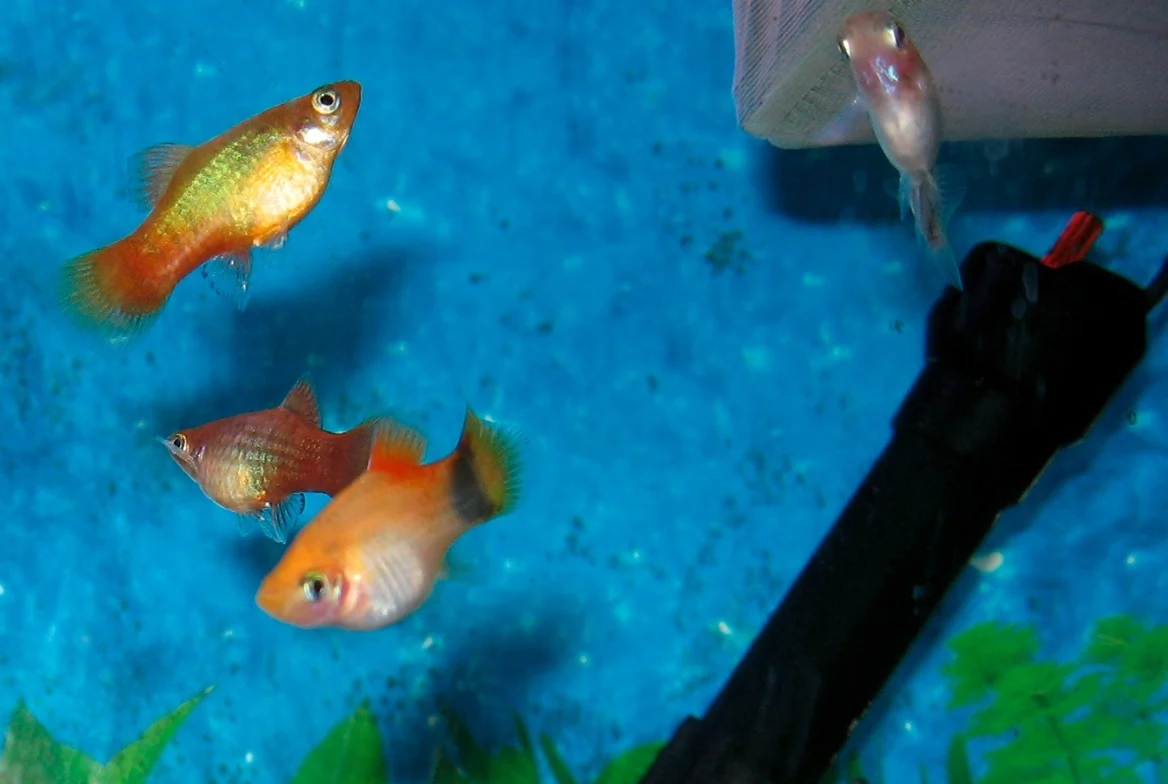
Photo: Southern platyfish (Xiphophorus maculatus), female.jpg · Cucumberkvp . · CC BY-SA 3.0. Converted to WebP; scene unchanged.
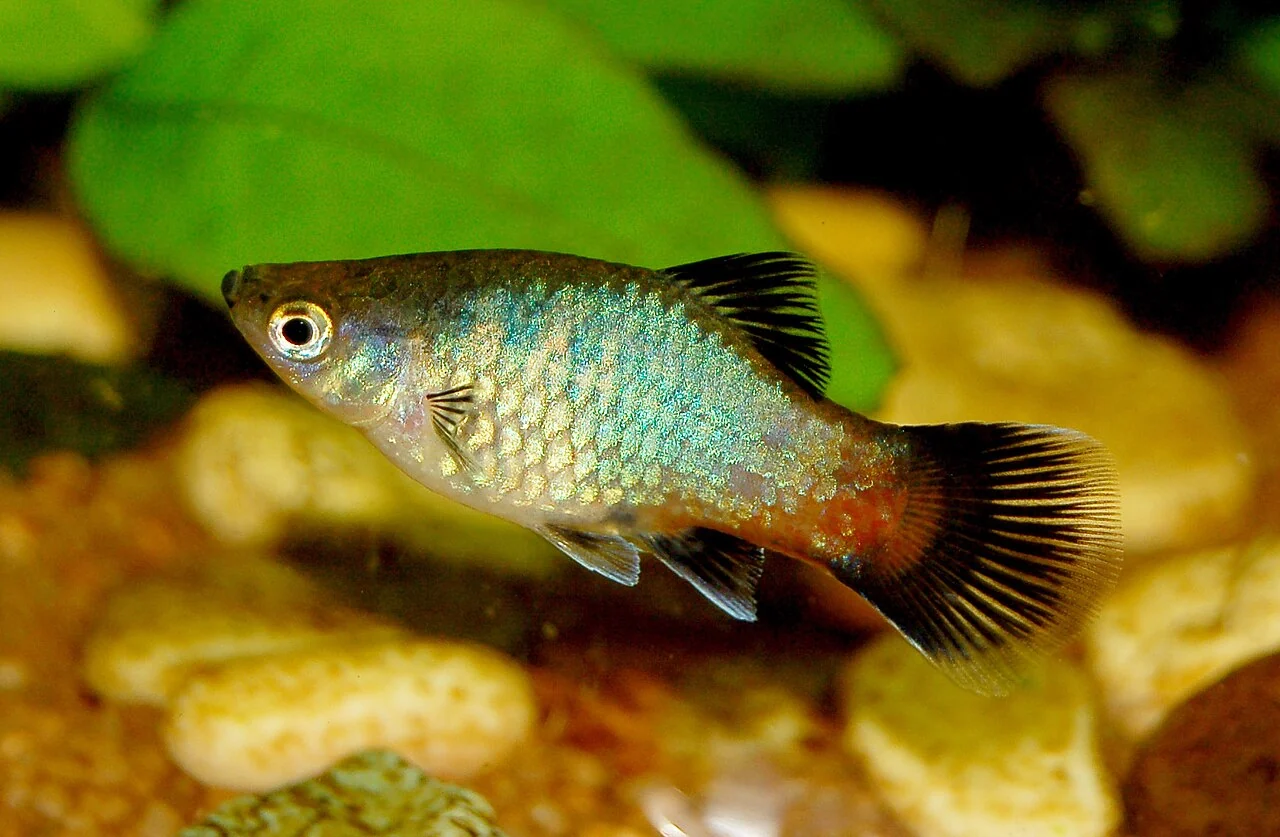
Photo: Rainbow wag platy.jpg · Marrabbio2 · CC BY-SA 3.0. Converted to WebP; scene unchanged.
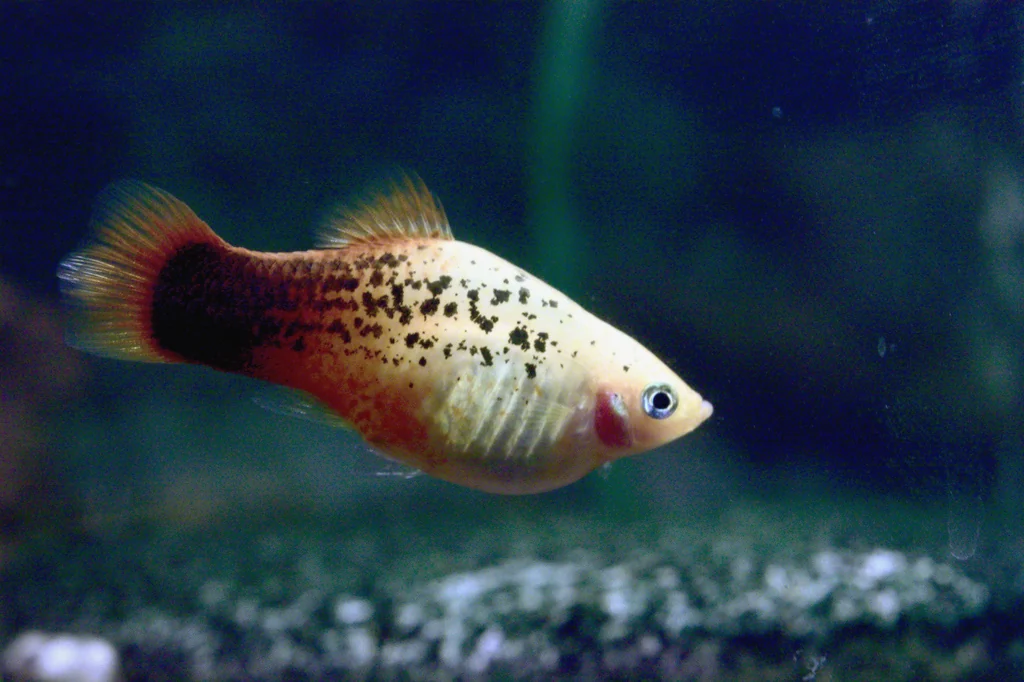
Photo: Xiphophorus maculatus.jpg · vxixiv · CC BY 2.0. Converted to WebP; scene unchanged.

,_female.jpg)

