fellfolio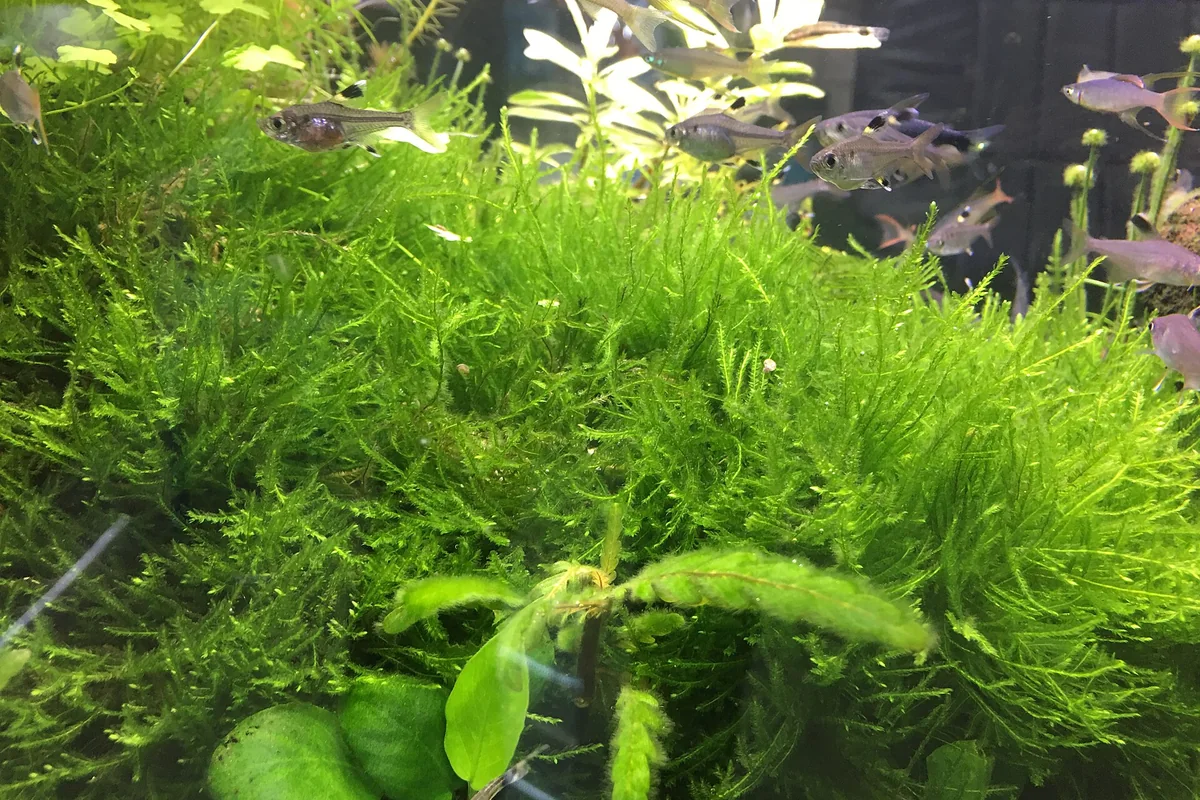
Five minutes of observation each day
A daily check can begin with the equipment: is the filter running, does the thermometer show the usual temperature, and is the heater operating safely? Then look at the fish. Are they breathing calmly, swimming as they normally do and getting food? One shoaling fish suddenly staying apart may become obvious during a brief daily check, long before the next cleaning day.
The tank offers clues too. Leftover food, cloudy patches, unusual smells or a sharp rise in algae call for a review of feeding and water readings. Clear water, however, cannot prove safety: ammonia and nitrite are invisible. Brief notes on what you see help distinguish a developing pattern from ordinary daily variation.
Test routinely and whenever something changes
Fish release ammonia into their water. In a functioning biological filter it becomes nitrite, which is also toxic, then nitrate, which is less immediately harmful. Ammonia and nitrite tests show whether the filter can handle its current load. Neither should be detectable with a suitable test. Nitrate readings help assess whether routine water changes are keeping up.
Testing should be more frequent after adding fish, a filter failure, overfeeding or changed behaviour. Readings can be recorded alongside temperature and, where relevant, pH and hardness. A trend is more informative than an isolated number. If ammonia or nitrite is detectable, partial water changes with correctly prepared water and repeat tests are time-sensitive; a persistent problem needs expert help to identify its cause.
Change part of the water without a temperature shock
Regular partial water changes dilute substances that build up despite filtration. A useful amount depends on tank volume, fish load and measured conditions. Fish remain in the aquarium. A siphon can remove some debris from the substrate at the same time without stripping out every plant or all of the gravel.
If local tap water contains chlorine or chloramine, treat it with a suitable conditioner. New water should be close to the tank temperature. Switch off the heater and filter pump according to their instructions before draining. Allow the heater to cool as directed before the water drops below it, and do not let the pump run dry. Keep biological media wet in aquarium water. After refilling, restart the equipment and check flow and temperature. A contaminant spike may call for a prompt partial change using correctly prepared water.
Clean the filter without starting it again from scratch
A filter has two jobs. It traps particles and provides a home for the bacteria that process ammonia and nitrite. If its media becomes clogged and flow falls, gently rinse it in water removed from the aquarium. This clears solids while preserving more of the established bacterial community.
Tap water straight from the faucet or a full sterilising clean may damage that community. The impeller and intake also need checking so water can keep moving. Water readings are worth checking again after filter work. If the pump fails, circulation and biological filtration may decline quickly. The cause should be checked promptly.
Feed so every fish can actually eat
Staple food needs to suit the species. Surface, midwater and bottom feeders may need food that reaches different levels; nocturnal species may eat after lights out. Adjust portions to what the fish actually consume. Regular leftovers add waste to the water, rather than providing a useful reserve.
Variety may be valuable depending on species, including suitable plant food or fully thawed frozen food. Quantity still matters. For travel, write down portions and feeding times. Someone checking fish and equipment daily is more dependable than a holiday food block that releases material into the water without control.
Assess both the animal and its environment
Changed breathing, repeated gasping at the surface, lopsided swimming, clamped fins, white spots, sores or sudden loss of appetite are warning signs. Some species naturally take air from the surface at times, so look for a clear change from their normal behaviour. First check temperature, ammonia, nitrite and other water conditions relevant to the species.
Treating on guesswork can affect other fish and the biological filter. Persistent or severe signs call for a vet experienced with fish. Dated notes on changes in stock, food, equipment and water may help reveal a cause. Carers should be able to find the emergency contact, feeding amount and instructions for the filter and heater.
Common questions
Should I thoroughly clean the filter at every water change?
No. Filter bacteria help keep water safe. If flow slows, rinse the media gently in removed aquarium water rather than stripping it clean.
What if nitrite suddenly becomes detectable?
Nitrite harms fish. Prompt partial changes with prepared water, repeat testing and finding the cause matter; seek a fish vet if animals show signs of illness.
Sources and photo credit
- Choosing an aquarium for pet fishRSPCA
- Pet fish healthRSPCA
- What to feed your fishRSPCA
- Keeping pet fish togetherRSPCA
- Aquarium Cleaning ChecklistAqueon
- Fluval M Heater InstructionsFluval
Photo: Freshwater aquarium · Ranjith-chemmad · CC BY-SA 4.0. Cropped, resized and converted to WebP