 fellfolio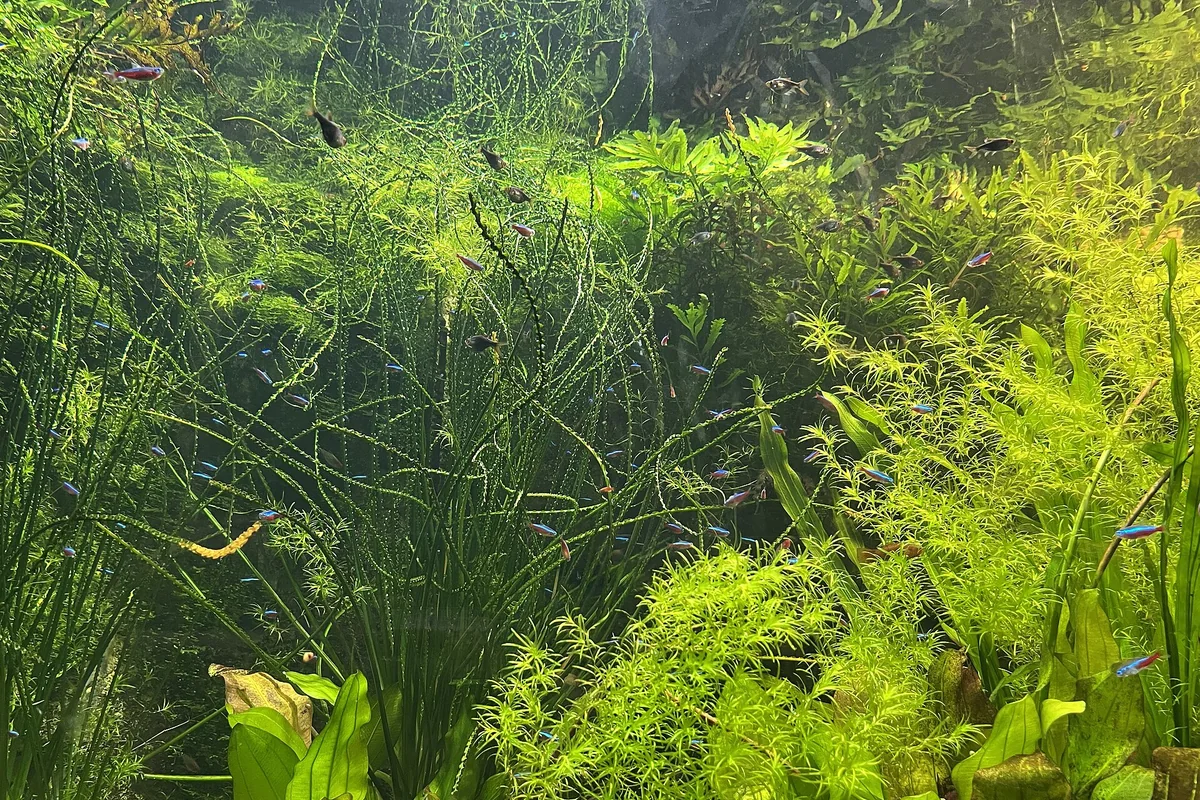
Plan for the fish they will become
A young fish in a shop rarely shows how much room it will need later. The RSPCA points out that goldfish can grow much larger and live far longer than their small bowls suggest. Some catfish grow too large for ordinary home aquariums. Size affects swimming room, waste production, food needs and oxygen demand.
A simple centimetres-per-litre rule does not capture those differences. Tank length and surface, filter capacity, water changes and behaviour all matter. Before deciding, look for the scientific name, adult size and reliable care information rather than a loose shop label such as cleaner fish. Even a tiny species needs space when it belongs in a social group.
Find water conditions all fish can share
Tropical fish do not all prefer the same temperature. Species also differ in water hardness and pH. Hardness describes dissolved minerals, while pH indicates how acidic or alkaline the water is. Combining fish whose preferred conditions are far apart means the tank cannot suit them all. The requirements of the actual species, including established captive-bred forms, need to be checked.
Your tap water is a useful starting point. Temperature, hardness and pH can be measured and compared with trustworthy species information. Many tropical fish need a controlled heater and a separate thermometer to verify it. Readings remain important after changes, because heaters can fail and replacement water can alter the tank's conditions.
Match food to the fish and where it feeds
Not every fish can reach the same food. Surface, midwater and bottom-dwelling species feed in different ways. The RSPCA notes that some bottom feeders need sinking tablets and that certain nocturnal species feed after lights out. A general flake may never reach them in a useful form.
A feeding plan covers the species' main diet, variety and whether each fish actually gets enough. Excess food pollutes the water; leftovers on the bottom call for a smaller serving or a different approach. Algae growing in a tank is not a dependable diet for a so-called algae eater. Before adding a species, check that its food will be available in ordinary weeks and during holidays.
Choose healthy fish from a traceable source
A good aquatic retailer can explain the scientific name, origin, adult size and living conditions. The RSPCA also suggests rehoming centres and warns against fish from poorly maintained tanks. A few minutes watching a display can reveal whether fish swim evenly and have intact skin and fins. Are there dead fish in the tank?
Spots, open sores, sunken bellies or fish persistently gasping at the surface are reasons to postpone a purchase. Symptoms can vary between species, so treating a fish based on a photograph alone is unreliable. Clear information about origin and advice that rules out unsuitable combinations are more valuable than a quick sale.
Add one planned group and then observe
After fishless cycling, ammonia and nitrite should repeatedly stay at zero under continued load. The first group must fit both the filter capacity and the species' social needs; shoaling fish should not deliberately be introduced in an inadequate group. Continue testing after their arrival. Transport should be prompt and protected from extreme heat or cold. The RSPCA recommends floating the bag in a darkened tank to equalise temperature, then moving the fish with a net rather than pouring transport water in.
In the first days, breathing, appetite, swimming and how a shoal stays together are useful signs. Water clarity alone is not enough: a clear tank may still contain ammonia or nitrite. If a fish falls behind, loses balance or repeatedly gasps at the surface, the water should be tested promptly and fish-veterinary advice sought when needed. Another species can follow once the first group is settled and there is enough room.
Common questions
Can I buy just one shoaling fish?
Many shoaling species are more secure in a suitable group of their own kind. Plan group size and tank space together before buying.
Will an algae eater take care of tank cleaning?
No. Such fish have their own adult size, food and water needs. Aquarium maintenance and sensible lighting address algae; a fish is not cleaning equipment.
Sources and photo credit
- Keeping fish as petsRSPCA
- Keeping pet fish togetherRSPCA
- Choosing an aquarium for pet fishRSPCA
- What to feed your fishRSPCA
- Pet fish healthRSPCA
- How to set up and look after a freshwater tank / aquariumOrnamental Aquatic Trade Association
Photo: Aquatic Plants and Fish in a Closed Ecosystem · Adiyazzz · CC0 1.0. Cropped, resized and converted to WebP

Consider shoals, territories and places to retreat
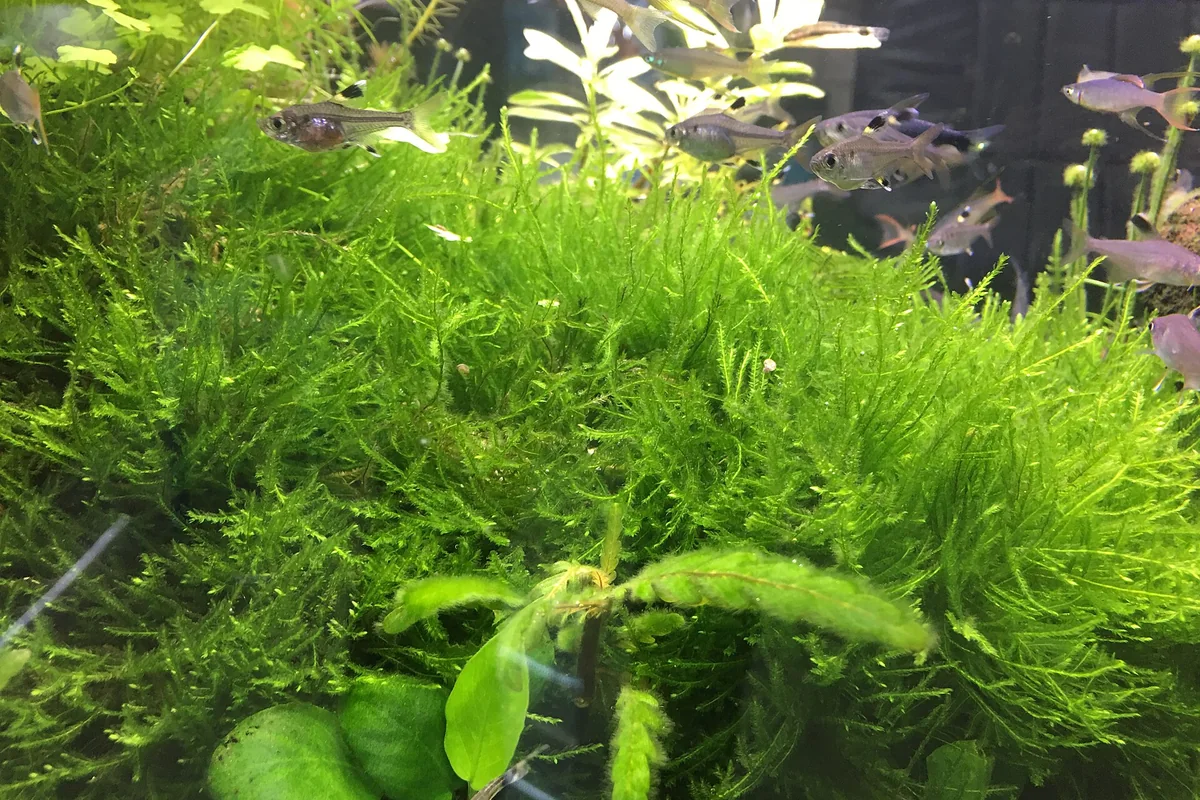
Many danios, tetras and some catfish live in groups. The RSPCA gives six or more companions as a minimum for many shoaling fish; the right group for a species and tank may be larger. One properly sized group is often easier to care for than several species represented by two fish each. Plants and open swimming lanes provide both cover and movement.
Other fish defend space. Male bettas can fight each other and should not be paired for their appearance. Even goldfish varieties may compete unevenly for food when fast single-tailed fish share a tank with slower fancy forms. Social fit involves more than obvious fighting: a fish that repeatedly misses food or withdraws from its group may be struggling. Work through those differences before buying.
RSPCA · RSPCA · RSPCA