fellfolio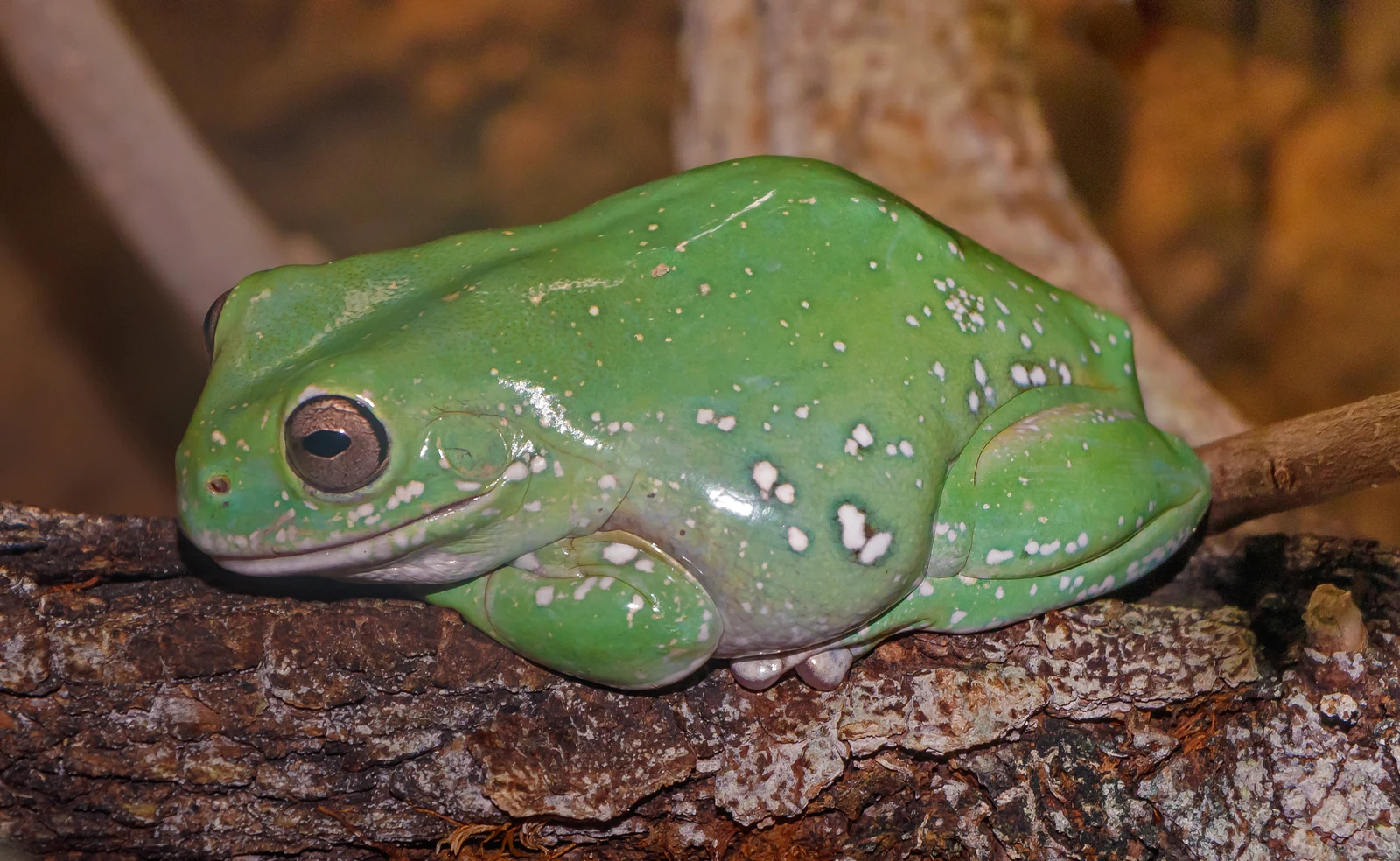
Three ways of life call for different homes
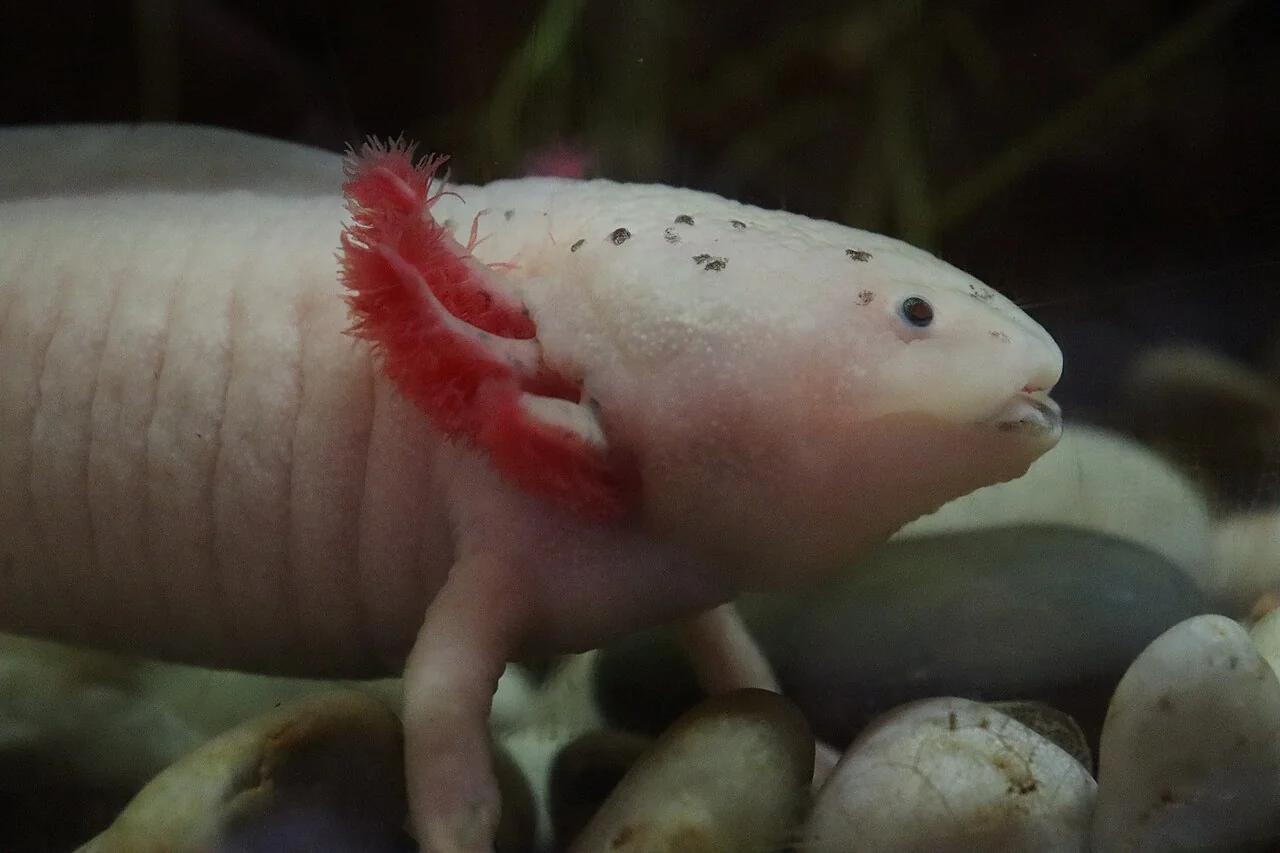
The axolotl is a salamander that retains its external gills as an adult and stays in water. Cool conditions, floor space and gentle filtration shape its aquarium. African dwarf frogs in the genus Hymenochirus remain aquatic too, but they must reach the surface freely to breathe air. They are much smaller. A secure cover and an unobstructed route upwards are therefore part of their tank design.
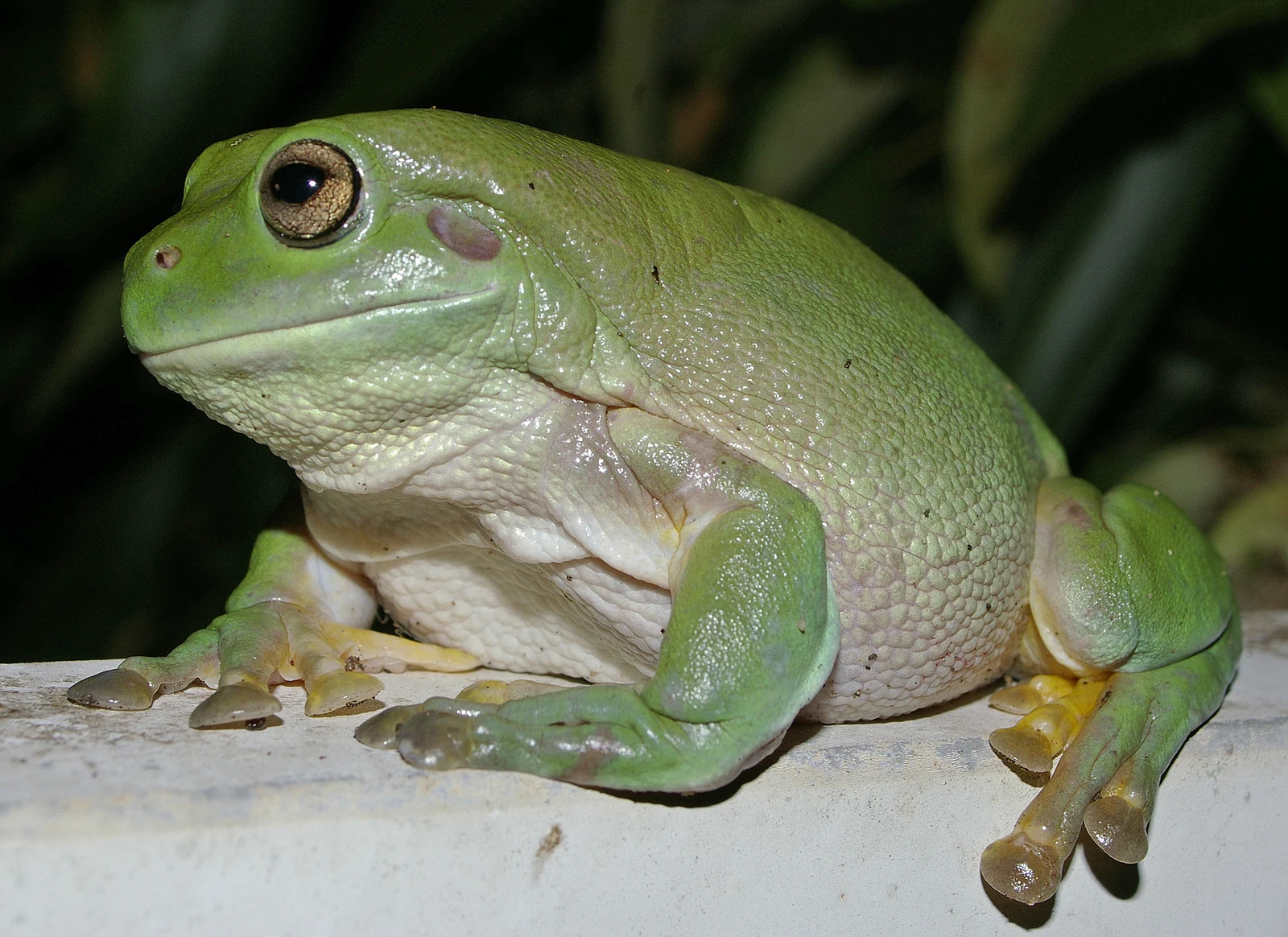
White's tree frogs make use of height. Stable horizontal branches, broad leaves and sheltered perches create usable space. A ground-dwelling horned frog instead benefits from floor area and suitable moist substrate. Before furnishing a home, consider how the adult animal moves, where it rests and how much room those activities need.
Life stage matters as well. Many frogs begin as aquatic tadpoles and leave the water largely behind after metamorphosis, the change into a young frog. That froglet needs a safe route out of the water. An axolotl retains its external gills and remains fully aquatic as an adult.
Read more: Axolotl care: cool water, gentle flow and suitable food · White's tree frog care: space, climate and feeding
Sources for this section
- How to look after axolotls and aquatic frogsOrnamental Aquatic Trade Association
- Frog Care 101PetMD, Sean Perry DVM
- White's Tree Frog CareExotic Pet Vets
Prepare water and understand the living filter
Amphibian skin is permeable. Chlorine, chloramine, detergents and unsuitable additives can therefore cause harm. Tap water needs treatment matched to the local supply; leaving it in an open bucket does not reliably remove chloramine. Distilled water is not a replacement for species-appropriate water either. An aquarium plan includes testing temperature, pH, hardness, ammonia, nitrite and nitrate.
Bacteria in a mature filter process waste in stages. Toxic ammonia becomes toxic nitrite and then nitrate. For fishless cycling, dose a product expressly made for aquarium ammonia cycling according to its directions. Continue dosing and testing until ammonia and nitrite repeatedly remain at zero despite the added source. Only then is the filter ready for animals. After stocking, partial water changes remove dissolved waste; uneaten food and droppings should be removed. If the filter media needs rinsing, water removed from the aquarium helps preserve its bacteria.
Aquatic frogs also need calm places and a clear path to the air. A filter outlet should not continually push them away. Axolotls and aquatic frogs are best planned in species-specific tanks. Fish may be eaten, nip delicate body parts or compete for food.
Read more: Setting up a freshwater aquarium: tank, filter and water · Caring for an aquarium: watch the water, filter and fish · Axolotl care: cool water, gentle flow and suitable food
Sources for this section
- Housing for AmphibiansMerck Veterinary Manual
- How to look after axolotls and aquatic frogsOrnamental Aquatic Trade Association
- How to set up and look after a freshwater tank / aquariumOrnamental Aquatic Trade Association
Moist land habitats still need fresh air
For land-dwelling frogs, suitable substrate holds some moisture and provides cover. Safe plants, hides and a shallow water dish may add useful choices. The frog must be able to enter and leave the dish unaided. Soil must be free of fertiliser, pesticides and fragrances. Swallowable pieces deserve particular attention when prey is caught directly from the ground.
Humidity works alongside ventilation. Furnishings should have a chance to dry after misting, rather than remaining soaked beneath condensation. A hygrometer measures air humidity; a direct look shows whether leaves and substrate are damp or waterlogged. For White's tree frogs, a specialist veterinary practice recommends 50 to 70 percent relative humidity and a shallow dish of conditioned water. The figure cannot be applied automatically to another frog species.
Branches need to support the animal and remain secure when it jumps. Plants and hides create places with different light levels. A secure ventilated lid prevents escape without sealing off air exchange.
Read more: White's tree frog care: space, climate and feeding
Sources for this section
- Housing for AmphibiansMerck Veterinary Manual
- Frog Care 101PetMD, Sean Perry DVM
- White's Tree Frog CareExotic Pet Vets
Measure temperatures and light for the species
Amphibians are ectotherms: surrounding conditions supply their heat, and many move between slightly warmer and cooler places. This does not imply a universal basking spot of the sort used for some reptiles. Axolotls need cool water and may require summer cooling. A veterinary care sheet gives White's tree frogs a daytime range of about 24 to 29 °C and a nighttime minimum near 18 °C. Thermometers should cover the places animals actually use, rather than only the air below the lid.
Where extra heat is necessary, a thermostat limits the heat source. Exposed hot equipment can injure skin. Lighting should mark day and night while leaving shaded refuges. UVB is ultraviolet light that supports vitamin D3 production and calcium use in some amphibians. For White's tree frogs, the veterinary practice recommends low-level UVB on a roughly twelve-hour day cycle. Lamp distance, screening and dietary supplements should be planned with an amphibian-experienced vet, rather than borrowing settings from a lizard enclosure.
Read more: Axolotl care: cool water, gentle flow and suitable food · White's tree frog care: space, climate and feeding
Sources for this section
- Housing for AmphibiansMerck Veterinary Manual
- Frog Care 101PetMD, Sean Perry DVM
- White's Tree Frog CareExotic Pet Vets
Prepare prey to suit the animal
Many adult amphibians eat invertebrates. Depending on the species, suitable earthworms, crickets, roaches or smaller prey may be appropriate. A White's tree frog catches mainly insects; an axolotl takes different mouth-sized food in water. Young animals often need smaller prey and more frequent meals. Food must be safe to swallow, and leftover insects should be removed before they disturb or injure the frog.
Feeder insects alone may contain too little calcium. Gut loading means feeding them a suitable nutritious diet before offering them to the amphibian. Dusting adds a light coating of calcium or vitamin powder. The right product and schedule depend on species, age, UVB provision and the rest of the diet. An amphibian-experienced vet can help set this up. Wild insects from treated gardens and casual use of feeder fish carry avoidable risks.
Body condition and actual food intake help assess quantity. Overfeeding White's tree frogs is a recognised problem. A sudden refusal of familiar food can also indicate a problem with husbandry or health; temperature, water and behaviour deserve checking alongside it.
Sources for this section
- Diet for AmphibiansMerck Veterinary Manual
- Frog Care 101PetMD, Sean Perry DVM
- White's Tree Frog CareExotic Pet Vets
- How to look after axolotls and aquatic frogsOrnamental Aquatic Trade Association
Notice changes and keep equipment separate
Amphibians are best observed and moved only for necessary care. If handling is essential, clean powder-free gloves moistened with suitable water help protect the skin from oils, soap and chemicals. Hands are washed afterwards. Tools should be kept separate between tanks. A new animal needs a quarantine plan made with an amphibian-experienced practice before it shares water or space with an established collection.
Changes in skin colour, repeated abnormal shedding, wounds, swelling, weakness, impaired movement or sustained loss of appetite call for veterinary assessment. Several infections can look alike. A red abdomen is therefore not a diagnosis, and aquarium medicines or salt baths should not be tried without clinical advice. Breathing difficulty, marked weakness or rapid deterioration needs immediate veterinary attention. Recorded water and climate values help the clinician investigate.
Sources for this section
- Infectious Diseases of AmphibiansMerck Veterinary Manual
- Housing for AmphibiansMerck Veterinary Manual
- Frog Care 101PetMD, Sean Perry DVM
- White's Tree Frog CareExotic Pet Vets
Common questions
Does every frog need an aquarium?
No. African dwarf frogs live in water and surface to breathe. White's tree frogs use a tall, furnished land enclosure with a shallow water dish.
Is tap water safe after a day in a bucket?
That depends on the local supply. Chloramine is not reliably removed by standing. Check the supply and condition and test the water as needed.
Why mature a filter before adding an animal?
Its bacteria must first process ammonia and nitrite. Dose an aquarium ammonia-cycling product as directed and keep testing. Both readings should repeatedly stay at zero despite continued dosing before animals arrive.
Sources and photo credit
- Housing for AmphibiansMerck Veterinary Manual
- Diet for AmphibiansMerck Veterinary Manual
- Infectious Diseases of AmphibiansMerck Veterinary Manual
- How to look after axolotls and aquatic frogsOrnamental Aquatic Trade Association
- How to set up and look after a freshwater tank / aquariumOrnamental Aquatic Trade Association
- Frog Care 101PetMD, Sean Perry DVM
- White's Tree Frog CareExotic Pet Vets
Photo: Ranoidea caerulea - Wilhelma 02 · H. Zell · CC BY-SA 3.0. Resized and converted to WebP; scene unchanged.