fellfolio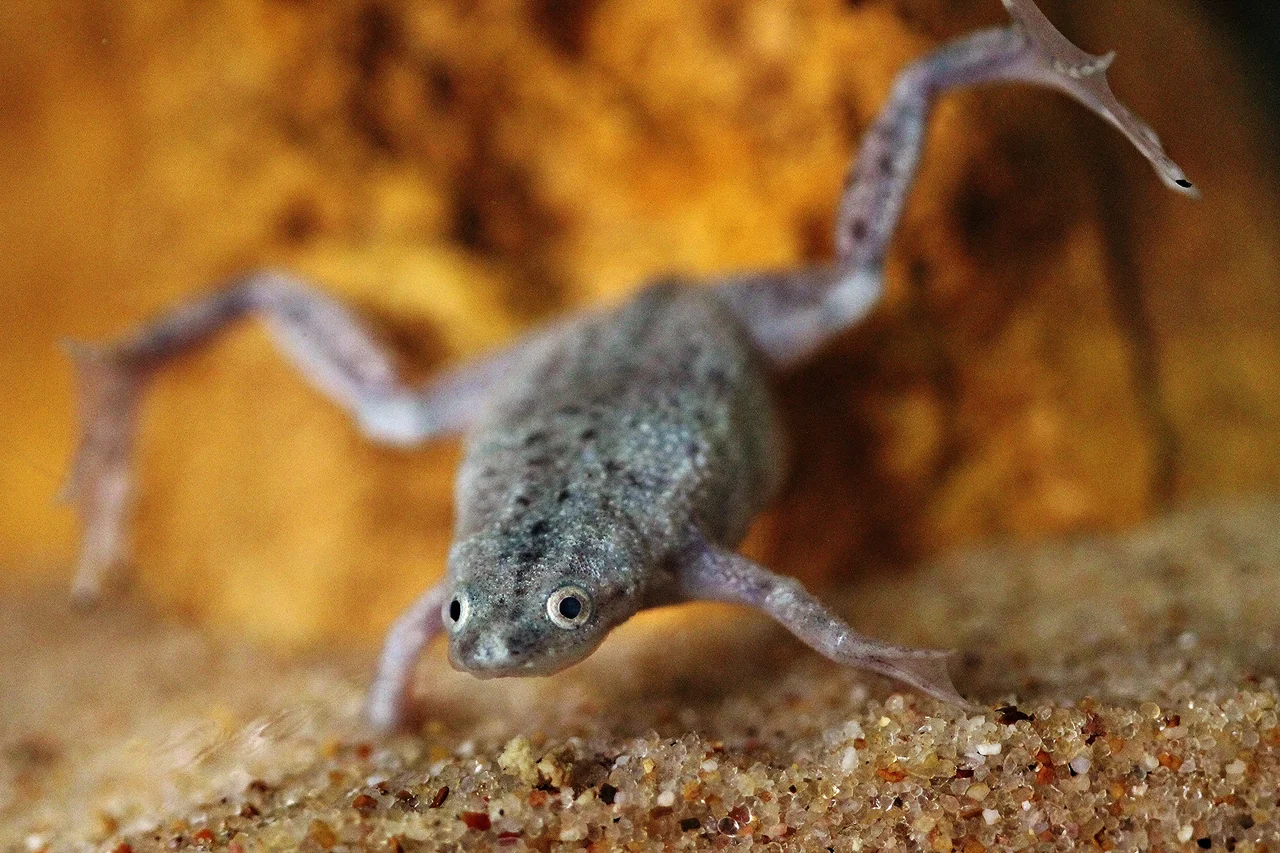
Which frogs does the common name describe?
African dwarf frogs belong to Hymenochirus, a genus of closely related species. The names Hymenochirus boettgeri and Hymenochirus curtipes are used inconsistently in the pet trade. Research published in the Zoological Journal of the Linnean Society found important differences between studied aquarium frogs and reliably identified H. boettgeri. Without a documented identification, Hymenochirus sp., meaning an unidentified species within the genus, is more appropriate.
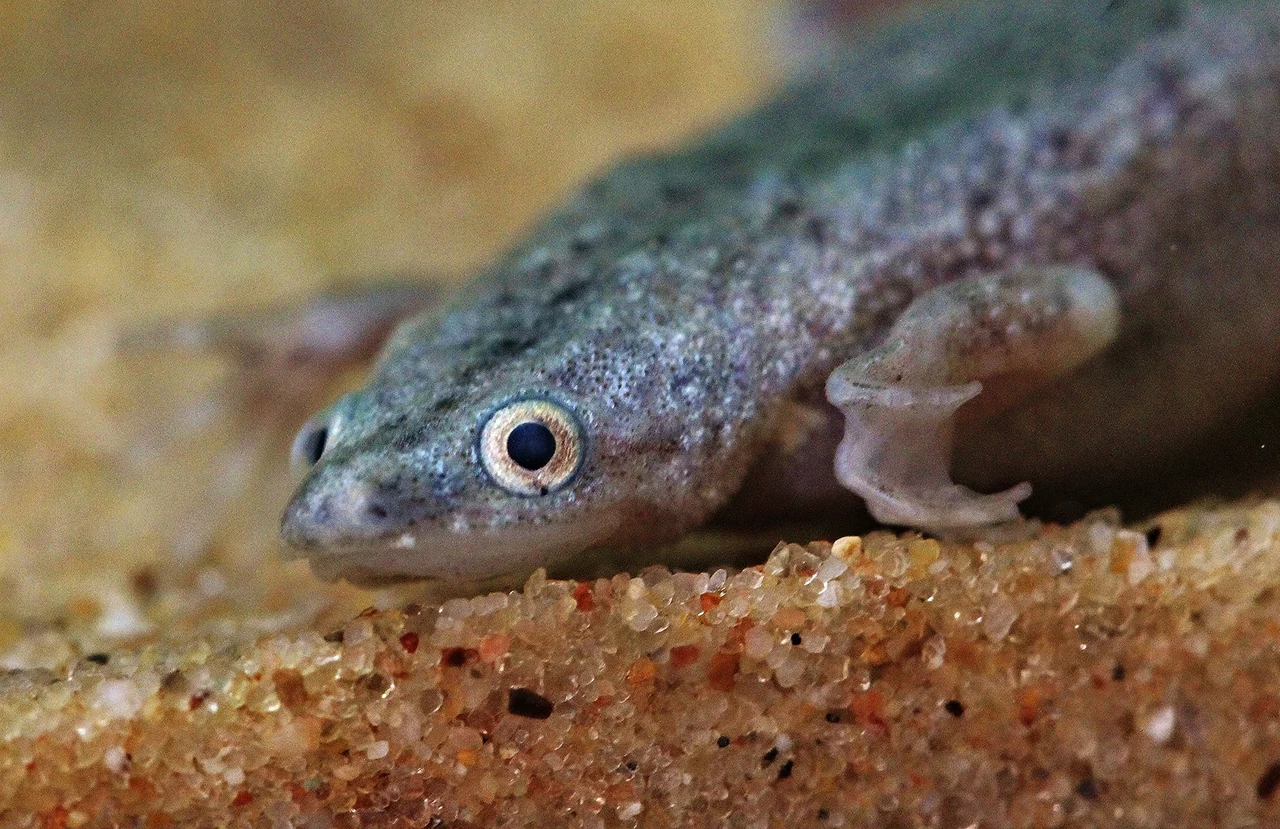
The distinction from Xenopus matters immediately when choosing a pet. Young African clawed frogs can look similar but grow much larger. Hymenochirus has webbing between the fingers of its front feet, whereas Xenopus does not. Dwarf frogs have eyes positioned more towards the sides of the head and generally stay under five centimetres in body length. Identification should be settled before the animal comes home.
Room to swim and an easy route to the surface
A small group needs an aquarium with a useful footprint. The DGHT, a German herpetological society concerned with amphibians and reptiles, bases its frog housing recommendations for up to four dwarf frogs on body length: 15 body lengths long, eight wide and eight for water depth. For frogs four centimetres long, this means a footprint of 60 × 32 centimetres and 32 centimetres of water depth. Larger frogs need proportionately more space.
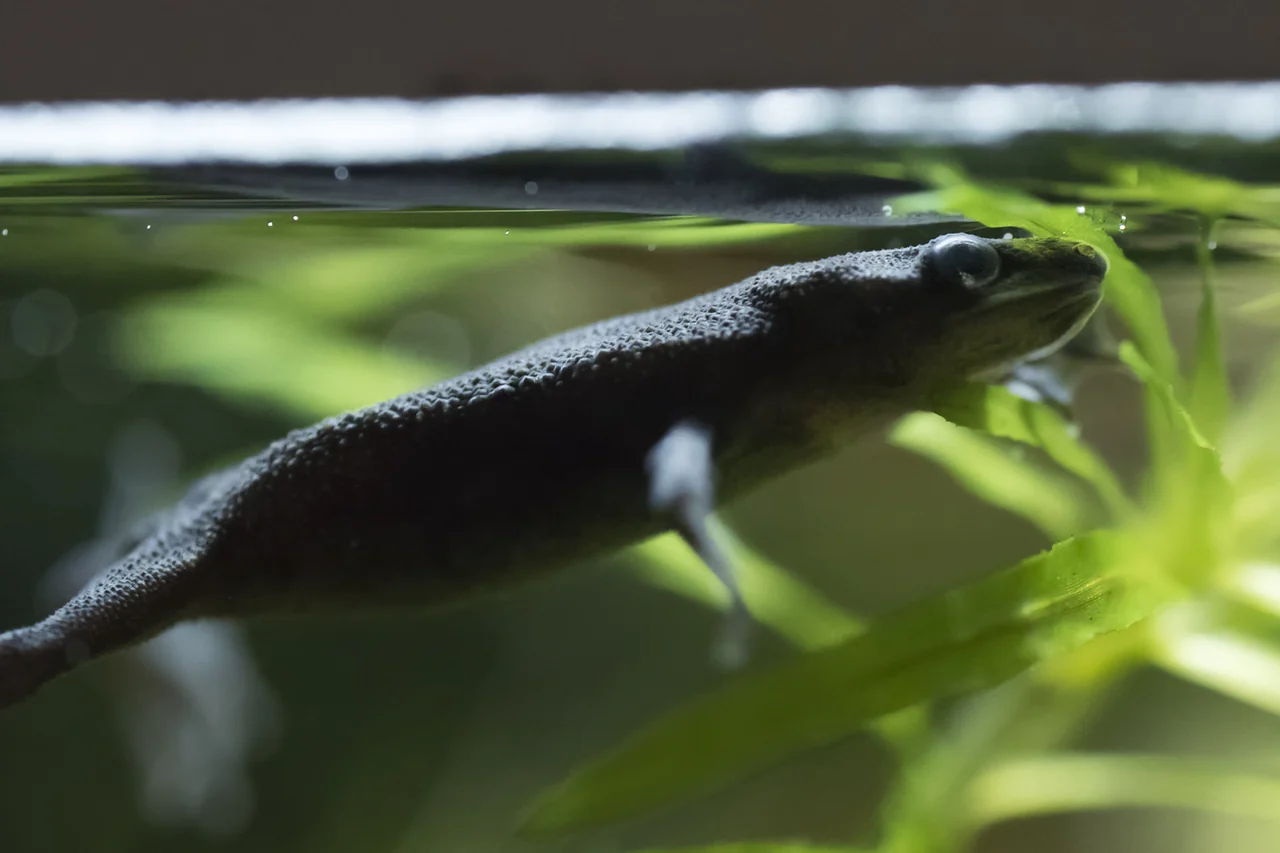
Adult dwarf frogs do not need a land area, but they do need open places to breathe. Every resting spot should have an unobstructed route to the surface. Broad leaves near the top provide places to rest. Leave an air space below the lid, and secure cable gaps and other openings so that the frogs cannot escape.
A bright location away from direct sunlight makes temperature control easier. Experienced keeper Martin Truckenbrodt recommends 24 to 25 °C, approximately 75 to 77 °F, for commonly kept aquarium stock. An adjustable heater can help maintain this. A separate thermometer should confirm the actual water temperature rather than relying on the heater setting alone.
Plants, shelters and gentle water movement
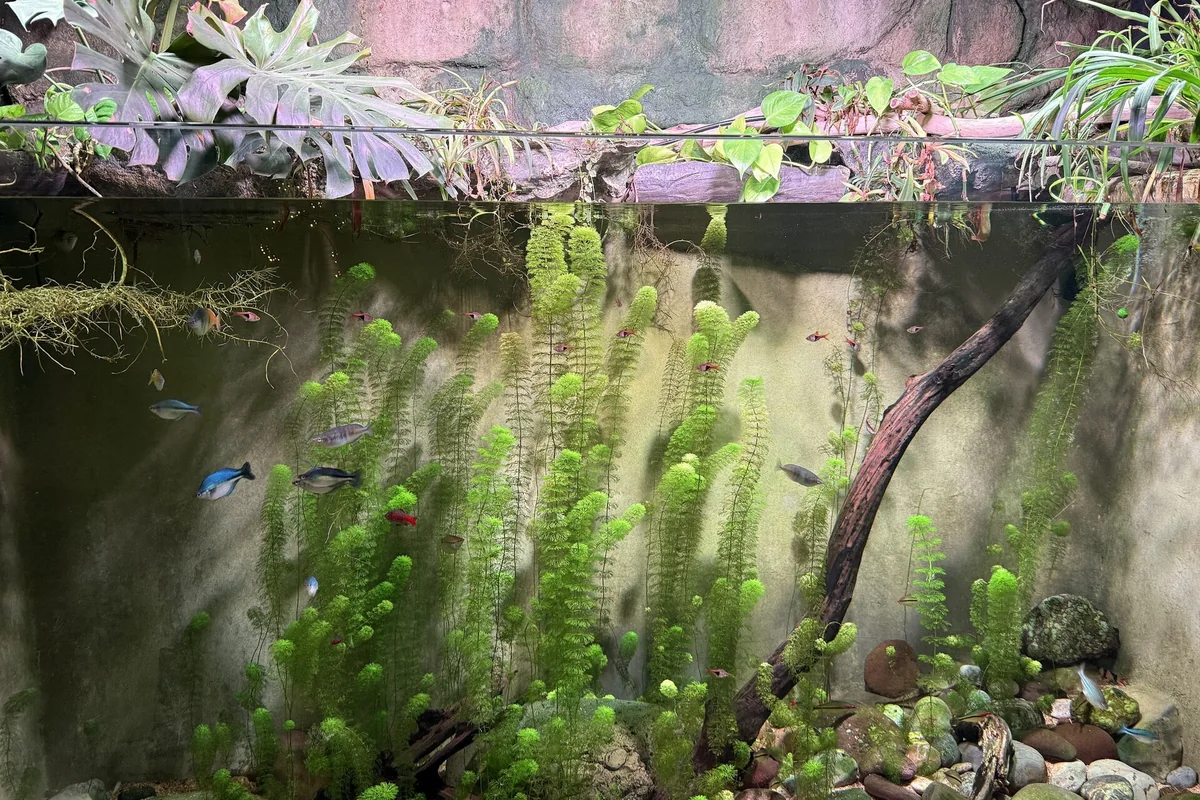
A planted area along one side can sit alongside an open feeding spot near the front. Plants should provide cover while leaving enough space for frogs to move between them. You can then check on a resting frog without chasing it out of hiding. Avoid narrow gaps around heaters and filters where a frog could become trapped.
A gently running filter supports water care. Its intake should be protected so small animals cannot be drawn in. A strong jet of water also makes finding food harder. When choosing substrate and decorations, look for smooth surfaces, stable structures and passages you can inspect. Suitable fine aquarium sand makes it easier to see food left on the bottom.
Dwarf frogs often rest among aquatic plants. At feeding time, those same animals can become much busier. Watching for a few days reveals favourite spots and helps you recognise each individual. You are then more likely to notice if one stays out of sight unusually long or repeatedly misses out on food.
What cycling an aquarium actually means
Before frogs move in, the aquarium needs working biological filtration. The preparation period is called cycling. Microorganisms multiply in the system and process waste. Excretions and uneaten food contribute ammonia and ammonium, which are converted through nitrite into nitrate. Partial water changes help reduce nitrate. Ammonia and nitrite can harm the animals.
This process should take place without animals. Filling a tank and waiting a week does not establish that its filter can handle waste. Controlled cycling includes a suitable nutrient source for the filter bacteria. Ask for guidance on a product intended for this purpose and follow the process with water tests. Before adding frogs, biological filtration should work reliably, with no detectable ammonia or nitrite. Our aquarium setup guide explains the preparation in more detail.
Part of the water should still be replaced regularly once the aquarium is established. Fresh water should be close to the aquarium temperature. If the supply contains chlorine or chloramine, which some water companies use for disinfection, treat it first with an appropriate conditioner. Avoid replacing all the filter material at once. The amount and frequency of water changes also depend on the animals, feeding and test results. Clear water alone cannot tell you whether conditions are right.
Read more: Setting up a freshwater aquarium: tank, filter and water · Caring for an aquarium: watch the water, filter and fish
Make sure food reaches every frog
African dwarf frogs eat small animal prey. Suitable live and thawed frozen foods can provide variety, including water fleas and brine shrimp. Brine shrimp are small crustaceans sold as aquarium food. Pieces need to be small enough for the frogs to take easily. When adopting them, ask which foods they already eat reliably. A varied feeding plan should also provide the vitamins and minerals they need. An amphibian vet can assess whether an appropriate supplement is needed.
When a dwarf frog opens its mouth, water flows in and draws the prey with it. This lets the frog suck in small food animals underwater. At home, a pipette lets you place small portions just in front of a frog and wait for its response. Watch to check that the food is actually swallowed. In a group, offer portions in several places and keep track of every animal.
Plan a small daily portion that the frogs can finish within a few minutes. Adjust the amount to their size and body condition. Pay particular attention to frogs that take longer to find food or seldom come to the open feeding spot. Remove leftovers promptly so they do not decay in the aquarium. A short note describing the food, portion and feeding place is especially useful for a holiday carer. Adding extra food in advance cannot replace care during your absence and leaves more waste in the tank.
Why a frog aquarium makes care easier
For a first setup, a small group of similarly sized dwarf frogs without fish is a sensible choice. In a species aquarium, which is a tank arranged for one animal species, feeding and furnishings can be tailored to the frogs. Active fish often reach food first. Very small fry, or newly hatched fish, may themselves be eaten by the frogs. Animals can appear peaceful together while still facing these problems.
It is worth watching interactions between the frogs during meals too. If two grab the same piece or one is repeatedly nipped, offer portions farther apart. New arrivals should initially live separately from the established group. An amphibian vet can advise on health checks and quarantine, the temporary separation used to reduce the risk of introducing disease. The plan should reflect where the animals came from.
Read more: Choosing aquarium fish that can live well together
Understand shedding and notice changes
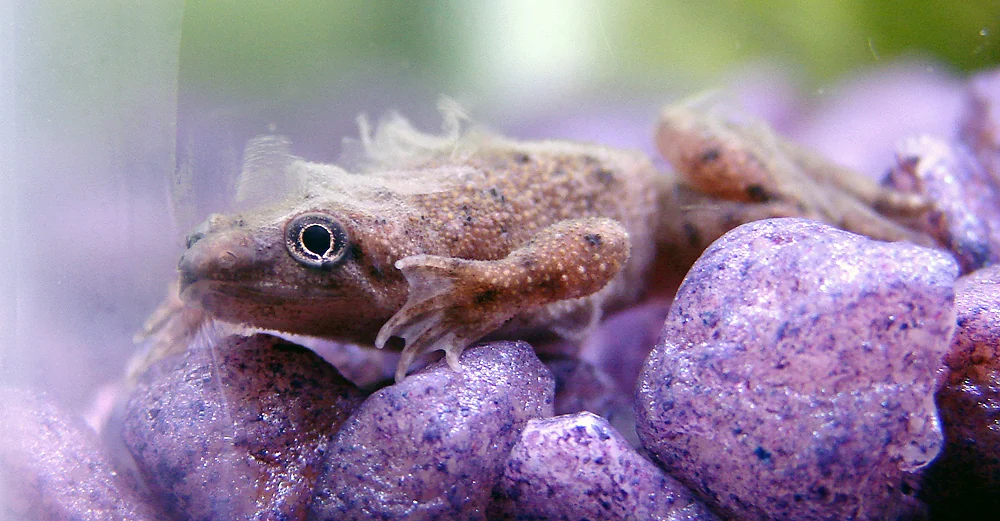
Frog skin renews itself regularly. The outer layer loosens, sometimes as a thin, translucent covering. The skin also allows water and dissolved substances to pass through it. Frogs should therefore be left in their aquarium rather than taken out to be stroked. Soap or hand cream residues can harm them.
Repeatedly abnormal shedding, sore or very red skin, obvious swelling, weakness or persistent loss of appetite should be assessed by a vet. Obvious breathing difficulty or being unable to reach the surface calls for immediate help. At the same time, check temperature, filtration and water test results. A photograph and current readings help the practice understand what has changed.
Swelling alone does not reveal its cause. Avoid adding fish medicines or home remedies to the frog aquarium as an experiment. Find a practice that treats amphibians before bringing the frogs home. That saves a search for suitable help when an animal is already unwell.
From eggs to tadpoles and young frogs
When dwarf frogs reproduce, tiny tadpoles hatch from the eggs. Legs develop later, while the tail is gradually absorbed. This transformation into a frog is called metamorphosis. Its speed depends partly on temperature and care.
Rearing young frogs needs its own preparation. Tiny tadpoles cannot simply share the adults’ meals. Suitable small food organisms, safe rearing accommodation and reliable water care need to be ready. Before attempting to breed them, speak with an experienced breeder and arrange appropriate homes for the young frogs.
A routine that works while you are away
Daily checks should include the frogs, the thermometer and a look at the filter. Feeding is a particularly useful time to see who is actively looking for food and who behaves differently from usual. A regular place in the weekly routine helps with water changes and testing. Our cost planner can help you account for food, supplies and a veterinary reserve alongside the aquarium and equipment.
Wash your hands with soap after contact with aquarium water, food or cleaning equipment. Healthy amphibians can carry Salmonella bacteria. Buckets, pipettes and other tools should be reserved for aquarium use and kept away from the kitchen. The US Centers for Disease Control and Prevention advises households with children under five or people at greater risk of infection to consider a different type of pet.
A carer should practise the routine with you before you leave. Prepared portions, photographs of the animals and clear care notes make the handover easier. Include the veterinary contact and an explanation of changes that need attention. Our care handover planner helps bring these details together.
Common questions
Do African dwarf frogs need a land area?
Adult dwarf frogs live entirely in water. They do need access to the air above the surface. Plants and furnishings should leave clear routes upward and provide resting places just below the top.
Can I add them to my fish aquarium?
A dedicated frog aquarium is easier to manage, particularly for a first setup. Fish may take food before frogs find it, while very small fry may be eaten. The label “peaceful” is not enough to decide whether animals should share an aquarium.
Are African dwarf frogs and African clawed frogs the same?
No. Dwarf frogs belong to Hymenochirus, while the larger clawed frogs belong to Xenopus. The front feet are an important clue: Hymenochirus has webbing between the fingers there too. Expert identification is especially useful for young animals.
Should I make a resting frog come up for air?
A healthy frog should be able to leave its resting place and reach the surface freely. Repeatedly disturbing it is unnecessary. If it seems weak, responds unusually or cannot make it to the surface, contact an amphibian vet immediately.
A closer look
Sources and photo credit
- Tetraploidy in the Boettger’s dwarf clawed frog (Pipidae: Hymenochirus boettgeri) from the Congo indicates non-conspecificity with the captive populationZoological Journal of the Linnean SocietyWhich frogs does the common name describe?
- Zwergkrallenfrosch oder Krallenfrosch?Martin Truckenbrodt, pipidae.orgWhich frogs does the common name describe?
- Haltungsrichtlinien für FroschlurcheDGHT Arbeitsgruppe AnurenRoom to swim and an easy route to the surface
- Care Guide: Dwarf Aquarium FrogsCarolina Biological SupplyRoom to swim and an easy route to the surface · Make sure food reaches every frog · A routine that works while you are away
- BeckeneinrichtungMartin Truckenbrodt, pipidae.orgRoom to swim and an easy route to the surface · Plants, shelters and gentle water movement
- Environment and Husbandry for AmphibiansMSD Veterinary ManualWhat cycling an aquarium actually means · Make sure food reaches every frog · Why a frog aquarium makes care easier
- The Aquarium Nitrogen CycleRoyal Veterinary College, Exotics ServiceWhat cycling an aquarium actually means
- Choosing an Aquarium for Pet FishRSPCAWhat cycling an aquarium actually means
- Ammonia in Aquatic SystemsUniversity of Florida IFAS ExtensionWhat cycling an aquarium actually means
- FütterungMartin Truckenbrodt, pipidae.orgMake sure food reaches every frog · Why a frog aquarium makes care easier
- Aquatic feeding in pipid frogs: the use of suction for prey captureJournal of Experimental BiologyMake sure food reaches every frog
- VerhaltenMartin Truckenbrodt, pipidae.orgPlants, shelters and gentle water movement · Why a frog aquarium makes care easier
- Cutaneous shedding in amphibians causes shifts in bacterial microbiomesIntegrative ZoologyUnderstand shedding and notice changes
- Common Infectious Diseases of AmphibiansMSD Veterinary ManualUnderstand shedding and notice changes
- Reptile Care: Shedding, amphibian sectionWinter Park Veterinary HospitalUnderstand shedding and notice changes
- Reptiles and AmphibiansCenters for Disease Control and PreventionA routine that works while you are away
- Entwicklung der ZwergkrallenfroschkaulquappenMartin Truckenbrodt, pipidae.orgFrom eggs to tadpoles and young frogs
- AufzuchtMartin Truckenbrodt, pipidae.orgFrom eggs to tadpoles and young frogs
Photo credits
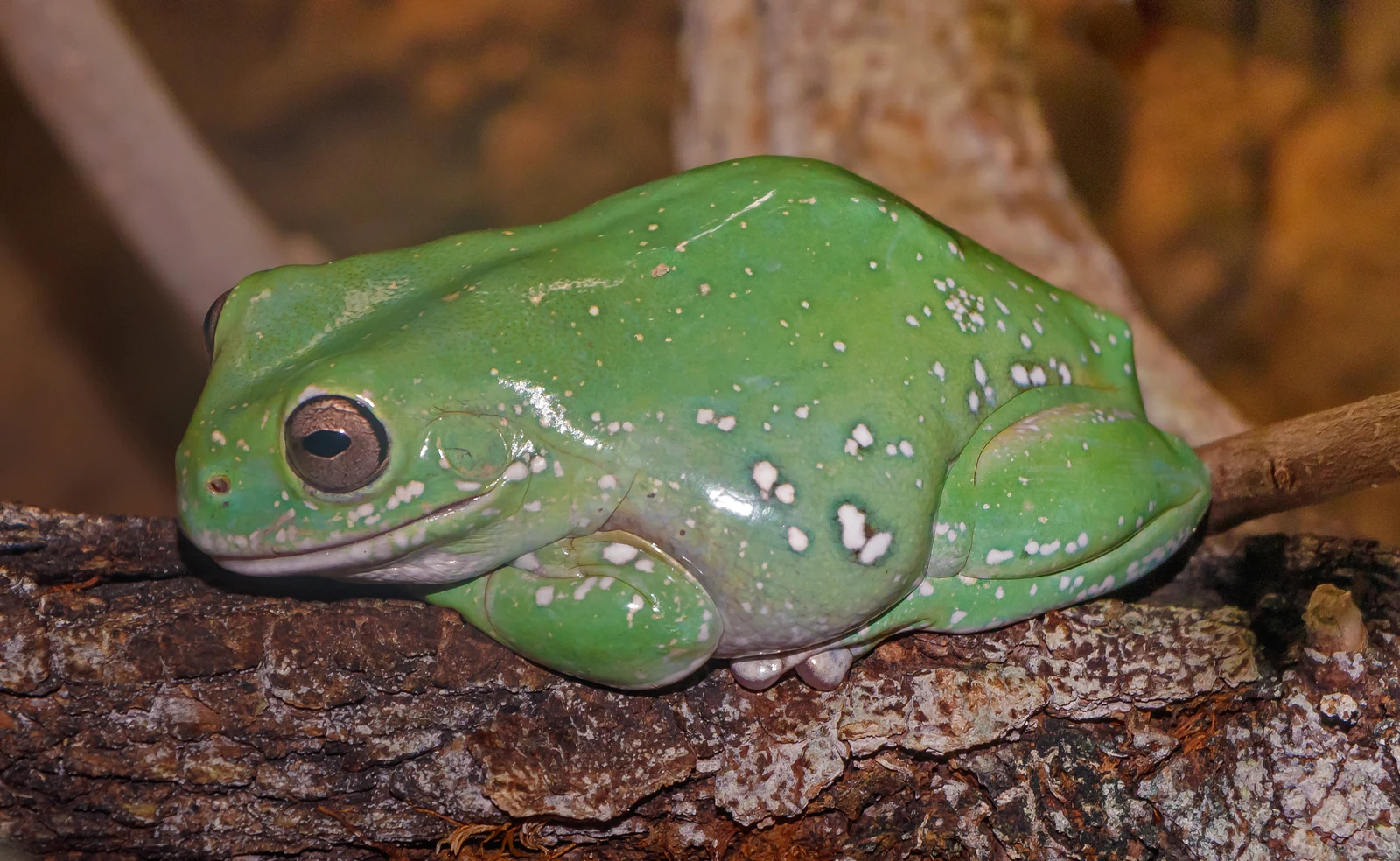
Photo: Ungainly · Renee Grayson · CC BY 2.0.
Photo: Look Into My Eyes · Renee Grayson · CC BY 2.0.
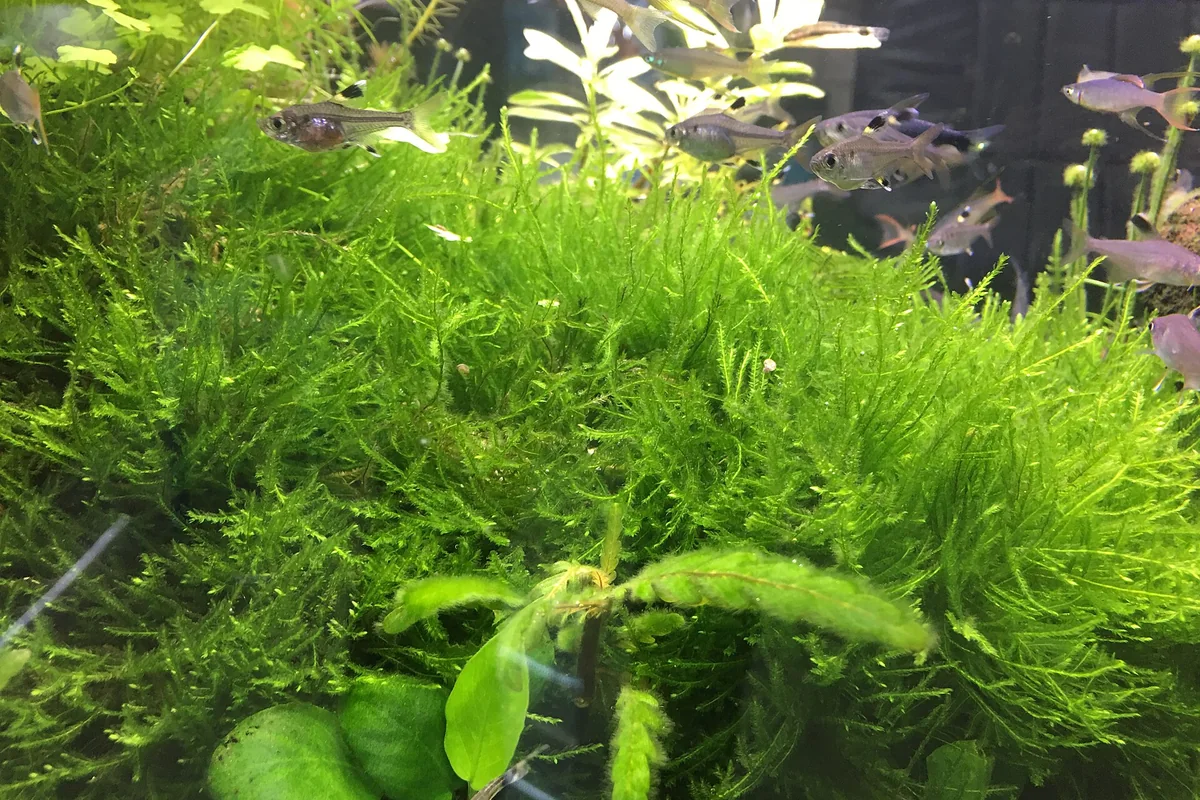
Photo: Cute Lil’ Bugger · Matt Reinbold · CC BY-SA 2.0.
Photo: Hymenochirus · elcynico · CC BY-SA 2.0.