fellfolio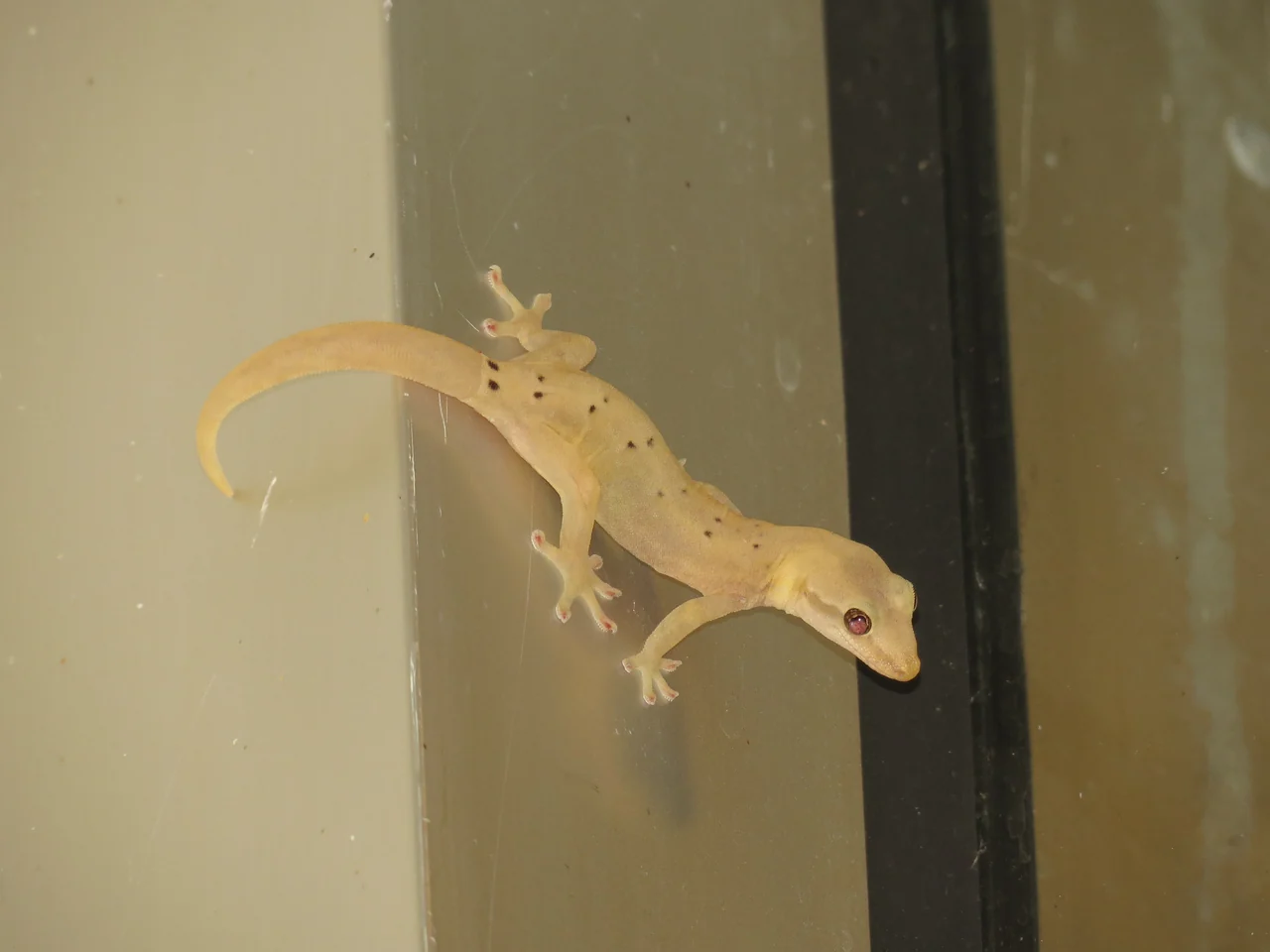
Getting to know the mourning gecko
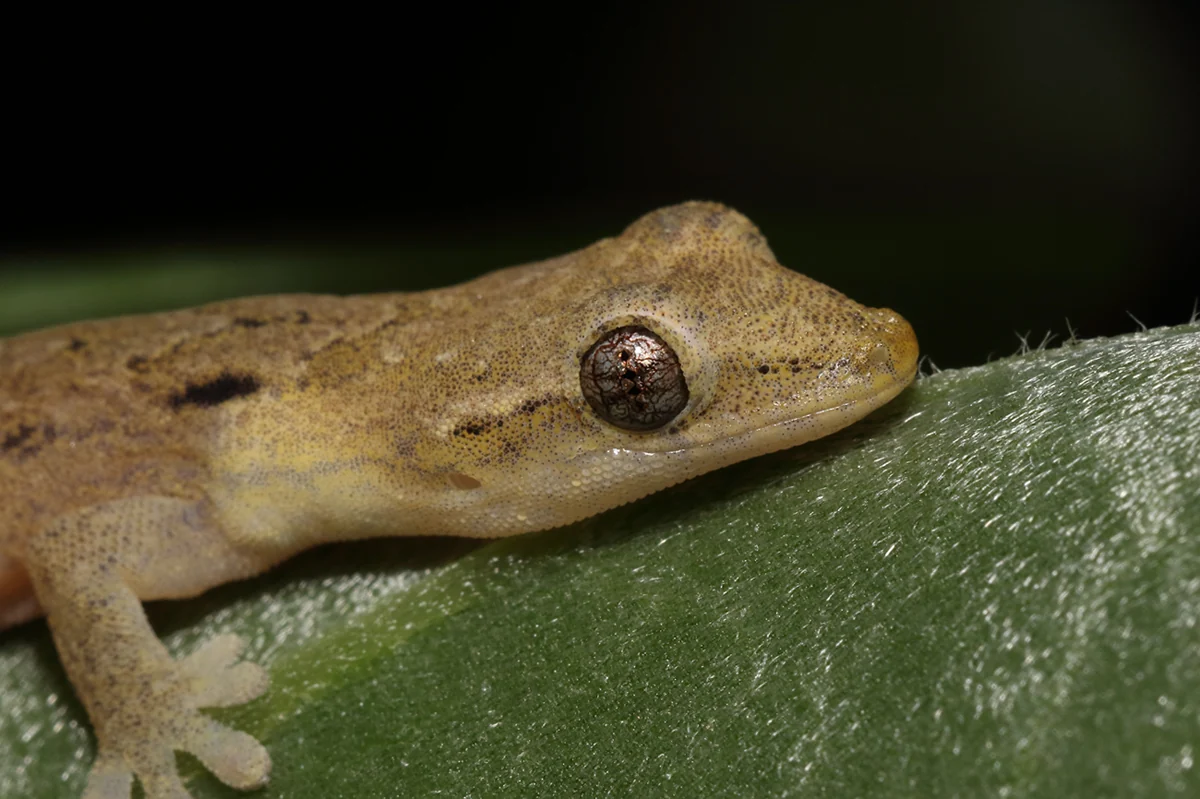
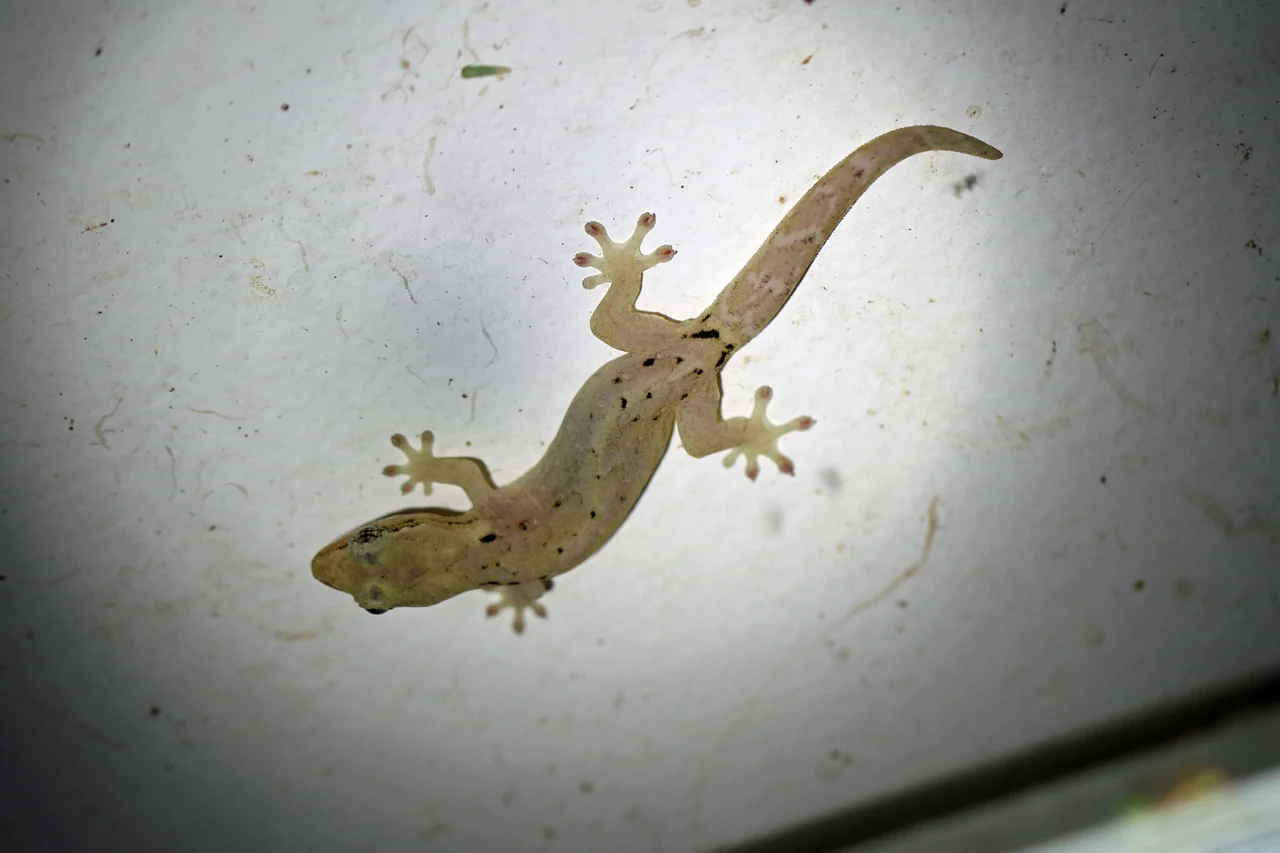
Lepidodactylus lugubris is a small gecko from the Indian and Pacific Ocean region that has also been introduced elsewhere. Its large eyes and fine dark markings along the back often stand out first. Including the tail, it reaches roughly 8 cm, while the body itself is much shorter. Its shade and brightness can change through the day.
The species consists almost entirely of females. They reproduce through parthenogenesis, which means young develop from unfertilised eggs. Different lines are offered for sale and may differ in their markings. A line name describes ancestry rather than a separate species of gecko. For everyday care, the animals’ previous routine and their compatibility with one another are particularly useful to know.
A planted enclosure with routes to explore
Mourning geckos use branches, leaves and vertical surfaces. An enclosure measuring 45 × 45 × 60 cm is one planning example for two or three similarly sized adults. Branches, cork tubes and plants should make the height accessible. Extra room makes it easier to provide several feeding stations and sheltered resting places.
Plants should break up lines of sight so that one gecko can move away from another. Branches running in different directions connect the places they use. Cork pieces and dense patches of foliage provide retreats at different heights. A moisture-retaining substrate can support the enclosure’s humidity, but should not become a permanently waterlogged floor.
Young geckos in particular find gaps around cable ports, doors and coarse ventilation mesh. Every opening should be secure for the smallest animal being kept, without closing off ventilation. Check the door frame before shutting the glass after feeding. A gecko sitting there could otherwise become trapped.
Read more: Keeping reptiles: habitat and daily care before arrival
Heat and light in a small enclosure
Mourning geckos are mainly active around dusk and at night, although they can also be active during the day. A regular cycle of approximately twelve hours of light and twelve hours of darkness provides a daily rhythm. Turn the lighting off at night.
During the day, plan for air temperatures of around 24 to 27 °C in the warmer upper part of the enclosure. Cooler retreats should be around 22 to 24 °C, allowing the geckos to choose between warmer and cooler places. At night, the temperature can fall to around 20 to 22 °C. Measurements at several places inside the furnished enclosure will show whether an additional heat source is needed. Room temperature alone is not enough to judge this.
A thermostat uses a probe to measure temperature and controls the connected heat source accordingly. Any additional heater should have this type of control. Digital probe thermometers let you check temperatures where the geckos rest and retreat. They may approach lights closely near the top of the enclosure. Position lamps so that hot fittings and dangerously heated mesh cannot be reached. Direct sunlight through a window can overheat an enclosure even when its heating is off.
Low-output UVB lighting, installed appropriately, is worthwhile for these small geckos too. UVB is part of the ultraviolet radiation in sunlight and supports vitamin D3 production. This vitamin helps the body use calcium, needed for bones and eggshells among other functions. Lamp type, distance and mesh must be considered together. Geckos should be able to move completely out of the exposure beneath dense leaves and inside hides. Use tested manufacturer guidance for the particular lamp, ideally supported by measurements at the highest point the animals can reach.
Read more: Getting heat and UVB right in a reptile enclosure
Drinking droplets without constant wetness
After misting, mourning geckos lick small droplets from leaves and other surfaces. Provide a shallow, easily reached dish of fresh water as well. It needs safe access, especially for tiny youngsters. Check the water and dish daily, replacing the water and cleaning the dish promptly whenever they are dirty.
Relative humidity around 60 to 80 percent is a useful guide. A hygrometer displays relative humidity as a percentage, showing how moist the air is at its current temperature. The reading rises just after misting and should then fall again. Wet leaves and glass should also have time to dry between mistings. How often you need to mist depends on the enclosure, planting and room air.
If the glass remains constantly wet or the air smells stale, investigate the cause. Reducing ventilation to maintain a high hygrometer reading is not a good solution. Plants, suitable substrate and adjusted misting help provide moisture while allowing fresh air through the enclosure.
Read more: Humidity and shedding in reptiles
Small insects and a suitable complete gecko food
Mourning geckos eat small insects and accept suitable powdered gecko foods mixed with water. Choose a product formulated as a complete food for fruit-eating geckos. Plain fruit purée or baby food does not provide the same nutrient balance. When choosing your animals, ask to see which foods they already accept reliably.
Small portions of freshly mixed gecko food offered roughly every other day, supplemented with suitably tiny feeder insects, provide a workable starting routine. Flightless fruit flies from a feeder culture make the hunt easy to observe. Start with a modest number of insects and check that every gecko is eating. Large numbers of uneaten insects can disturb them. Remove uneaten prepared food by the following day at the latest and clean the dishes.
Several shallow feeding stations in accessible places help reduce competition. Keep portions small and dishes shallow enough that the geckos do not have to walk through deep food. Dried food stuck to toes or the face can damage the skin and make shedding difficult.
Producing eggs uses nutrients, particularly calcium for the shells. Feeding insects therefore needs to be accompanied by appropriate calcium and vitamin provision. The supplement and amount should take account of the complete food being used, UVB provision and the animals themselves. A reptile vet can help you arrange this. Adding several products together by guesswork does not make the diet more reliable.
Watch how a small group gets along
Mourning geckos communicate through quiet calls, tail movements and brief encounters. A small group of similarly sized animals allows these interactions, but differences in rank and disputes can develop too. Similar body size alone does not ensure compatibility.
Check that every gecko eats and uses suitable resting places. An animal that is repeatedly chased away, loses weight or has bite wounds needs separate accommodation and veterinary help where appropriate. An additional equipped enclosure should therefore be available. New arrivals should initially be examined and observed separately before an introduction is considered.
An enclosure just for mourning geckos is the clearest starting arrangement. Frogs and other small lizards have their own needs and may transmit disease or be seen as prey or competitors. Newly hatched mourning geckos should also grow up separately, because larger animals can harm them.
Why offspring can arrive without a male
A female can lay eggs that hatch without having mated. Usually two eggs are produced. They stick to the chosen surface, such as a crevice in cork or an enclosure wall. Even a female living alone can therefore have offspring.
Do not pull firmly attached eggs off their surface, as this can break the shell. Removable cork tubes or similar laying places make it easier to move an egg site as a whole. Before eggs appear, discuss with an experienced breeder how you intend to manage them and where young geckos could safely grow up.
Young geckos need particularly secure accommodation where they can be checked easily, along with very small food items. Their tiny size makes monitoring and care more demanding than for adults. Never release geckos or eggs outdoors. If you cannot care for all the young yourself, start looking for knowledgeable new keepers early.
Keep an eye on shedding and health
Shedding renews the outer skin layer, allowing growth and replacing a worn surface. Colours may look duller beforehand. Mourning geckos often eat the shed skin immediately, leaving little visible evidence of the shed.
Old skin should not remain tightly attached around toes or the tip of the tail. Tight bands can restrict circulation. Ask a reptile vet for help if pieces fail to come away or an animal struggles to climb. Trying to pull away stuck skin with tweezers can injure those tiny toes.
Prominent hip bones, ongoing refusal of food, wounds or unusual breathing also need veterinary assessment. When a gecko must be moved, guiding it into a small secure transport box is usually gentler than trying to catch it between your fingers. Do not hold it by the tail. These tiny animals are best enjoyed through observation.
Make the daily routine dependable
Daily care includes water, climate checks, looking at the animals and checking feeding stations. Plants need care too, and soiled surfaces need cleaning. A planted enclosure does not take over all these jobs. Before a holiday, the person looking after the geckos should practise misting, preparing food and opening the enclosure safely.
Alongside the enclosure, lighting and any heating costs, budget for feeder cultures, replacement lamps and veterinary care. Extra nursery or separation enclosures also take up space and cost money. The pet preparation planner helps you organise this equipment before your geckos arrive. The electricity calculator lets you estimate the running costs of the devices you actually use.
Common questions
Are mourning geckos really all female?
The species is almost entirely female. Animals with male characteristics occur rarely. For a keeper, the key point is that females can produce viable offspring without a male.
Can I hold mourning geckos?
These tiny geckos move quickly and can easily be injured when restrained. They are best watched in their enclosure. If you need to move one for an examination or a journey, prepare a small secure box first and close off escape routes in the room.
Is fruit purée enough to feed them?
No. A suitable complete gecko food has a balanced nutrient formulation and is not equivalent to mashed fruit or baby food. Small feeder insects complement the plan. The supplements needed depend partly on the food product and UVB provision.
How do I avoid an overcrowded group?
Start planning before the animals arrive. An all-female group can reproduce without males. Check regularly for eggs and possible hatchlings, and arrange space for raising young and suitable contacts for responsible rehoming. Separating adult females does not reliably prevent reproduction.
A closer look
Sources and photo credit
- Protocols for Husbandry and Embryo Collection of a Parthenogenetic Gecko, Lepidodactylus lugubrisGriffing and colleagues, Herpetological Review 49(2), 2018Getting to know the mourning gecko · Heat and light in a small enclosure · Small insects and a suitable complete gecko food · Watch how a small group gets along · Why offspring can arrive without a male
- Mourning Gecko CareNew England HerpetocultureGetting to know the mourning gecko · A planted enclosure with routes to explore · Heat and light in a small enclosure · Drinking droplets without constant wetness · Small insects and a suitable complete gecko food · Watch how a small group gets along · Why offspring can arrive without a male · Make the daily routine dependable
- Mourning Gecko care sheetMaritime GeckosA planted enclosure with routes to explore · Drinking droplets without constant wetness · Small insects and a suitable complete gecko food · Keep an eye on shedding and health
- Management and Husbandry of ReptilesMSD Veterinary ManualA planted enclosure with routes to explore · Heat and light in a small enclosure · Drinking droplets without constant wetness · Small insects and a suitable complete gecko food · Watch how a small group gets along · Make the daily routine dependable
- Clinical Procedures for ReptilesMSD Veterinary ManualKeep an eye on shedding and health
- Routine Health Care of ReptilesMSD Veterinary ManualKeep an eye on shedding and health
- Selecting a ReptileMSD Veterinary ManualKeep an eye on shedding and health
Photo credits
Photo: Lepidodactylus lugubris · Donald Hobern · CC BY 2.0.
Photo: Mourning Gecko (Lepidodactylus lugubris) · patrickkavanagh · CC BY 2.0.
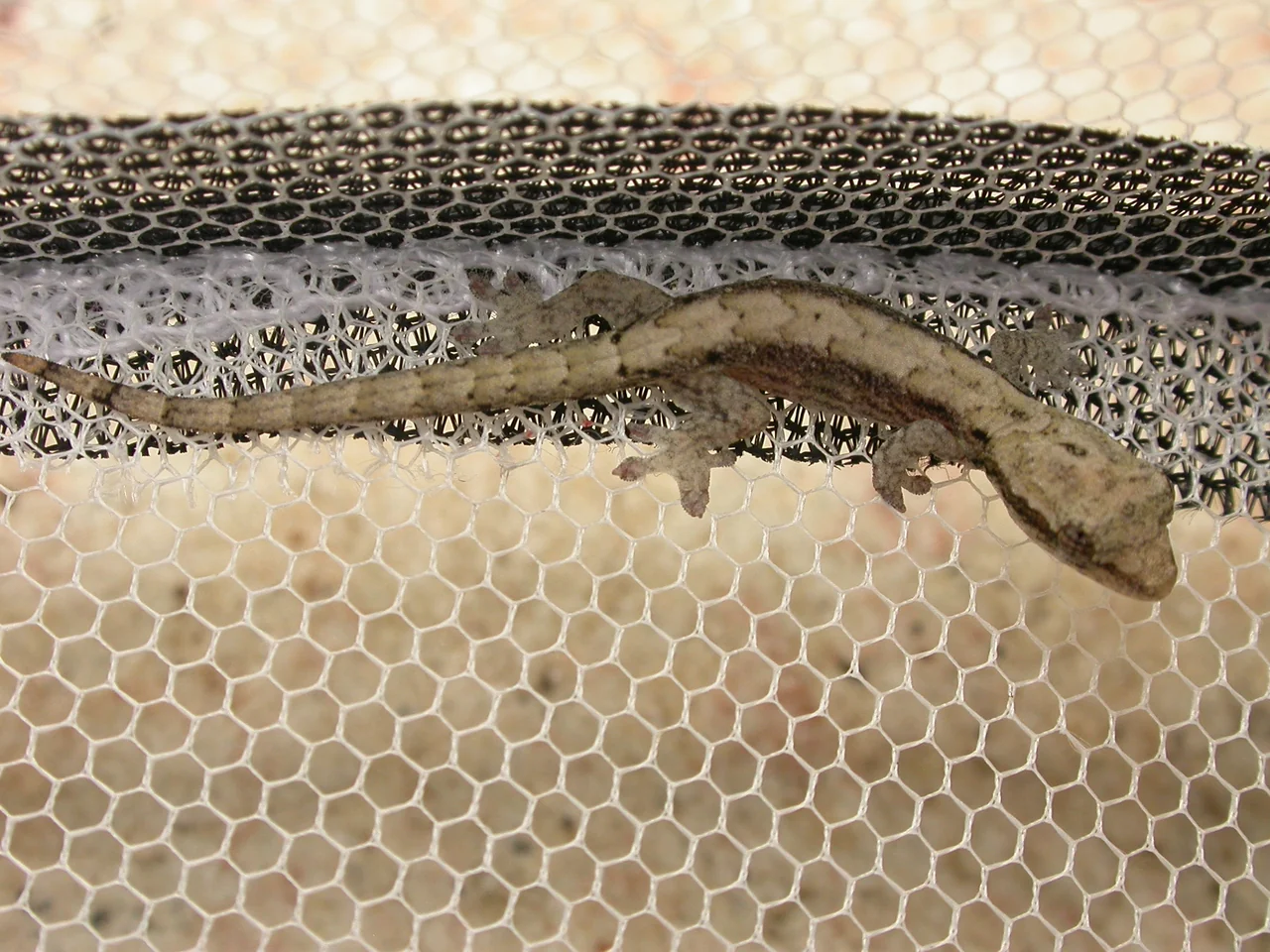
Photo: Morning Gecko Lepidodactylus lugubris · Greg Schechter · CC BY 2.0.
Photo: Lepidodactylus lugubris · Donald Hobern · CC BY 2.0.