 fellfolio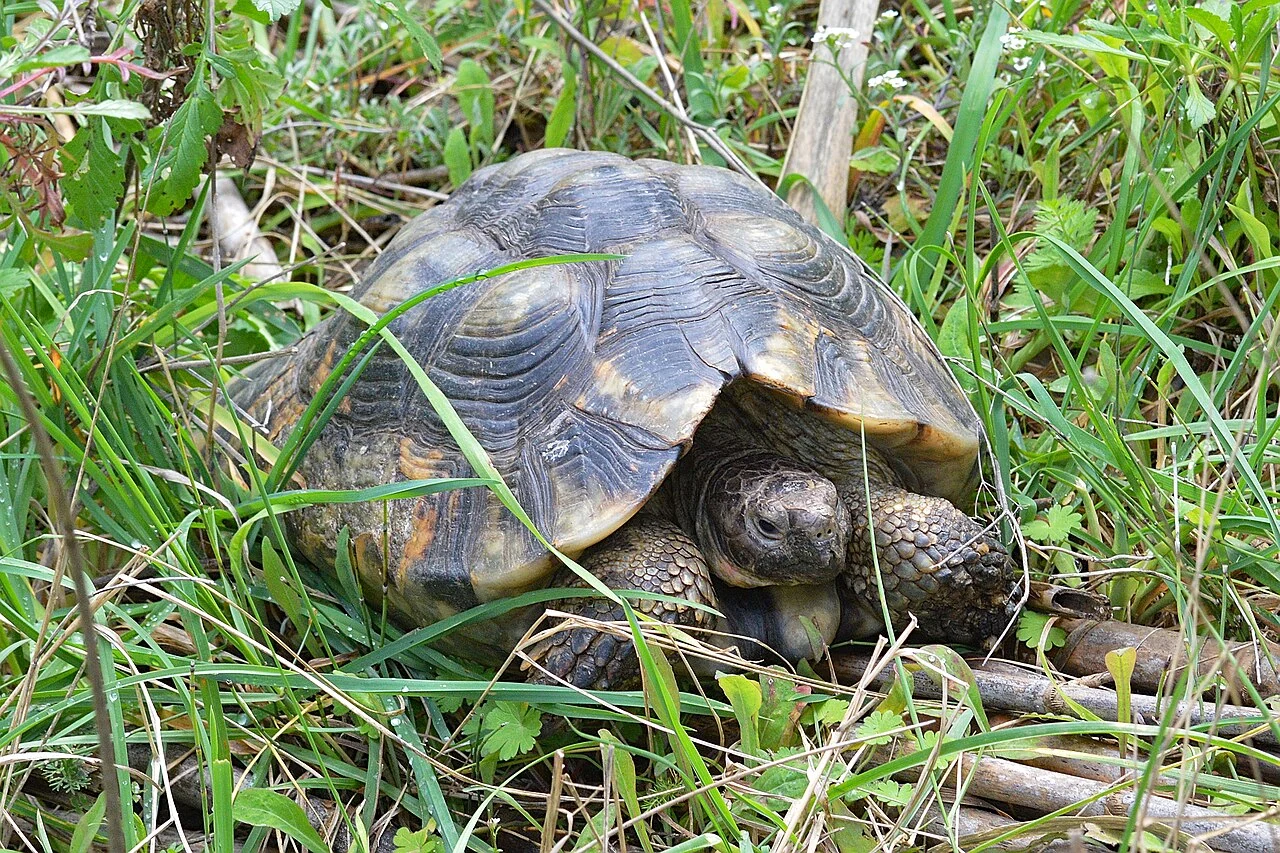
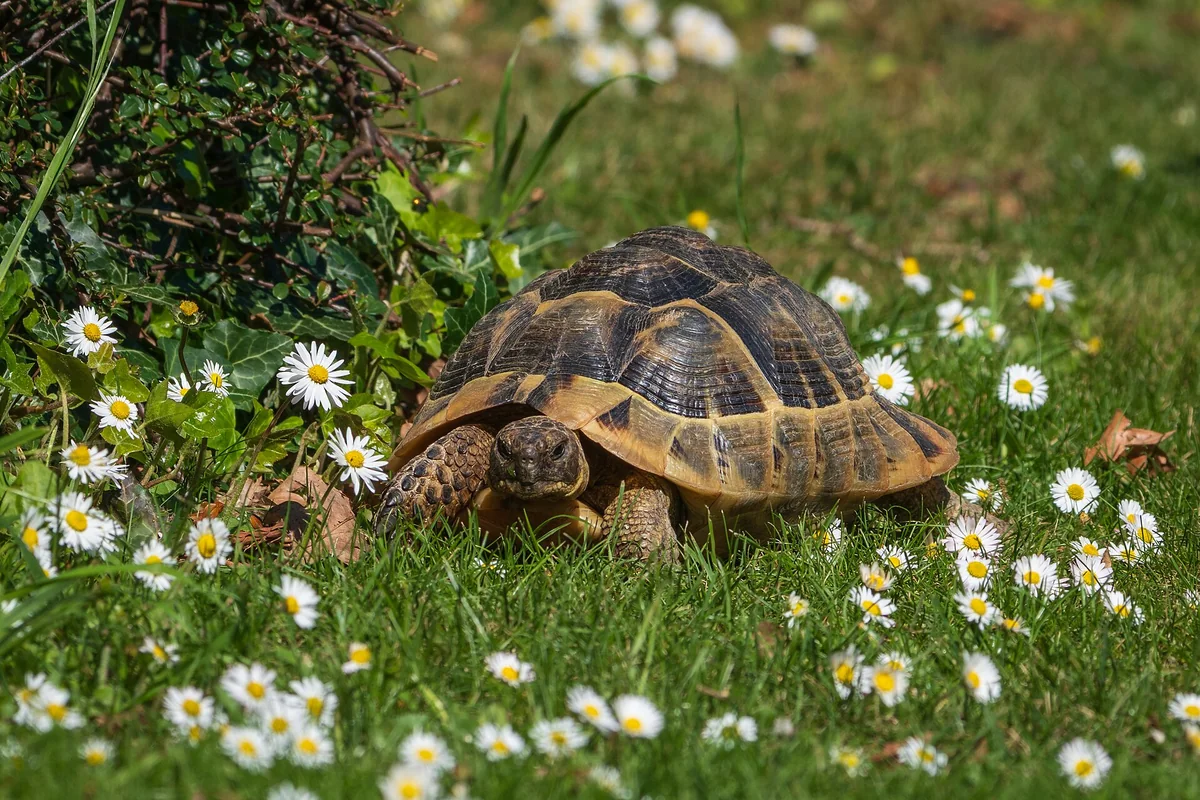
A large European tortoise
The marginated tortoise is a distinct species, rather than a colour variant of Hermann’s tortoise. The RSPCA, a British animal welfare charity, gives an adult shell length of approximately 30 cm. The flared rear edge develops as the animal grows. That feature alone cannot establish the identity of a young tortoise.
The enclosure should be planned for the eventual adult. Narrow passages, small shelters and low boundaries that accommodate a hatchling can become unsuitable later. Documents should establish the species, provenance and individual identification. A large, dark tortoise is not automatically Testudo marginata.
An outdoor enclosure with room to explore
The RSPCA care sheet gives 10 m² of outdoor space for one tortoise in this group. This is a useful starting point when planning for a large marginated tortoise, rather than a legal minimum or an upper limit. Routes around plants, gentle changes in ground level and usable shade make the area more valuable than an equally large, empty lawn.
Boundaries need to prevent both digging out and climbing over. Rocks, roots and plants should not create a ladder beside the perimeter. Soil for digging needs good drainage. After heavy rain, water should not collect inside the sleeping shelter or lower retreats. Young tortoises need additional protection from predators. Dogs should not have unrestricted access, even if they behave gently around other pets.
Read more: Hermann's tortoise care: enclosure, food and winter dormancy
Shelter, basking and summer heat
A suitable cold frame or shelter provides weather protection and controlled supplementary warmth. A cold frame is a low, covered structure with a light-transmitting lid. It needs effective ventilation. Sunshine can make a transparent-covered space very hot. Shade and cooler retreats must remain accessible.
UVB means ultraviolet B radiation. It enables vitamin D3 production, which helps the body use calcium. Outdoors, natural UVB can reach the tortoise provided no unsuitable covering blocks it. Ordinary window glass blocks most of it. A heated indoor area therefore needs appropriate lighting planned for that space. Temperatures at the basking place and conditions inside the retreat should be measured. Air temperature above the enclosure does not show how warm a surface is at shell level.
Read more: Getting heat and UVB right in a reptile enclosure
Healthy growth with leaves and herbs
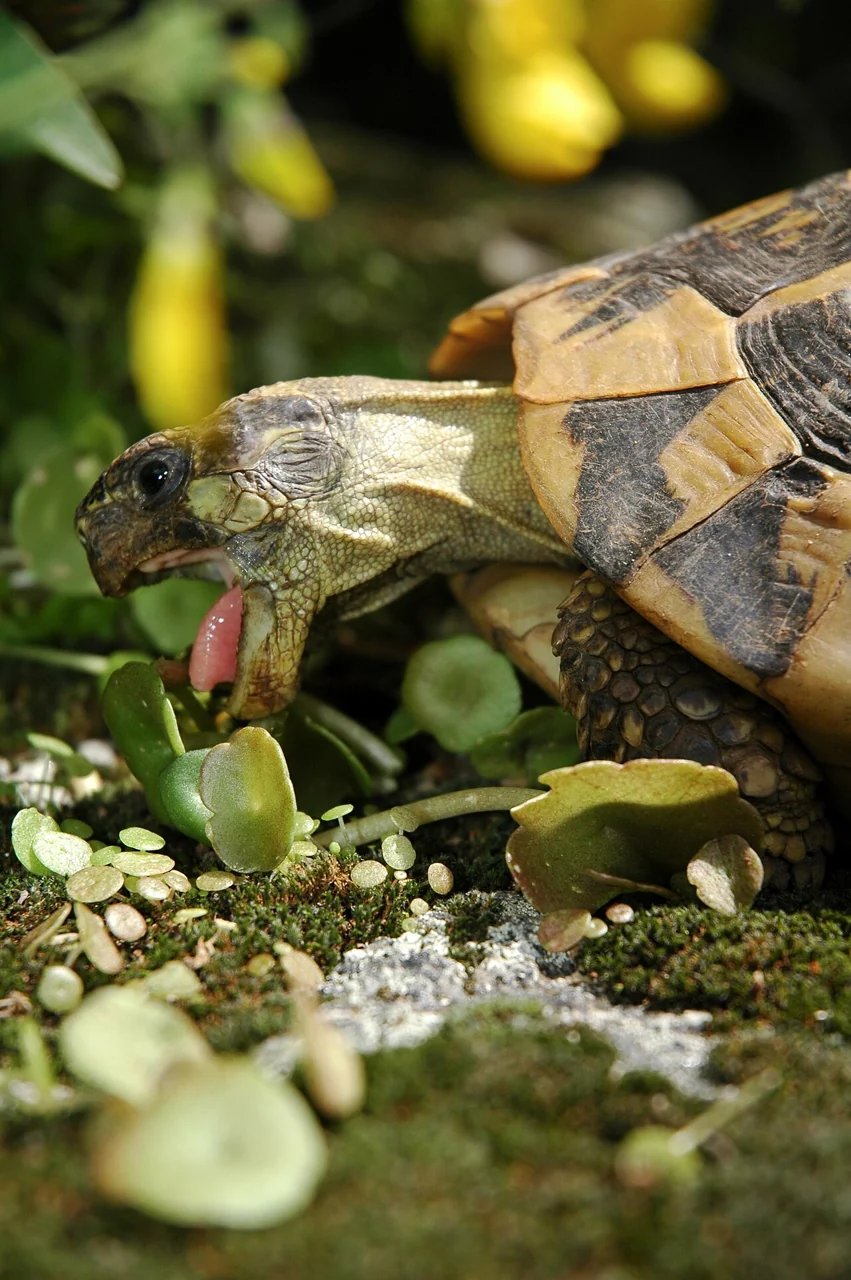
Marginated tortoises feed mainly on plants. Suitable edible weeds, leaves and flowers provide varied textures. Correctly identified dandelion, plantain and sow thistle are examples. Plants should be collected from uncontaminated places. An unfamiliar plant should not be offered on the strength of a quick photographic comparison.
The diet should be varied and rich in fibre. Large amounts of fruit, energy-rich treats or cat and dog food do not suit it. A young tortoise should not be encouraged to grow as fast as possible. Food amounts, development, water provision and lighting work together. Calcium and any further supplements should be planned to suit the diet and lighting. Fresh water should be accessible in a shallow bowl that the tortoise can enter and leave without tipping over.
Read more: Feeding reptiles: choose food for the species · Caring for reptiles as they grow and age
Prepare for winter dormancy in advance
Marginated tortoises are a hibernating species. During this seasonal rest, activity and metabolism decrease substantially under appropriate conditions. Preparation still depends on the individual’s health, development, previous history and planned accommodation. A veterinary examination before dormancy can identify problems that weighing alone would miss.
The duration, preparation and monitoring should be agreed with a reptile veterinarian. One general fasting and cooling recipe is too imprecise. Breathing trouble, recent injuries or unexpected weight loss should be assessed by a veterinarian before the planned rest period. Weight records and conditions during previous rest periods help the discussion. After waking, activity, food intake and suitable warmth should also be checked.
Read more: Seasonal rest in reptiles: preparation and monitoring
Wildlife trade rules and long-term care
Testudo marginata is listed in Annex A of the EU wildlife trade regulation. Buying and selling generally requires a valid commercial-use certificate. This records an exemption from the commercial-use prohibition for the individual animal. The documents and matching identification should be checked with the responsible wildlife trade authority before transfer.
In Germany, registration and required identification also apply. Photographic documentation may be involved according to the animal and the authority’s requirements. The records need to remain traceable to that tortoise. Other countries have their own rules. Keeping a photo collection in Fellfolio cannot replace an official certificate.
Another carer needs access to the enclosure and equipment, a guide to suitable food plants and the veterinarian’s contact details. For a long-lived tortoise, it is also worth agreeing who could take over care after a house move or a lasting change in circumstances.
Common questions
Can it live permanently in a small terrarium?
A small indoor tank cannot provide suitable permanent housing for this large, active tortoise. A proper outdoor enclosure with shelter should be available before transfer. Temporary indoor accommodation, for example during treatment, also needs adequate space and appropriate equipment.
Is a photograph enough to establish provenance?
No. Photographs may form part of required identification, but do not replace lawful provenance or necessary certificates. The responsible authority can establish which images and documents are needed for the individual tortoise.
A closer look
Sources and photo credit
- Testudo marginataThe Reptile DatabaseA large European tortoise
- Marginated tortoise care sheetTortoise Protection Group, January 2014A large European tortoise · An outdoor enclosure with room to explore · Healthy growth with leaves and herbs
- Spur-thighed, Hermann’s, marginated and Horsfield’s tortoisesRSPCAA large European tortoise · An outdoor enclosure with room to explore · Wildlife trade rules and long-term care
- Indoor Accommodation for Tortoises: A Practical GuideTortoise Trust, 2025Shelter, basking and summer heat
- Feeding Tortoises: Avoiding Dietary DisastersTortoise Trust, 2024Healthy growth with leaves and herbs
- Hibernating tortoises: navigating the pitfallsBritish Veterinary Nursing Association, William LewisPrepare for winter dormancy in advance
- UVB Lighting for ReptilesLafeberVet, Frances M. Baines, 2024Shelter, basking and summer heat
- Council Regulation (EC) No 338/97, consolidated 29 June 2026European Union, EUR-LexWildlife trade rules and long-term care
- Genehmigungen und BescheinigungenBundesamt für NaturschutzWildlife trade rules and long-term care
- Bundesartenschutzverordnung, § 7 und Anlage 5Bundesministerium der Justiz, Gesetze im InternetWildlife trade rules and long-term care
- Fotodokumentation bei LandschildkrötenLandesamt für Umweltschutz Sachsen-AnhaltWildlife trade rules and long-term care
- Nachweispflicht und VermarktungsbescheinigungenLandesamt für Umweltschutz Sachsen-AnhaltWildlife trade rules and long-term care
Photo credits
Photo: File:Marginated Tortoise (Testuggine Marginata) (Testudo marginata) - Rome, Italy 2024-03-02 (01).jpg · Ryan Hodnett · CC BY-SA 4.0. Resized and converted to WebP.
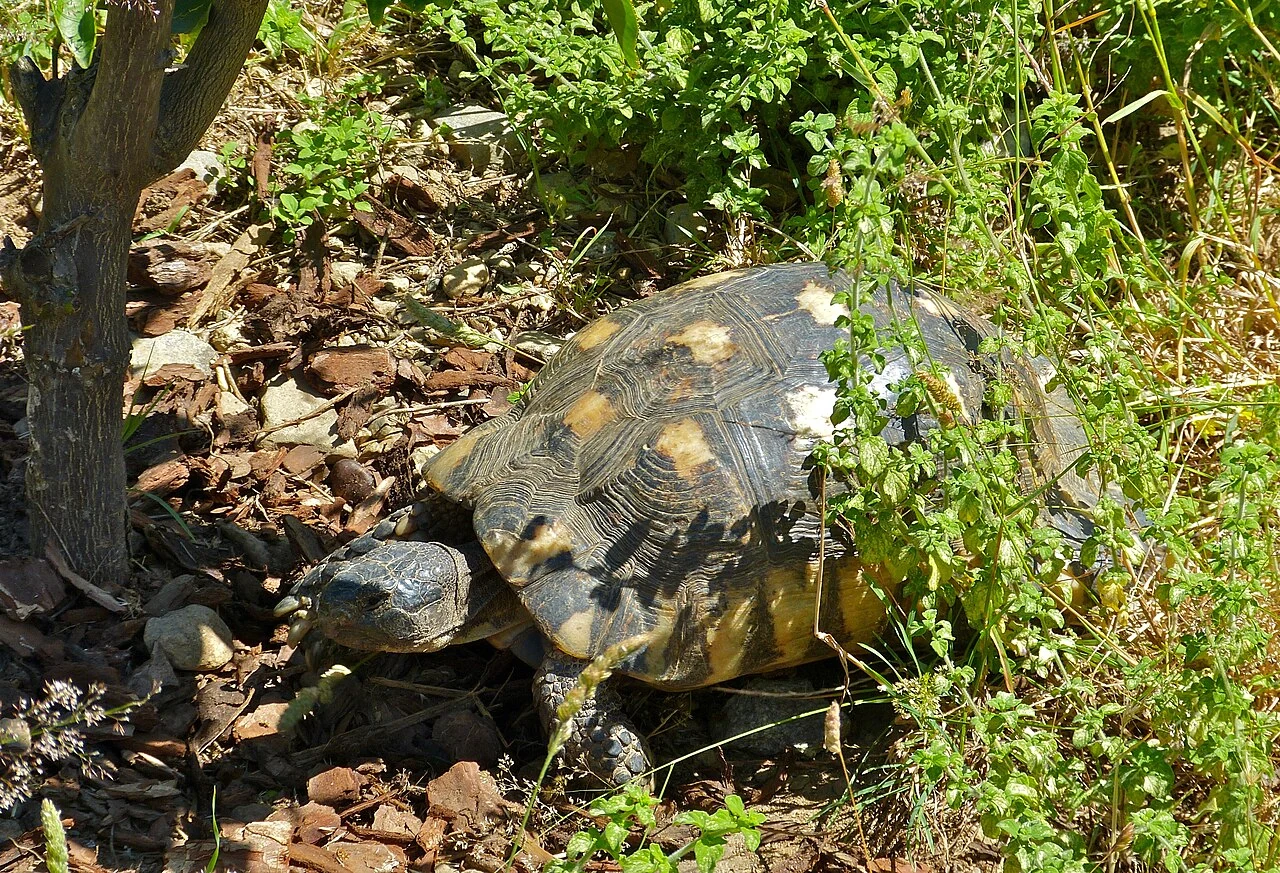
Photo: File:Marginated Tortoise (Testudo marginata) male (9186197910).jpg · Bernard DUPONT from FRANCE · CC BY-SA 2.0. Resized and converted to WebP.
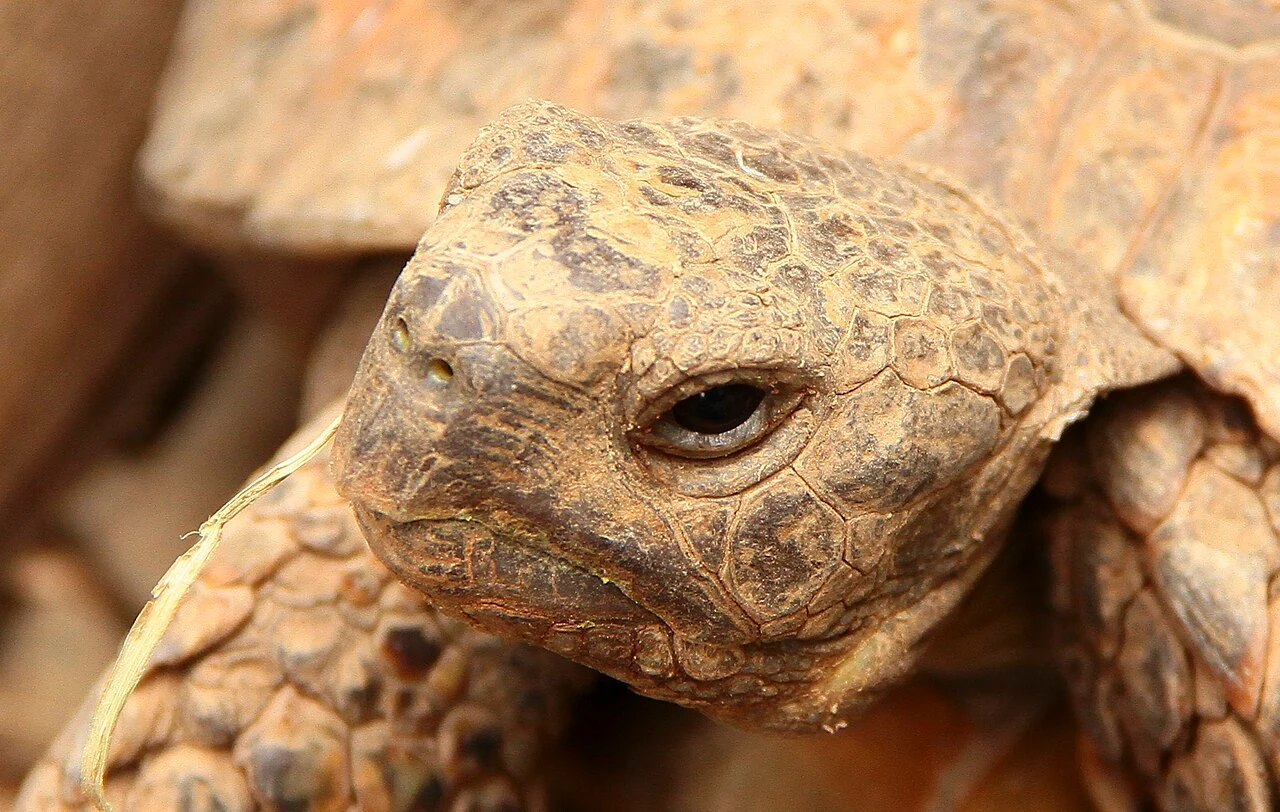
Photo: File:Marginated tortoise's head.jpg · Drtrotsky · CC0. Resized and converted to WebP.
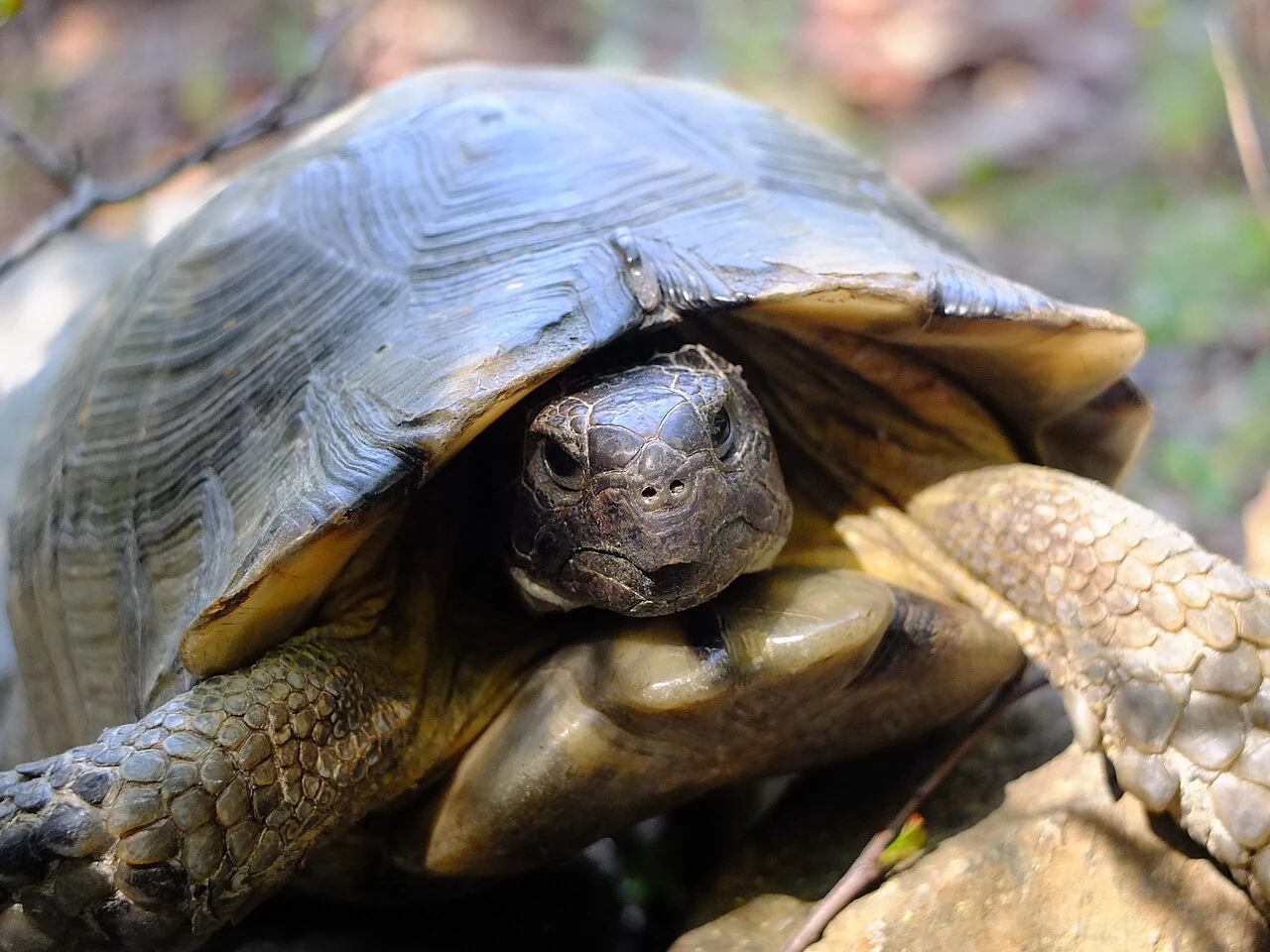
Photo: File:Testudo marginata on Evia (Euboea) island, Greece.jpg · kernpanik · CC BY-SA 4.0. Resized and converted to WebP.
_(Testudo_marginata)_-_Rome,_Italy_2024-03-02_(01).jpg)
_male_(9186197910).jpg)

_island,_Greece.jpg)