fellfolio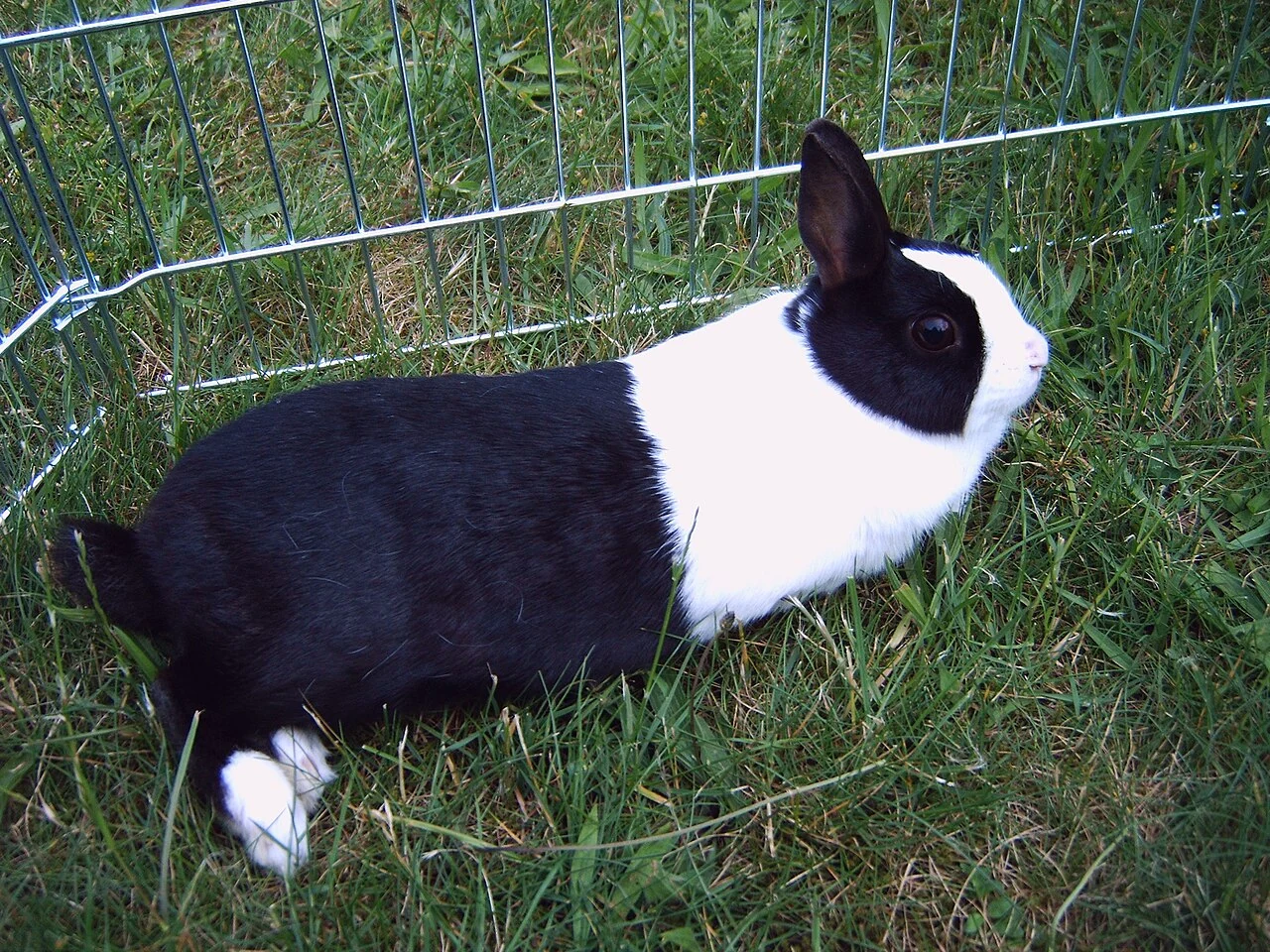
How the familiar markings became a breed feature
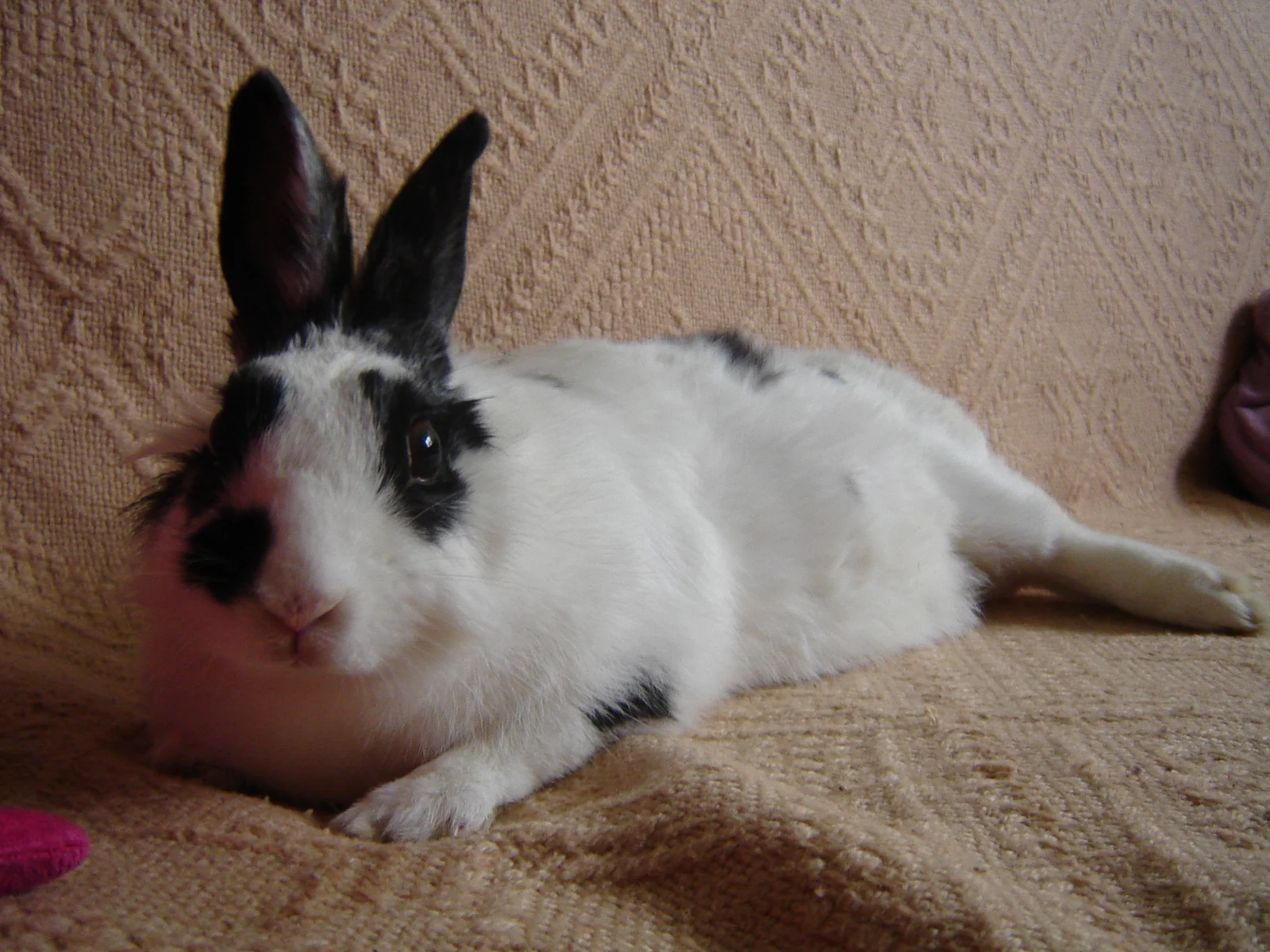
The American breed organisation traces development of the modern Dutch to nineteenth-century England. Breeders selected rabbits with a particular distribution of white and coloured areas. This pattern remains characteristic today. Other colour combinations occur alongside the familiar black and white.
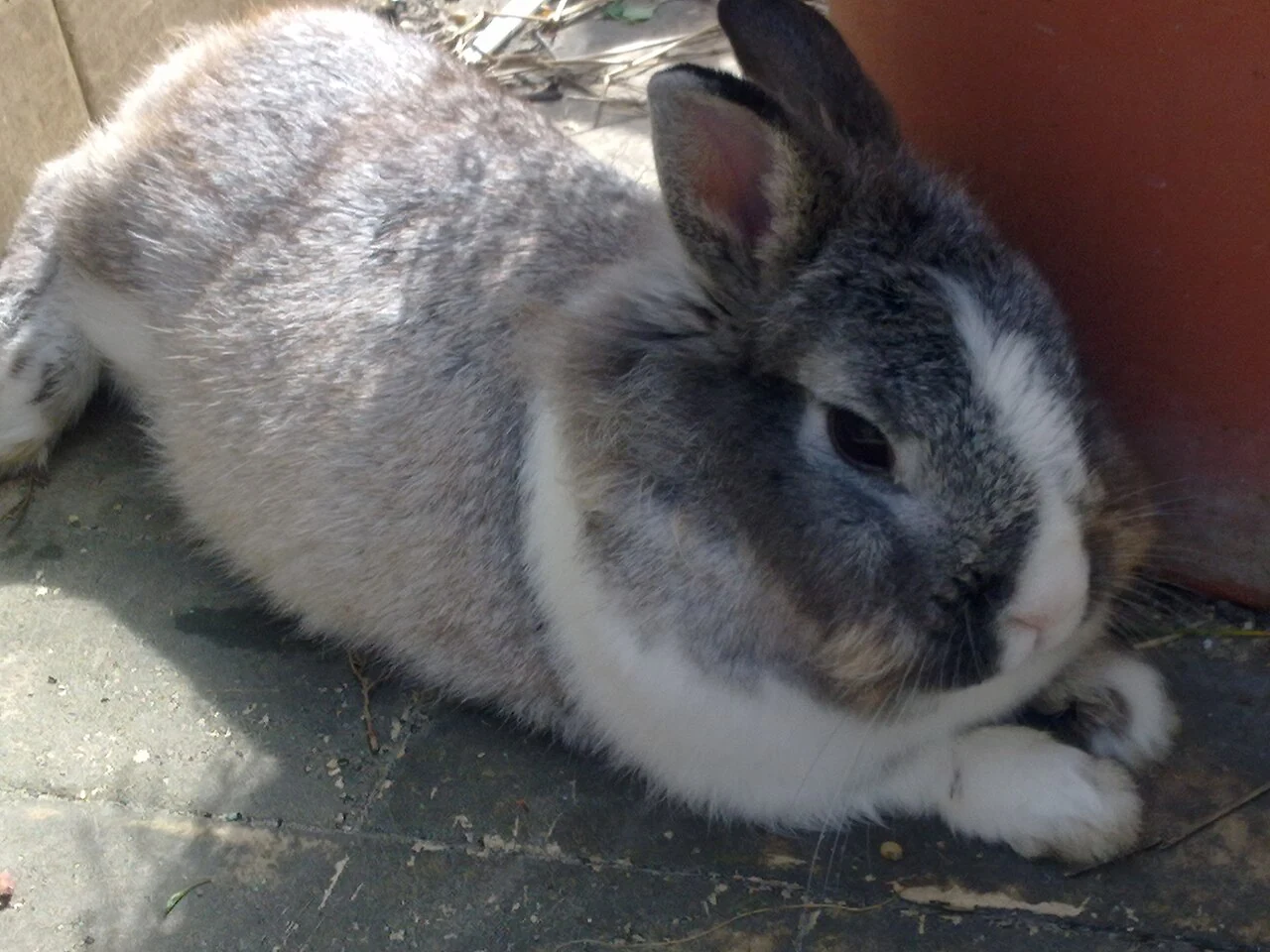
Show standards judge the distribution of markings closely. An irregular patch, however, says little about suitability as a companion. A rabbit whose markings differ from the standard can be an equally interesting and healthy member of a home. Conversely, an attractive pattern confirms neither pedigree nor good health. Records and knowledgeable assessment should therefore be considered separately from the first visual impression. Breed history can explain appearance without deciding which individual will suit a particular household.
Sources for this section
- Recognized BreedsAmerican Rabbit Breeders Association
- How to keep your rabbit healthyRSPCA
Meeting a rabbit with an existing routine
During adoption visits, it is useful to observe responses to people, food and changes in the surroundings. Information about a settled companion and familiar furnishings is especially valuable. An already compatible pair can move together without first having to establish a new social relationship.
One curious rabbit may approach immediately while another watches from a hide. Both can be ordinary responses. A brief meeting rarely reveals a complete temperament. Repeated quiet visits provide a clearer impression of the animals. Previous treatment, vaccination, neutering and feeding information add practical context. Open records make the transition easier and help distinguish a new concern from an already known feature of the rabbit’s behaviour or health.
Read more: Bonding rabbits: preparing for a shared home
Sources for this section
Routes and opportunities to explore
Rabbits benefit from a connected area they can use throughout the day and night. Clear routes should remain between hides, food and resting places. A cardboard box with sufficiently large entrances and exits can form a simple tunnel if tape, staples and other swallowable parts are removed and the rabbit does not consume problematic amounts of cardboard.
A safe digging area and stable, easily reached lookout platforms can provide further choices. Furnishings should stand securely and be accessible to both animals. Retaining familiar retreats helps when changing the layout. Indoors, cables, plants and narrow gaps need protection. Outdoor housing needs to prevent escape, exclude predators and provide shelter from unsuitable weather. The practical design depends on the location and should be checked before the animals move in.
Read more: Rabbit housing: space, exercise and companionship
Sources for this section
Shared meals with attention to each animal
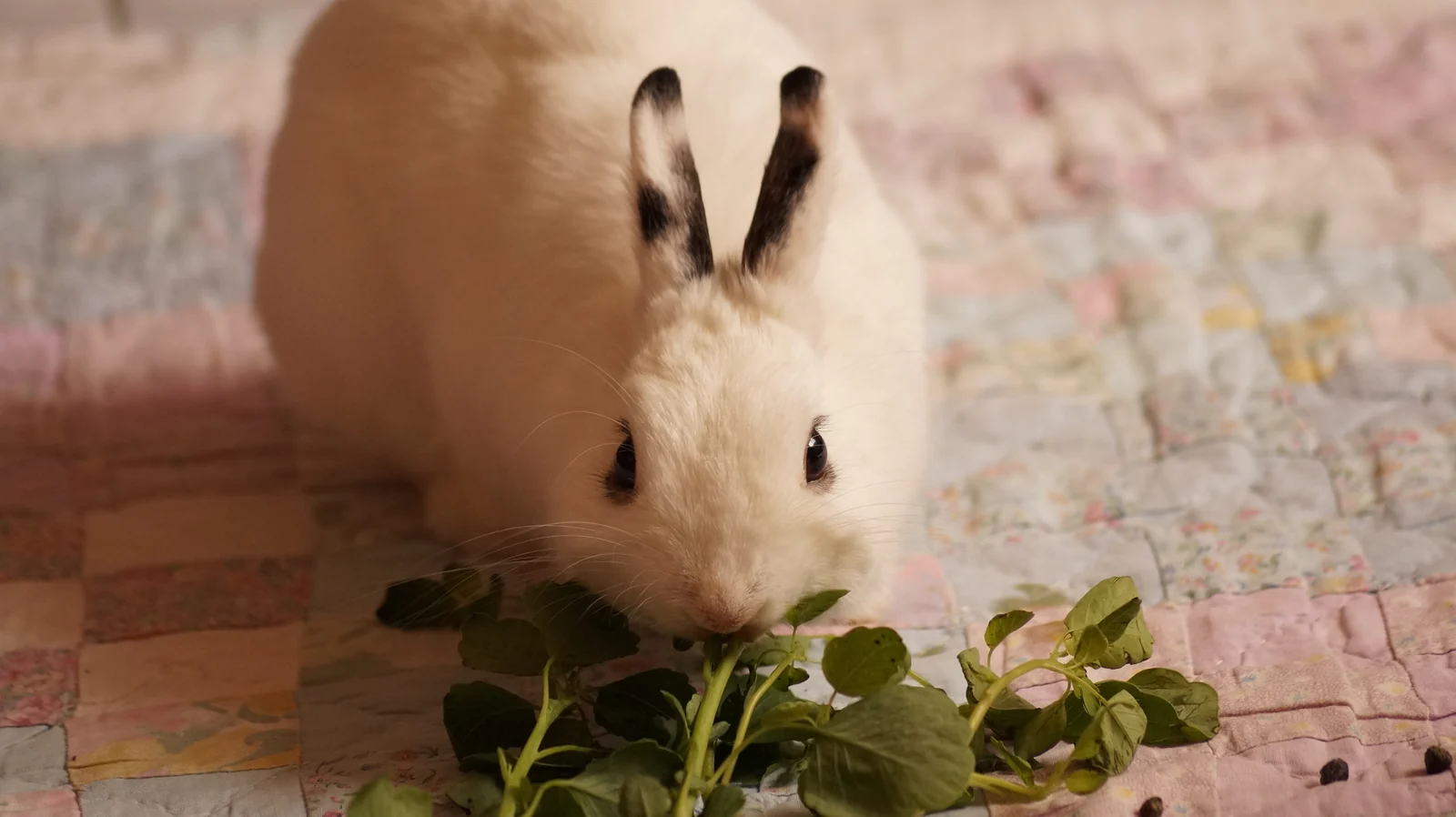
Hay and suitable grass belong at the centre of the feeding plan. Leafy foods and other appropriate additions should reflect established habits and individual needs. New foods need gradual introduction. Several feeding positions allow both rabbits to eat comfortably without repeatedly meeting at a narrow point.
Feeding time offers an opportunity for daily observation. Do both animals approach, chew as usual and finish their familiar food? Safe locations for small portions of leafy food can make searching interesting. Where possible, a major food change should not coincide with a move or a new introduction. Familiar routines make changes in appetite easier to interpret. The aim is to know what each rabbit actually eats rather than judging the pair from one empty bowl.
Read more: Feeding rabbits: hay, greens and everyday habits
Sources for this section
- What do rabbits eat?RSPCA
- Nutrition of RabbitsMerck Veterinary Manual
- Enrichment for rabbitsRSPCA
Following health through ordinary care
The generally short coat makes inspection easier but still needs attention. Skin, the rear, claws and the undersides of feet should be checked regularly. Gentle grooming can remove loose hair during moulting. Daily care should reveal changes such as less movement, altered posture or increasing difficulty with self-grooming.
Regular weighing adds information to those observations. A small change can then be considered over time rather than guessed from appearance alone. A rabbit eating substantially less or refusing food needs immediate advice from a rabbit-experienced practice. Later in life, low entrances and accessible resting areas may make the routine easier. The established companion relationship remains important. Young animals need long-term planning too, because relationships and behaviour can change as they mature.
Read more: Daily rabbit care: noticing small changes · Rabbit life stages: from youngsters to older companions
Sources for this section
- How to keep your rabbit healthyRSPCA
- Flystrike in rabbitsRabbit Welfare Association & Fund
- Company for pet rabbitsRSPCA
Common questions
Is every black and white rabbit a Dutch?
No. Similar markings occur in other breeds and crosses. Documented ancestry is more useful when establishing breed identity.
Is this a breed to cuddle in my arms?
Many rabbits prefer secure contact with the ground. Quiet company and voluntary approaches suit their behaviour better than frequent lifting. The individual shows how much touch it enjoys.
A closer look

Sources and photo credit
- Creating the right home for rabbitsRSPCA
- Company for pet rabbitsRSPCA
- Keeping rabbits in your homeRSPCA
- Enrichment for rabbitsRSPCA
- What do rabbits eat?RSPCA
- Nutrition of RabbitsMerck Veterinary Manual
- How to keep your rabbit healthyRSPCA
- Flystrike in rabbitsRabbit Welfare Association & Fund
- Pet rabbits: care, behaviour and welfareRSPCA
- Recognized BreedsAmerican Rabbit Breeders Association
Photo: Holländerkaninchen in Freilaufgehege.JPG · M. Falk · Public domain. Resized and converted to WebP; scene unchanged.
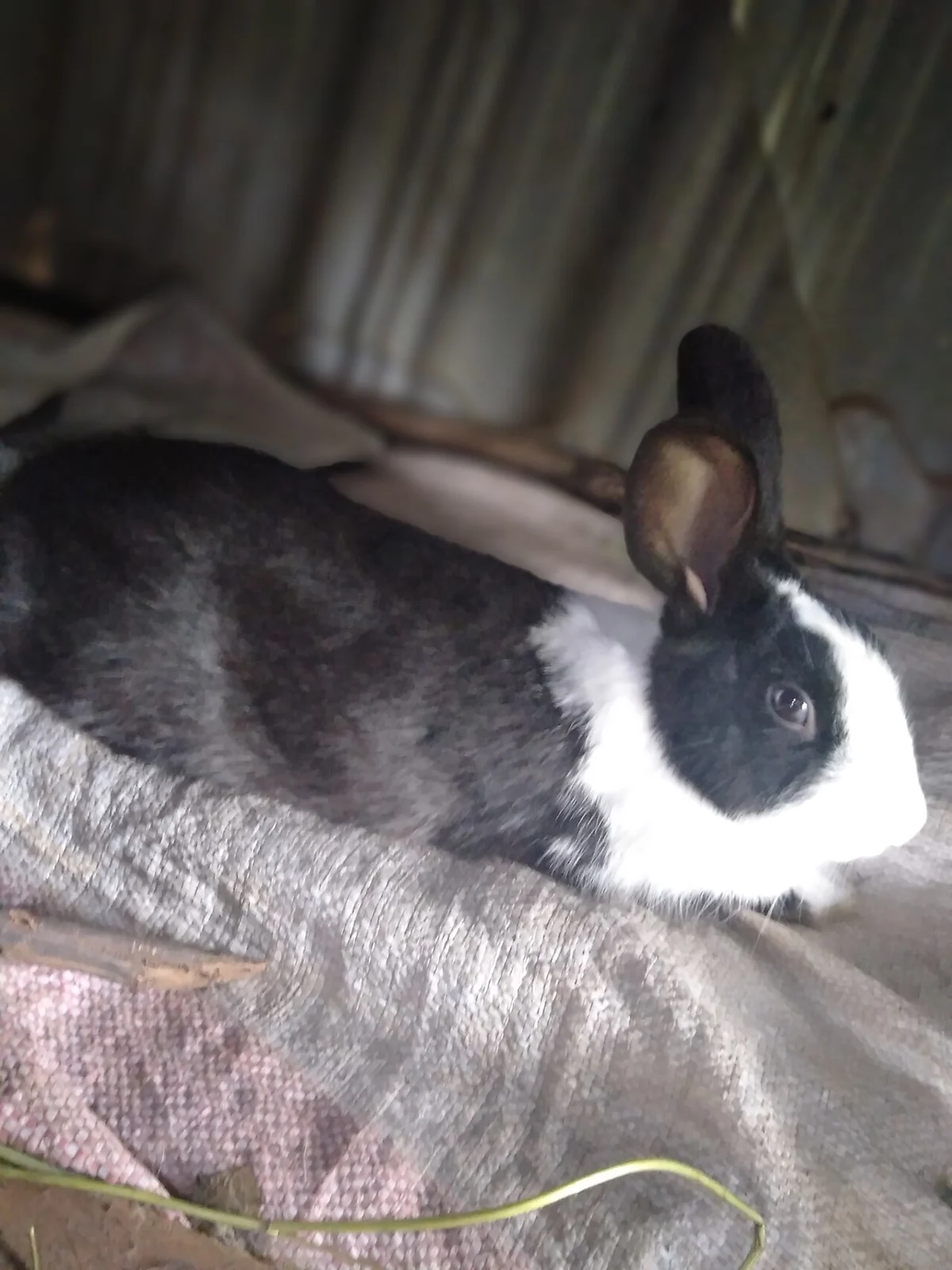
Photo: Beautiful dutch rabbit.jpg · Alvin kipchumba kosgei · CC BY-SA 4.0. Resized and converted to WebP; scene unchanged.
Photo: Dutch rabbit 5.jpg · Celeusta · CC BY-SA 4.0. Resized and converted to WebP; scene unchanged.
Photo: Domesticated rabbit in laundry room.jpg · Gracenotes · CC BY-SA 3.0. Resized and converted to WebP; scene unchanged.