fellfolio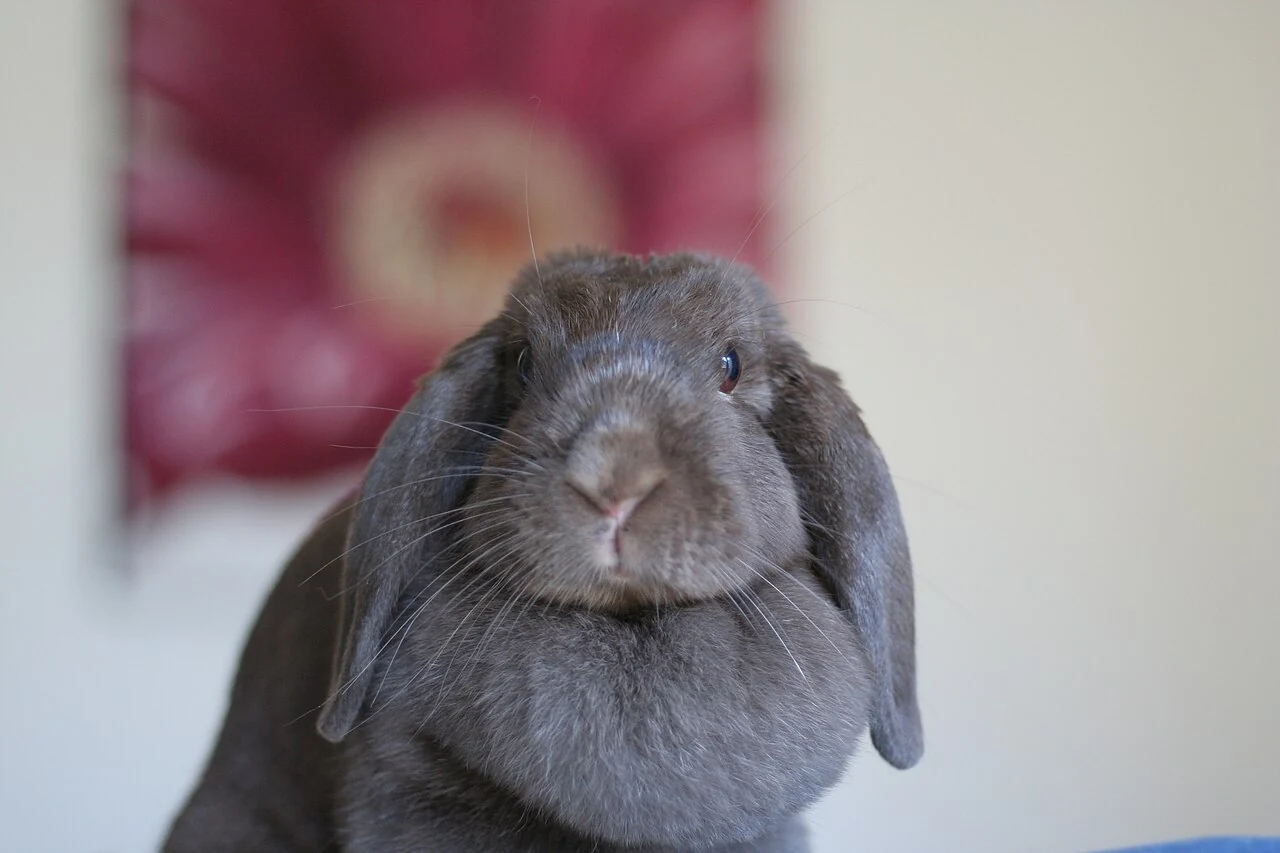
Small lops with different names
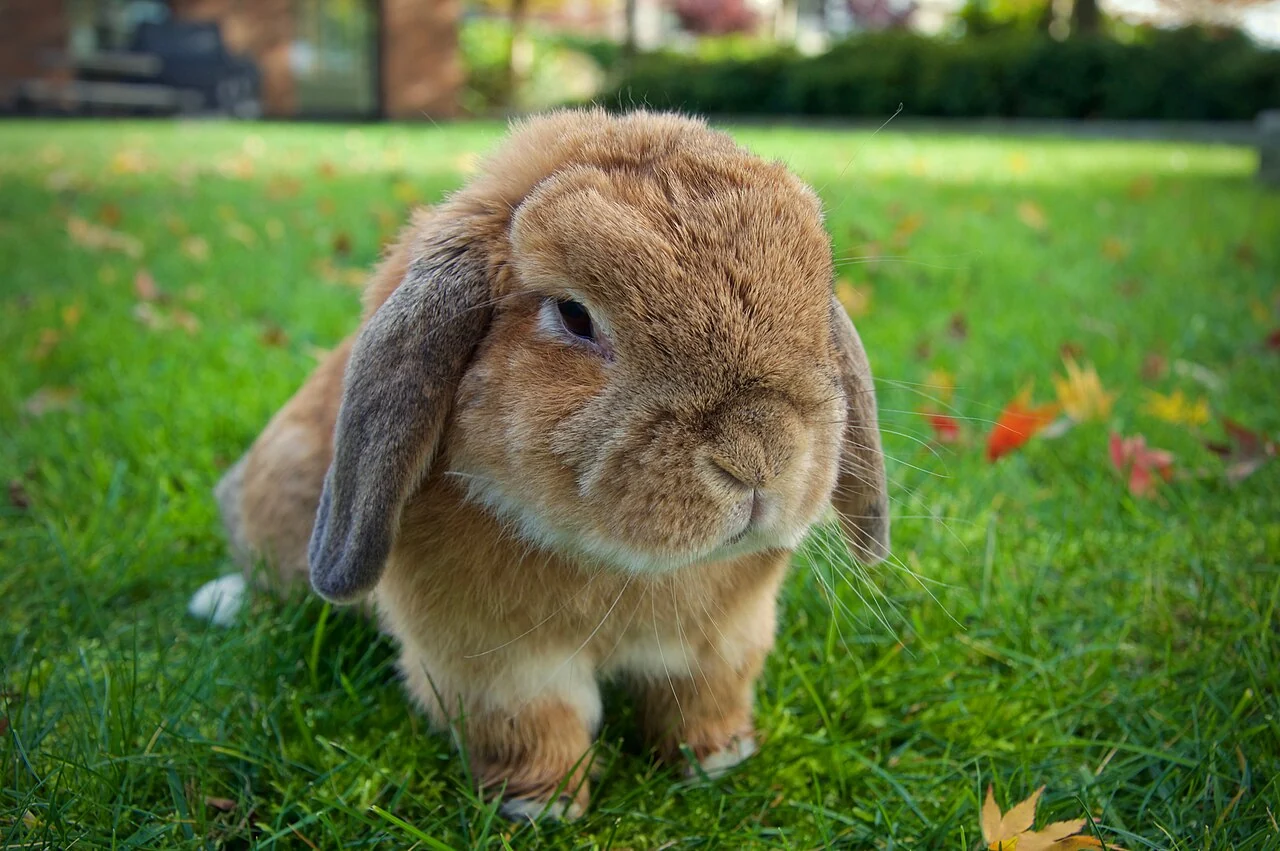
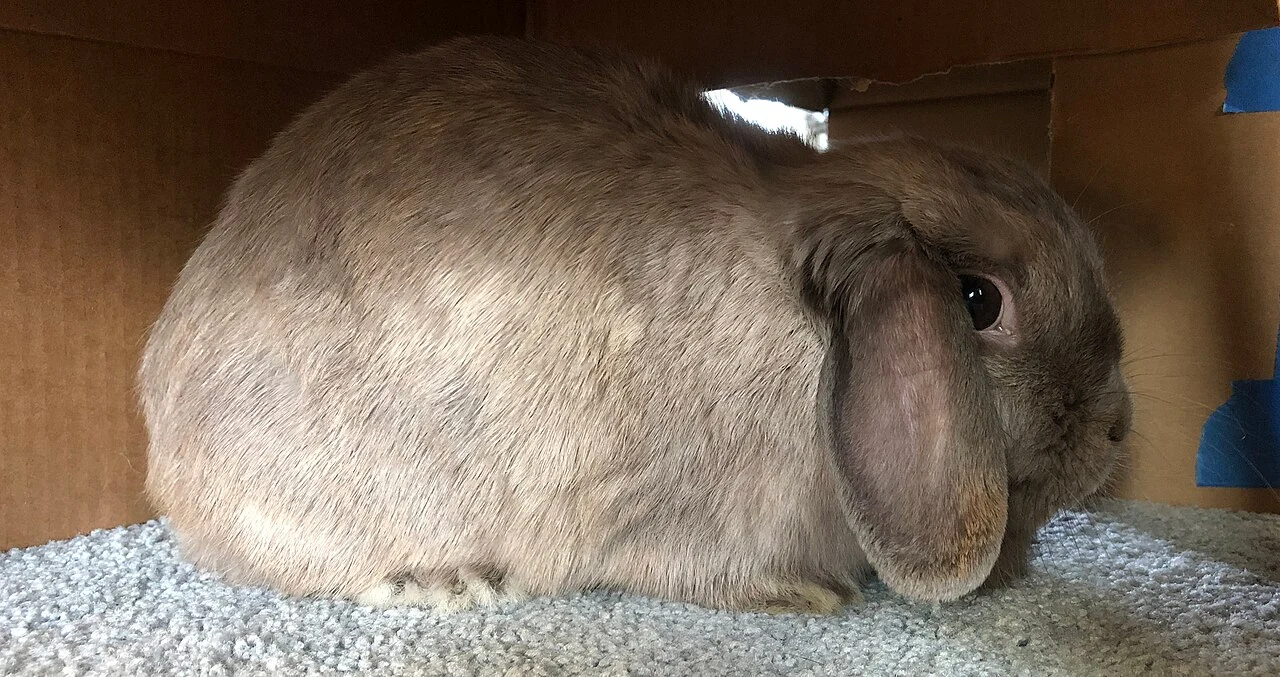
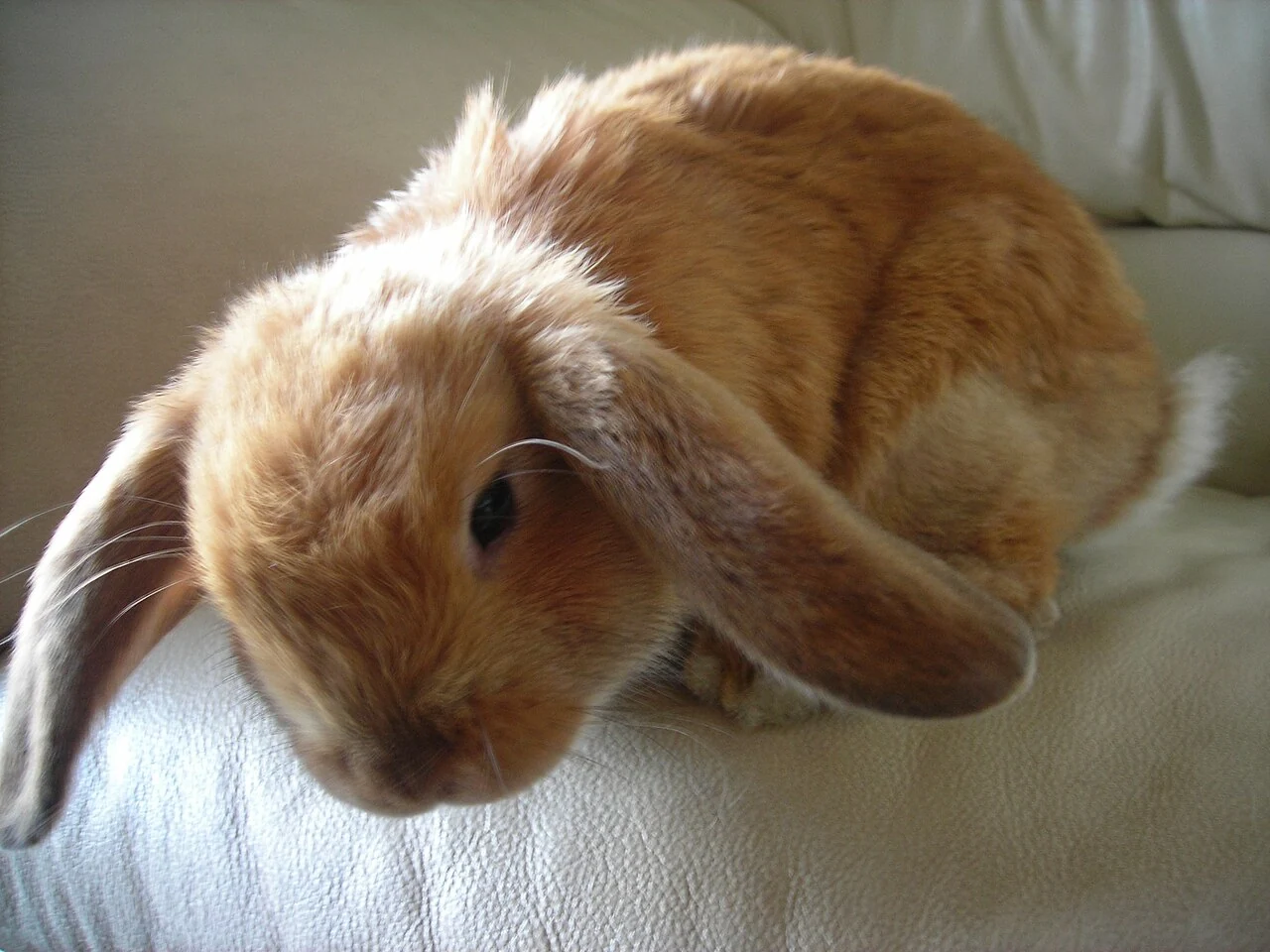
The development of the small Dutch lop is associated with breeder Adriaan de Cock. The German Zwergwidder subsequently developed its own breeding history. International names need careful interpretation: Holland Lop, Mini Lop and Miniature Lop may describe different standards depending on the country. The records of an individual animal should therefore clarify its background and expected size.
A pet with drooping ears may also be a cross. Ear position alone does not establish a specific pedigree. Actual body size, health and relationships with other rabbits matter most for care. These are domestic rabbits rather than hares, even where everyday language uses the names loosely. Their needs are determined by being rabbits, not by the label used in an advertisement.
Sources for this section
- ZwergwidderArbeitsgemeinschaft der Widderzüchter
- Recognized BreedsAmerican Rabbit Breeders Association
- Rabbits in the wildRSPCA
Why the ears need attention
In lops, the shape and narrowing of the ear canal can make movement of wax more difficult. A British owner survey found more reported ear problems in lop-eared rabbits than in rabbits with upright ears. This identifies a meaningful association, not a diagnosis for every individual. Figures from such a survey are also not a reliable prevalence estimate for all pet rabbits.
Increased head shaking, scratching, sensitivity around the ears or changed responses to sound deserve investigation. An apparently very quiet animal may be uncomfortable. Ear examination should be discussed at preventive appointments. Deep cleaning with cotton buds or trying miscellaneous ear products can make matters worse; assessment and treatment belong with a rabbit-experienced veterinary practice. Subtle changes are easier to discuss when the owner can describe when they began.
Sources for this section
- Ear health and quality of life in pet rabbitsChivers, Keeler und Burn; PLOS ONE, 2023
- How to keep your rabbit healthyRSPCA
Considering appearance and welfare together
Breeding can provide documented ancestry, careful health records and experienced support. Features still deserve scrutiny when they may be associated with pain or impaired function. In small lops, ear shape is an important part of that discussion. A more pronounced appearance should not take priority over functioning sensory organs.
Shorter heads are also frequently linked in general advice to dental problems. Research gives a more complex picture: a recent pedigree-rabbit study did not find a significant association between the dental abnormalities examined and short head shape or lopped ears. That does not remove the need for individual dental checks or critical assessment of extreme breeding traits. Responsible discussion should address actual findings and identifiable risks without assigning a disease to every animal in advance.
Sources for this section
- Rabbit Dental Abnormalities: Investigation of Conformational Risk FactorsJackson, Betts, Hedley und Burn; Animals, 2025
- Ear health and quality of life in pet rabbitsChivers, Keeler und Burn; PLOS ONE, 2023
Routes, retreats and comfortable contact
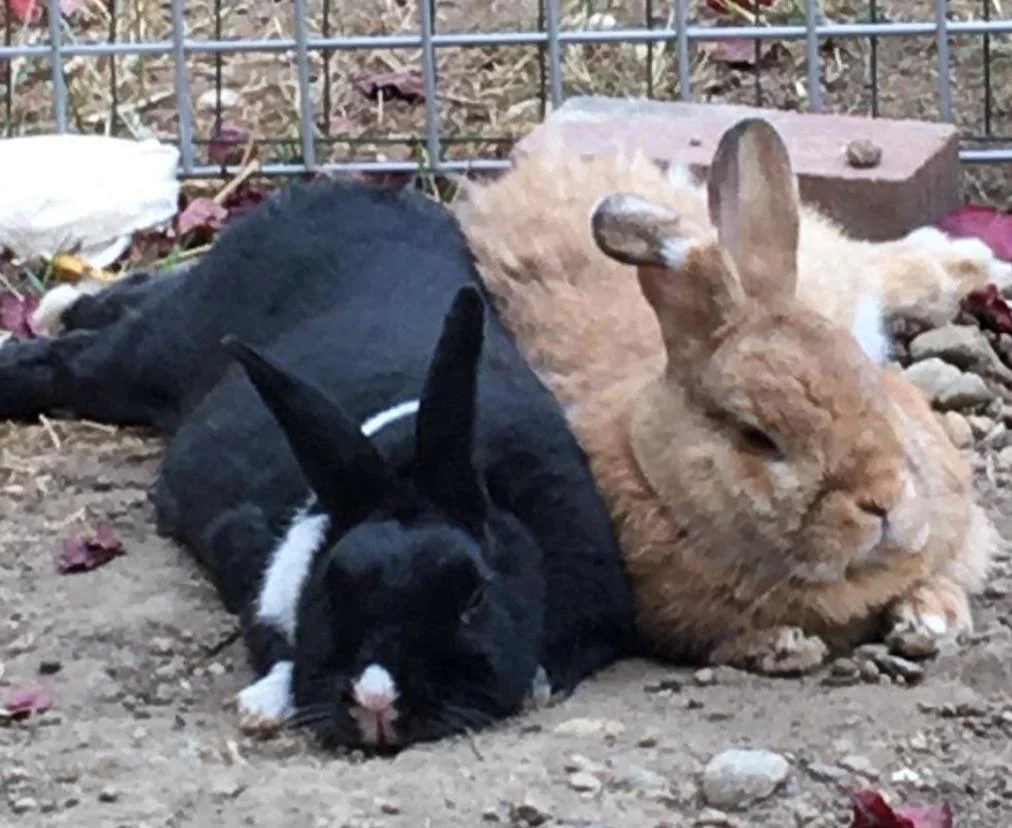
Small lops should share a permanently accessible living area with compatible rabbits. Several hides with two exits, accessible feeding places and secure footing support group life. A rabbit with reduced hearing should not be unexpectedly touched from behind. Approaching visibly and calmly can make everyday contact more comfortable.
When introducing furnishings, it is useful to observe whether both rabbits can use them or one occupies the area exclusively. A tunnel needs enough room for the body and ears without squeezing. Floor-level interaction with people is practical because the rabbit can approach or move away. Children need supervision, while adults remain responsible for care and for recognising when an animal needs space. A companion relationship should be protected during changes to the home.
Read more: Rabbit housing: space, exercise and companionship · Bonding rabbits: preparing for a shared home
Sources for this section
Feeding, checks and later life
Hay and suitable grass form the feeding foundation, with familiar leafy foods and measured additions according to need. Each rabbit should be seen eating daily. An empty shared bowl says little about whether both animals ate. Weight, droppings and a clean rear provide further useful observations.
Gentle grooming can remove loose hair during moulting. If mobility declines, litter-tray entrances, flooring and access to food need review. Older rabbits still benefit from company and opportunities to explore. Reduced appetite, unusual withdrawal or a tilted head warrant prompt veterinary advice. Head tilt has several possible causes and should not be treated as a simple ear problem without investigation. Keeping records of changes makes it easier to compare the current episode with earlier findings.
Read more: Daily rabbit care: noticing small changes · Rabbit life stages: from youngsters to older companions
Sources for this section
- What do rabbits eat?RSPCA
- How to keep your rabbit healthyRSPCA
- Flystrike in rabbitsRabbit Welfare Association & Fund
Common questions
Is every small lop unwell?
No. Increased risk describes a group rather than diagnosing an individual. Regular examinations and attention to changes are useful.
Does a lop already in my home need different treatment?
It needs the same foundations of good rabbit care, with particular attention to its ears. If hearing is reduced, visible approaches and predictable routines can make contact easier.
A closer look
Sources and photo credit
- Creating the right home for rabbitsRSPCA
- Company for pet rabbitsRSPCA
- What do rabbits eat?RSPCA
- How to keep your rabbit healthyRSPCA
- Flystrike in rabbitsRabbit Welfare Association & Fund
- Pet rabbits: care, behaviour and welfareRSPCA
- Recognized BreedsAmerican Rabbit Breeders Association
- Rabbits in the wildRSPCA
- Rabbit Dental Abnormalities: Investigation of Conformational Risk FactorsJackson, Betts, Hedley und Burn; Animals, 2025
- Ear health and quality of life in pet rabbitsChivers, Keeler und Burn; PLOS ONE, 2023
- ZwergwidderArbeitsgemeinschaft der Widderzüchter
Photo: Grey Holland Lop rabbit.jpg · Takkiln · CC BY-SA 4.0. Resized and converted to WebP; scene unchanged.
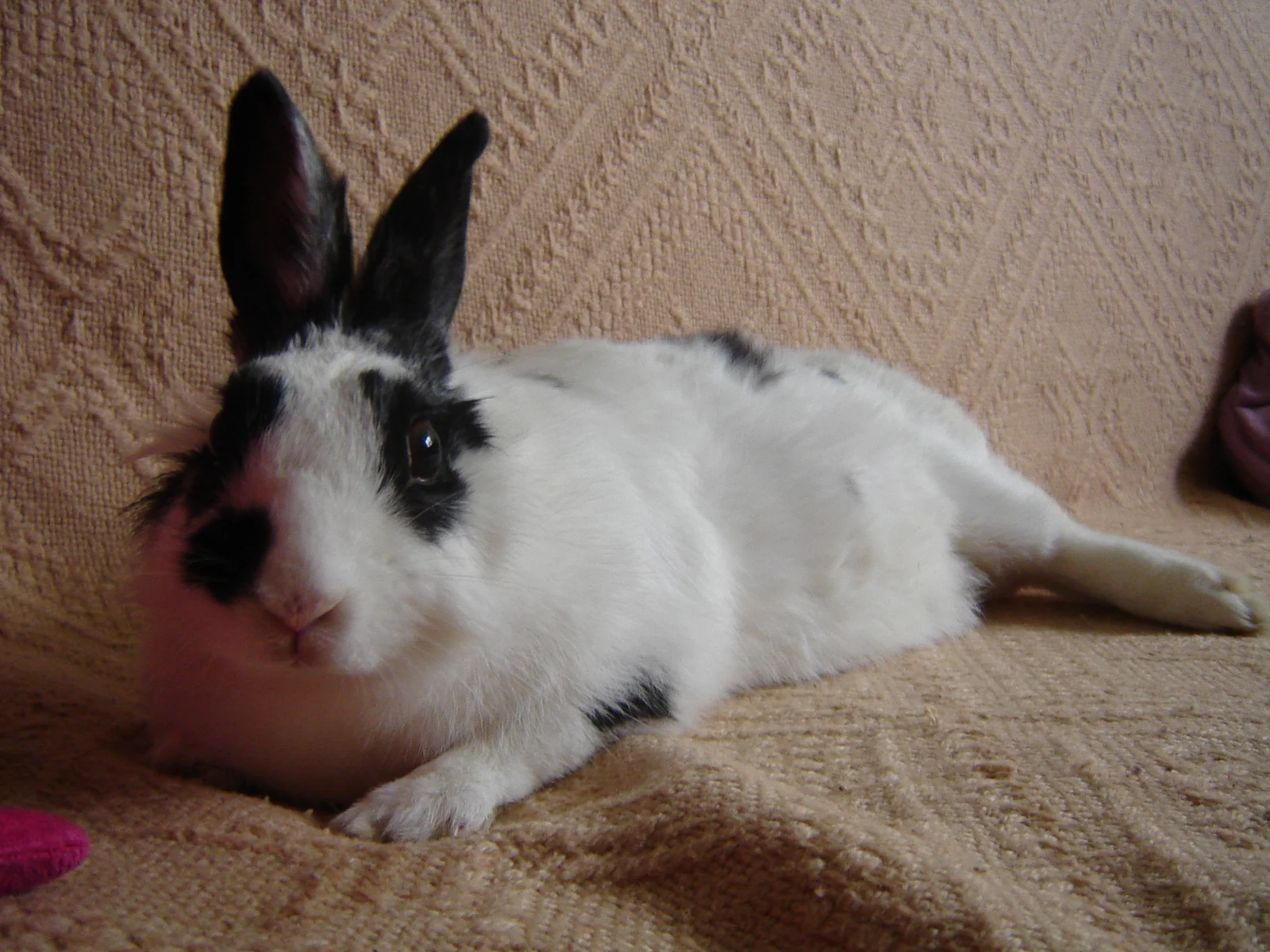
Photo: Holland lop rabbit.jpg · Harold Cecchetti · CC BY-SA 4.0. Resized and converted to WebP; scene unchanged.
Photo: Holland Lop Enclosure.jpg · Bcwarner · CC BY-SA 4.0. Resized and converted to WebP; scene unchanged.
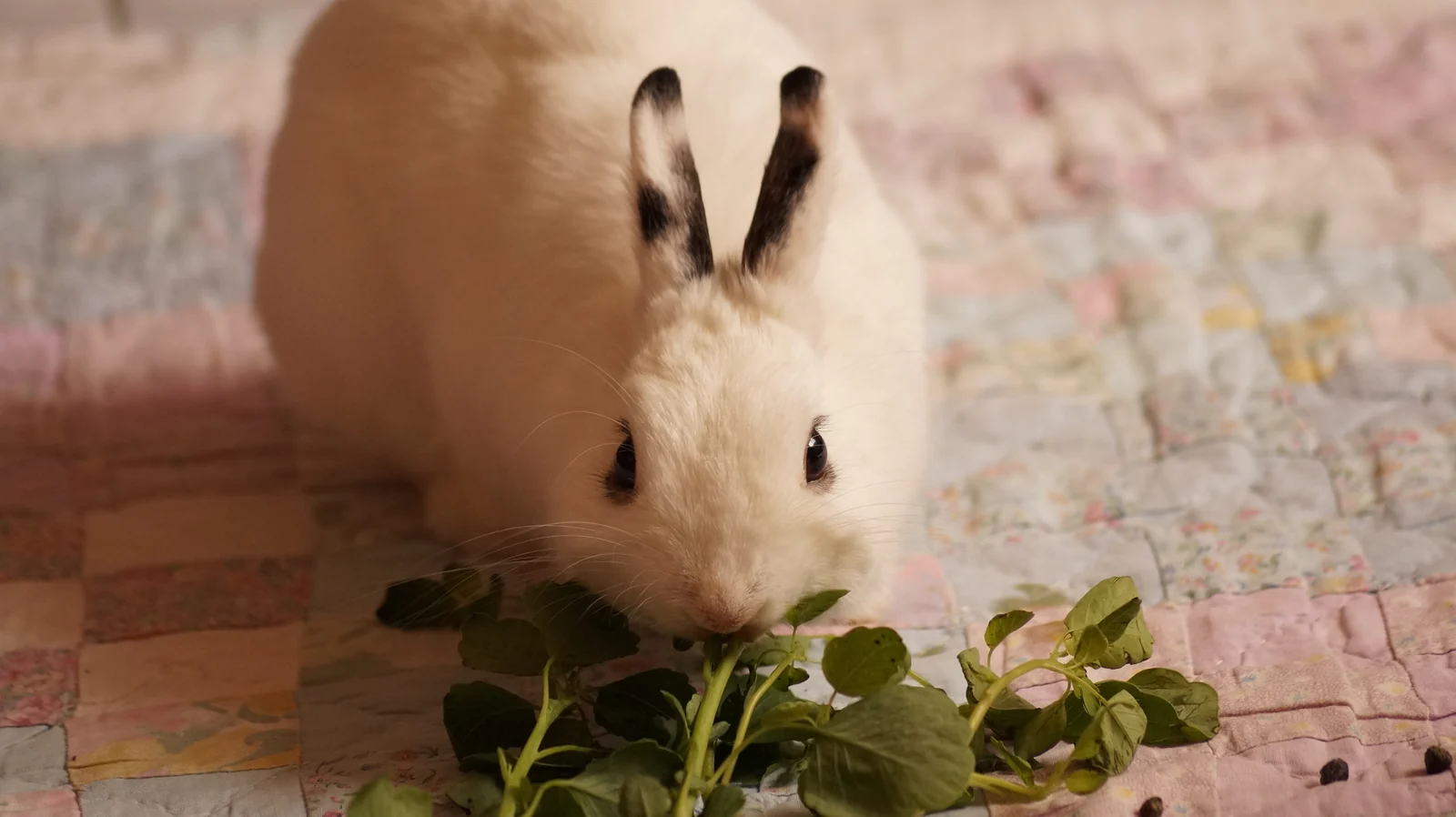
Photo: Holland lop bunny.JPG · Orlandkurtenbach · Public domain. Resized and converted to WebP; scene unchanged.