fellfolio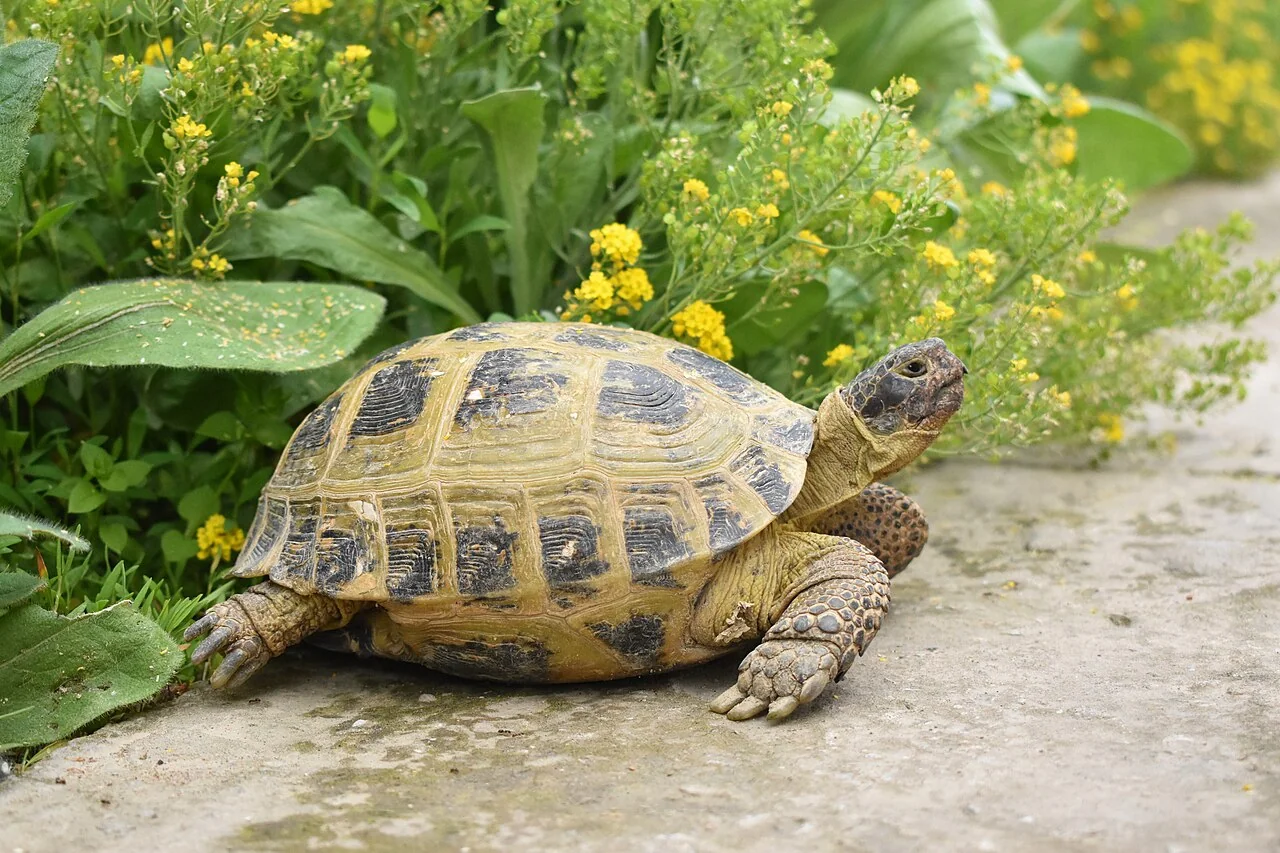
A garden built for digging
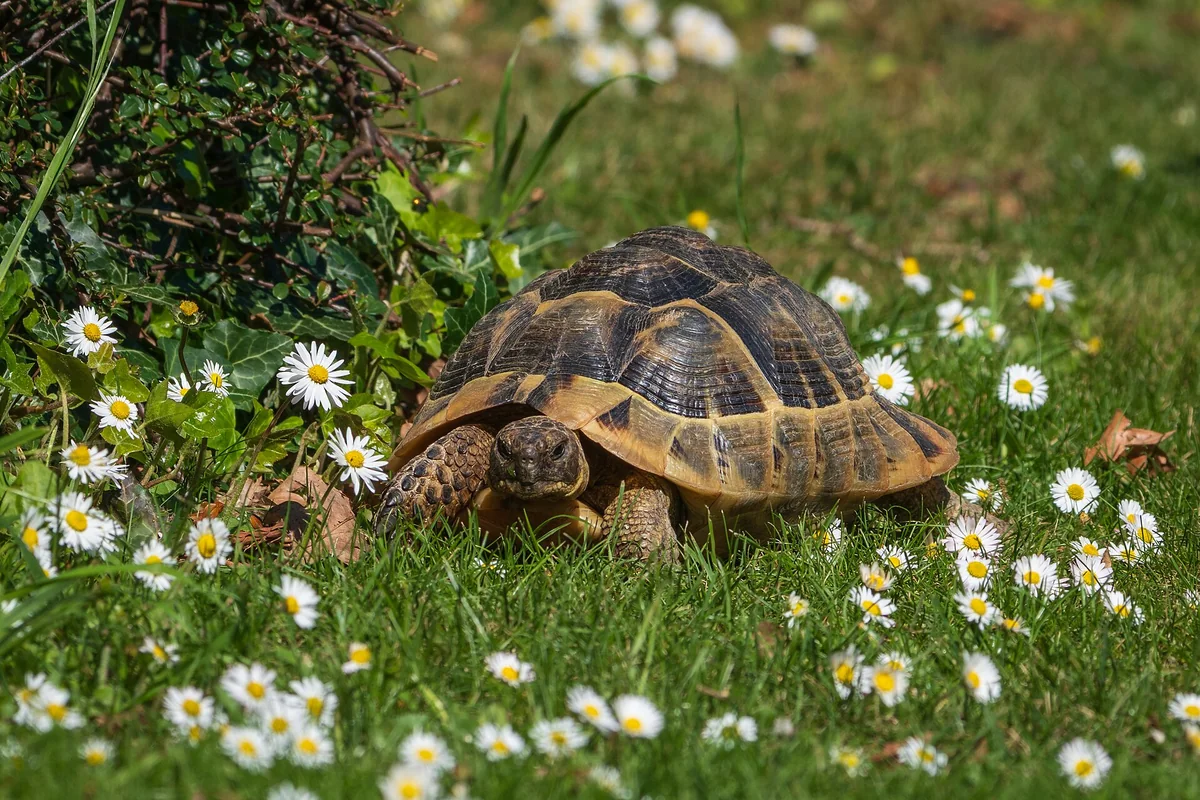
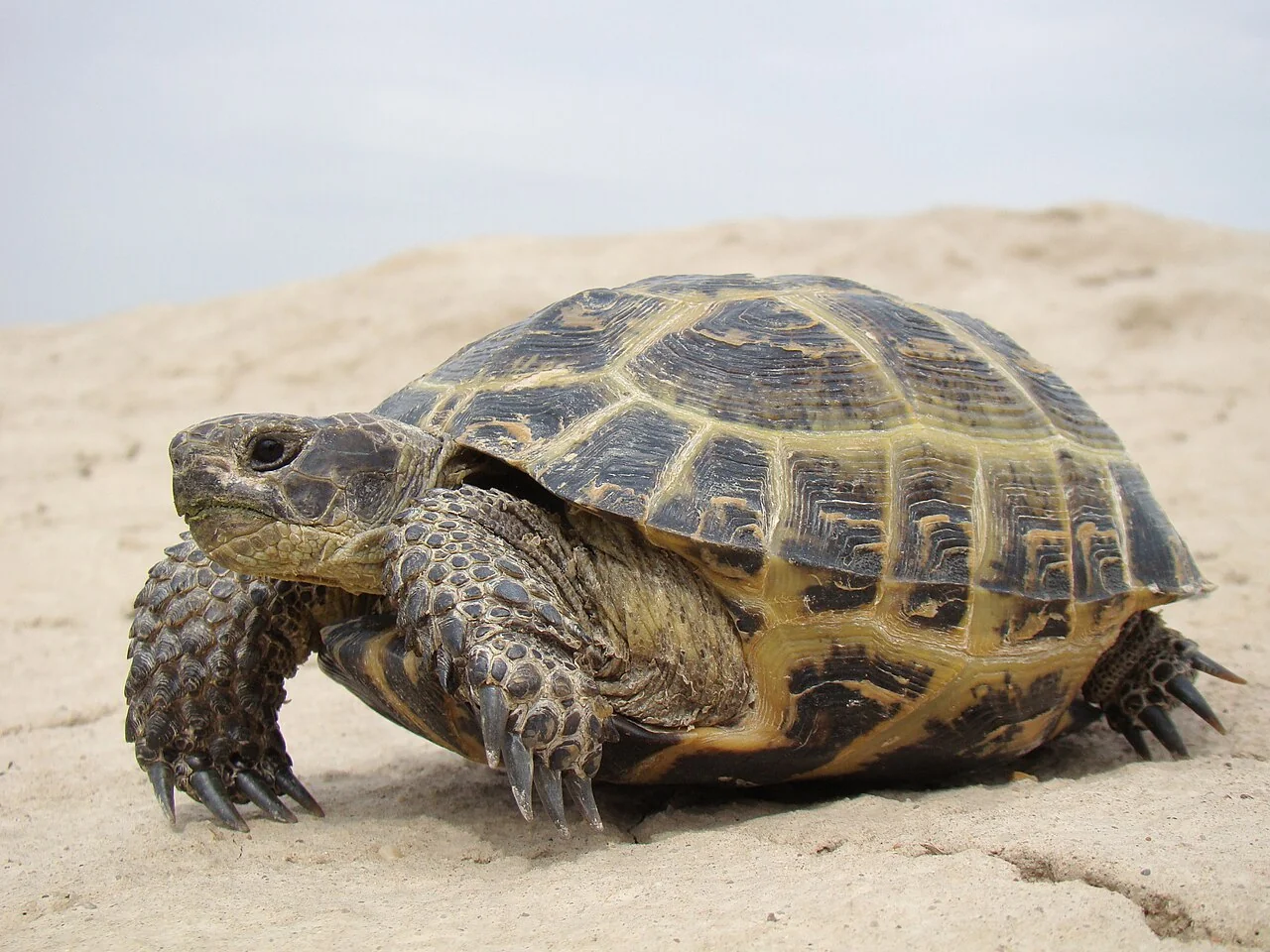
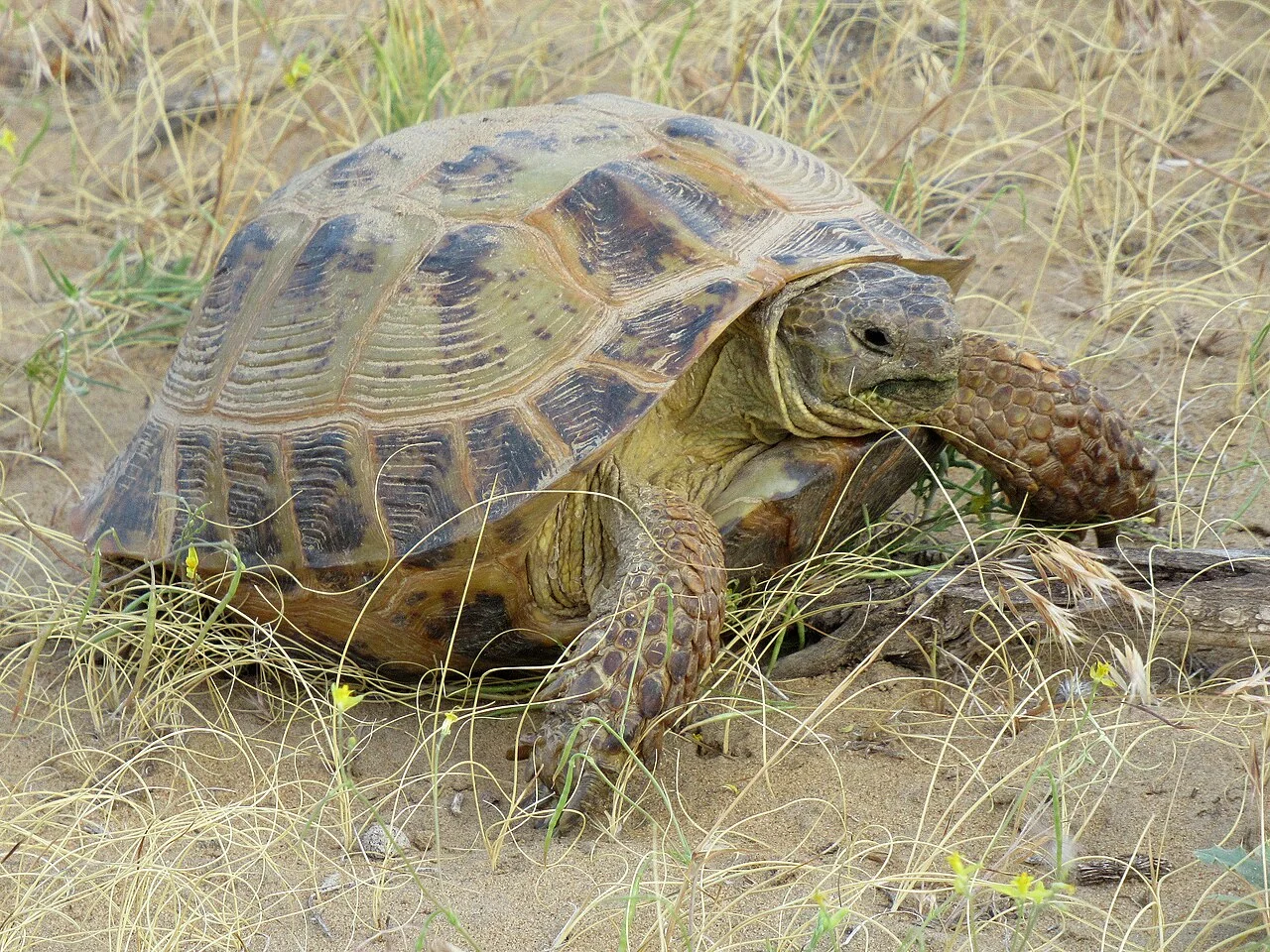
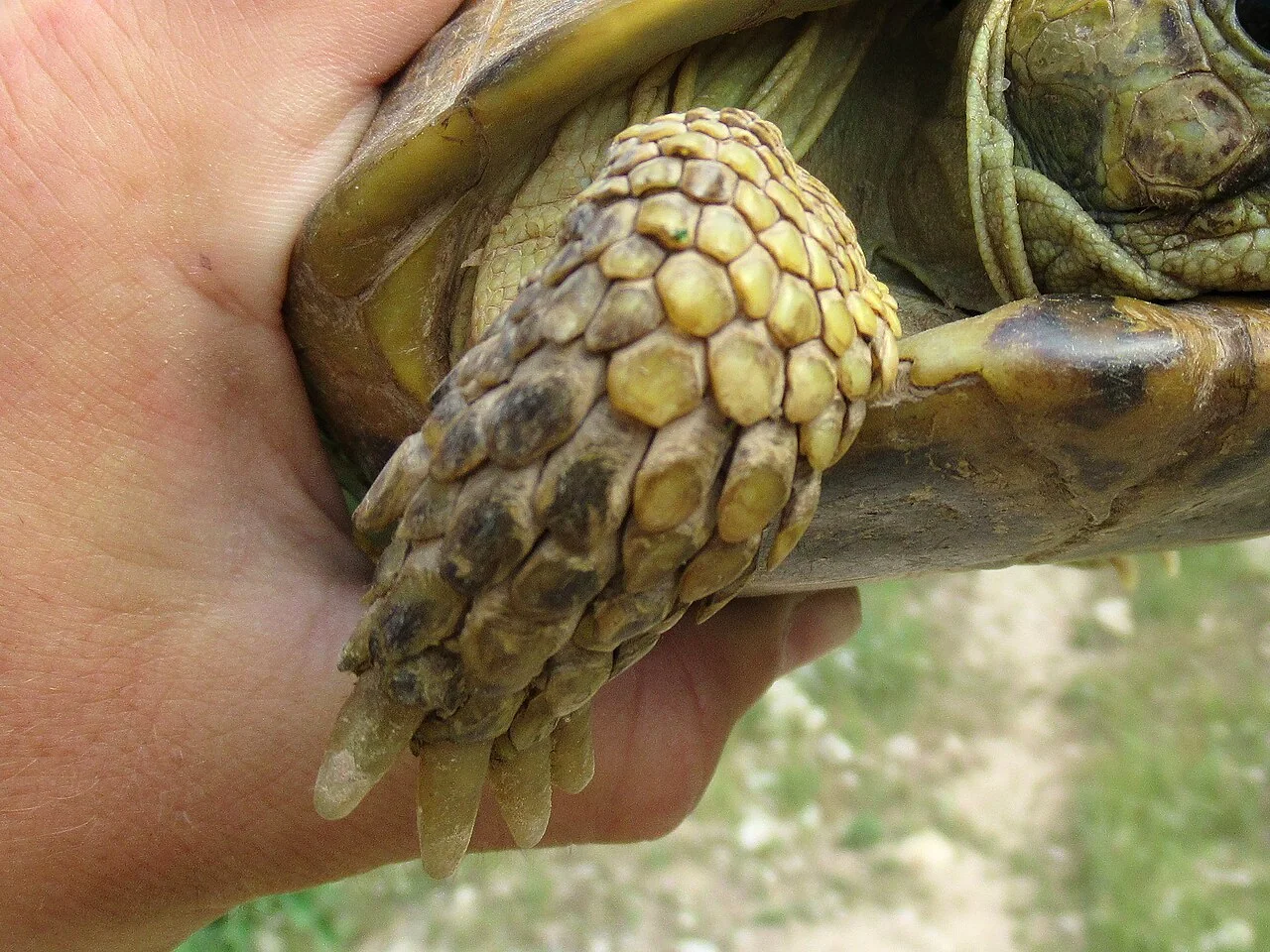
Horsfield’s tortoises, also called Russian tortoises, come from dry regions of Central Asia. Strong forelegs loosen the soil as the animal pushes earth behind it. In the wild, underground retreats help it cope with heat, cold and dry conditions. Digging is a central part of its way of life.
In a temperate climate, a generous outdoor enclosure should connect to a protected area that can be heated when needed. The RSPCA’s guidance for these land tortoises recommends 10 square metres of outdoor space for one animal. Low slopes, edible planting, shade and several resting places make the area useful. Adults reach roughly 15 to 25 centimetres in shell length, so even this relatively small tortoise needs walking routes and a permanent place in the garden.
Sources for this section
- Captive Care of the Russian Tortoise Testudo horsfieldiiTortoise Trust, 2024
- Spur-thighed, Hermann’s, marginated and Horsfield’s tortoisesRSPCA
- Russian Tortoise CareAurora Animal Hospital, Dayna Willems DVM
Plan the ground, boundaries and rain cover together
The substrate needs to allow digging while draining rainwater effectively. Heavy ground that stays wet calls for properly designed drainage and drier areas. Loose soil should be deep enough for the tortoise to bury itself completely in a secure retreat. A thin layer of bedding over a solid floor cannot provide that opportunity.
Boundaries must prevent both tunnelling underneath and climbing over. Corners, plant pots and stones placed beside a wall can become escape routes. After heavy rain, checking for washed-out ground and water inside the shelter is worthwhile. The resting area should remain dry. Dogs and other animals should be kept out, while small tortoises also need overhead protection against predators. Access for cleaning should remain convenient enough that damaged edges and newly dug routes are noticed promptly.
Sources for this section
- Captive Care of the Russian Tortoise Testudo horsfieldiiTortoise Trust, 2024
- Spur-thighed, Hermann’s, marginated and Horsfield’s tortoisesRSPCA
- Russian Tortoise CareAurora Animal Hospital, Dayna Willems DVM
Offer warmth with accessible cooler retreats
During the active season, the tortoise needs a suitable basking area and a route into cooler surroundings. As a broad reference, the RSPCA gives around 35°C at the basking site and 20 to 25°C across the daytime enclosure. Settings need to fit the actual accommodation and season. Measurements at tortoise level are more informative than a general weather forecast.
A cold frame can extend warm periods but may also overheat rapidly in sunshine. Ventilation and shading therefore belong in the plan alongside supplementary heating for cool weather. UVB enables vitamin D3 production and supports calcium use in the skeleton and shell. Ordinary glass transmits very little UVB. A suitable lamp should provide exposure within the shelter, with its distance and output checked for the specific product and the animal’s position.
Read more: Getting heat and UVB right in a reptile enclosure
Sources for this section
- Spur-thighed, Hermann’s, marginated and Horsfield’s tortoisesRSPCA
- UVB Lighting for ReptilesLafeberVet, Frances M. Baines, 2024
- Providing a Home for a ReptileMerck Veterinary Manual, Stephen J. Divers
Leafy forage, water and steady growth
A varied selection of fibrous plants forms the basis of feeding. Correctly identified, uncontaminated dandelion leaves, plantain and sow thistles are suitable examples. Edible planting inside the enclosure lets the tortoise walk and forage at the same time. Collected plants should come from untreated ground and be checked for unwanted material before feeding. Fruit and animal foods do not belong in the routine diet of this species.
Food quantities, calcium provision and other supplements should be agreed with a tortoise-experienced practice. For youngsters, comparable weight records and shell photographs help follow growth over time. Fresh water should always be available in a stable shallow dish that the tortoise can enter and leave easily. Water becomes dirty as the animal walks through it, so checking and replacing it is part of daily care.
Read more: Feeding reptiles: choose food for the species
Sources for this section
- Captive Care of the Russian Tortoise Testudo horsfieldiiTortoise Trust, 2024
- Spur-thighed, Hermann’s, marginated and Horsfield’s tortoisesRSPCA
- Nutrition in ReptilesMerck Veterinary Manual
- Russian Tortoise CareAurora Animal Hospital, Dayna Willems DVM
Prepare for the seasonal cycle
Across parts of their native range, Horsfield’s tortoises spend long periods underground: winter dormancy during cold months and, in some places, summer dormancy during intense heat. Those wild resting periods cannot simply be copied into a garden care calendar. Origin, previous seasonal routine and present health all affect the plan.
Before winter dormancy, an experienced practice should review health, weight history and whether faecal testing is needed. The resting site requires temperature monitoring and protection against frost, water and rodents. Unexpected withdrawal or loss of appetite should be investigated because illness and unsuitable conditions can look similar to seasonal behaviour. Anyone providing temporary care needs a clear monitoring routine and contact details for concerns, rather than being left to decide whether an unplanned change is normal.
Read more: Seasonal rest in reptiles: preparation and monitoring
Sources for this section
- Captive Care of the Russian Tortoise Testudo horsfieldiiTortoise Trust, 2024
- Hibernating tortoises: navigating the pitfallsBritish Veterinary Nursing Association, William Lewis
Care that can continue for decades
A lifespan measured in decades means considering future moves and possible changes of carer. Individual housing is possible. In shared accommodation, males in particular may chase, ram or bite others. Repeated exclusion from food or resting places is a reason to provide separate suitable enclosures. Different tortoise species should not be placed together.
Useful health observations include appetite, walking, eyes, nose and shell condition. Weight loss, nasal discharge or a new shell injury need prompt assessment; breathing difficulty or marked weakness requires immediate veterinary contact. When lifting is necessary, the whole body should be supported from below. Enclosure photographs and recorded conditions give the practice useful context. Keeping that information with the animal also makes a later move to another experienced keeper much easier to arrange.
Read more: Caring for reptiles as they grow and age
Sources for this section
- Russian Tortoise CareAurora Animal Hospital, Dayna Willems DVM
- Spur-thighed, Hermann’s, marginated and Horsfield’s tortoisesRSPCA
- Captive Care of the Russian Tortoise Testudo horsfieldiiTortoise Trust, 2024
Common questions
Is a living-room terrarium enough?
Long-term care should provide generous outdoor accommodation with a properly equipped shelter. A small indoor tank lacks adequate walking space and digging opportunities.
A closer look
Sources and photo credit
- Providing a Home for a ReptileMerck Veterinary Manual, Stephen J. Divers
- UVB Lighting for ReptilesLafeberVet, Frances M. Baines, 2024
- Nutrition in ReptilesMerck Veterinary Manual
- Spur-thighed, Hermann’s, marginated and Horsfield’s tortoisesRSPCA
- Captive Care of the Russian Tortoise Testudo horsfieldiiTortoise Trust, 2024
- Russian Tortoise CareAurora Animal Hospital, Dayna Willems DVM
- Hibernating tortoises: navigating the pitfallsBritish Veterinary Nursing Association, William Lewis
Photo: Testudo horsfieldii 02.jpg · Amirekul · CC BY-SA 4.0. Resized and converted to WebP; scene unchanged.
Photo: Testudo horsfieldii; Baikonur 001.jpg · Yuriy75 · CC BY-SA 3.0. Resized and converted to WebP; scene unchanged.
Photo: Testudo horsfieldii Aktakyr.jpg · Alexander A. Fomichev · CC BY-SA 4.0. Resized and converted to WebP; scene unchanged.
Photo: Testudo horsfieldii Kalininabad.jpg · Alexander A. Fomichev · CC BY-SA 4.0. Resized and converted to WebP; scene unchanged.