 fellfolio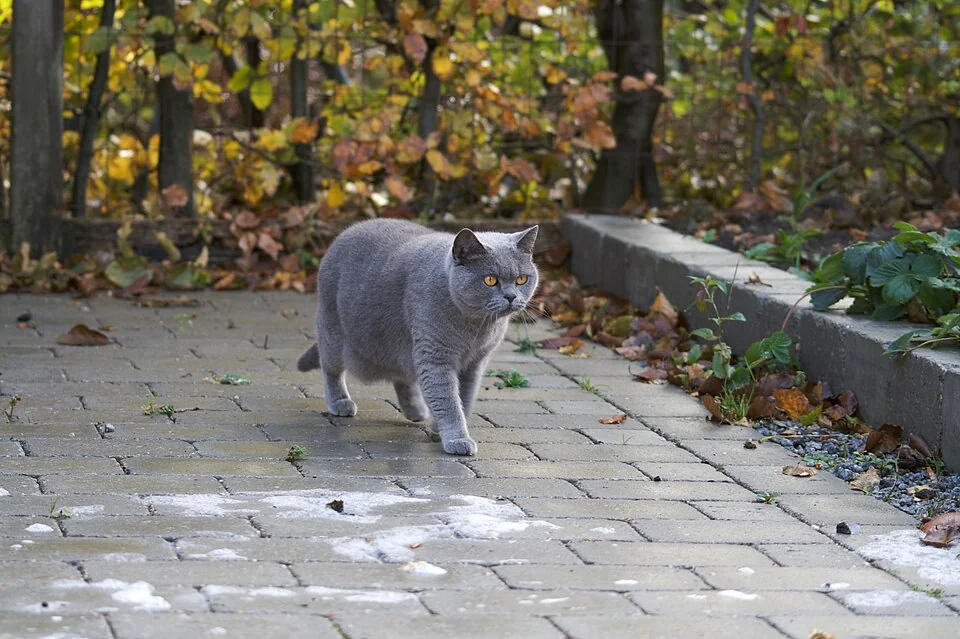
Make the connection easy to understand
A cat can learn that an action brings a pleasant result. Timing helps explain which action matters: the reward follows stepping onto a mat, for example, rather than the subsequent walk away. A consistent short word or soft click can identify that moment. Its meaning is first established by reliably following the sound with the chosen reward.
A tiny piece of food is often convenient, but food will not appeal to every cat in every situation. Some may value a brief game instead. Touch is appropriate only when the cat welcomes it. Small food rewards can be accounted for within the daily intake. Withholding meals to make a cat more eager to train is not an appropriate shortcut.
Sources for this section
- Cat Training Techniques for CaregiversFeline Veterinary Medical Association
- Your Cat’s Environmental NeedsAmerican Association of Feline Practitioners and International Society of Feline Medicine
Give the carrier a place in everyday life
A carrier that appears only before a veterinary visit may cause concern before the journey has even begun. Keeping it in a familiar room gives the cat time to investigate without pressure. It should stand securely with the entrance open; familiar bedding can make the interior inviting. Rewards can first be offered near the doorway, then gradually farther inside.
Once entering feels comfortable, later stages can be introduced separately: moving the door, briefly closing and reopening it, and eventually lifting the carrier carefully. The cat should remain comfortable with each stage. A sequence of manageable experiences is more useful than rushing through the whole journey. If a visit is already due and entering the carrier causes severe distress, the practice can help arrange a suitable transport plan.
Sources for this section
- How to choose and use a cat carrierCats Protection
Begin grooming with a welcome touch
Before brushing, the cat can investigate the brush. A brief, gentle touch on an area where handling is usually welcome can then be rewarded. Only when that is comfortable does the exercise develop into a few strokes. An accessible spot with secure footing makes participation easier. Holding a cat in place to complete a set number of strokes undermines that preparation.
Early, regular practice is particularly useful for dense or long coats. Tangles that pull on the skin and established mats can be painful, making them a poor starting point for grooming exercises. A cat who suddenly rejects a familiar touch or stops grooming as usual needs assessment for a possible physical cause.
Sources for this section
- Cat Training Techniques for CaregiversFeline Veterinary Medical Association
- Caring for Your Senior CatFeline Veterinary Medical Association
Turn the scales into a familiar place to stand
A broad, stable pet scale with a non-slip surface can make routine weighing easier. Investigation can be rewarded first, followed by one paw on the surface and eventually all four. Initially, standing briefly is enough. Remaining still long enough for a useful reading can become the next stage once the surface is familiar.
Another option is a trained target: an object the cat learns to touch with its nose in return for a reward. The target can later guide the cat towards a mat or scale. Its position should allow a comfortable movement, with no need to stretch awkwardly. This can be useful when being picked up is the part of weighing that the cat finds difficult.
Sources for this section
- Cat Training Techniques for CaregiversFeline Veterinary Medical Association
Provide an alternative that meets the same need
Scratching is normal feline behaviour. Protecting a sofa therefore starts with an appealing scratching surface nearby: stable, accessible and suited to the cat’s preference for horizontal or vertical scratching. Pleasant feedback when it is used can support the new habit. A scratching post tucked away in a room the cat rarely visits may not offer a useful alternative.
Other habits also make more sense when the underlying need is considered. A cat who climbs onto a kitchen worktop to watch activity may appreciate a suitable raised resting place within sight. Shouting or spraying water does not explain that alternative and can create fear. Toileting outside the litter tray needs assessment for medical causes before it is approached as a training issue.
Sources for this section
- Preventing Unwanted BehaviorsFeline Veterinary Medical Association
Let the cat’s response guide the next step
A useful opportunity often appears when the cat approaches with interest. A few comfortable repetitions are easier to fit into daily life than a lengthy session. Coming back willingly next time is helpful feedback. Keeping a distance may mean that the previous step was too difficult or that the surroundings are less suitable today.
Turning away, leaving or retreating should be respected. A tense body, flattened ears or vigorous tail movements can also indicate discomfort with handling. The cat should then have space to settle. A short record of what went well helps another caregiver pick up at the right point: willingly entering a carrier, for instance, while still needing practice with the door closed.
Sources for this section
- Your Cat’s Environmental NeedsAmerican Association of Feline Practitioners and International Society of Feline Medicine
- Cat Training Techniques for CaregiversFeline Veterinary Medical Association
Common questions
Can an older cat still begin training?
Yes. Exercises should suit mobility, hearing, vision and health. A low, accessible weighing surface may be more useful than a raised training station.
What if my cat refuses treats?
The cat may be full, uninterested in that food or uneasy about the setting. A quieter place or another time may help. Refusing normal meals as well is a health concern to discuss with a vet, rather than a training problem.
Sources and photo credit
- Cat Training Techniques for CaregiversFeline Veterinary Medical Association
- How to choose and use a cat carrierCats Protection
- Preventing Unwanted BehaviorsFeline Veterinary Medical Association
- Your Cat’s Environmental NeedsAmerican Association of Feline Practitioners and International Society of Feline Medicine
- Caring for Your Senior CatFeline Veterinary Medical Association
Photo: British Shorthair Cat · Martin Hedegaard · CC BY 2.0. Resized proportionally and saved as WebP. Full source frame retained. Based on the specified Commons web derivative. Embedded colour profile converted to sRGB.
.jpg)