 fellfolio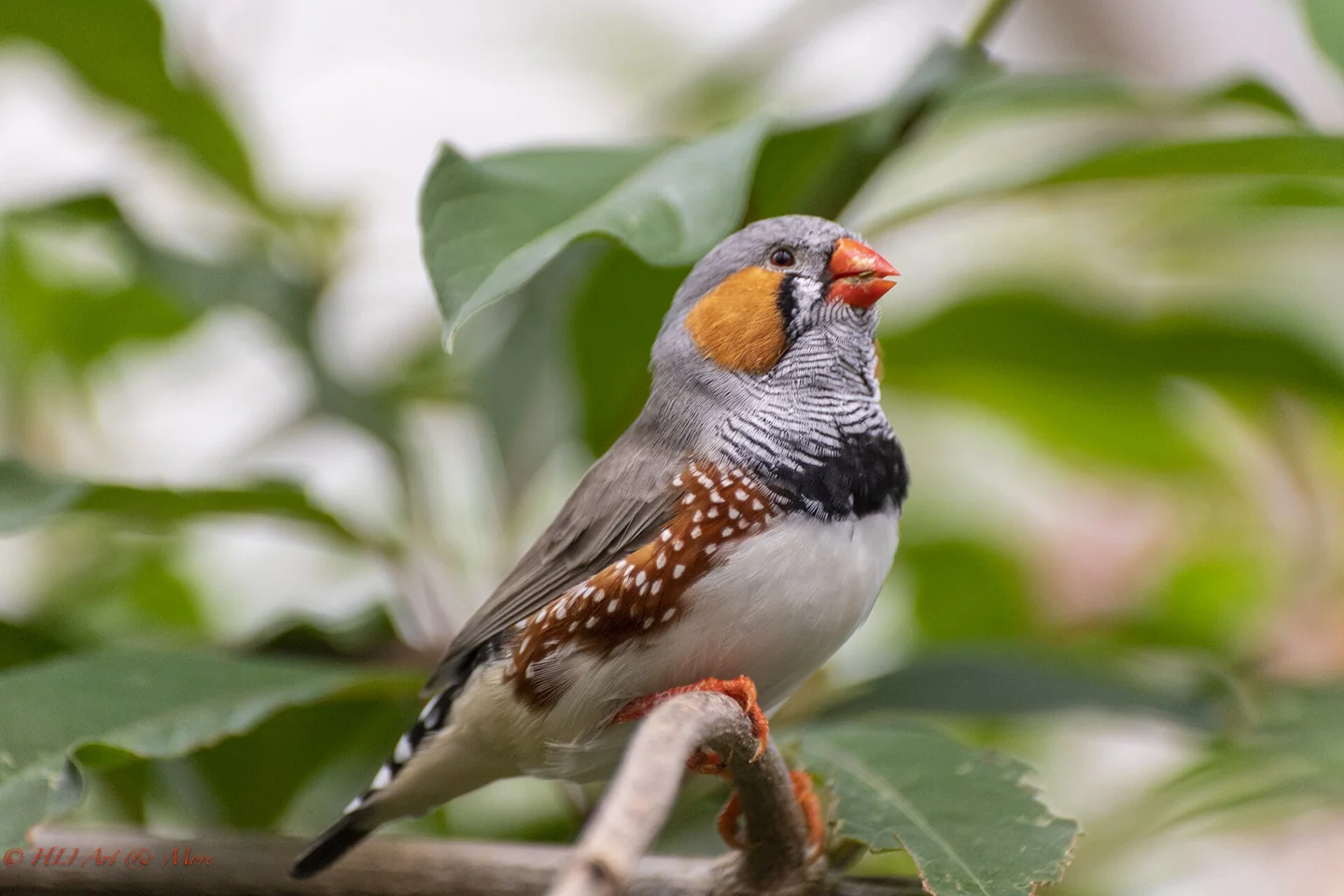
The Australian zebra finch
The zebra finches usually kept as pets descend from the Australian species. BirdLife Australia uses the name Taeniopygia castanotis. Older books often call it Taeniopygia guttata castanotis; the Timor zebra finch is now treated separately. This change in classification does not imply different care requirements for domestic colour varieties.
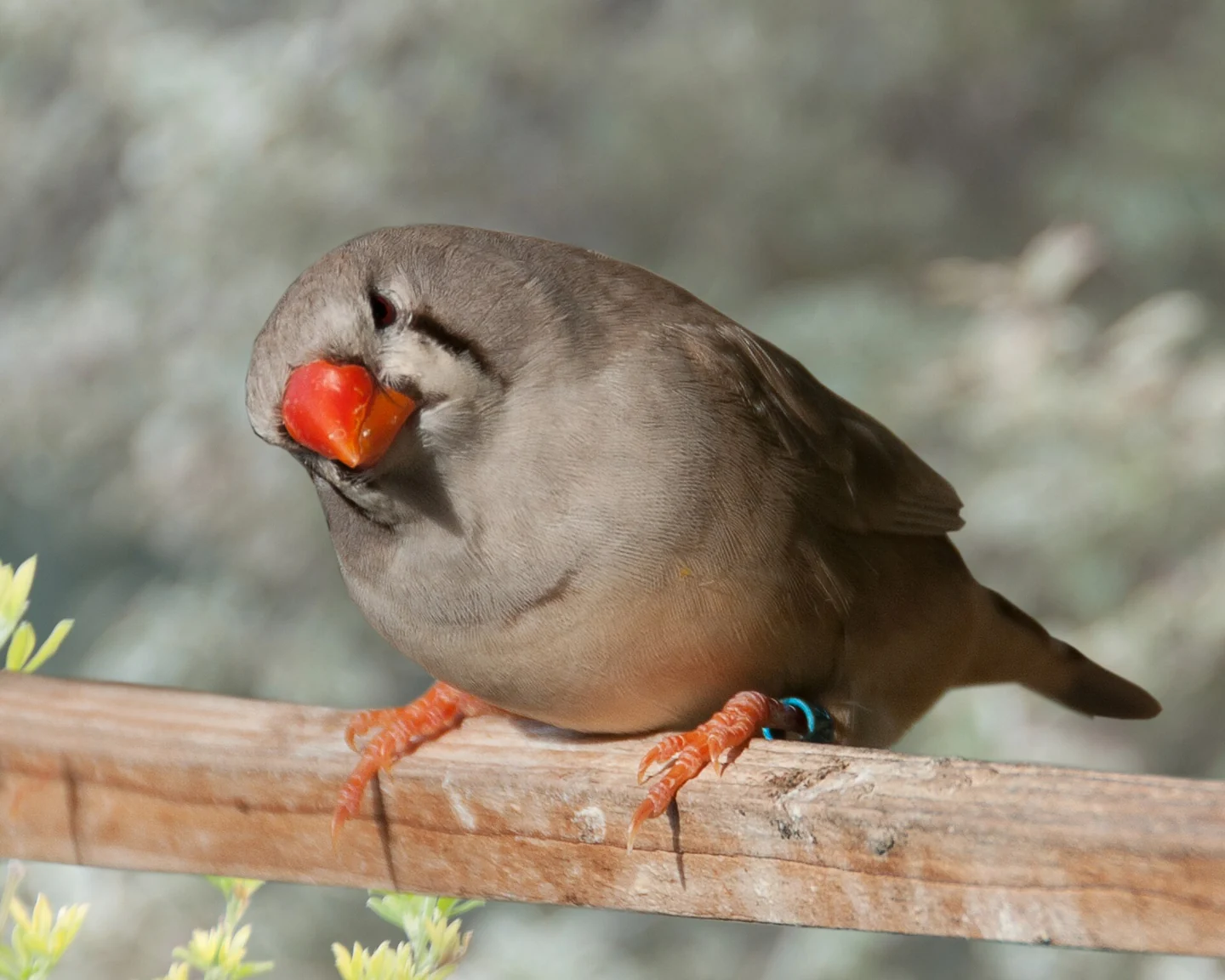
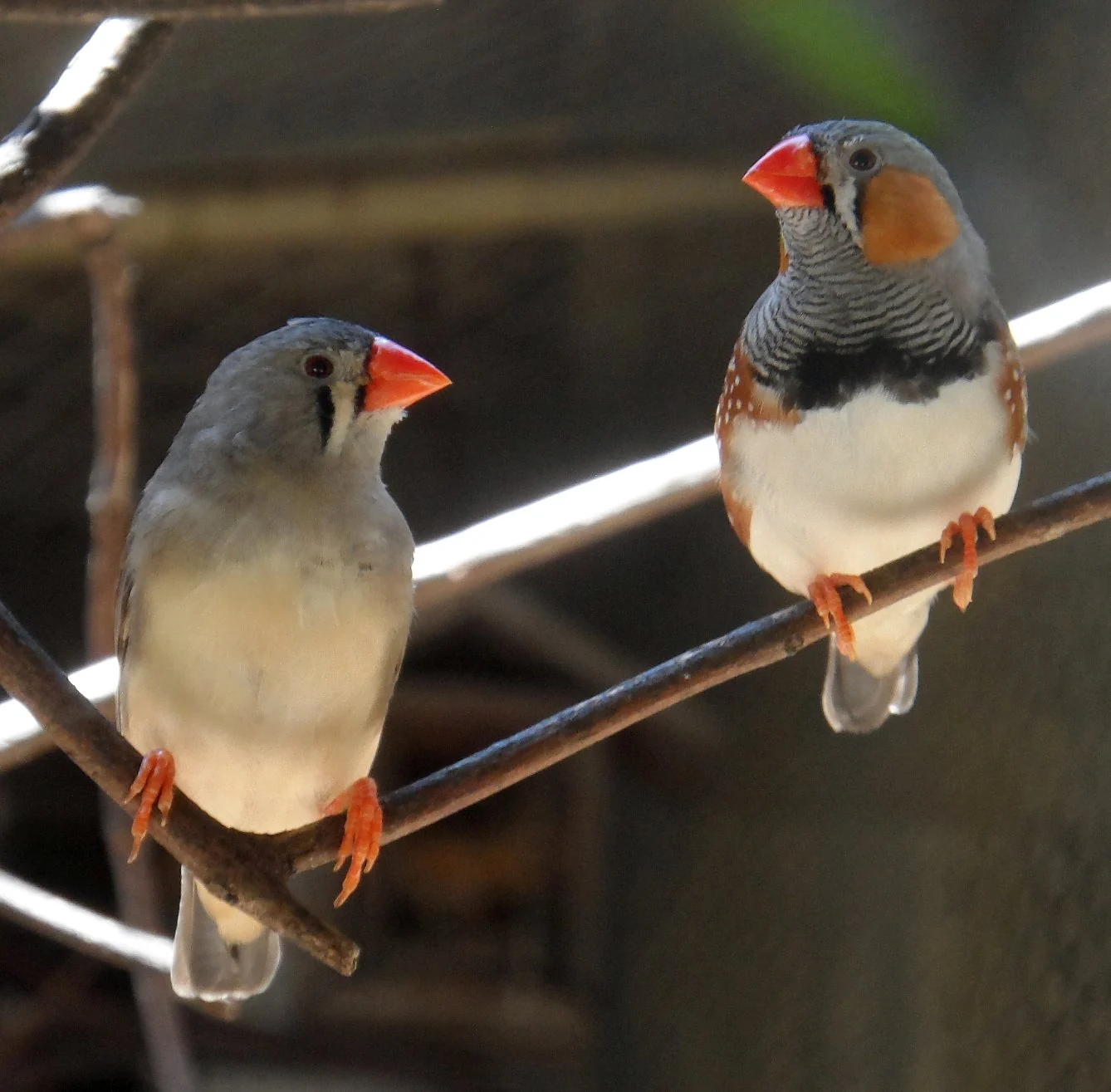
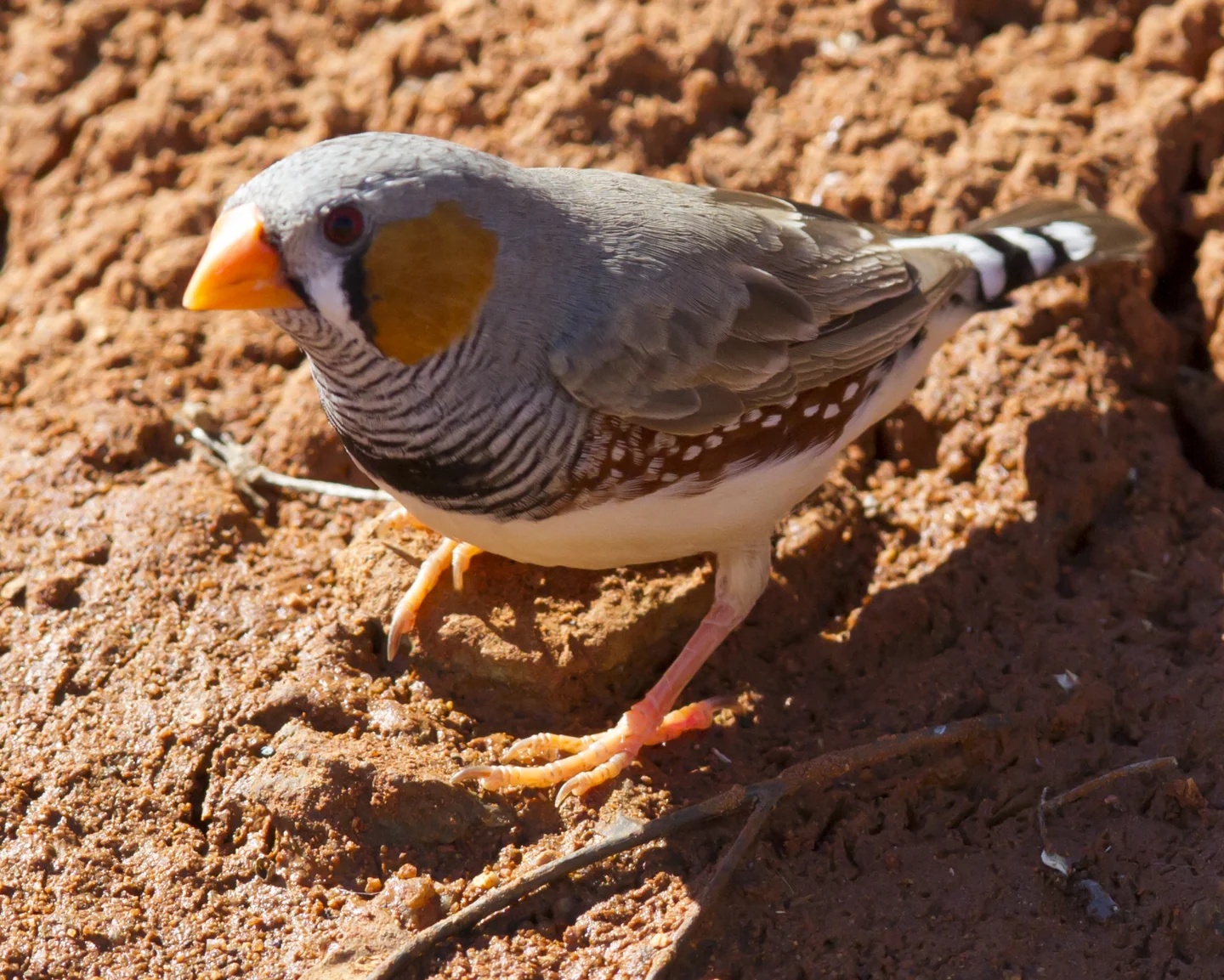
In the natural colour pattern, adult males have orange cheek patches and patterned flanks. Colour mutations can obscure familiar markers, so reliable sex identification matters when planning a group. Young birds initially have dark bills. The German veterinary welfare association TVT gives an average lifespan of five to seven years. Regular care, holiday cover and veterinary costs therefore require a plan extending well beyond the first year.
Sources for this section
- Zebra FinchBirdLife Australia
- Zebrafinken, Merkblatt 174Tierärztliche Vereinigung für Tierschutz
Helping every bird belong
An established pair or a settled small group can make a good starting point. Several feeding places and well-spaced resting branches help quieter birds reach what they need. Daily observation should establish whether every bird eats, rests and moves freely. Repeated exclusion from food or persistent hiding calls for a closer look at the group and its surroundings.
A new arrival should have an avian veterinary assessment before joining the others. The practice can advise on separation and appropriate tests. A spare suitable enclosure is also useful if birds become incompatible. Finches or parakeets of another species should not be added simply because they look a similar size. Beak strength, territorial behaviour and feeding habits can differ substantially.
Sources for this section
- Living with other birdsRSPCA
- Zebrafinken, Merkblatt 174Tierärztliche Vereinigung für Tierschutz
Room for purposeful flight
An aviary with two square metres of floor space and a height around two metres provides a generous starting point for a pair or small group. TVT specifies two square metres for housing without additional free flight. A long shape makes more useful flight paths than a narrow tower. Extra space remains valuable when the birds also have access to a secure room.
Natural branches of different diameters can be placed far enough apart for birds to fly between them. A sheltered area against an opaque side offers somewhere to withdraw. Food, drinking water and a shallow bathing dish should sit away from droppings falling from overhead branches. Birds need secure footing and an easy way out of the bath.
A flight room needs closed windows, visible or protected glazing and no open water containers, running fans or accessible toxic plants. Familiar feeding stations can encourage a voluntary return. Allowing enough uninterrupted time makes it less likely that birds will need to be caught because someone has to leave.
Read more: Setting up a bird room: safe flight and good landing places
Sources for this section
- Zebrafinken, Merkblatt 174Tierärztliche Vereinigung für Tierschutz
- Housing and environments for pet birdsRSPCA
Checking what the birds actually eat
Zebra finches remove seed husks before eating the kernels. A bowl full of empty shells can therefore appear reassuringly full. Daily care should include checking for edible food underneath and watching whether each bird can reach it.
A seed mixture alone does not reliably provide balanced nutrition. A complete food formulated for finches can form part of a feeding plan agreed with an avian vet, alongside suitable fresh plant foods and controlled seed portions. This means pellets formulated for the species: small pieces of compound food with the nutrients distributed throughout each piece. A little washed parsley or finely chopped broccoli can be offered in a clean dish. Fresh leftovers should be removed promptly and containers cleaned.
A change of diet needs patient introduction and confirmation of actual intake. New food should initially be available alongside familiar food. Weighing helps detect difficulties before they become obvious from appearance. A bird should never be left hungry to force acceptance. Vitamin products and mineral supplements need to fit the overall diet rather than being combined without checking what each already contains.
Sources for this section
- Feeding FinchesVCA Animal Hospitals
Breeding prevention and changes with age
Nest baskets and nesting material can encourage breeding. A mixed-sex group needs a clear plan for preventing unwanted chicks before it is acquired. If eggs appear, an avian vet can advise on their management; repeatedly removing eggs may encourage replacement laying. Separating an established pair should not be treated as a casual solution.
Young birds should already feed independently when they move home. As they settle, knowing their usual flight patterns, interest in bathing and resting places becomes useful. A bird that suddenly remains fluffed up or eats less needs prompt assessment. Laboured breathing requires immediate contact with an avian vet or emergency veterinary service. Later in life, easier perches and shorter routes to food may improve access. A change should first be investigated rather than attributed automatically to age.
Read more: Bird life stages: from youngster to older companion · Bird training: confidence, carriers and cooperative care
Sources for this section
- Zebrafinken, Merkblatt 174Tierärztliche Vereinigung für Tierschutz
- Geriatric diseases of pet birdsMerck Veterinary Manual
Common questions
Will zebra finches become hand-tame?
Some learn to take food near a hand through patient, voluntary interaction. Many are more comfortable being watched quietly. Catching birds to make them tame is likely to undermine that confidence.
Can males live together?
A compatible same-sex group can prevent breeding. It still needs monitoring to ensure every bird reaches food and resting places without persistent conflict.
A closer look
Sources and photo credit
- Zebrafinken, Merkblatt 174Tierärztliche Vereinigung für Tierschutz
- Zebra FinchBirdLife Australia
- Feeding FinchesVCA Animal Hospitals
- Housing and environments for pet birdsRSPCA
- Living with other birdsRSPCA
- Geriatric diseases of pet birdsMerck Veterinary Manual
Photo: Zebrafink (Taeniopygia guttata).jpg · HLI-Photography · CC0. Resized proportionally and converted to WebP. The layout may crop the image.
Photo: Taeniopygia guttata -Australia -female-8a.jpg · Janet's Photos 2012 · CC BY 2.0. Resized proportionally and converted to WebP. The layout may crop the image.
Photo: Taeniopygia-guttata.jpg · Penkinvaltaaja · CC BY-SA 4.0. Resized proportionally and converted to WebP. The layout may crop the image.
Photo: Taeniopygia guttata -Karratha, Pilbara, Western Australia, Australia -male-8 (1).jpg · Jim Bendon from Karratha, Australia · CC BY-SA 2.0. Resized proportionally and converted to WebP. The layout may crop the image.
.jpg)


.jpg)