fellfolio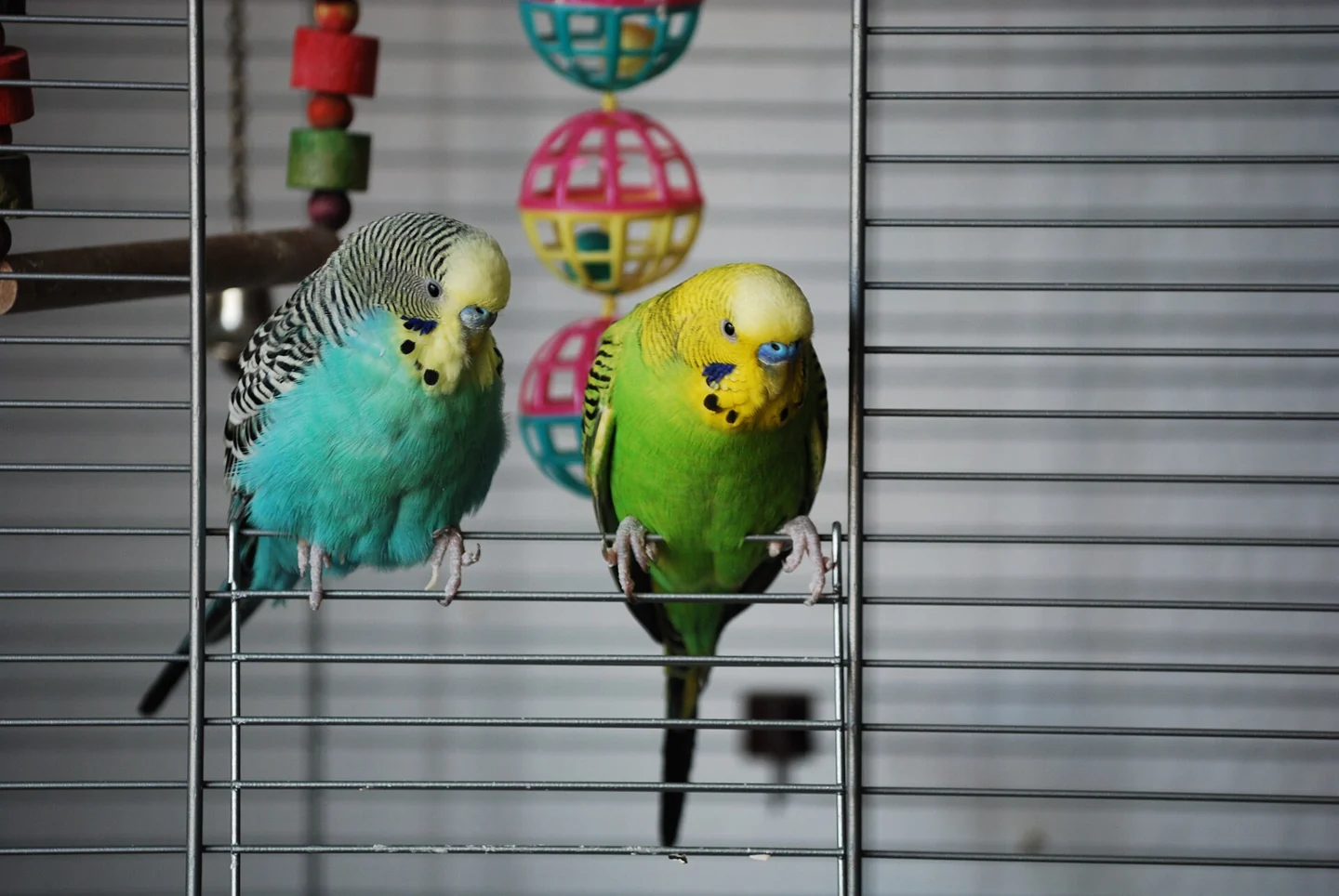
Use lifespan for planning
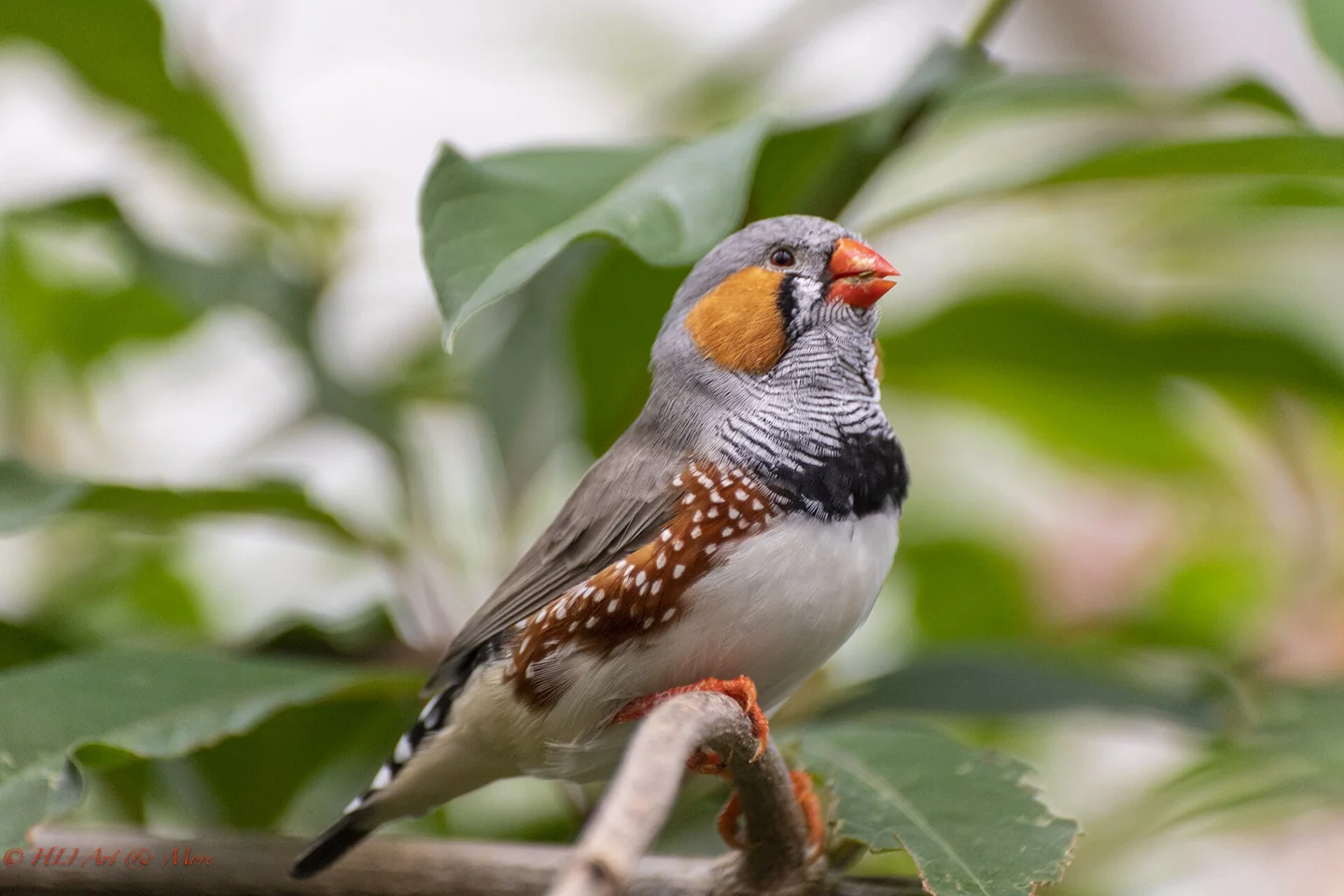
The German veterinary welfare association TVT describes average lifespans of roughly five to seven years for zebra finches and ten to twelve for Bourke’s parakeets. The German Animal Welfare Federation gives around ten to twelve years for canaries, occasionally fifteen. Grey parrots can live for several decades; the World Parrot Trust lists fifty to sixty years.
These figures indicate the scale of the commitment. They do not predict when a particular bird will lose mobility. An adopted bird’s hatch date may also be unknown. Estimated age should be recorded as an estimate, together with known previous homes, illnesses and veterinary findings.
For everyday care, an individual baseline is more useful than a conversion to human years. Normal weight, preferred perches, flight patterns and eating habits provide a meaningful reference. Later changes can then be compared with the bird’s own established routine. Keeping that history is especially helpful when veterinary care or day-to-day responsibility changes hands.
Sources for this section
- Zebrafinken, Merkblatt 174Tierärztliche Vereinigung für Tierschutz
- Bourkesittiche, Merkblatt 165Tierärztliche Vereinigung für Tierschutz
- KanarienvögelDeutscher Tierschutzbund
- Grey ParrotWorld Parrot Trust
Support a youngster’s first routines
Leaving the nest does not automatically mean a bird is fully independent. Young parrots may continue receiving parental food after their first flights. The Association of Avian Veterinarians opposes selling unweaned youngsters. Weaning describes the transition to reliable independent eating.
Before transfer, it should be clear which foods the bird actually eats and whether those foods maintain its weight. Familiar food and containers can ease the first days. Weight, observed intake and droppings need monitoring. A youngster eating poorly or losing weight after a move needs prompt knowledgeable help; inexperienced syringe feeding can be dangerous.
Contact with suitable birds remains important. Calm approaches, voluntary exploration and accessible perches help a youngster learn the new surroundings. A bird that initially tolerates handling should still have opportunities to rest and move away. Confidence grows through predictable interactions, with the bird able to return to places it recognises.
Read more: Bird training: confidence, carriers and cooperative care
Sources for this section
- Weaning baby parrotsAssociation of Avian Veterinarians
- Living with other birdsRSPCA
Adult relationships can change
As birds mature, partners, resting areas and territorial boundaries may become more significant. A previously approachable bird may defend a particular area or focus more attention on its companion. These changes deserve consideration alongside the environment, season and health.
Dark cavities, nest boxes and some forms of physical contact can encourage reproductive behaviour in parrots. Nesting opportunities also matter for finches. If breeding is not intended, furnishings and the management of unexpected eggs should be discussed with an avian practice. Repeated laying places demands on the hen’s body and warrants attention.
In adulthood, daily movement, appropriate food and varied foraging opportunities provide a useful foundation. New tasks make more sense when they build on familiar abilities. Voluntary carrier entry and comfortable weighing remain valuable for years. A caregiver can maintain these skills through occasional brief practice without turning every social interaction into an exercise.
Read more: Bird training: confidence, carriers and cooperative care
Sources for this section
- Living with other birdsRSPCA
- Zebrafinken, Merkblatt 174Tierärztliche Vereinigung für Tierschutz
- The power of positive reinforcementWorld Parrot Trust
Adapt housing to changing mobility
Misjudged landings, repeated loss of grip or a marked reduction in flight should be investigated. Joint discomfort, vision problems and other illnesses can produce similar changes. An examination helps identify which adaptations will actually help.
Extra secure perches and short connections can make routes easier. Food and water should be reachable without an uncertain jump. Familiar positioning is helpful when vision declines. Changes can be introduced gradually while safe, known resting places remain available.
Activities can change too. An accessible foraging dish or an easy-to-handle piece of suitable material provides interest with less physical effort. A bird with reduced mobility still needs protection from falls, clean resting surfaces and contact with compatible companions. The practice can advise whether and how flight remains appropriate. Making access easier should preserve opportunities for choice and activity wherever possible.
Sources for this section
- Geriatric diseases of pet birdsMerck Veterinary Manual
- Housing and environments for pet birdsRSPCA
Build a useful health history
Regular weight records, brief observations and previous findings help a vet assess trends. “Has used only the lower perch for three days” provides more information than “seems old”. Changes in drinking, droppings or preening may also be relevant.
Preventive examination intervals should reflect species, history and current health. Older birds or those with existing disease may need more frequent review. A marked change in appetite, breathing or general condition should still be addressed promptly rather than waiting for a scheduled appointment. Laboured breathing requires immediate contact with an avian vet or emergency veterinary service.
For chronic conditions, it helps to review quality of life together: can the bird reach important resources, rest comfortably, engage with familiar activities and maintain social contact? Treatment and environmental changes should be reassessed with the practice. A backup caregiver needs current instructions and clear contact information to maintain that plan. Recording good days as well as difficulties can make gradual developments easier to recognise.
Sources for this section
- Geriatric diseases of pet birdsMerck Veterinary Manual
Common questions
When is a bird considered old?
It depends strongly on species and the individual. A zebra finch’s expected lifespan cannot be applied to a grey parrot. An avian examination helps assess present condition.
Should older birds be separated from younger ones?
Age alone is not a good standard reason for separation. Compatibility and access to food, rest and safe routes matter more. Conflict or medical needs require an individual plan.
Sources and photo credit
- Zebrafinken, Merkblatt 174Tierärztliche Vereinigung für Tierschutz
- Bourkesittiche, Merkblatt 165Tierärztliche Vereinigung für Tierschutz
- KanarienvögelDeutscher Tierschutzbund
- Grey ParrotWorld Parrot Trust
- Housing and environments for pet birdsRSPCA
- Living with other birdsRSPCA
- Weaning baby parrotsAssociation of Avian Veterinarians
- Geriatric diseases of pet birdsMerck Veterinary Manual
- The power of positive reinforcementWorld Parrot Trust
Photo: Pet Budgerigars.jpg · 陈霆 · CC BY-SA 2.0. Resized proportionally and converted to WebP. The layout may crop the image.