 fellfolio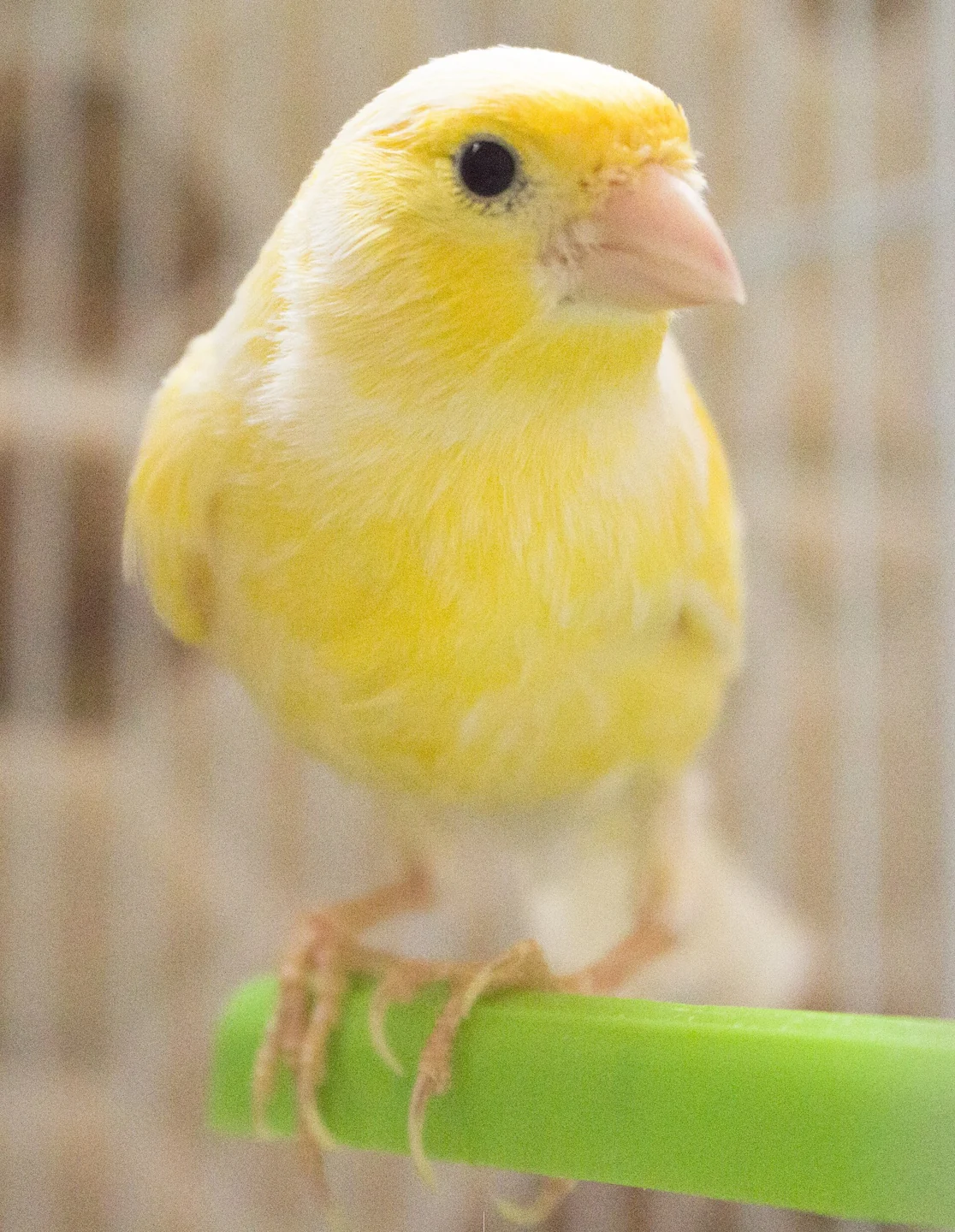
From Atlantic canary to domestic bird
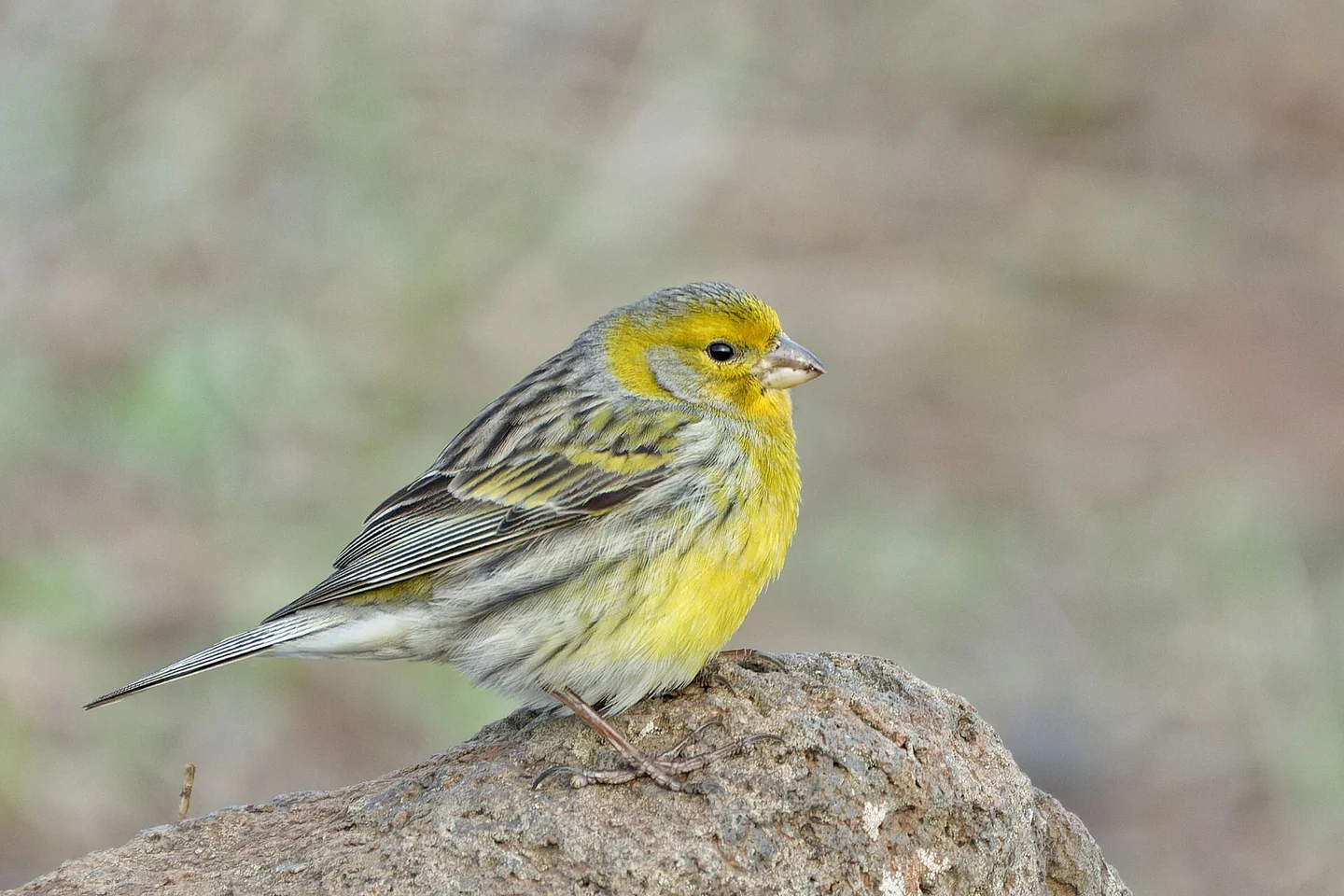
The domestic canary descends from the Atlantic canary, Serinus canaria. Generations of selective breeding have produced different colours, song types and physical features. Its wild ancestor is much less conspicuously coloured than many yellow or orange domestic birds. Colour alone offers little guidance to an individual’s confidence or activity level.
The German Animal Welfare Federation describes a typical lifespan of around ten to twelve years, occasionally fifteen. Holiday care, illness and possible house moves therefore deserve thought before purchase. When considering a strongly modified show type, it is worth checking whether the bird can see, fly and preen freely. Attractive plumage does not replace a close look at the conditions in which the birds are being kept.
Sources for this section
- KanarienvögelDeutscher Tierschutzbund
Companionship with room to withdraw
Canaries should have compatible companions. An established pair or a carefully selected group provides social contact, while allowing each bird to choose some distance. Several feeding places and separated perches make that choice possible without leaving a bird isolated.
During the reproductive season, males may defend their surroundings much more strongly. Persistent chasing, blocked access to food or injuries require a change in housing. A second suitable aviary or a properly planned divider should already be available. A tiny spare cage that permanently removes meaningful flight space would not solve the wider care problem.
New birds should have an avian veterinary assessment before an introduction. Their health and history determine what initial separation is appropriate. For someone starting out, a group already known to live peacefully together may be easier to assess than several unrelated birds bought separately. Daily observation is still needed as relationships and seasons change.
Sources for this section
- Living with other birdsRSPCA
- KanarienvögelDeutscher Tierschutzbund
Flight, bathing and quiet sleep
A long rectangular aviary is easier to arrange for useful flight than a tall, narrow cage. For an outdoor aviary, the German Animal Welfare Federation recommends two metres long, one metre wide and two metres high. Indoor birds also need several hours of daily flight in a secure room. Year-round outdoor housing additionally requires properly designed weather protection and a suitable shelter.
Natural branches of different thicknesses offer varied surfaces for the feet. Clear paths should remain between them; filling an enclosure with perches and toys can remove the very space birds need to fly. A shallow bath supports feather care. Food and water should be positioned away from droppings falling from overhead resting places.
Night-time rest is easier in a quiet area with a predictable light cycle. Late television, changing room lights and people repeatedly passing close by can disrupt sleep. A kitchen is unsuitable because of cooking fumes, hot water and heated surfaces. The flight room should also exclude accessible toxic plants and open containers into which a bird could fall.
Read more: Setting up a bird room: safe flight and good landing places
Sources for this section
- KanarienvögelDeutscher Tierschutzbund
- Housing and environments for pet birdsRSPCA
Moving beyond selective seed eating
Canaries often choose particular seeds from a mixture. The food eaten can therefore differ from the balance calculated for the whole packet. A complete diet formulated for canaries can help make nutrient intake more consistent. This means pellets formulated for the species: small pieces of compound food with the nutrients distributed throughout each piece. An avian vet can advise how it should be combined with seeds and suitable fresh plant foods.
Small portions of washed vegetables, such as finely chopped carrot or broccoli, add variety. Clean bowls and fresh water are part of daily care. Empty seed husks should not be counted as remaining food. In a group, watching the least assertive bird eat is especially useful because a busy feeder does not mean everyone has had access.
Diet changes should be gradual and supported by weight checks. Familiar food remains available until the bird reliably eats the replacement. Canaries do not need insoluble digestive grit because they remove seed shells before swallowing the kernels. Grit is also different from a calcium source prescribed as part of a complete nutritional plan. Supplements should be considered in relation to everything else the bird eats.
Sources for this section
- Canaries: FeedingVCA Animal Hospitals
Understanding song and seasonal changes
Song varies with the individual, season and moult. A quieter day on its own says little. Reduced appetite, activity or altered breathing alongside the change should prompt an avian veterinary assessment. Moulting renews feathers; bald areas, damaged skin or a decline in general condition should not simply be attributed to routine feather replacement. Laboured breathing requires immediate contact with an avian vet or emergency veterinary service.
Nest sites and nesting material can encourage breeding behaviour. Before providing them, there should be a plan for preventing unwanted chicks. Unexpected eggs and repeated laying need considered management because egg production places demands on the hen’s body.
Later in life, reaching a favourite perch may become harder. Extra accessible branches and feeding points can help after health concerns have been assessed. Keeping familiar routes recognisable is useful while making changes. An older bird still benefits from companionship, interesting activities and opportunities to move within its abilities.
Read more: Bird life stages: from youngster to older companion · Bird training: confidence, carriers and cooperative care
Sources for this section
- KanarienvögelDeutscher Tierschutzbund
- Geriatric diseases of pet birdsMerck Veterinary Manual
Common questions
Do only male canaries sing?
Males usually produce the more elaborate song. Voice and plumage are not a reliable way to identify every bird’s sex, particularly in youngsters.
Do canaries need toys?
Bathing, suitable fresh branches, varied food presentation and flight space provide useful activity. Small detachable pieces, loose threads and mirrors offered as substitute companions should be avoided.
A closer look
Sources and photo credit
- KanarienvögelDeutscher Tierschutzbund
- Canaries: FeedingVCA Animal Hospitals
- Housing and environments for pet birdsRSPCA
- Living with other birdsRSPCA
- Geriatric diseases of pet birdsMerck Veterinary Manual
Photo: Domestic canary from Morocco.jpg · Mounir Neddi · CC BY-SA 4.0. Resized proportionally and converted to WebP. The layout may crop the image.
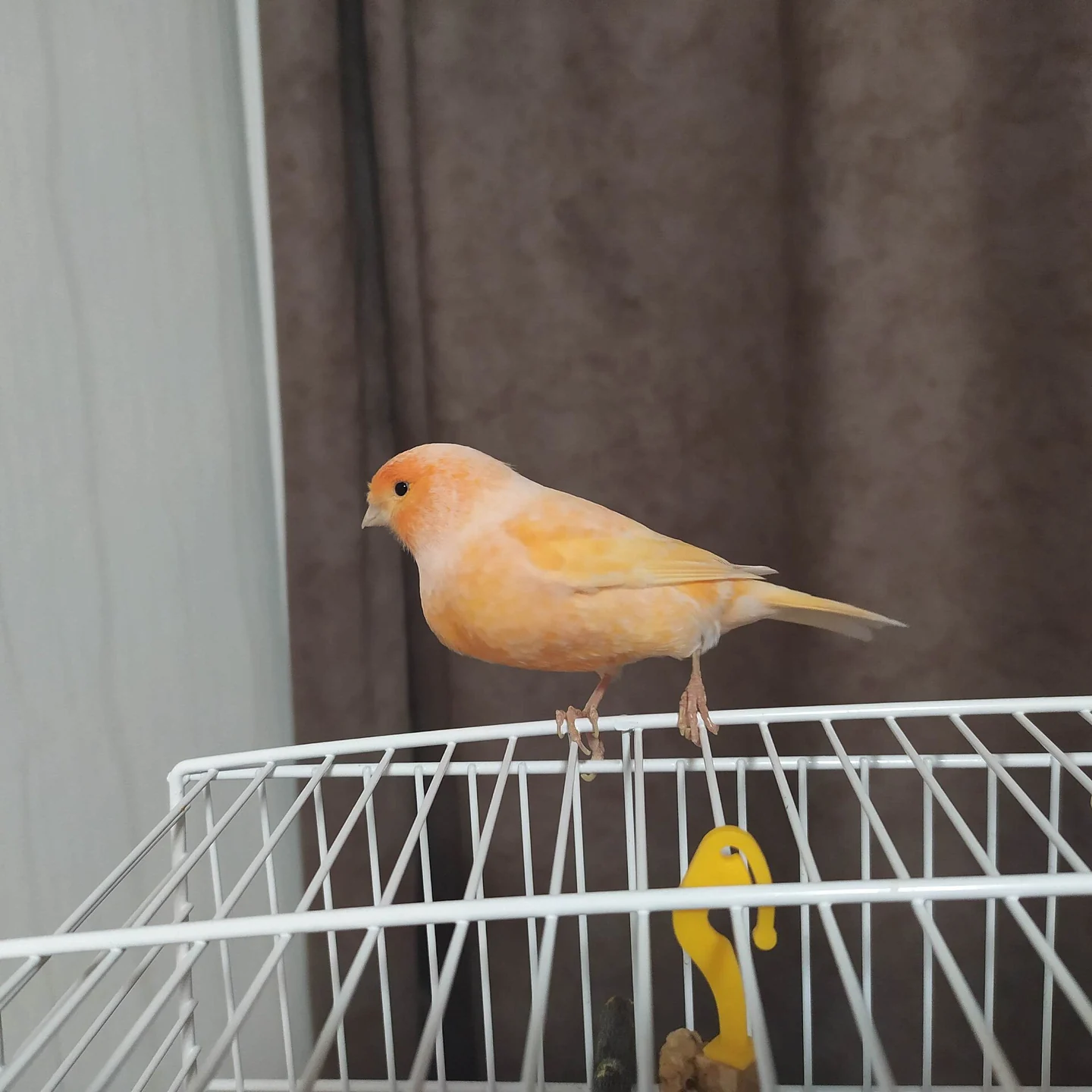
Photo: Domestic canary 2.jpg · Yavor Uzunov · CC0. Resized proportionally and converted to WebP. The layout may crop the image.
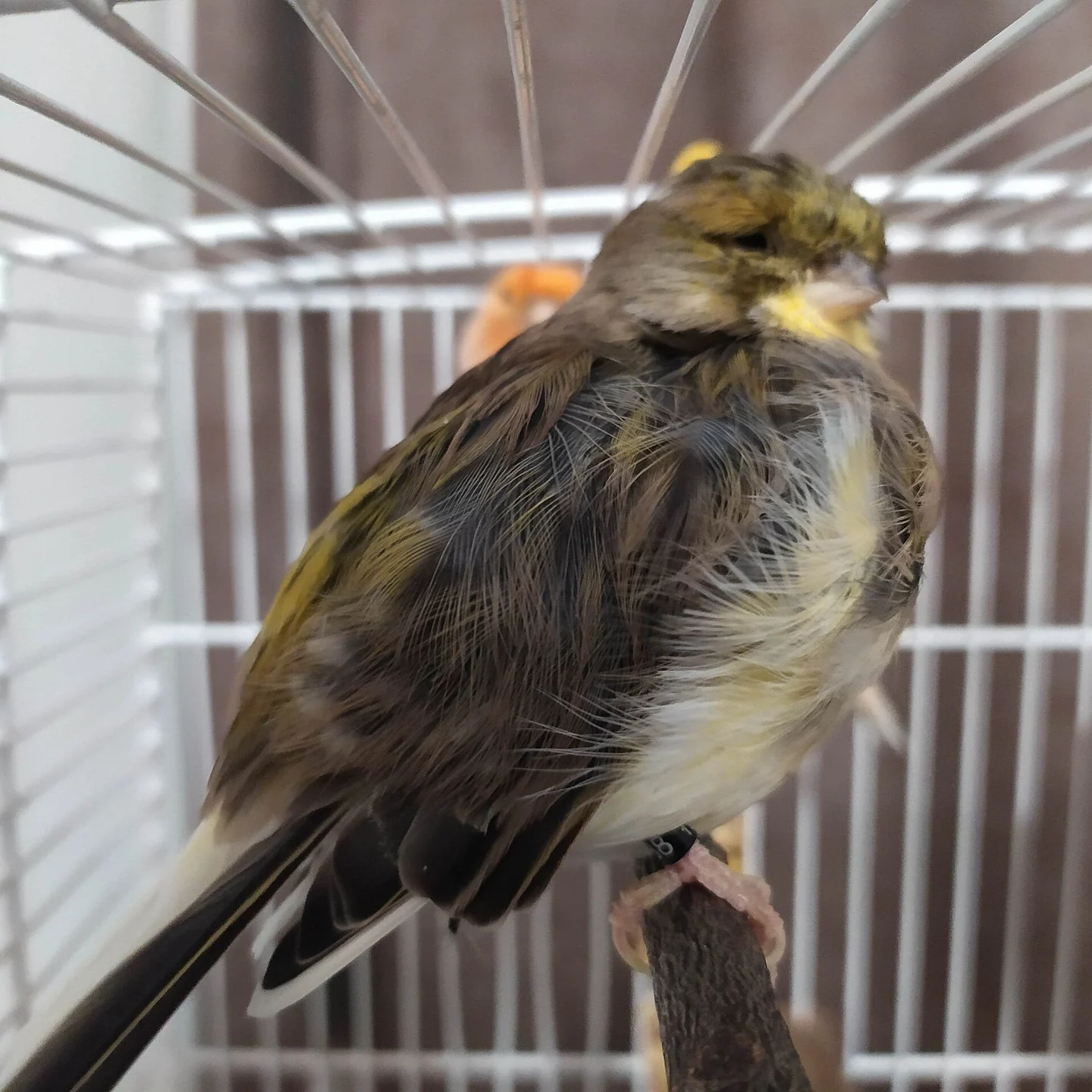
Photo: Domestic canaries (serinus).jpg · Yavor Uzunov · CC0. Resized proportionally and converted to WebP. The layout may crop the image.
Photo: Serinus canaria, Ponta de São Lourenço, Madeira, Portugal (53285298880).jpg · Donald Davesne from Paris, France · CC BY 2.0. Resized proportionally and converted to WebP. The layout may crop the image.


.jpg)
.jpg)