fellfolio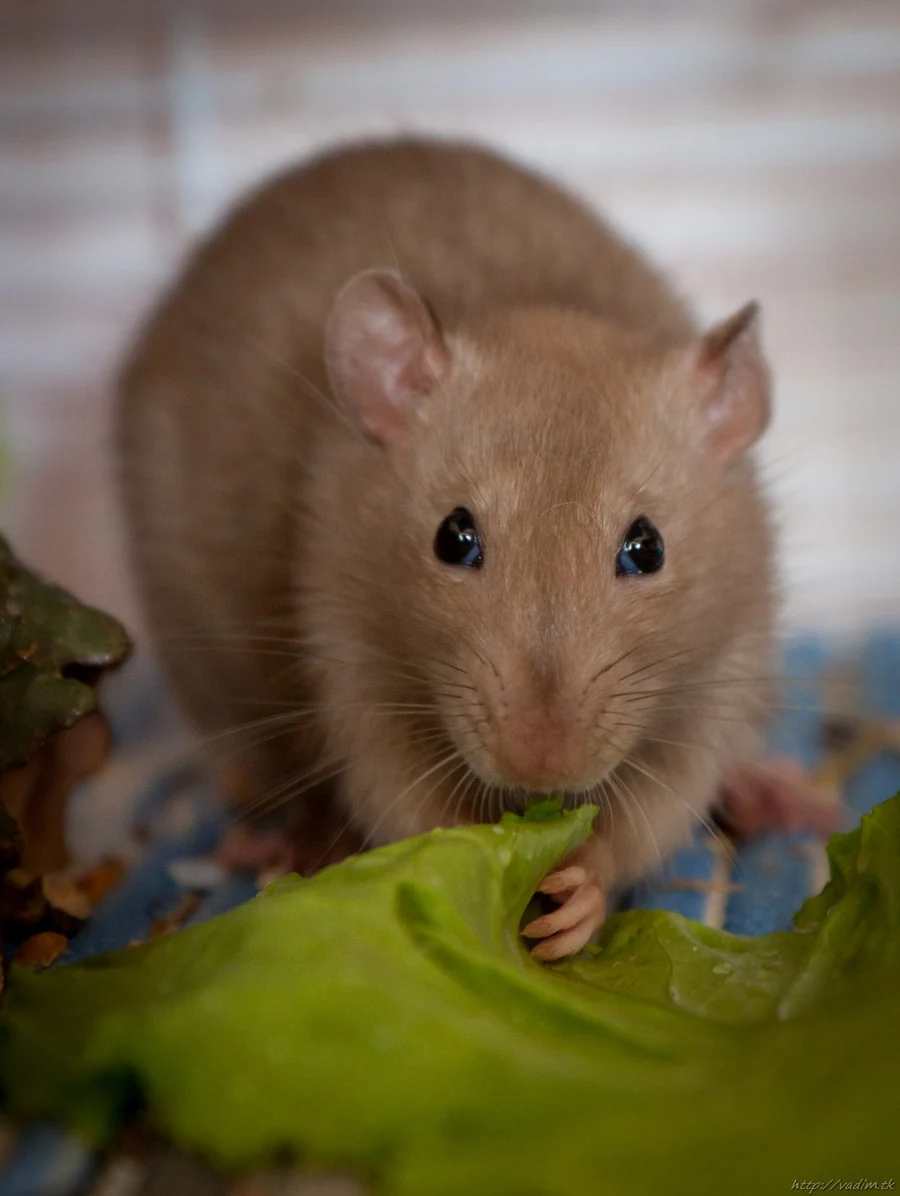
Choose a comfortable starting place
A familiar, secure area during a natural waking period suits early attempts. The rat should be able to move freely and return to a known hide. A nonslip surface makes small repeated movements easier. Other household animals should remain outside the training space.
One rat may find learning clearer when group mates cannot immediately take the reward. A brief exercise should still avoid prolonged or distressing separation. If the rat keeps searching anxiously for companions, a more familiar arrangement is needed first.
Before teaching a task, offering a few suitable foods helps identify a reward the animal accepts readily. Tiny portions allow several attempts without excessive extras. Normal meals should not be withheld for training. Curiosity and voluntary participation provide a better starting point than deliberately creating hunger. A written note of suitable rewards also helps other caregivers use the same approach.
Sources for this section
Make the reward meaningful
Positive reinforcement means that a pleasant consequence follows an action and makes that action more likely to recur. A tiny food reward immediately after a rat voluntarily enters a shallow dish is one practical example. Keeping the delay short makes the connection clearer.
A brief marker word such as “good” can identify the exact moment. Initially, the word reliably predicts the food reward. A clicker can serve the same purpose, but it is optional equipment; a loud click may startle some rats. A quiet word is often easy to adjust to the individual.
Only a small step should be expected initially. For carrier training, approaching the entrance can be rewarded before touching it and eventually going inside. Hesitation suggests returning to the last comfortable step. Punishment does not explain the task. Training is easier to follow when only one part of the exercise becomes harder at a time.
Sources for this section
Build a recall for supervised exercise
Recall can begin at a very short distance. When the rat is already looking towards you, a consistent brief signal precedes an approach, followed immediately by a reward. Distance can increase after several reliable repetitions. Distractions are added later.
It is useful to reward recall partway through exercise and then allow exploration to continue. The signal then does not always predict the end of an interesting activity. Returning home can also remain comfortable through familiar hiding places and feeding stations.
A trained cue does not replace a secure environment. Even an experienced rat may investigate a new scent or become startled. Doors, cables, gaps and access behind furniture still need checking. A list of the group’s members helps confirm that every individual has returned after exercise. Recall is one additional way to communicate within that secure arrangement.
Sources for this section
- Pet rats: behaviour and body languageRSPCA
- Farbratten: HaltungZürcher Tierschutz
Introduce scales and a carrier in stages
A stable dish on digital scales can make weighing straightforward. At first, the dish may sit beside the switched-off scales, with voluntary entry rewarded. Once that is familiar, the same dish moves onto the scales. Its weight is recorded separately or removed with the tare function before the animal is weighed.
Early measurements can be brief. A tiny reward may encourage a short pause. Results are easier to compare when the container and time of day remain similar. The date, value and relevant circumstances, such as a recent meal, can be recorded together.
A carrier can initially remain open in the secure exercise area with familiar bedding inside. Training develops from entering to staying briefly, then gentle door closure and reopening. Lifting and carrying a few steps come later. The door should never be closed while feet or a tail remain in its path. Each new movement should be introduced while the rat remains comfortable with the previous one.
Sources for this section
- Pet rats: behaviour and body languageRSPCA
- Routine health care of ratsMerck Veterinary Manual
Adapt to attention and changing abilities
A few successful attempts are enough for a short session. Moving away, hiding or losing interest in a reward should be respected. Next time, an easier task, a different time of day or a quieter location may help.
A sudden change deserves closer attention. Pain, breathing difficulties or reduced mobility can explain why a familiar task no longer works. A rat-experienced veterinary practice should assess such changes. The exercise can then be adapted, perhaps using a lower dish or a shorter route.
Progress can look different for each group member. One rat may be learning to approach a hand voluntarily while another already enters a carrier confidently. A brief note about the last comfortable step makes the next session easier to pitch correctly. Comparing an individual with its own earlier behaviour is more useful than expecting every rat to reach the same stage together.
Read more: Pet rat life stages: from youngsters to older companions
Sources for this section
- Routine health care of ratsMerck Veterinary Manual
- Rat health and welfareRSPCA
Common questions
Do I need a clicker?
No. A quiet consistent word can mark the desired moment when a reward follows promptly. Clear steps and timing matter more than the device.
Can older rats still learn?
Suitable voluntary tasks can remain interesting for older rats. Physical demands and difficulty should match their health and mobility. New difficulties need assessment first.
Sources and photo credit
- Pet rats: behaviour and body languageRSPCA
- Keeping pet rats togetherRSPCA
- Farbratten: HaltungZürcher Tierschutz
- Routine health care of ratsMerck Veterinary Manual
- What to feed pet ratsRSPCA
- Rat health and welfareRSPCA
Photo: Pet rat eating salad leaves.jpg · vadim.tk · CC BY-SA 3.0. Resized proportionally and converted to WebP. The layout may crop the image.