 fellfolio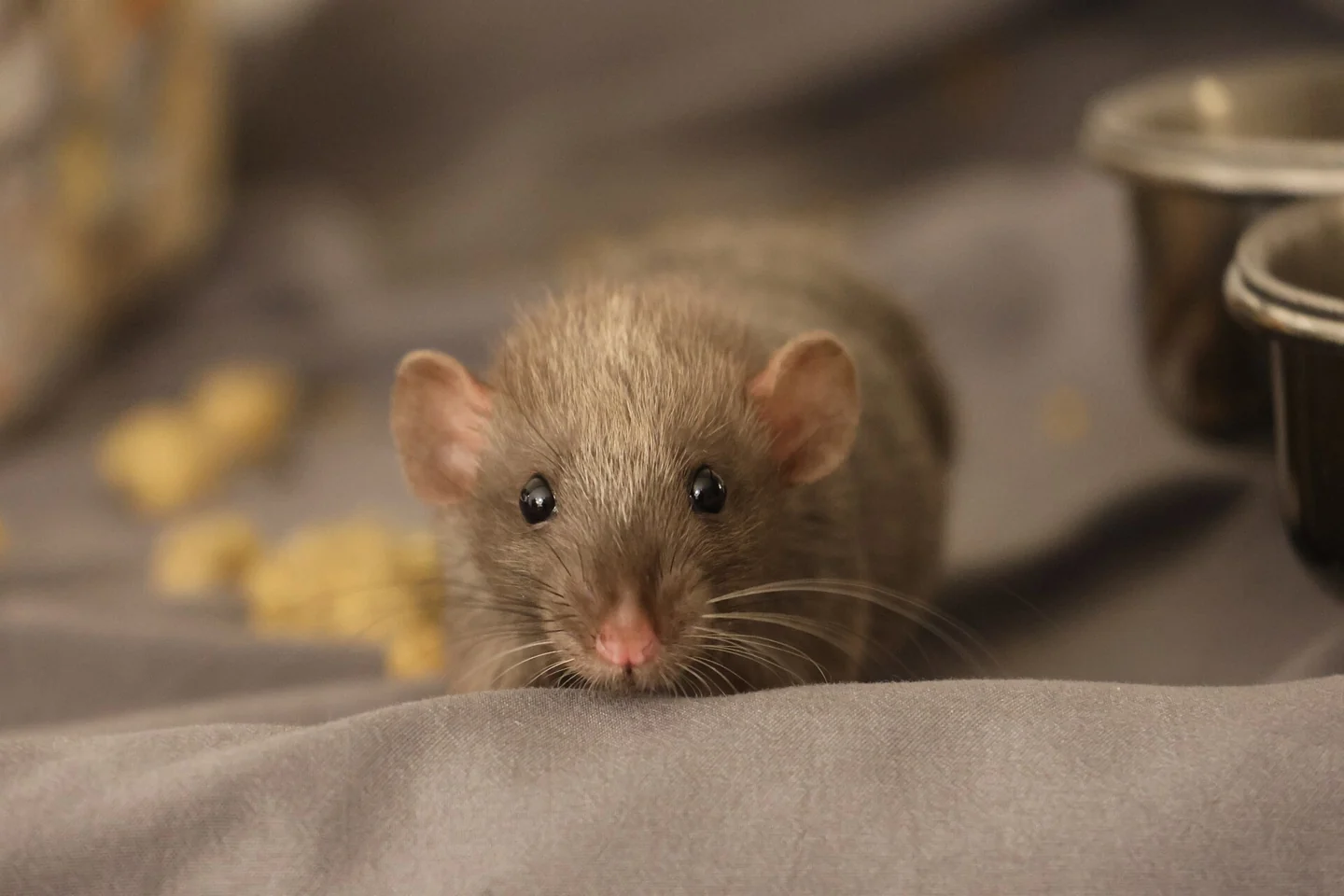
Help young rats settle into group life
At arrival, their approximate age, familiar food and previous companions should be known. Sex identification needs to be reliable so that an unintended mixed group does not produce young. An established compatible group from a responsible rescue can make the transition easier.
Young rats need opportunities for safe movement. Protected levels, broad connections and intermediate platforms limit possible falls. Hides and several food stations should be accessible to everyone. Cables, gaps, toxic plants and moving furniture parts need to be made inaccessible before free-ranging begins.
Calm, predictable encounters build familiarity. A rat may initially take food near a hand or enter a shallow dish. It should be able to approach by choice. Meeting a carrier and scales early can help when veterinary care is needed later. Quiet observation also reveals which individuals approach readily and which need more distance to feel comfortable.
Read more: Pet rat training: recall, carriers and voluntary weighing
Sources for this section
- Farbratten: HaltungZürcher Tierschutz
- Keeping pet rats togetherRSPCA
- Pet rats: behaviour and body languageRSPCA
- Description and physical characteristics of ratsMerck Veterinary Manual
Keep adult routines interesting
Adult rats benefit from a well-arranged enclosure and daily supervised exercise. Boxes with several exits, safe tunnels and suitable digging areas offer different activities. New objects should be introduced without blocking established retreat routes. Heavily soiled or damaged materials need replacing in good time.
A complete rat food provides a reliable nutritional foundation. Appropriate fresh additions and tiny rewards can fit within the plan. Favourite energy-rich items need counting, especially when one group member takes substantially more than another.
Regular voluntary weighing makes trends visible. A gradual increase can prompt a discussion of food and activity, while a decline also deserves attention. Any feeding adjustment should preserve nutritional completeness. Simply reducing food is not an appropriate response to a rat that is ill or struggling to chew. Observing each animal eat helps distinguish a problem with access from a problem with appetite or eating ability.
Read more: Pet rat care: a sociable group with room to explore
Sources for this section
Adapt routes when movement becomes harder
Unsteady hindlimbs, avoided climbing routes or repeated falls need assessment by a rat-experienced vet. Different illnesses or pain can produce changes in movement. Once the cause is investigated, housing can be adapted more purposefully.
Broad shallow ramps, low transitions and extra platforms can reduce large changes in height. Sleeping places, water and food should be accessible without demanding climbs. Soft clean resting materials must not develop loose threads that can trap toes or claws. Damp areas and soiled fur need regular attention.
Reduced mobility still leaves room for interesting activity. Easy food searching on a flat surface or a familiar voluntary exercise uses less strength than climbing. Difficulty should match present ability. Moving away or seeking rest should be respected. Keeping familiar objects in recognisable positions can help the rat continue using its environment confidently while access becomes easier.
Read more: Pet rat training: recall, carriers and voluntary weighing
Sources for this section
- Rat health and welfareRSPCA
- Routine health care of ratsMerck Veterinary Manual
Describe changes clearly and seek assessment
Appetite, weight, breathing, posture and grooming should be observed regularly. A new lump, tilted head or unusual gait warrants examination. Appearance alone cannot reliably identify a lump as harmless or malignant.
Reddish-brown material around the eyes or nose can come from the Harderian gland near the eye. It is not automatically blood, but increased staining may accompany stress or illness. Together with noisy breathing, reduced eating or lethargy, it needs prompt assessment. Obvious breathing difficulty is an emergency.
Useful appointment notes include when a change started, how often it occurs and the surrounding circumstances. With ongoing disease, treatment response and quality of life should be reviewed: can the rat rest comfortably, eat, stay clean and engage socially? Older age alone does not answer those questions. Decisions about treatment or end-of-life care belong in an individual discussion with the veterinary practice, informed by the animal’s current experience.
Sources for this section
- Routine health care of ratsMerck Veterinary Manual
- Rat health and welfareRSPCA
Common questions
When should age-related adaptations begin?
Short safe routes can be designed from the start. Larger changes should follow actual mobility and veterinary findings rather than a birthday alone.
Does an older rat need different food?
That depends on weight, teeth, illness and intake. A rat-experienced vet can advise whether composition, texture or amount should change. Extra protein or vitamins are not a universal solution.
Sources and photo credit
- Pet rats: behaviour and body languageRSPCA
- Keeping pet rats togetherRSPCA
- Farbratten: HaltungZürcher Tierschutz
- Routine health care of ratsMerck Veterinary Manual
- What to feed pet ratsRSPCA
- Rat health and welfareRSPCA
- Description and physical characteristics of ratsMerck Veterinary Manual
Photo: Shy baby rat looking curious.jpg · Cat Ball · CC0. Resized proportionally and converted to WebP. The layout may crop the image.

Relationships change as individuals age
The need for other rats does not disappear with age. A familiar group can provide shared warmth, resting and social contact. It is still important to check that a slower animal can eat without interference and reach preferred sleeping places. Additional bowls and accessible resting areas may reduce competition.
After a death, the situation of remaining rats should be considered too. Leaving one animal permanently alone is not an automatic form of senior care. New relationships require a planned introduction and consideration of health, temperament and resilience. An experienced rat rescue can help assess options.
Very lively youngsters will not suit every frail older rat. Several questions matter together: can contact remain voluntary, are resting periods respected and can every animal reach food? Medically necessary separation should be organised with the practice while considering its social effects. Keeping notes on ordinary interactions can help distinguish occasional disagreement from persistent exclusion.
Sources for this section