 fellfolio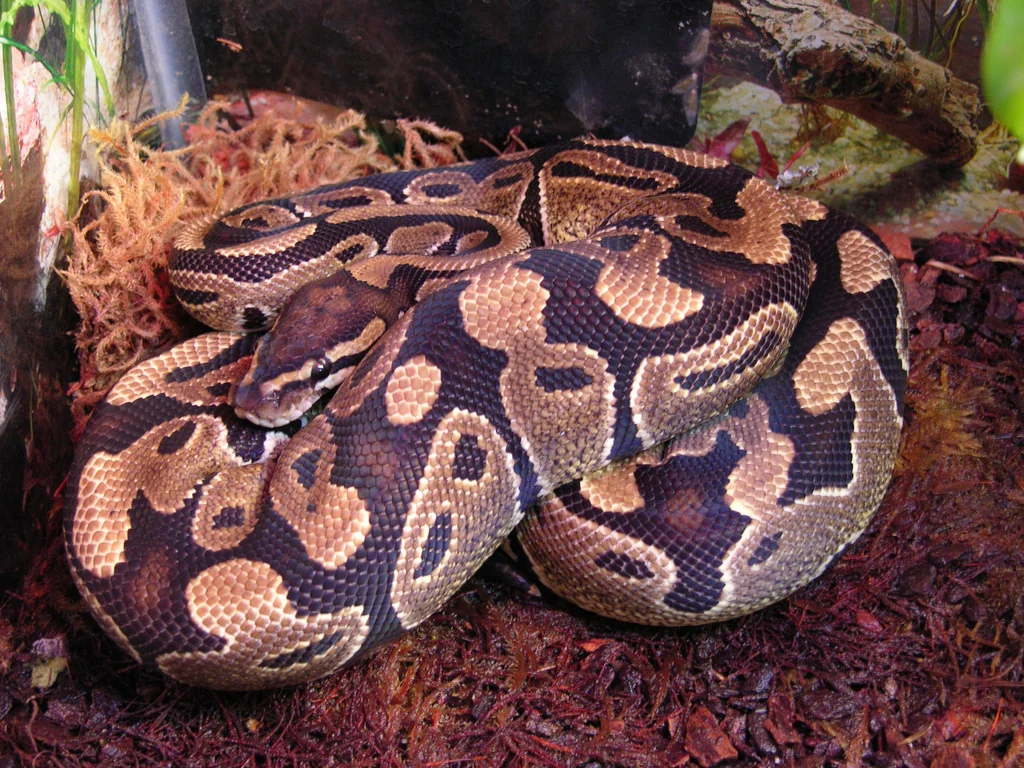
Why retreat matters
In its West African habitat, a royal python may shelter in a burrow or another covered place through hot daylight hours. Its activity around dawn and dusk helps explain the value of shaded routes and enclosed resting spots. These features give the snake ways to move and rest while feeling sheltered.
Royal pythons are solitary and should be housed individually. Keeping one snake per enclosure also makes it easier to attribute a meal, a shed or a change in droppings to the right animal. Solitary housing still calls for choice within the enclosure: the snake should be able to find shelter in more than one part of its temperature range.
Sources for this section
- How to care for a royal pythonRSPCA
- Royal (Ball) PythonOakland Zoo
Plan length and cover together
An adult needs a secure, well ventilated vivarium with at least one dimension long enough for its entire body to stretch out. The RSPCA also specifies a width and height of at least one third of the snake's length. Measuring the animal and reviewing the enclosure as it grows is more useful than treating one fixed tank size as suitable for every royal python.
A larger space can work well when it is furnished with ample cover. Hides at both the warm and cool ends let the snake choose a temperature while remaining sheltered. Other cover can make movement between those places feel secure. During routine checks, look at whether the snake can still stretch fully, enter its hides and move through the enclosure without exposed or hazardous routes.
Sources for this section
- How to care for a royal pythonRSPCA
- Royal (Ball) PythonOakland Zoo
Make conditions measurable
A royal python relies on its surroundings to warm up and cool down, so it needs a temperature gradient. The RSPCA gives 30 to 32 °C for the basking area and 24 to 26 °C at the cool end. Heat sources should be guarded against contact and controlled by a thermostat. Separate digital thermometers help verify temperatures at the level the snake actually occupies.
The RSPCA describes usual humidity around 50 to 60 percent, with temporary rises to around 80 percent. A hygrometer helps track it, while ventilation and drying prevent persistently damp conditions. The RSPCA also describes a UVB light and shade gradient, with lights off at night. If heat is still needed overnight, a non-light-emitting source controlled by a thermostat can provide it while the lights remain off.
Sources for this section
- How to care for a royal pythonRSPCA
- Royal (Ball) PythonOakland Zoo
- Providing a Home for a ReptileMerck Veterinary Manual
Keep water fresh and feeding notes useful
Fresh water should be available in a dish large enough for the snake to soak in. The dish needs cleaning and replenishing, especially if the water becomes soiled. Its condition is an easy part of a daily enclosure check and can be recorded alongside any other change worth following.
Suitable rodents can be offered after being frozen, fully thawed and warmed, using feeding tongs. Live prey should not be offered. Record what was offered, whether it was taken and the date, together with a weight trend. If food refusal continues, review measured temperatures and available shelter and seek advice from a reptile veterinarian. A missed meal alone cannot explain why the snake has stopped eating.
Sources for this section
Allow time and handle gently
A newly arrived royal python benefits from time to settle into its prepared enclosure. Later handling can remain calm and brief, with the body supported rather than gripped. If the snake retreats or shows a clear defensive posture, allowing it to rest is a reasonable response.
The RSPCA advises waiting 48 hours after feeding before handling, because disturbance can lead a snake to bring up its meal. Handling is also best avoided during shedding. A shed may coincide with reduced interest in food, but that observation cannot account for a prolonged refusal by itself. Deliberately inducing brumation, a period of reduced activity associated with cooler conditions, is not advised for this species.
Sources for this section
Notice patterns and seek specialist assessment
A dated record of weight, meals, shedding and droppings makes gradual changes easier to describe. Gasping or laboured breathing needs immediate veterinary assessment. Contact a reptile veterinarian promptly for audible breathing, discharge, unusual stools, mouth lesions or unexplained weight loss. These signs can have different causes.
Skin left over an eye after shedding is called a retained eye cap. A reptile veterinarian should assess it and remove it safely if needed; pulling it off at home risks damaging the eye. Photos of the enclosure and notes on its conditions can help explain the animal's recent environment, while a veterinary examination remains essential for interpreting concerning signs.
Sources for this section
Common questions
Is a large, open enclosure enough?
The snake needs full-length space, but it also needs ample cover and suitable hides to use that space while sheltered.
Is refusing food always harmless?
No. Check temperatures, shelter and the weight trend. Continued refusal or weight loss calls for advice from a reptile veterinarian.
What if skin remains over an eye after shedding?
Arrange an assessment with a reptile veterinarian. Do not try to pull the retained eye cap away.
A closer look
Sources and photo credit
- How to care for a royal pythonRSPCA
- Providing a Home for a ReptileMerck Veterinary Manual
- Royal (Ball) PythonOakland Zoo
Photo: Female Ball python (Python regius).jpg · Squamata55 · CC BY 2.0. Resized and converted to WebP; scene unchanged.
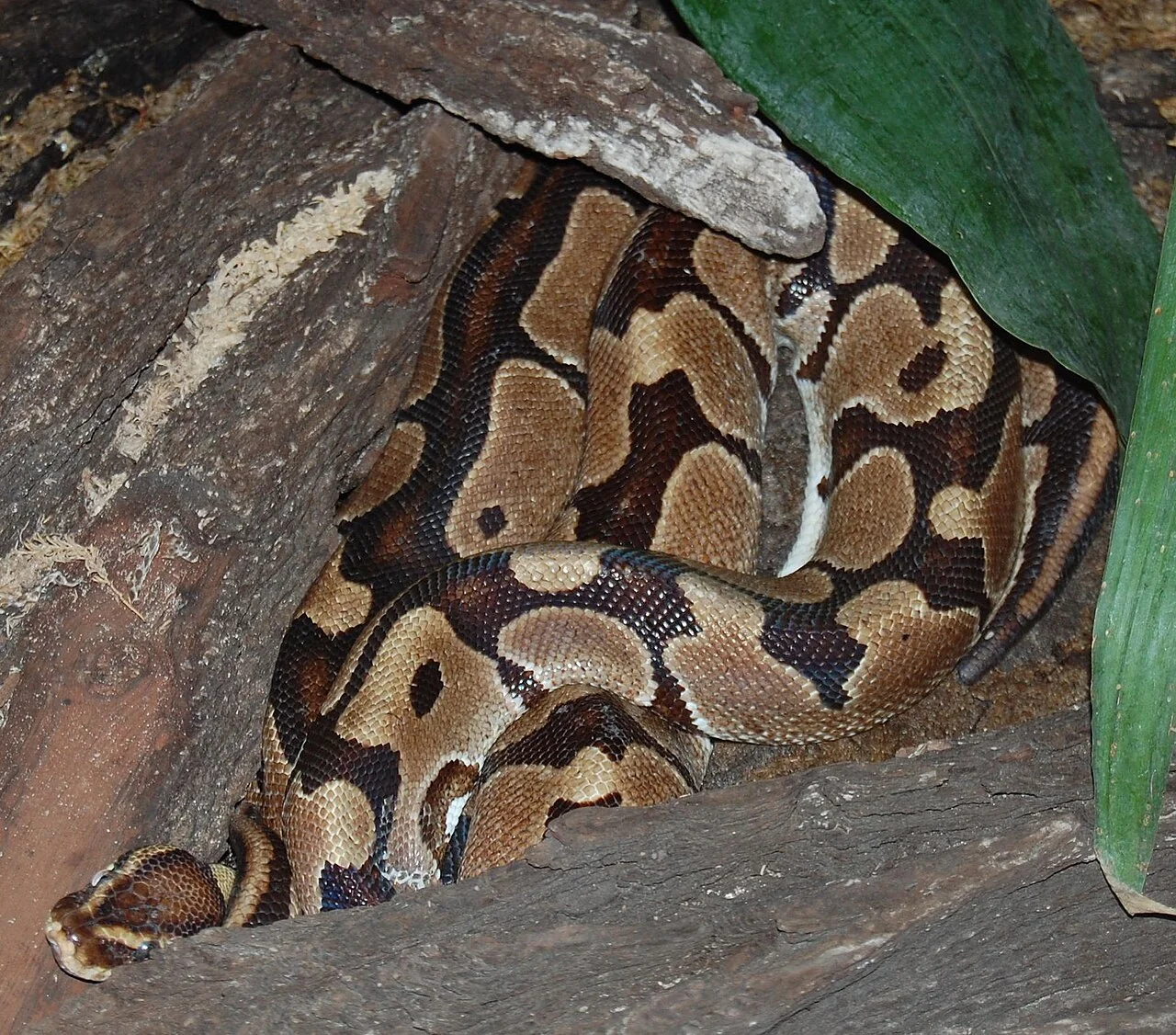
Photo: Python regius 070731 a.jpg · Rainer Altenkamp · CC BY-SA 3.0. Resized and converted to WebP; scene unchanged.
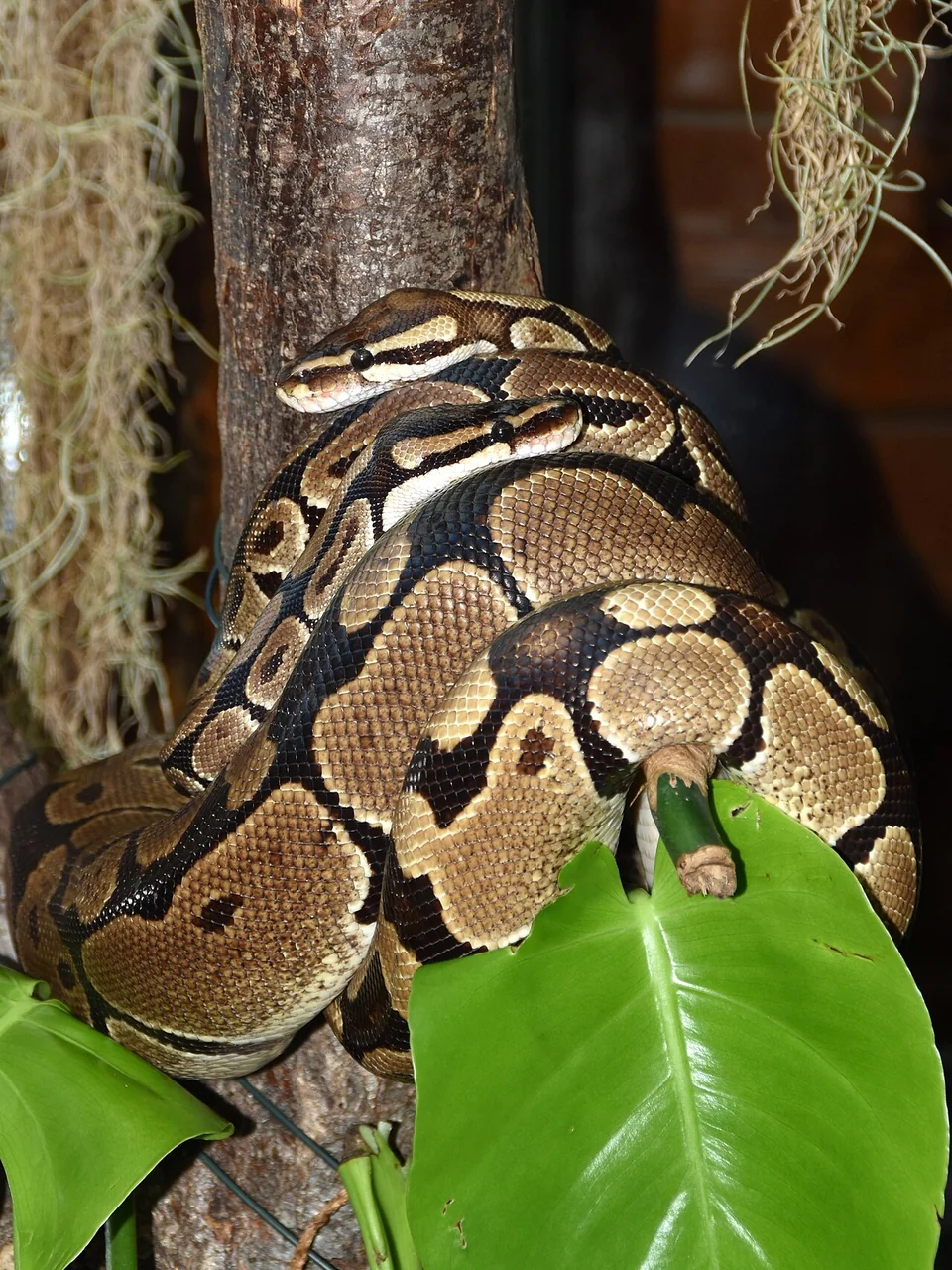
Photo: Pythonidae Python regius 3.jpg · NasserHalaweh · CC BY-SA 4.0. Resized and converted to WebP; scene unchanged.
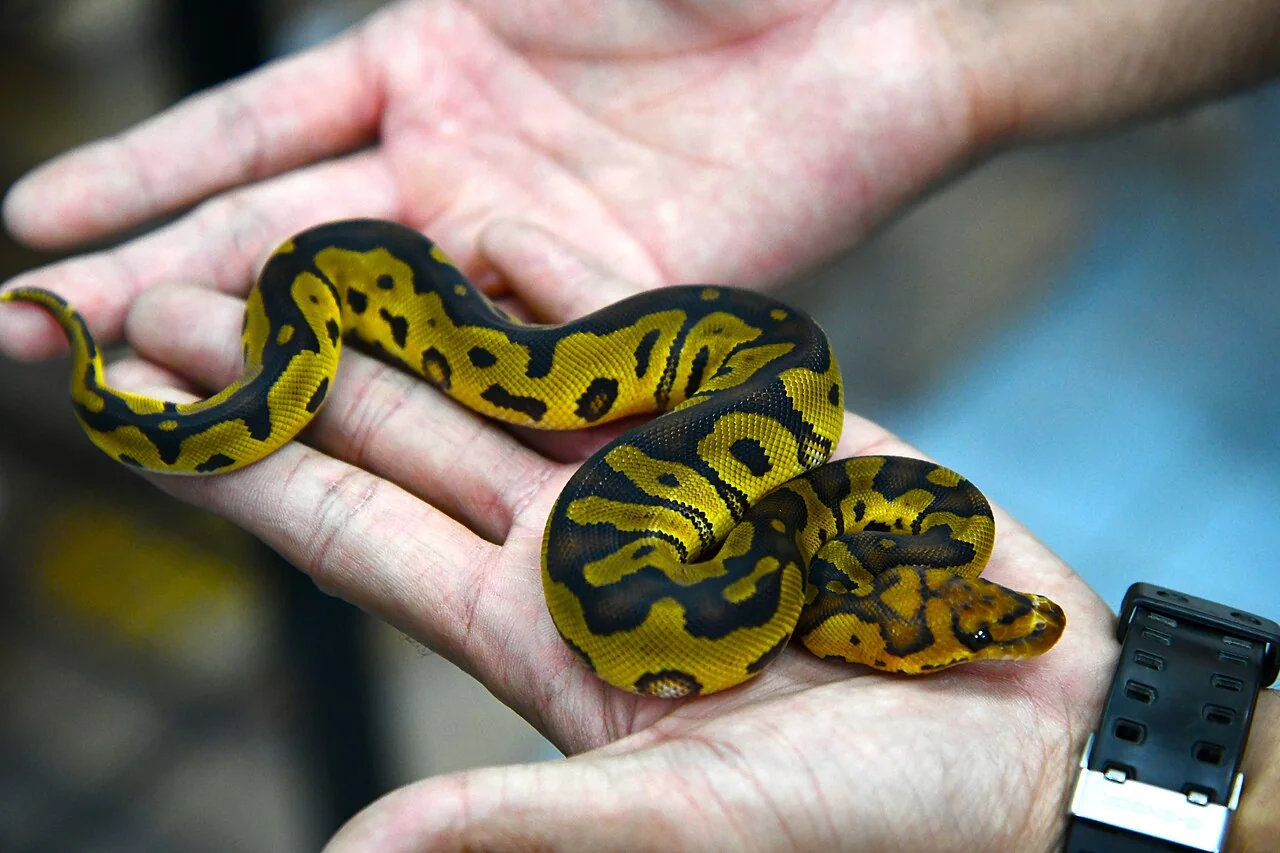
Photo: D85 3399 Ball Python by Trisorn Triboon.jpg · Tris T7 · CC BY-SA 4.0. Resized and converted to WebP; scene unchanged.
.jpg)


