fellfolio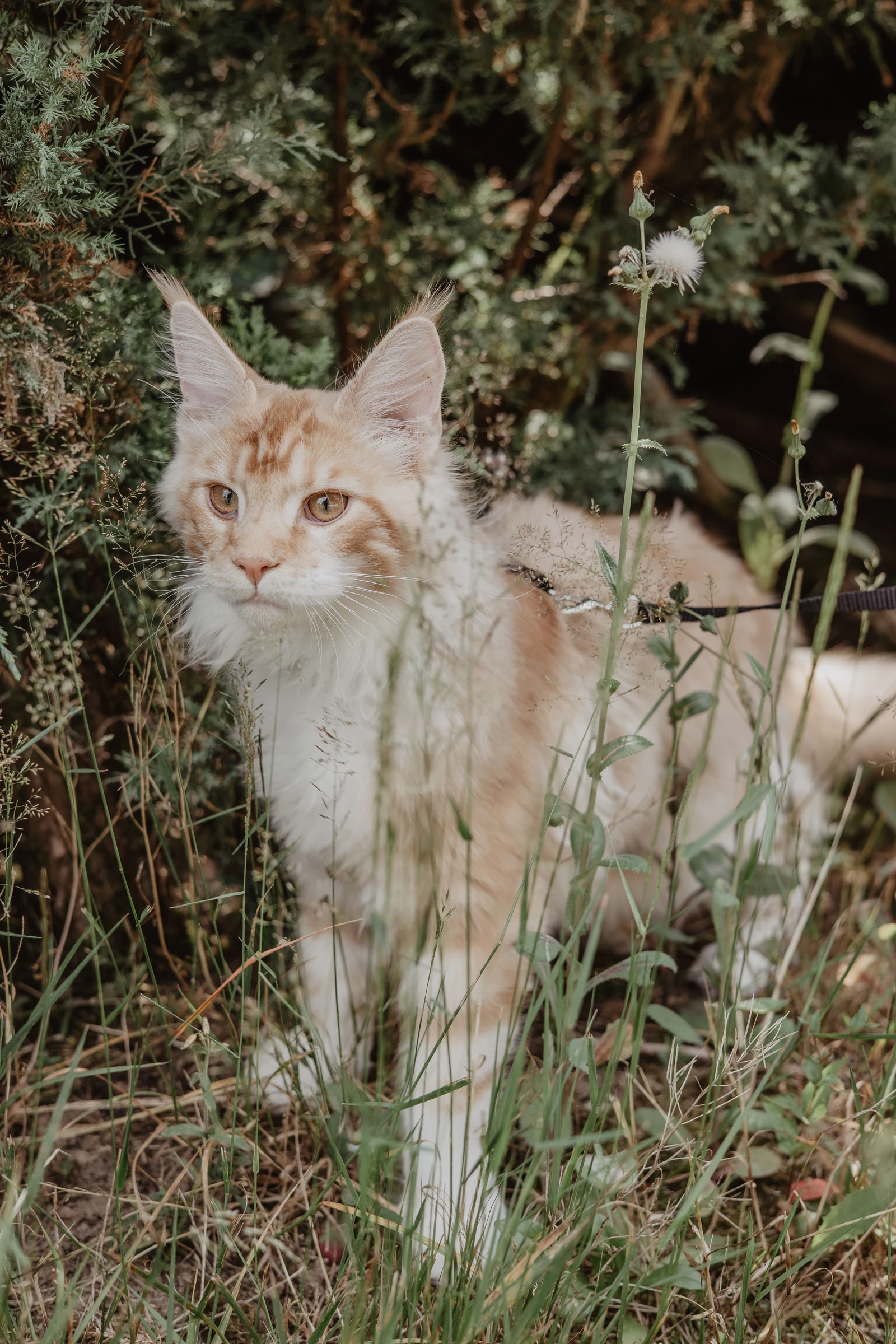
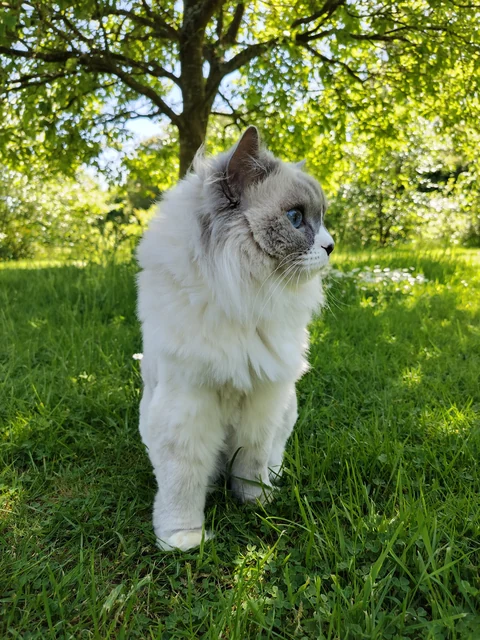
Semi-longhair cat · United States
Ragdoll
A long, substantial frame, a silky coat and blue eyes: Ragdolls are often relaxed, yet many still enjoy a good game as adults.
Semi-longhair cat · United States
The Maine Coon pairs a long, powerful frame with a full coat and bushy tail. Many stay playful and like to keep their people in sight around the home.
Many Maine Coons follow their people from room to room and keep an eye on what is happening at home. Some answer with soft trills, and many remain keen to play well into adulthood. They often enjoy company without needing to spend all day on someone’s lap.
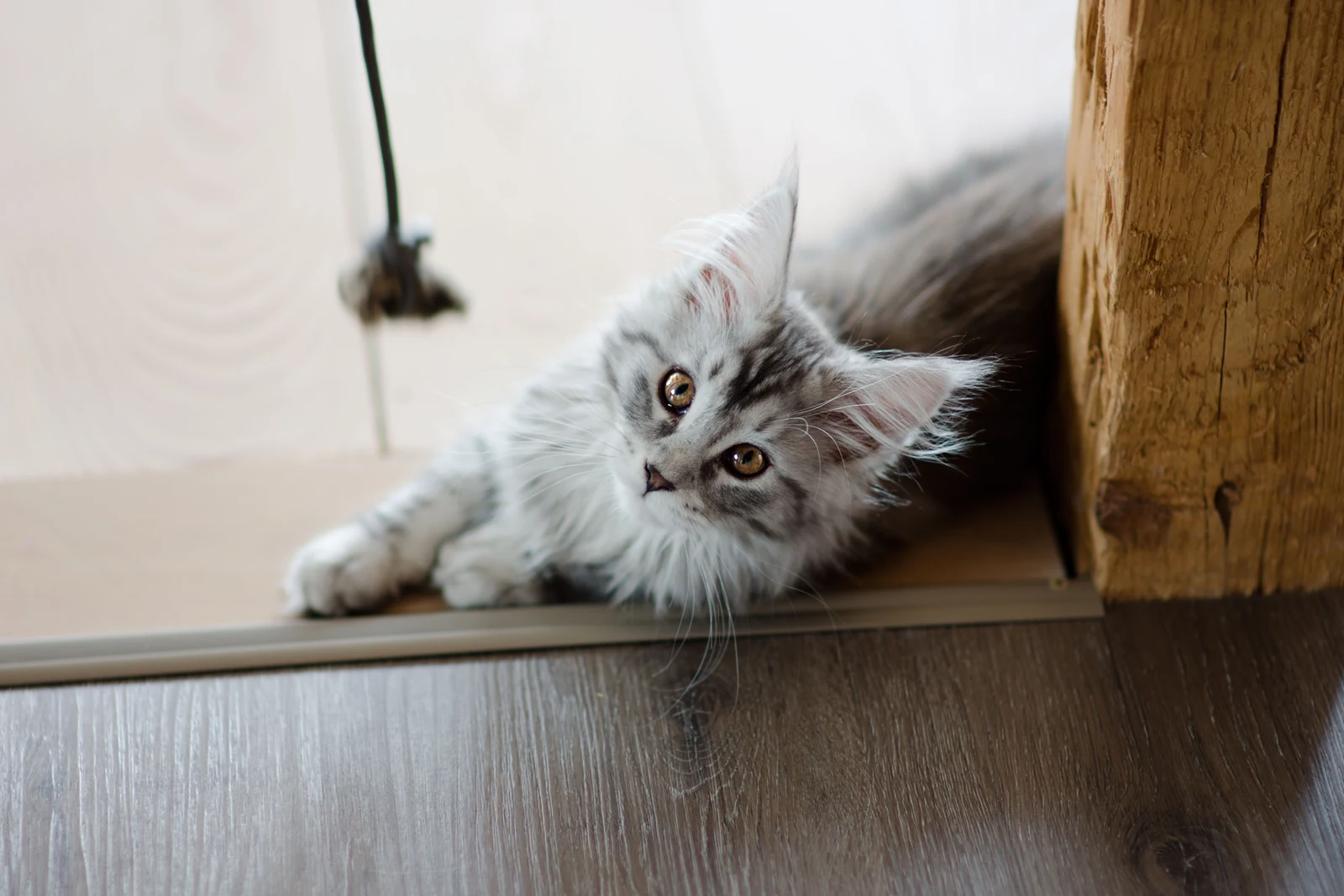
A Maine Coon needs room to move and things to do, but not an hours-long exercise routine. A wand toy can create a short hunting sequence: move it along the floor, let it disappear behind a piece of furniture, then give your cat a chance to catch it. A few short games a day usually work better than one endless session. End with a catch so the hunt does not simply stop in mid-air.
A sturdy cat tree and raised resting places matter more for a large cat. Many Maine Coons enjoy fetch or learn simple cues when sessions stay short and rewards come as food or play.
The coat is longest along the flanks, belly, hind legs and tail, and shorter over the shoulders and neck. Comb it down to the skin in small sections two or three times a week. Tangles form most easily behind the ears, under the front legs, in the breeches and at the base of the tail. During seasonal shedding, add another session.
A metal comb reaches through the topcoat and undercoat. If it catches, do not pull harder: gently loosen small knots with your fingers. Leave tight mats to a veterinary clinic or an experienced groomer.
The Maine Coon has a long, rectangular build: a broad, deep chest leads into a strong, elongated body. Medium-length, muscular legs support the frame, and large, rounded paws have tufts between the toes. The bushy tail should be about as long as the body. The head has its own shape too, with large ears, a strong chin and a distinctly square muzzle.
Males are substantially heavier than females. TICA gives typical adult weights of about 8.2–10 kg (18–22 lb) for males and 5.4–6.8 kg (12–15 lb) for females. The breed matures slowly and may not reach full physical maturity until around four years of age. The coat is shorter over the shoulders and neck, then grows longer along the flanks, belly, hind legs and tail; it comes in many natural colours and patterns.
Hypertrophic cardiomyopathy (HCM) is part of Maine Coon breeding health checks. A mutation in the MYBPC3 gene is associated with HCM in this breed. A DNA test can identify that variant, but it does not replace an echocardiogram, and a negative result does not rule out HCM. TICA recommends DNA testing as well as periodic echocardiograms for breeding cats; the scans should be assessed by a veterinary cardiology specialist. Ask to see the parents’ results and when their hearts were last scanned.
Hip dysplasia is also more common in Maine Coons than in many other cats. Cornell describes a possible inherited predisposition; excess weight adds strain to the hip joints. Ask about hip findings in the parents and aim for a lean, well-muscled body condition. Limping, stiff movement or reduced willingness to jump should be checked by a vet.
Selected by shared size, activity, grooming and training characteristics.
Semi-longhair cat · United States
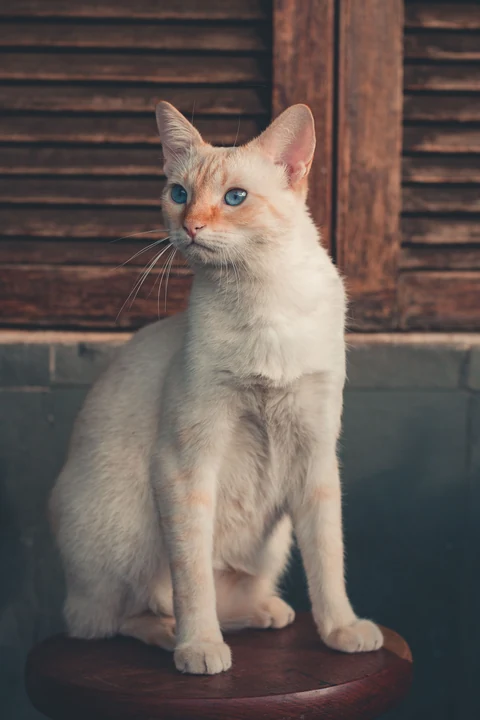
A long, substantial frame, a silky coat and blue eyes: Ragdolls are often relaxed, yet many still enjoy a good game as adults.
Short-haired cat · Thailand
Slender, agile and often remarkably talkative, Siamese cats like to stay close to family life. A food bowl and a sunny spot rarely hold their interest for long.
Semi-longhair cat · Norway
The Norwegian Forest Cat is long-legged, powerful and an enthusiastic climber. Comb its dense double coat weekly, more often during the spring shed.