 fellfolio
Pet knowledge
Cat Essentials: Useful Equipment and How to Choose Safer Toys
A new cat can turn a simple shopping list into a very long one. Start with what each item needs to do: let your cat eat, drink, use a litter tray, scratch, play and retreat without being disturbed. This guide helps you choose equipment around those needs. It also explains which toys work well for games together and what to check before using them. A thoughtfully arranged room is a more useful starting point than a box full of unexamined toys.
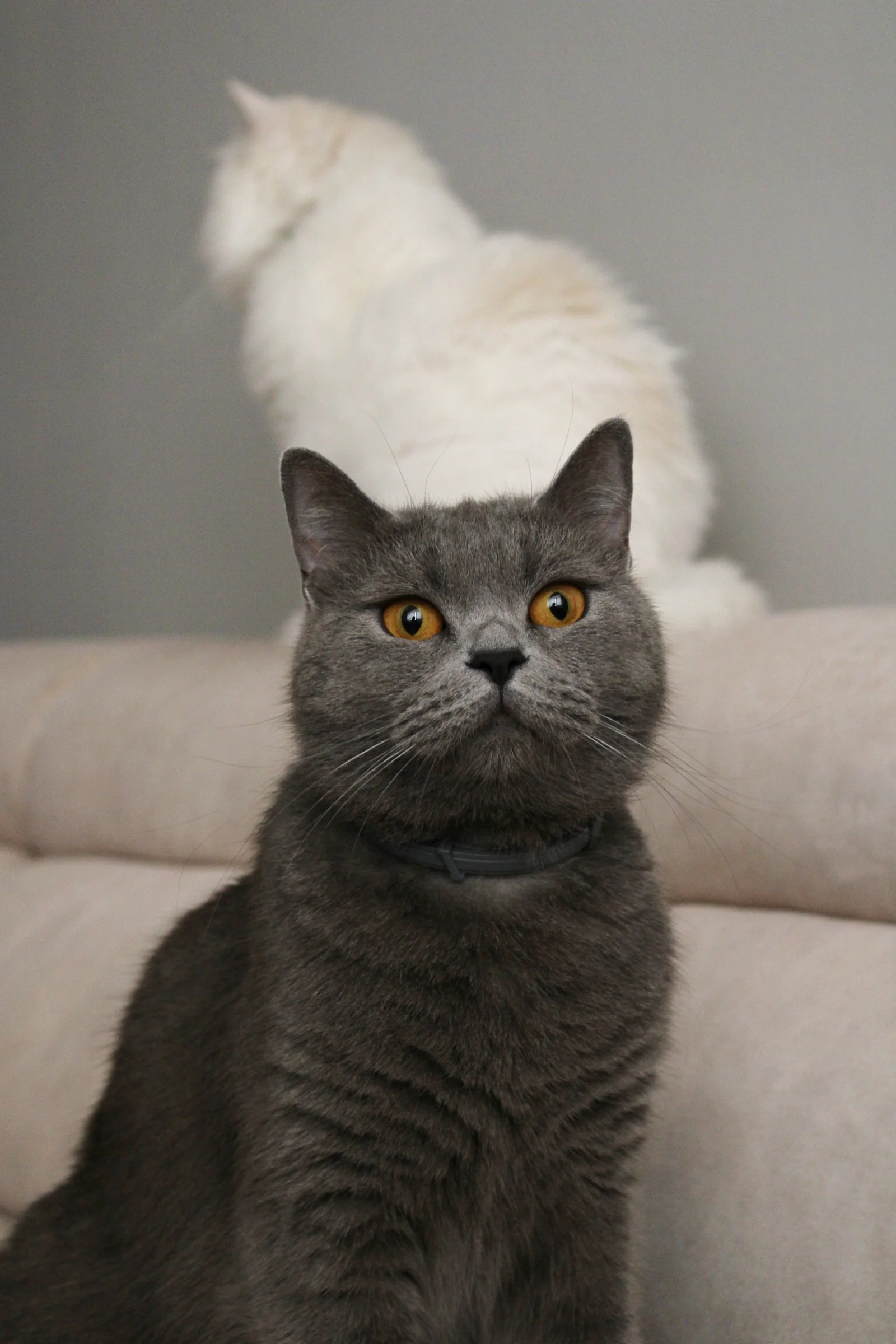
Have the essentials ready before arrival
Choose food and water bowls that are easy to clean, the cat’s familiar food, litter trays with the litter they already use, a scratching surface and a sturdy, well-ventilated carrier. Ask the previous carer what the cat knows. This lets you prepare the home without changing food and toilet habits at the same time. Add a brush suited to the cat’s coat.
Provide a quiet bed and somewhere to hide. A stable cardboard box on its side with a soft lining can work well. Check there is room to turn and an exit the cat can use independently. Assemble the travel carrier before collection and test its doors and catches.
Sources for this section: Preparing your home for a cat · Cats Protection, Bringing a cat home · Cats Protection
Place litter trays and bowls with care
A litter tray needs enough room for your cat to turn and dig comfortably. A low entrance makes access easier for an older cat or one with limited mobility. Start with one tray per cat, plus one spare. For two cats, that means three trays in separate, quiet and accessible locations.
Three trays side by side provide little choice if one cat blocks the only approach. Spread them out. Food, water and toileting areas also need separate locations. A bowl in a narrow passage is a poor choice when people constantly walk past it. Walk through the home and consider the routes before deciding where things will go.
Sources for this section: Cats and toileting · Cats Protection, How to create a cat-friendly home · PDSA
Choose scratching surfaces your cat can use
Scratching is normal cat behaviour. A post should stay steady and be tall enough for a full stretch. Some cats prefer horizontal cardboard scratchers. Offer different orientations and watch which your cat uses. Material and location can matter as much as the shape.
One practical place for a scratcher is near a favourite sleeping spot. Check a cat tree’s fixings and whether its resting platforms are accessible. For an older cat, intermediate steps may be more useful than one very high platform. A raised lookout and an enclosed hiding place serve different purposes, so offer both where possible.
Sources for this section: Cats and scratching · Cats Protection, How to create a cat-friendly home · PDSA
Three toy ideas for different preferences
A wand toy is a rod with a string and an attachment, such as a fabric mouse or a cluster of feathers. Move it along the floor, let it disappear behind a chair and pause. The cat can watch, stalk and catch it. Allow catches regularly and match the movement to your cat’s mobility.
A robust ball that is too large to swallow gives a cat something to bat and chase. It should not break into pieces the cat can bite off. A securely stitched fabric mouse offers something to grab and carry instead. Try different options to learn what your cat enjoys.
A puzzle feeder has hollows or obstacles from which the cat retrieves food. Start with easily reached pieces of familiar food, taken from the daily allowance. Keep hands and feet away from claws during games.
Sources for this section: Cats and play · Cats Protection, Exercising your cat · PDSA, How to play with your kitten · Blue Cross
Check feathers, strings and small attachments
Feathers on a wand are not automatically unsuitable. Construction, condition and the way your cat uses the toy matter. Before each game, inspect the attachment, its fastening, the string and the connections to the rod. Remove the toy if feathers pull out, seams open or eyes, bells and other small pieces become loose.
Stay with your cat during wand play. End the game if they begin chewing pieces off, then store the entire wand in a closed cupboard. Accessible strings can be swallowed or wrap around the animal. Balls of wool, gift ribbon and hair ties are therefore poor choices for toys left within reach.
If a piece is missing and you suspect your cat swallowed it, contact your vet rather than waiting for visible symptoms.
Sources for this section: How to play with your cat · Blue Cross, Keeping your cat safe in the home · Cats Protection, My cat has eaten something harmful · PDSA
Include the room in your safety check
A toy is only one part of the environment. Secure cables and remove reachable breakables, cleaning products and dangerous plants. Check windows and balcony access. A tilted window can trap a cat, so prevent access to the gap with suitable safeguards. Previous good luck is not a reliable safety measure.
Inspect simple enrichment items too. A cardboard box should have no loose staples, tape scraps or packing string. A tunnel needs to keep its shape without exposing wires. These are practical checks to apply when choosing equipment, rather than a guarantee for every product. Remove damaged items as soon as you notice them.
Sources for this section: Keeping your cat safe in the home · Cats Protection, Homemade toys for cats · PDSA
Keep the first shopping list manageable
Buy the items for daily care, retreat and transport first. Then add a suitable wand, a ball or fabric mouse, and a simple hiding place. After a few games, note what your cat actually uses. This gives you a reason for the next purchase instead of accumulating several versions of an unsuitable toy.
Store toys used together separately from items you have checked and judged suitable to leave available. Check those regularly too. A short note where you keep the toys can help a carer: which wand needs supervision, where does it go afterwards, and which food is allocated to search games? The next person can follow your routine without having to guess.
Sources for this section: Preparing your home for a cat · Cats Protection, How to play with your cat · Blue Cross
CARE GUIDES
Ready for the first day and the everyday.
Practical guides to equipment, life together and decisions before bringing a pet home.
Introducing Cats: A Step-by-Step Guide
Help cats get used to each other: choose a compatible companion, prepare separate spaces, introduce scents and recognise when to pause.
Read the guide DOGS & CATSAdopting a Shelter Dog or Cat: Choosing Well and Preparing for Home
Choose a shelter dog or cat with practical questions, meeting advice, health records and a plan for the first weeks. Includes checks for overseas rescue groups.
Read the guide CATSIndoor Cat Enrichment: Play, Food Puzzles and Safe Retreats
Indoor cat enrichment with practical play ideas, food puzzles and safe retreat spaces. Includes a flexible daily example, advice for multi-cat homes and warning signs.
Read the guide