 fellfolio
Semi-longhair cat · Russia
Siberian
The Siberian is a strong cat that enjoys climbing and often stays playful as an adult. Its dense coat needs regular combing, especially when the winter undercoat sheds.
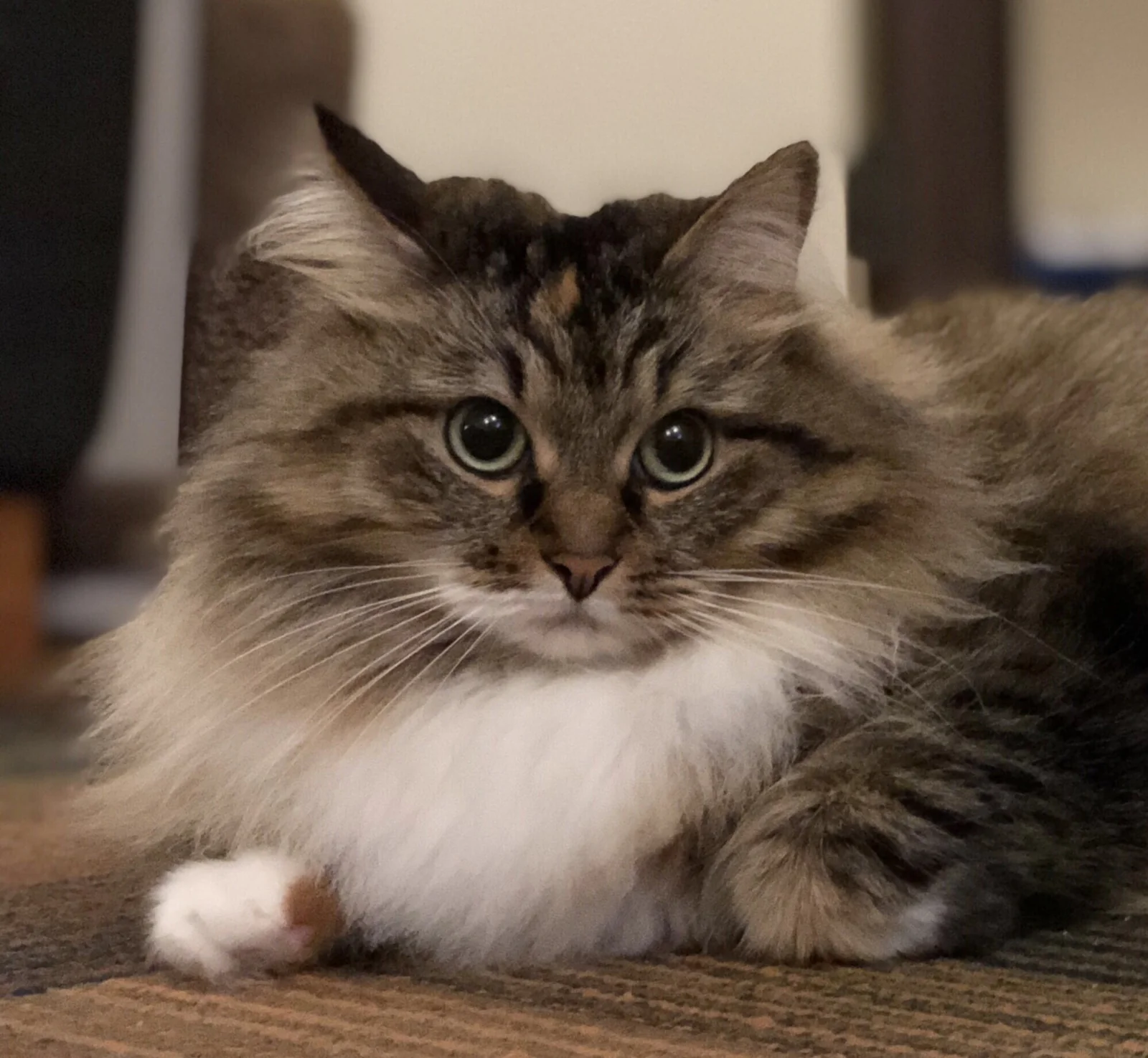
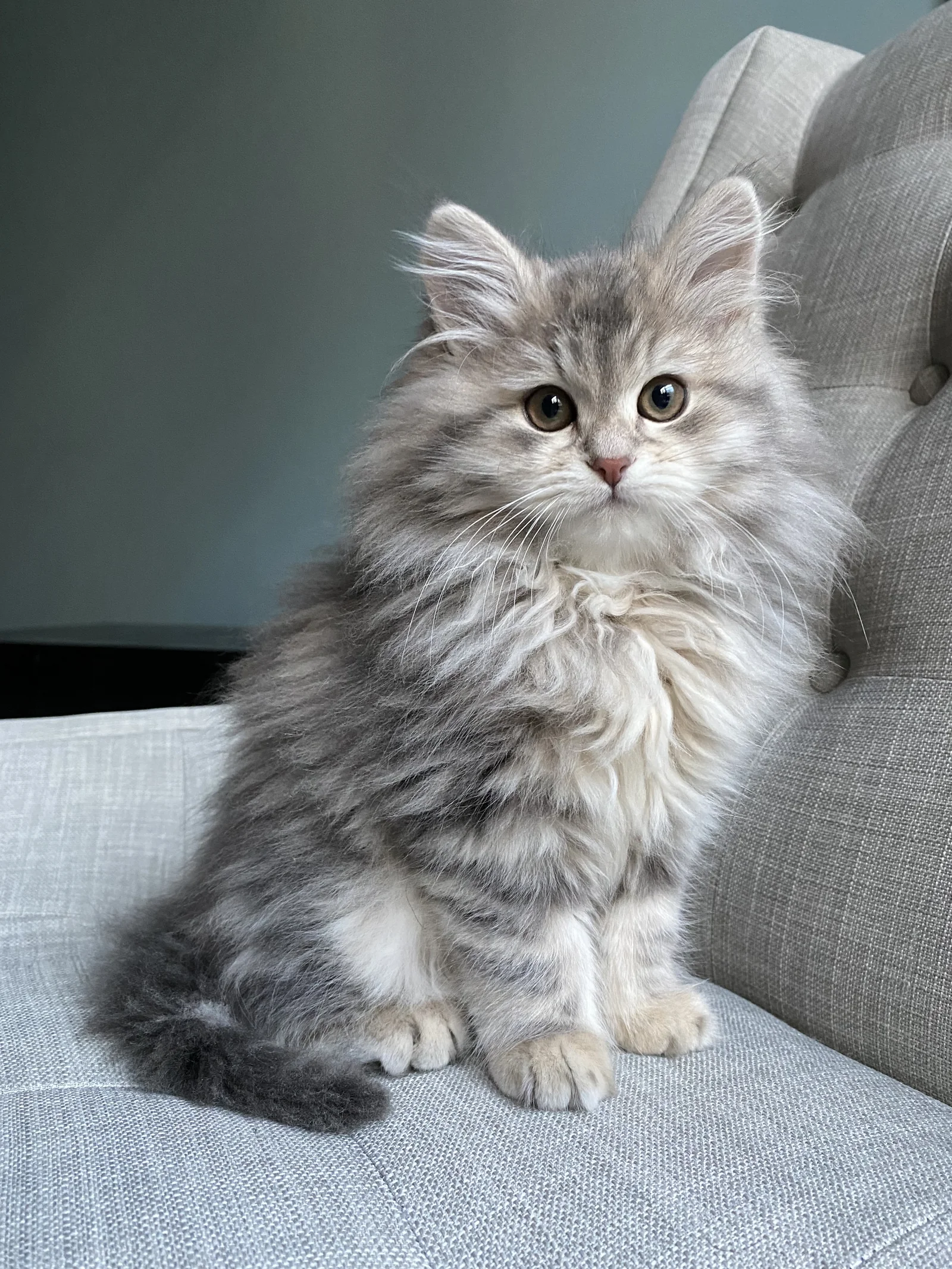
At a glance
- Size
- Large
- Weight
- 3.6 to 8.2 kg
- Lifespan
- 12 to 15 years
- Activity
- High
- Care needs
- Moderate
- Owner experience
- First cat with preparation
A big cat with a curious mind
Many Siberians are curious and like to stay near their people. An open cupboard or a suitcase may attract their attention. Secure anything they could knock over or swallow while exploring.
Their solid build does not stop them jumping. Many seek out high places and enjoy games with people. How an individual responds to visitors, children or other animals becomes clearer when you meet it. A cautious cat needs an undisturbed retreat and time to choose when to approach.
Safe climbing and daily play
Cat trees and wall shelves must support an adult cat even when it jumps. Choose broad resting areas and several easily reached levels so it can climb down safely. Keep landing areas clear and secure windows and balconies.
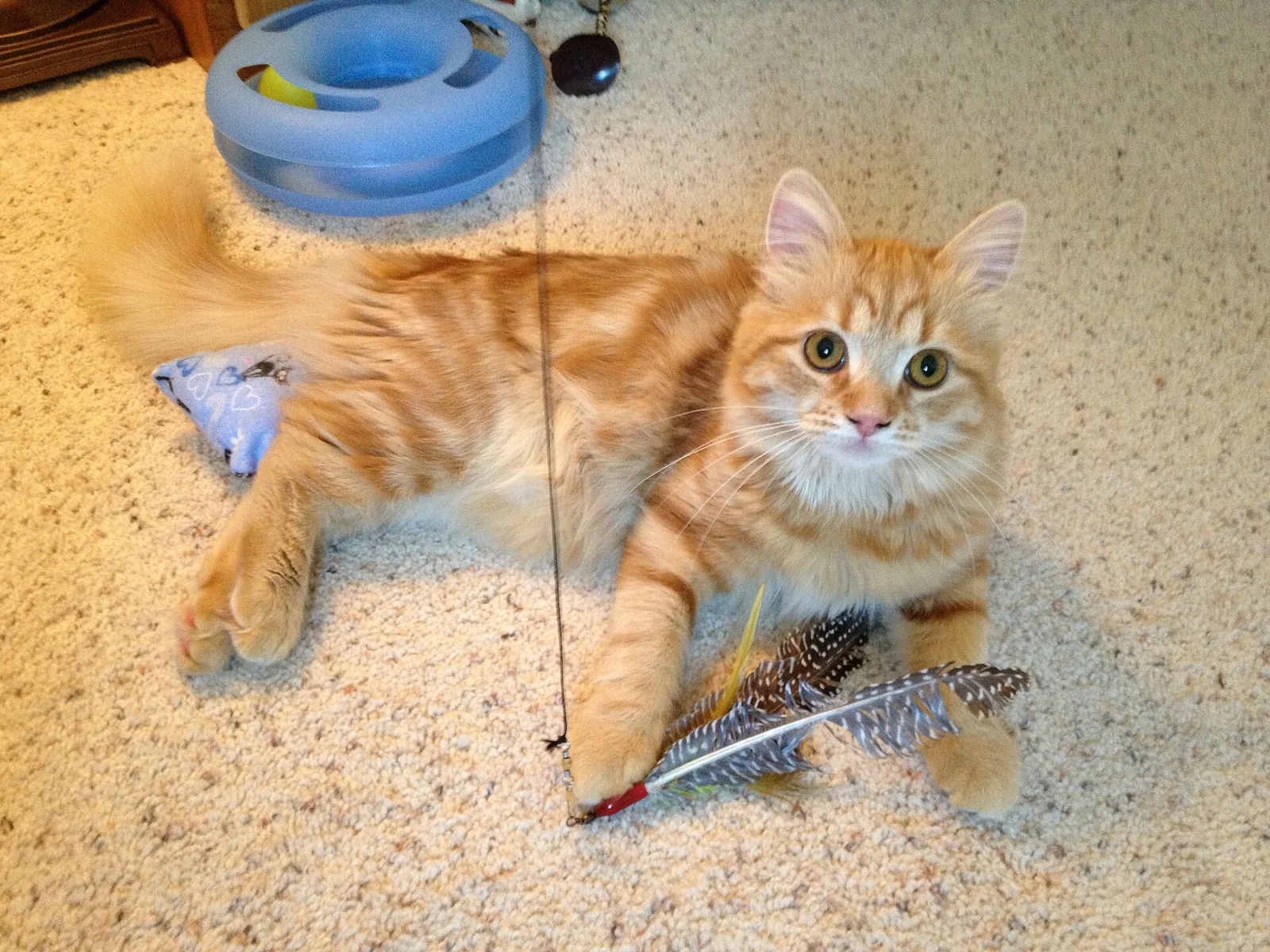
Make time for short games each day. A wand toy has a toy attached to a rod by a string. Move it along the floor, let the cat catch it regularly and put the wand away afterwards. For a search game, hide pieces from the usual food portion in easy-to-reach places. Adjust the game to what your cat enjoys and can do comfortably.
For practical play, food searches and quiet retreats, read Indoor Cat Enrichment: Play, Food Puzzles and Safe Retreats ↗
Combing a dense coat
The coat has a dense undercoat, longer intermediate hairs and protective outer hairs. It grows fuller in winter and is usually shorter and less dense in summer. Comb gently through the layers several times a week. Daily combing may be needed during heavy shedding.
Check the belly and behind the front legs for knots. Do not pull at tight mats or cut close to the skin with scissors. Ask a veterinary team to remove firm mats. They can also assess whether your cat needs medication to help it stay calm during the procedure.
Powerful build, slow maturity
The Siberian is medium to large with a broad, muscular body. Rounded contours, strong legs, large paws and a bushy tail give it a substantial outline. The head is broad with a rounded muzzle and medium-sized ears that are well furnished with hair.
The US Cat Fanciers’ Association lists roughly 3.6 to 5.4 kg for adult females and 5.4 to 8.2 kg for males. These are breed figures, not target weights. Each cat’s build and body condition need individual assessment. Development takes several years; The International Cat Association gives about five years for the body and coat to reach full maturity.
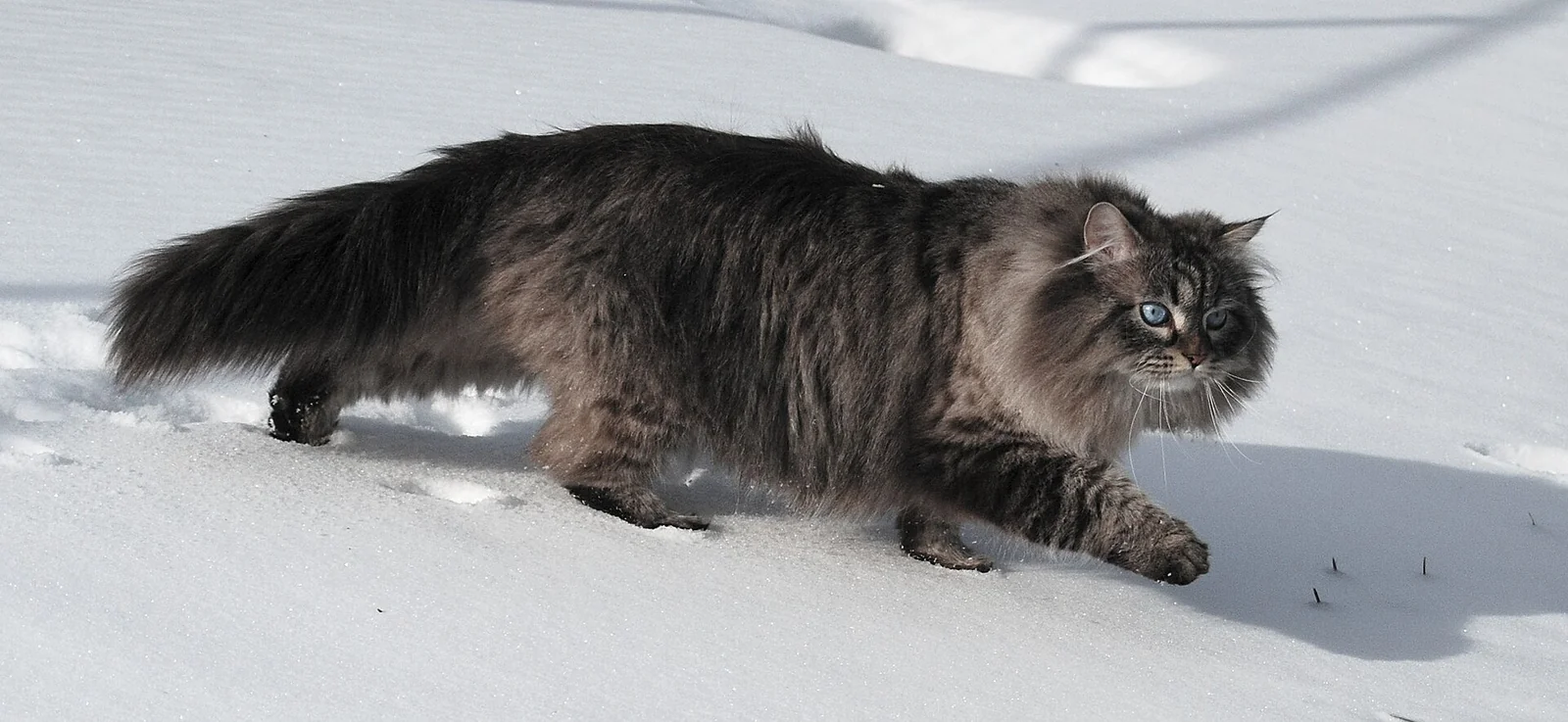
Darker colouring on the face, ears, legs and tail together with blue eyes is called the colourpoint pattern. In Siberians, this variety is also known as Neva Masquerade. The American CFA includes colourpoints within the Siberian breed. The international cat association FIFe has recognised the Neva Masquerade as a separate sister breed since 2011. The side-view photograph shows a colourpoint male.
Heart checks, DNA tests and allergies
Hypertrophic cardiomyopathy, or HCM, also occurs in Siberians. This disease thickens the heart muscle. Before buying a kitten, ask for both parents’ heart ultrasound reports and the dates of examination. A clear scan describes the heart at that time and is not a lifelong guarantee.
Another test checks for inherited pyruvate kinase deficiency, or PK deficiency. When this enzyme does not work well enough, red blood cells break down too soon and anaemia can develop. A DNA test detects the known disease-causing variant. Cats with one copy do not develop PK deficiency from this variant, but can pass it on. Two copies cause disease, although the test cannot predict its severity. Ask for both parents’ results and have them explained. This test does not replace a heart ultrasound.
If you have a cat allergy, do not rely on a breed being advertised as hypoallergenic. The term usually suggests a lower chance of symptoms. Siberians still produce proteins that can trigger an allergy. Discuss an existing allergy with a doctor before getting a cat rather than judging suitability by coat length or breed name.
Could this breed fit your life?
Could work well if …
- You want a large, active cat and can provide strong climbing places.
- You can make time for regular combing, especially during seasonal shedding.
Before you bring one home
- You need certainty that a cat will not trigger your allergy.
- You cannot provide stable climbing places and safe retreats.
Meet other cat breeds.
Selected by size, activity, care and play needs.
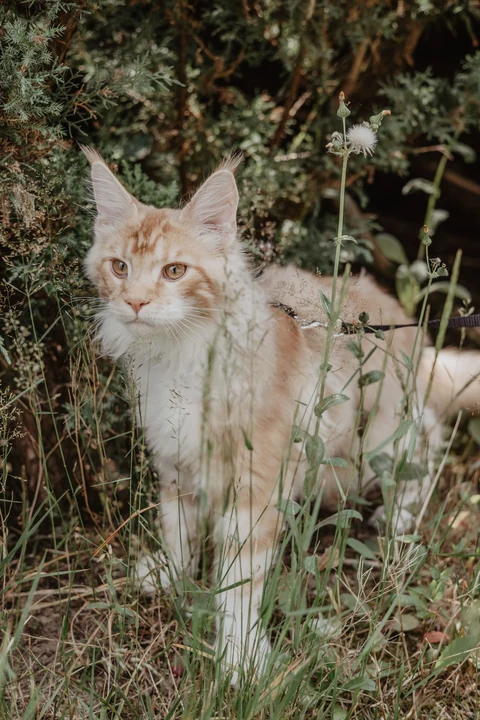
Semi-longhair cat · United States
Maine Coon
The Maine Coon pairs a long, powerful frame with a full coat and bushy tail. Many stay playful and like to keep their people in sight around the home.
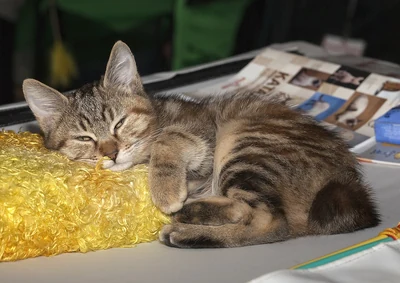
Shorthair and semi-longhair · Kuril region
Kurilian Bobtail
The Kurilian Bobtail is a strong cat with a short tail often resembling a pompom. The breed comes from the Kuril region and has shorthaired and semi-longhaired forms. Many cats are curious and playful and enjoy being close to their people. Safe climbing places, shared games and care suited to the coat length matter in everyday life.
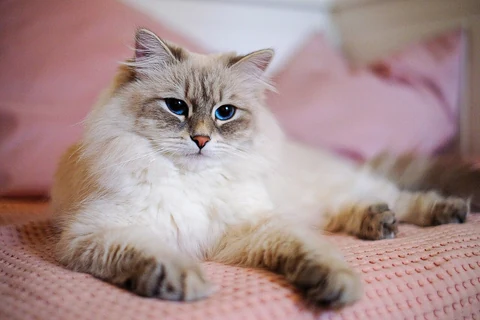
Semilonghaired cat · Russia
Neva Masquerade
Blue eyes, a paler body and darker markings give the Neva Masquerade her distinctive expression. This sister breed of the Siberian combines a substantial body with curiosity and an enjoyment of company. Her dense coat needs dependable grooming, especially when she sheds her winter undercoat.
Sources and photograph credit
- Tips for grooming long-haired cats
Used in this profile for: Day-to-day care
- Cats and play
Used in this profile for: Everyday life
- Cats and allergies
Used in this profile for: Health
- Siberian
Used in this profile for: Size / Weight, Temperament, Powerful build, slow maturity, Could this breed fit your life?
- Hypertrophic Cardiomyopathy
Used in this profile for: Health
- How to Feed a Cat: Addressing Behavioral Needs
Used in this profile for: Everyday life
- Neva Masquerade
Used in this profile for: Powerful build, slow maturity
- Siberian
Used in this profile for: Temperament, Everyday life, Day-to-day care, Powerful build, slow maturity, Health, Lifespan, Could this breed fit your life?
- Siberian
Used in this profile for: Day-to-day care, Powerful build, slow maturity
- Erythrocyte Pyruvate Kinase Deficiency
Used in this profile for: Health
Photo credits
Portrait · Toby- Female Siberian cat · Lilllio · CC BY-SA 4.0 · Edited

Side view · Bugsy outside4 · Jan Warner · CC BY-SA 3.0 · Edited

In action · Lenny with Da Bird · Reiny79 · CC BY-SA 3.0 · Edited

Kitten · 3-month-old female Siberian kitten · Sonneriee · CC BY-SA 4.0 · Edited
