 fellfolio
Pet knowledge
Indoor Cat Enrichment: Play, Food Puzzles and Safe Retreats
An indoor cat spends much of the day in familiar rooms. They need places to watch, climb and retreat, as well as chances to stalk and catch toys. You do not have to rearrange the home every day. A secure window perch, a hiding place your cat can reach whenever they want and brief games together give them choices. You can offer part of their usual daily food as a simple search task. That food comes from their normal allowance, and your cat decides when they want to join in a game.
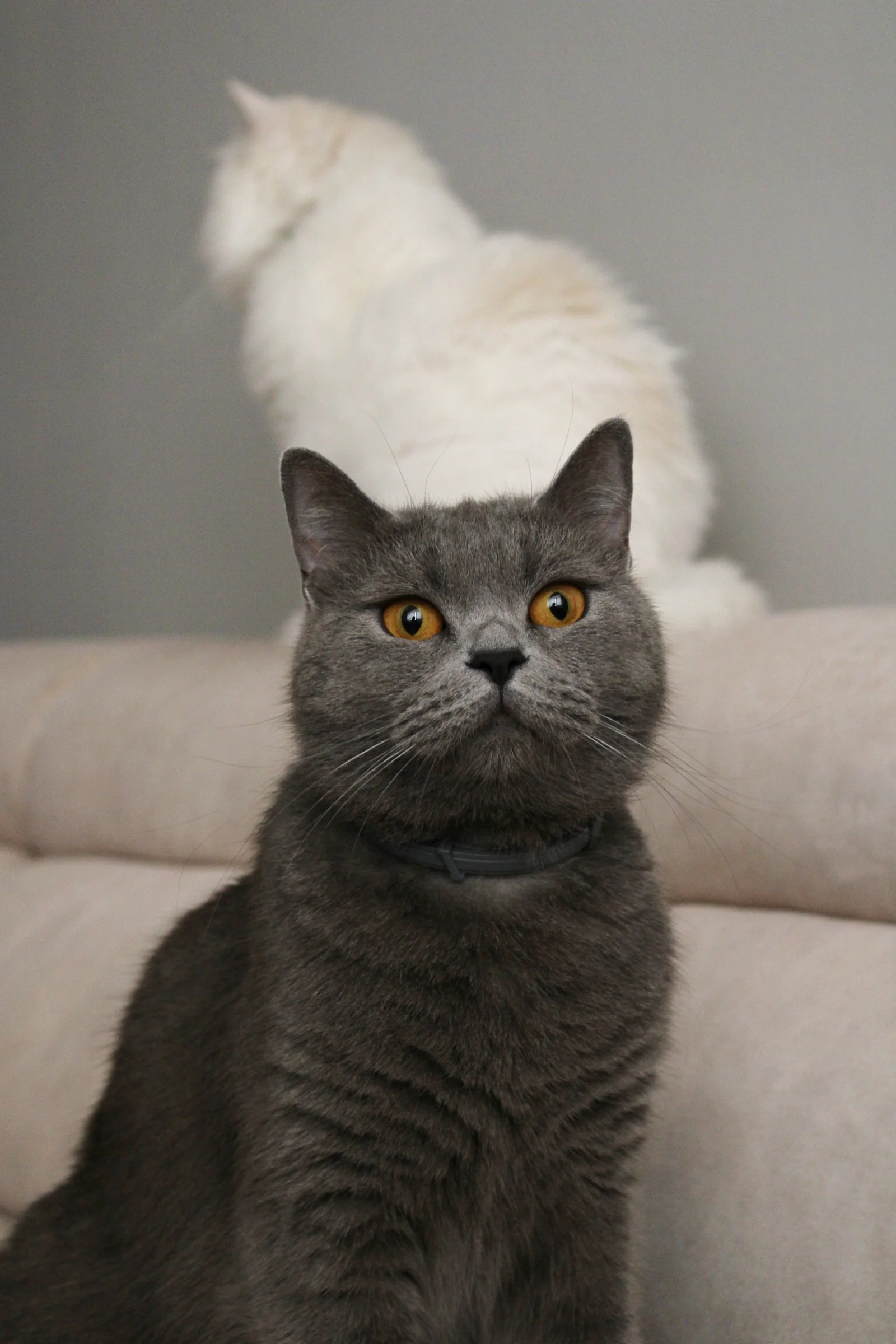
Give the cat routes and choices, not just floor space
Look at the home from your cat's point of view. A sturdy scratching place should be easy to reach. A secure shelf or stable cat tree offers a high vantage point; a covered bed, a box on its side or a quiet room offers somewhere to withdraw. These places serve different purposes. A cat trying to sleep undisturbed does not need another ball beside their bed. Your cat needs a way out of the bustle.
Keep food, water and the litter tray apart. Even one cat benefits from a choice of sleeping places and routes through the home. Shelves must be securely fixed before they become climbing routes. A window perch can add interest when the window is secured against falls. Do not pull a cat out of hiding to start a game.
A cat that used to go outside regularly may struggle with a move to an indoor life. If your cat becomes noticeably unsettled, ask a vet to check for health problems and discuss a secure outdoor space or a slower transition with a qualified cat behaviour professional.
Sources for this section: Katzenhaltung: Die wichtigsten Tipps · Deutscher Tierschutzbund, Our Guide to Indoor Cats · Cats Protection, AAFP and ISFM Feline Environmental Needs Guidelines · Journal of Feline Medicine and Surgery / AAFP / ISFM
Let your cat catch the toy during play
A wand toy works better when its attachment does not wave constantly in front of the cat's face. Move it behind a chair, let it dart briefly along the floor, then pause. That resembles small prey and gives the cat time to stalk. Let your cat catch and hold it regularly. The chase should not always end with an unreachable feather.
Alternate movement, stillness and a catchable finish. Several short games across the day often fit better than one long session. There is no single number of minutes that suits every cat.
An older cat or one with limited mobility may enjoy watching from a resting place, reaching with a paw or following a slowly moving toy. At other times, roll a suitable ball or offer an empty cardboard box to explore. Rotate toys when they lose their appeal instead of leaving every toy out all the time. Keep hands and feet out of games; a wand gives claws a target away from skin.
Sources for this section: Katzenhaltung: Die wichtigsten Tipps · Deutscher Tierschutzbund, Cats and Play · Cats Protection, AAFP and ISFM Feline Environmental Needs Guidelines · Journal of Feline Medicine and Surgery / AAFP / ISFM
Turn part of a meal into a search task
A puzzle feeder is a feeding toy with small hollows or obstacles. The cat licks food from the hollows or uses a paw to retrieve it. Start simply: put a few pieces of your cat's usual dry food where they can see them in the hollows of an easy-to-clean puzzle feeder. Once your cat takes them out, you can hide individual pieces in other safe spots around the room.
If your cat eats only wet food, start with a stationary puzzle feeder designed for wet food and easy to clean. Put a small portion in it, clear away leftovers after the meal and wash the feeder. Take every puzzle portion from your cat's measured daily allowance. They are not extras on top of a full bowl. If you use treats, count those towards the daily food allowance as well.
If your cat ignores the new feeder, make the task easier and continue to offer their usual meal. Wet food still needs to stay fresh; do not leave it in homemade hiding places for long periods.
Ask your vet about amounts and suitable rewards if your cat has a prescribed diet or weight concerns. Food puzzles add to play with you. Fresh water and a quiet feeding place must still be available.
Sources for this section: Katzen richtig ernähren · Deutscher Tierschutzbund, Feeding Your Cat · Cats Protection, Our Guide to Indoor Cats · Cats Protection, AAFP and ISFM Feline Environmental Needs Guidelines · Journal of Feline Medicine and Surgery / AAFP / ISFM, How to Feed a Cat: Addressing Behavioral Needs · Feline Veterinary Medical Association
A workable day at home
After getting up, move a wand toy along the floor and let the cat catch it at the end of the game. Give your cat part of breakfast in the usual way, then place another small part in a simple puzzle feeder suited to their wet or dry food. While you work or leave the house, your cat can still reach a safe lookout spot, scratching surfaces and places to hide. Put away any wand toy with a string.
When you return, move a cardboard box to a new spot or bring out a different toy. In the evening, play together again and let your cat catch the toy. Follow with the next regular meal.
This is an example, not a timetable. Do not wake a cat that wants to sleep at midday. Another may want to chase a ball after dinner. Notice when your cat becomes alert on their own and offer games around those times. Reliable choices in the home matter more than a constant stream of new equipment.
Sources for this section: Katzenhaltung: Die wichtigsten Tipps · Deutscher Tierschutzbund, Cats and Play · Cats Protection, Our Guide to Indoor Cats · Cats Protection, Feeding Your Cat · Cats Protection, How to Feed a Cat: Addressing Behavioral Needs · Feline Veterinary Medical Association
More than one cat needs space and individual play
A second cat is not an automatic cure for boredom. Some cats seek out a familiar companion; others prefer distance. In a home with two cats, food, water, resting spots and scratching places should be available at separate locations.
Two bowls pressed together do not provide a real alternative if one cat blocks the route to them. The German Animal Welfare Federation advises one more litter tray than there are cats, so two cats need at least three trays in quiet, accessible locations.
Play with each cat individually as well, especially if one takes over every ball and wand game. During a shared game, a cat may choose to watch from a safe place rather than join in. Watch for silent staring, blocked routes or withdrawal from a feeding area. These may signal tension even when there is no hissing or fighting. If tension continues, ask a vet to check for possible health problems first, then seek advice from a qualified cat behaviour professional.
Sources for this section: Katzenhaltung: Die wichtigsten Tipps · Deutscher Tierschutzbund, Our Guide to Indoor Cats · Cats Protection, Feeding Your Cat · Cats Protection, AAFP and ISFM Feline Environmental Needs Guidelines · Journal of Feline Medicine and Surgery / AAFP / ISFM, 2024 AAFP Intercat Tension Guidelines: Recognition, Prevention, and Management · Feline Veterinary Medical Association (formerly AAFP)
Safety, individual limits and warning signs
Put wand toys, ribbons and long strings away after every game. A cat left alone with them can become tangled or swallow a loose part. Check toys often for damaged pieces and loose feathers. Even the best lookout spot needs a secure window. A balcony should be properly enclosed from top to bottom and used under supervision. Keep electrical wires, toxic plants and cleaning products out of reach too.
Enrichment does not mean keeping a cat busy without pause. End a game when your cat turns away, leaves or retreats. Adjust the pace and toy to their age, mobility and preferences.
If your cat suddenly eats much less, hides far more than usual, plays much less or changes their litter tray habits, do not assume they are merely bored. Arrange a veterinary check promptly. If they repeatedly enter the litter tray, strain and pass no urine, call a vet or emergency service immediately. This can mean the urethra is blocked, preventing urine from leaving the bladder, and can be life threatening.
Three steps are enough to begin: give your cat a safe place to retreat, offer opportunities for play with you each day, and turn a small portion of their usual food into an easy search task.
Sources for this section: Katzenhaltung: Die wichtigsten Tipps · Deutscher Tierschutzbund, Cats and Play · Cats Protection, Our Guide to Indoor Cats · Cats Protection, Feeding Your Cat · Cats Protection, Spotting Signs of Cat Stress · Cats Protection, Urinary Problems in Cats · Cats Protection
Cat breeds and their needs
Our breed profiles explain activity, care and health. Adapt the routine in this guide to the individual cat.