 fellfolio
Shorthair and semilonghair · Great Britain
Burmilla
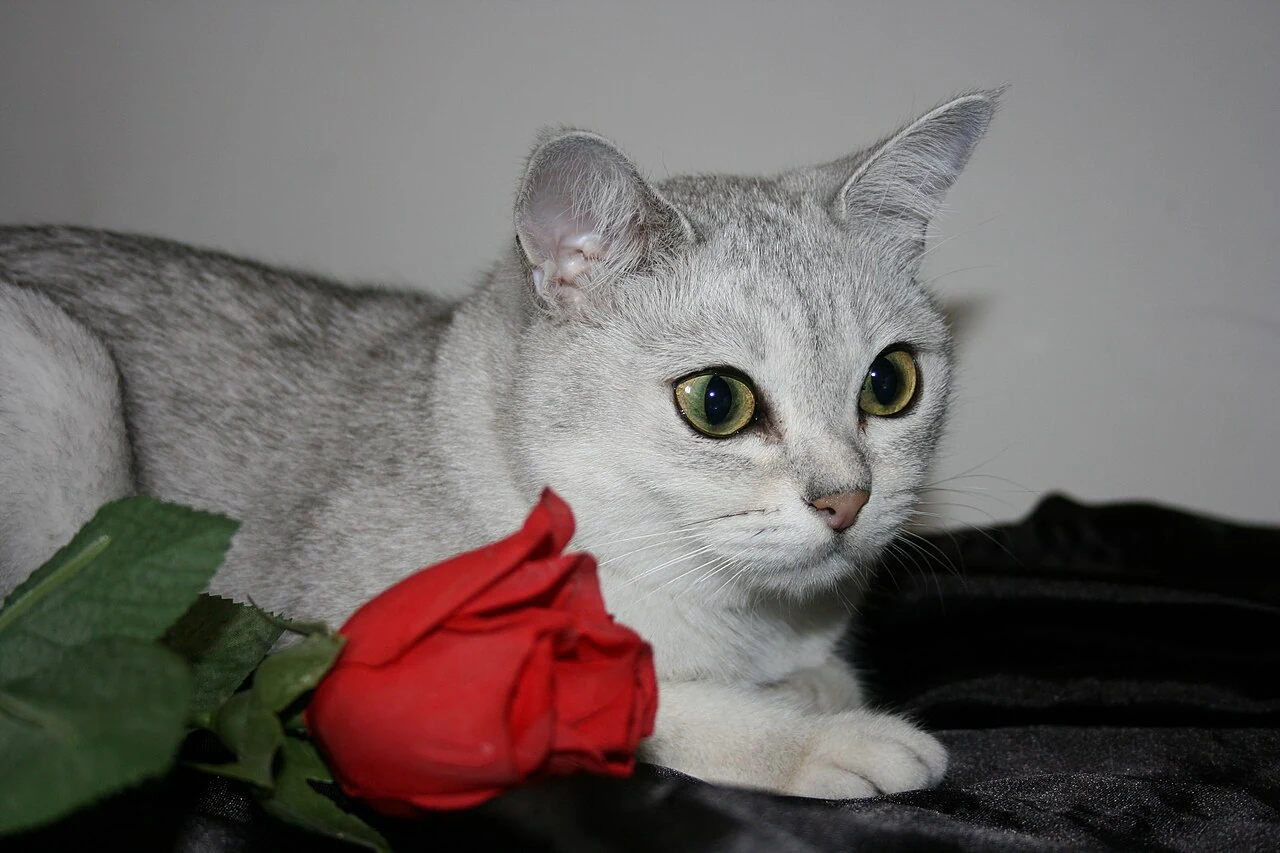
Pale hair roots and darker tips give the Burmilla her characteristic shimmer. Many Burmillas seek human company, readily join a game and enjoy a quiet break afterwards. Preparing for one should include companionship and activities, together with documented health screening in the breeding line.
At a glance
- Size
- Medium
- Activity
- Moderate
- Care needs
- Moderate
- Enrichment
- Play at their own pace
- Owner experience
- First cat with preparation
Enjoying company and making her own discoveries
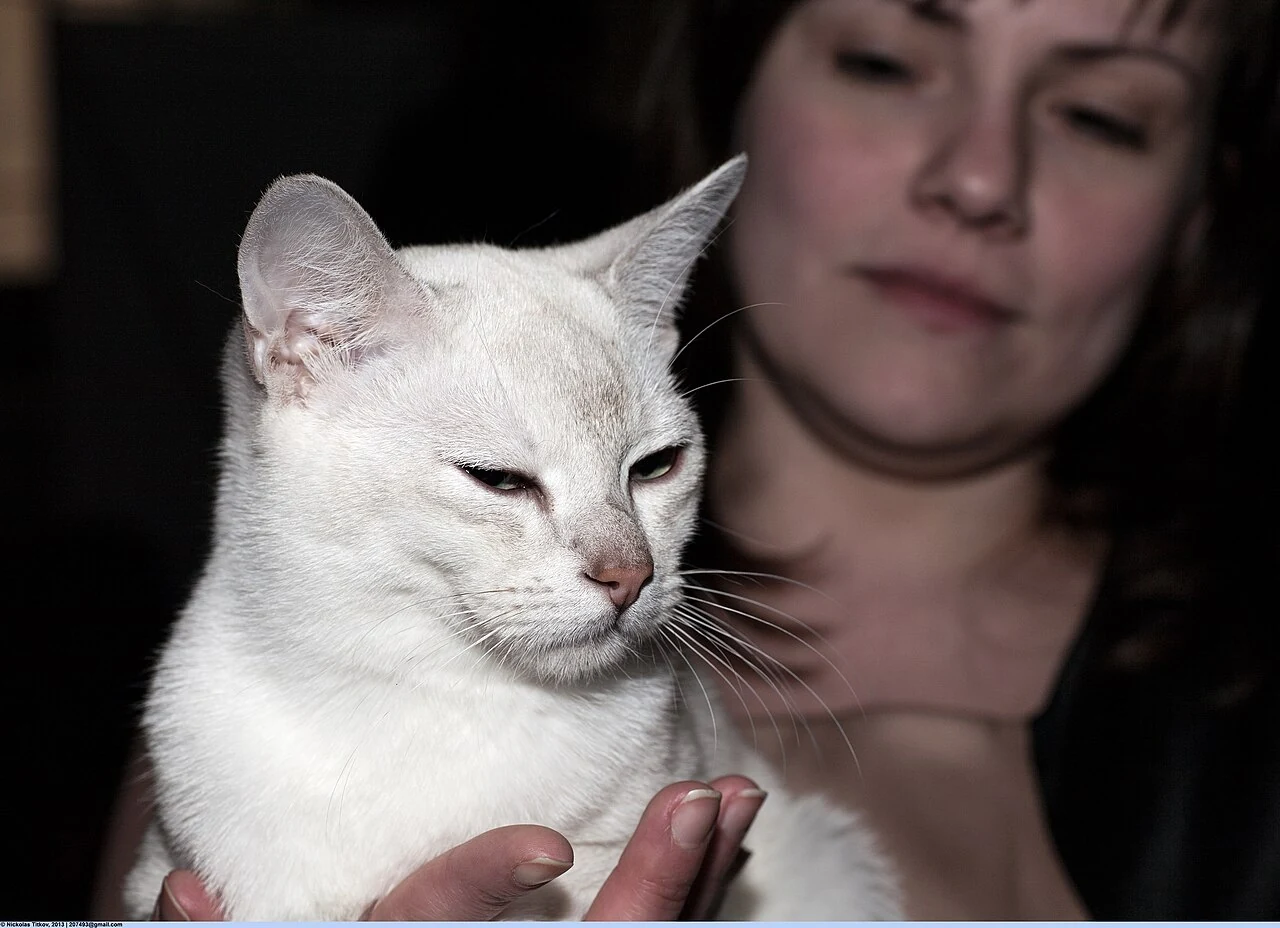
A Burmilla may eagerly join a game, then settle down close to her people. The Cat Fanciers’ Association (CFA), an American cat association, describes an affectionate, playful cat with a degree of independence. That combination brings variety to everyday life. Not every invitation arrives at the right moment, and even a sociable cat should be able to retreat.
For many owners, the balance between closeness and independence is appealing. A place beside the desk lets the cat join you without being put on your lap. Interest in a toy can become a short shared game. If she turns away or prefers doing something alone, you should let her make that choice.
Before joining a household with other animals, her previous experiences are worth discussing. Has she lived with other cats, and how does she respond to energetic play? A newcomer should initially have a separate area. Further stages of introduction should follow once she feels secure there. Children should learn to respect hiding places and offer a game rather than holding the cat still.
Games and relaxing favourite places
A Burmilla should be able to choose between activity and rest. A sturdy scratching place, a raised lookout and several sheltered sleeping spots provide a good foundation. An adult cat can still enjoy a fresh box or a different game. You should watch which activities she actually chooses rather than continually buying new things.
A wand attachment can move along the floor and briefly disappear behind furniture. The cat can wait, stalk and pounce when it reappears. She should regularly succeed in catching it. A small food puzzle offers a quieter addition. Initially, a few pieces of familiar food should be easy to reach. That amount should be taken from the daily allowance so games and food planning fit together.
Care during longer absences should involve more than filling bowls. The person looking after her should also check that she eats normally, uses the litter tray and behaves as usual. In a household with several cats, each needs their own or sufficiently separate essential places. Feeding spots, litter trays and retreats should be distributed so one cat does not constantly encounter the other on the way to them.
For practical play, food searches and quiet retreats, read Indoor Cat Enrichment: Play, Food Puzzles and Safe Retreats ↗
Pale hair roots and darker tips
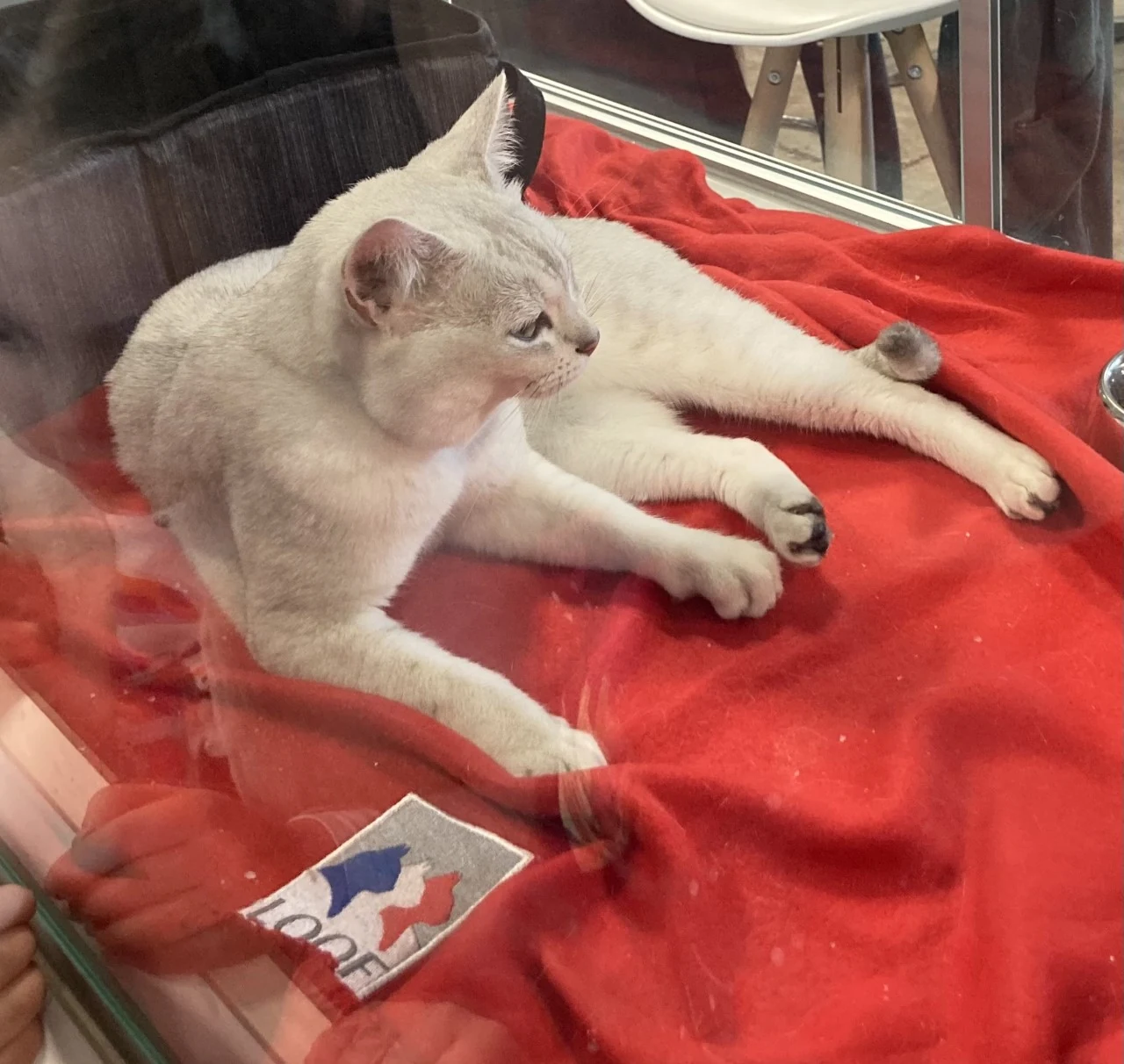
In the characteristic Burmilla coat, the base of each hair is pale while the tip is darker. Depending on how much of the hair is coloured, the cat appears delicately silver or more strongly shaded. Dark outlines around the eyes are another familiar feature.
Coat length is classified differently by cat associations. The international cat federation FIFe describes a shorthaired Burmilla, while CFA also recognises a longer coated variety. In the British Asian group, the semilonghaired variety is called Tiffanie. When choosing a cat, you should therefore be clear about the coat variety and registration being discussed.
Gentle brushing roughly once a week suits the shorthaired variety. Longer fur should also be checked carefully for tangles and may need more frequent grooming. Tight mats need professional help because pulling or cutting can injure the skin. An older cat who grooms less thoroughly should receive additional support. You should also have possible pain or illness investigated as the underlying cause.
A British breed from Burmese and Persian cats
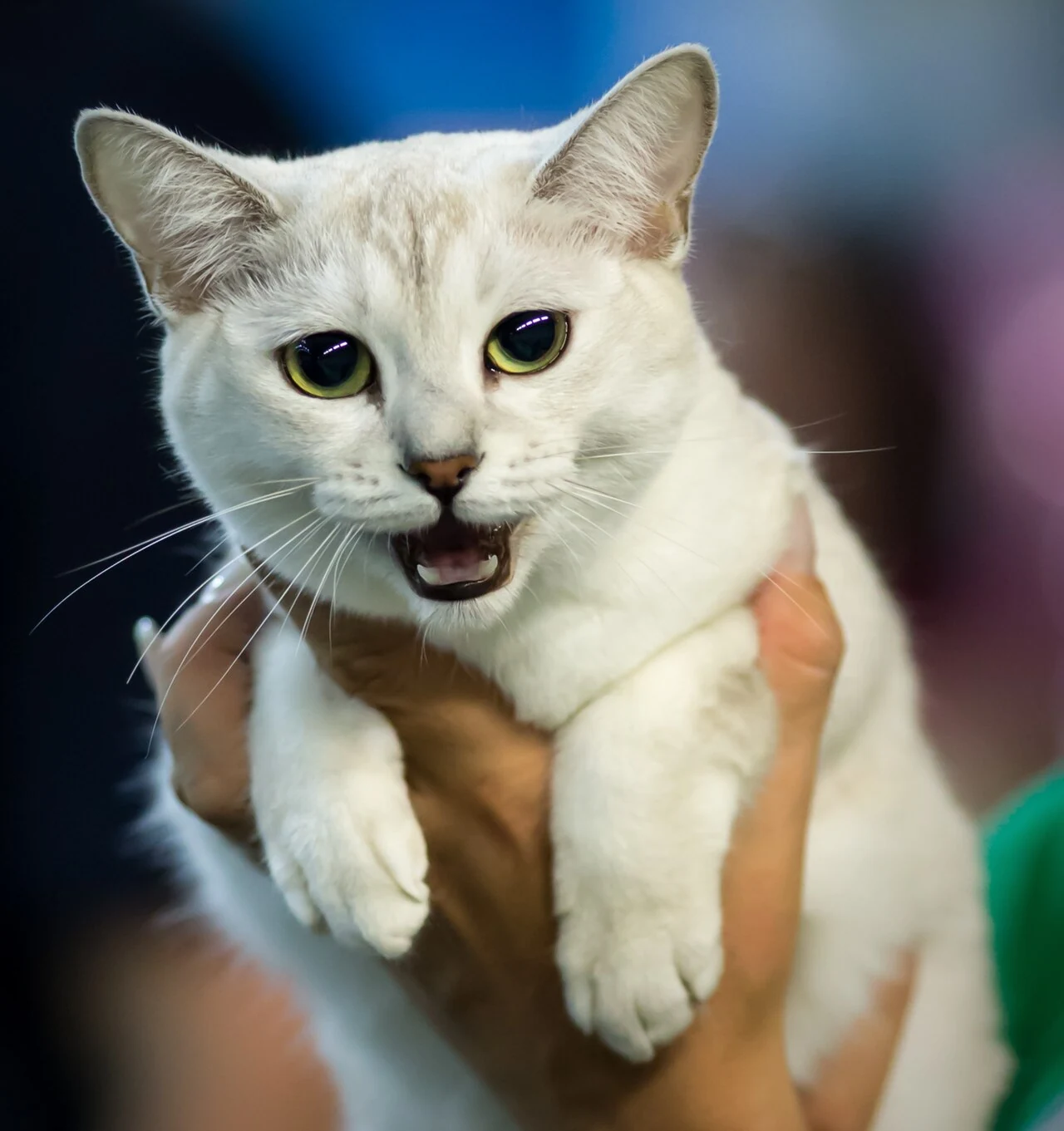
The Burmilla originated in Britain in 1981 from a Burmese female and a Persian male with chinchilla colouring. Here, chinchilla describes a coat colour with very pale hairs and darker tips. The name Burmilla also combines Burmese and chinchilla. Further breeding from the first kittens established a separate breed, recognised by FIFe in 1995.
The standard describes a medium sized cat with good muscle and an elegant body. The face has a gentle break in the nose profile, relatively broad ears and expressive eyes. The hair tips can carry various colours. The breed's appearance combines a balanced body with its characteristic pattern.
When meeting a kitten, you should learn about everyday experiences as well as appearance. Early grooming, contact with people and familiarity with household sounds help you prepare for arrival. An adult cat's habits often provide even more specific guidance. An older cat may continue enjoying games when they become shorter and easier. Non-slip intermediate steps to favourite resting places can help when high jumps become harder.
Kidney health and inherited muscle weakness
Two inherited conditions with suitable DNA tests should be discussed for the Burmilla. The first is a form of kidney disease called PKD. Fluid filled spaces, called cysts, develop within the kidneys. As they grow, they can displace healthy tissue and impair kidney function. The Veterinary Genetics Laboratory at the University of California, Davis explicitly lists the Burmilla among breeds suitable for testing for the known PKD1 variant.
Burmese hypokalemia is another breeding consideration. With this inherited condition, blood potassium can fall too low during episodes. Muscle weakness may result, such as difficulty walking or holding the head properly. The name comes from the Burmese cat, but the relevant DNA test is also suitable for Burmillas. A cat can carry the genetic change without developing this form of the condition and still pass it on.
Before taking home a kitten, you should have the relevant results in the parents explained. The tests check particular inherited changes. A PKD1 result does not predict how severely an affected cat will become ill. An ultrasound can help the veterinary team look for cysts in the kidneys and plan further assessment of kidney function. Increased drinking, weight loss or unusual muscle weakness should be investigated by a veterinarian. You should not add potassium supplements on your own. Fellfolio can keep results and veterinary recommendations together with observations and appointments.
Would a Burmilla suit your life?
Could work well if …
- You enjoy a cat who appreciates company while also having her own preferences and quiet periods.
- You can offer shared games and provide scratching places, lookouts and sheltered resting spots at home.
- You want to understand documented breeding health tests and plan dependable grooming and routine care.
May be less suitable if …
- For a kitten, you should discuss documented results for PKD1 and inherited Burmese hypokalemia.
- With a longer coated Burmilla, you should clarify the extra grooming needs and terminology used by the relevant cat association.
- A new cat should be introduced gradually. Play preferences and past experiences help when choosing a compatible companion.
Meet other cat breeds.
Selected by size, activity, care and play needs.
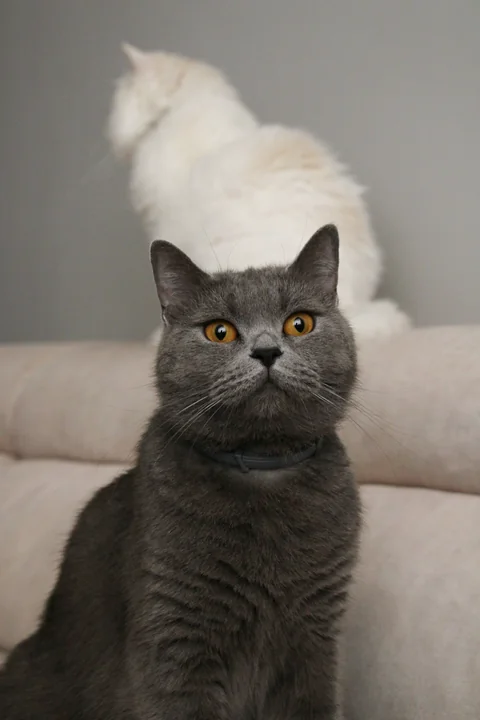
Shorthair cat · Great Britain
British Shorthair
A round face, a dense coat and a generally quiet temperament. British Shorthairs enjoy company but often prefer sitting beside their owners to curling up on a lap.
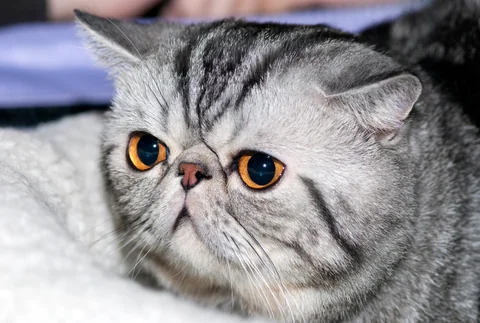
Shorthair · Persian group
Exotic Shorthair
The Exotic Shorthair has a Persian-like sturdy body and a short plush coat. Many seek company and enjoy short play sessions.
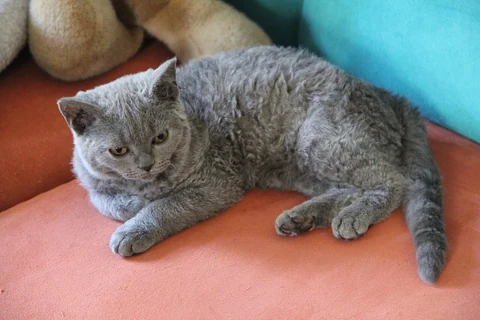
Rex cat · USA
Selkirk Rex
The Selkirk Rex stands out for its dense, curly coat, which comes in short and longer forms. Many are relaxed, affectionate cats who also enjoy playing. Grooming needs depend particularly on how long and dense the coat is.
Sources and photograph credit
- Asian group breed profile
Used in this profile for: Day-to-day care
- Asian breeding policy, genetic health sections
Used in this profile for: Health
- Burmilla breed profile
Used in this profile for: Temperament, Everyday life, Day-to-day care, Size and build, Could this breed fit your life?
- Burmilla breed profile
Used in this profile for: Temperament, Size and build
- Burmilla breed standard
Used in this profile for: Day-to-day care, Size and build
- Indoor cats
Used in this profile for: Everyday life, Could this breed fit your life?
- Tips for grooming longhaired cats
Used in this profile for: Day-to-day care
- Cats and play
Used in this profile for: Everyday life
- Polycystic Kidney Disease
Used in this profile for: Health
- Loving Care for Older Cats
Used in this profile for: Day-to-day care, Size and build
- Introducing your new cat to other cats in your home
Used in this profile for: Temperament, Everyday life, Could this breed fit your life?
- How to keep your cat healthy and happy
Used in this profile for: Everyday life
- Burmese Hypokalemia
Used in this profile for: Health
- Polycystic Kidney Disease, PKD1
Used in this profile for: Health
Photo credits
Portrait · Sheila Bormann, Bumillas of Chattahoochee · CC BY-SA 3.0 de

Everyday life · Thomon · CC BY-SA 4.0

Portrait · Nickolas Titkov · CC BY-SA 2.0
.jpg)
Coat and features · Heikki Siltala · CC BY 3.0
_-_BML_ns_11_31.JPG)