fellfolio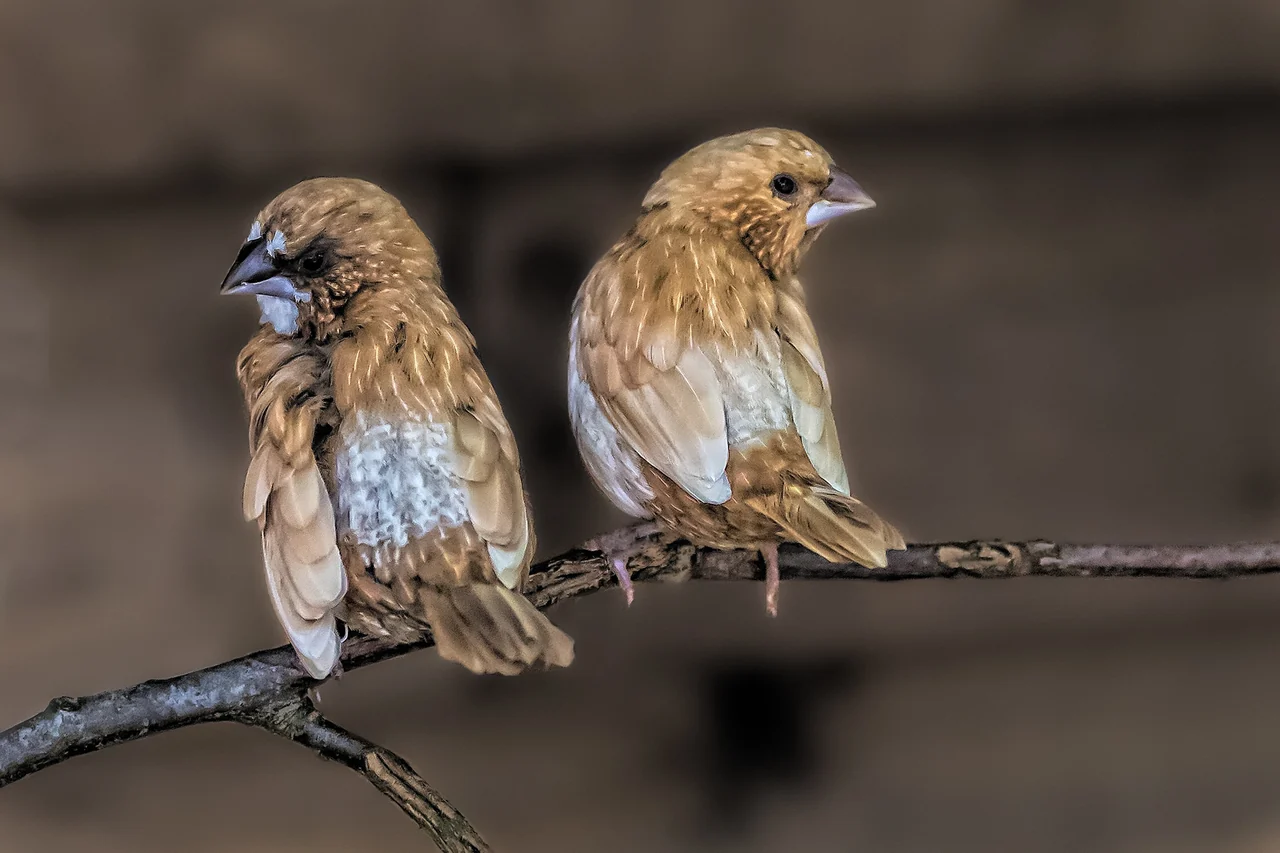
A domestic member of the finch family
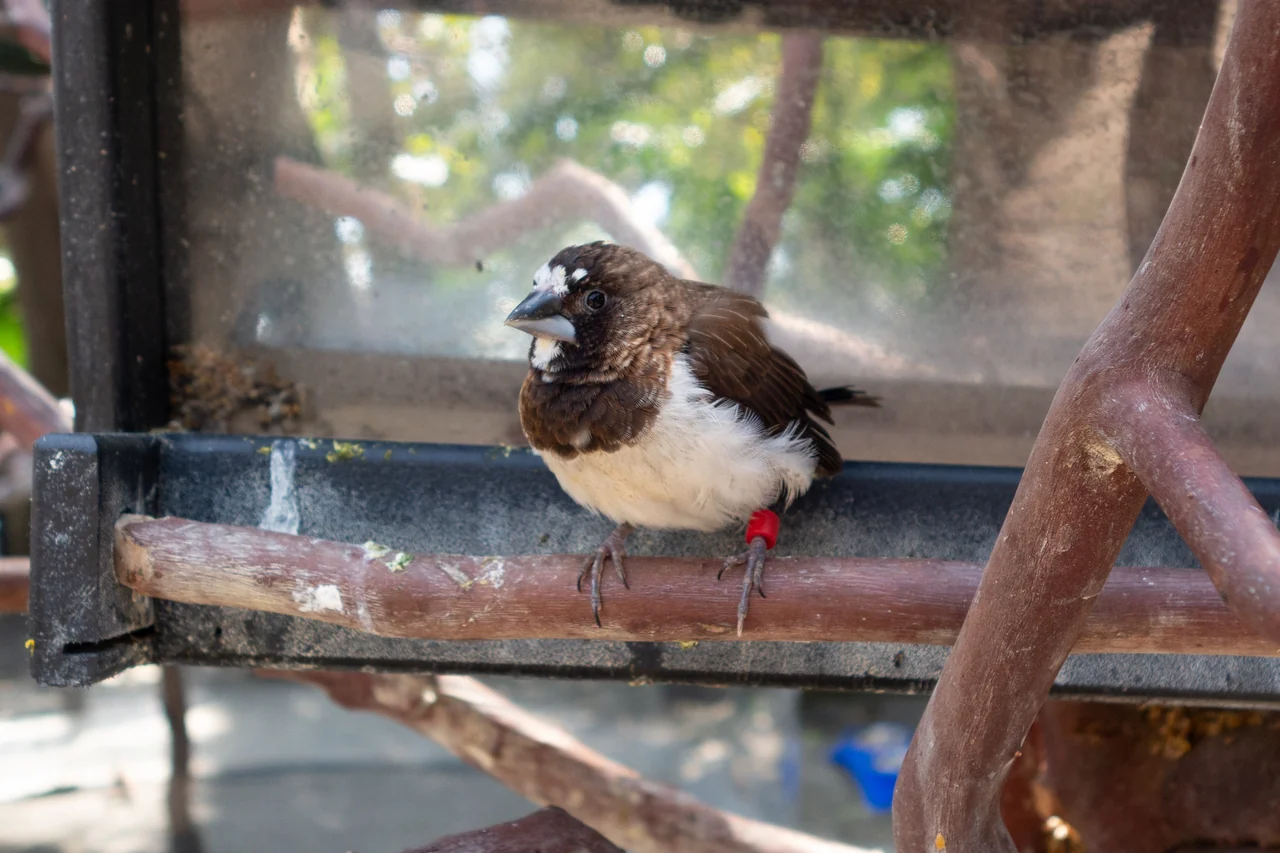
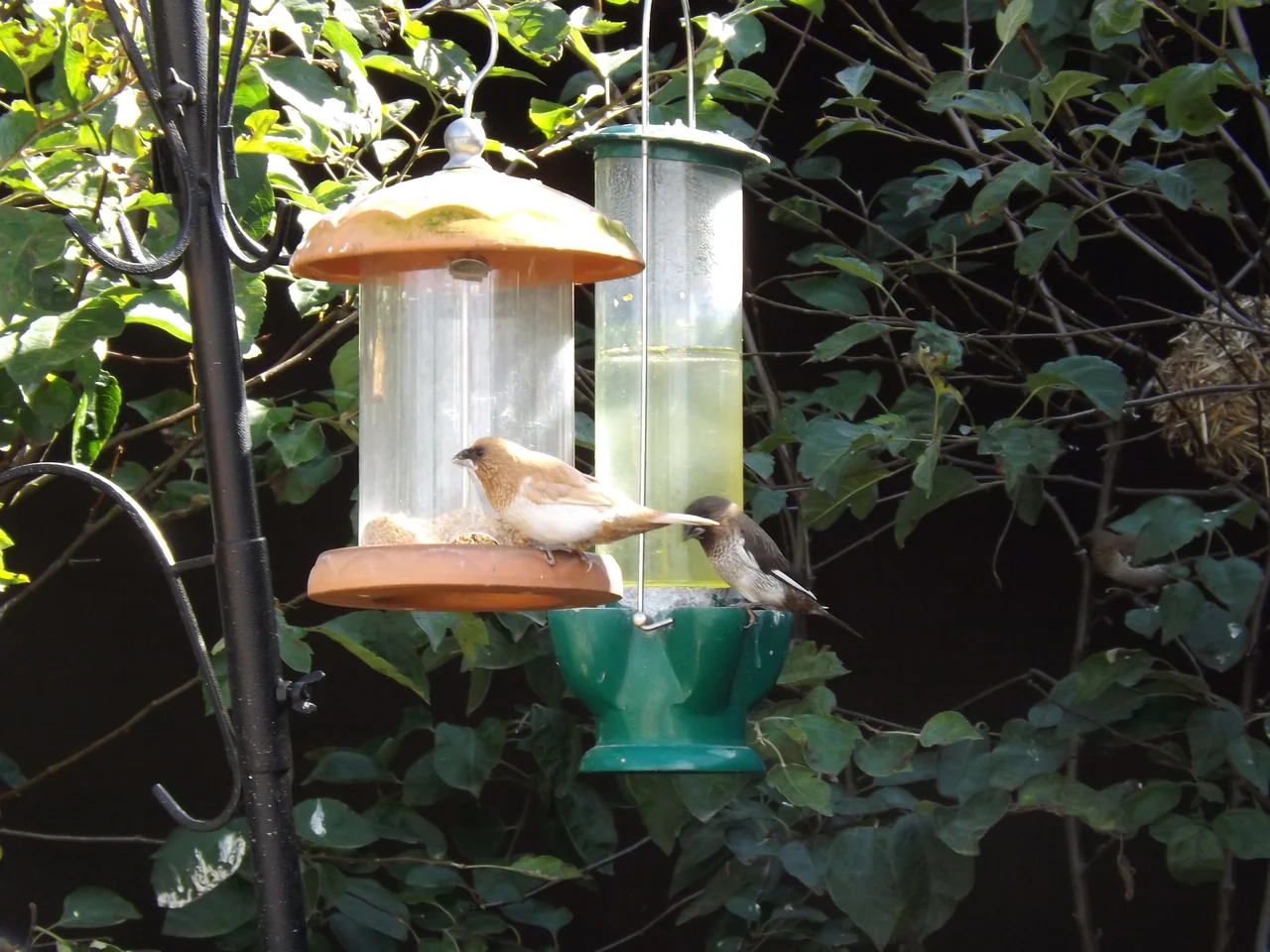
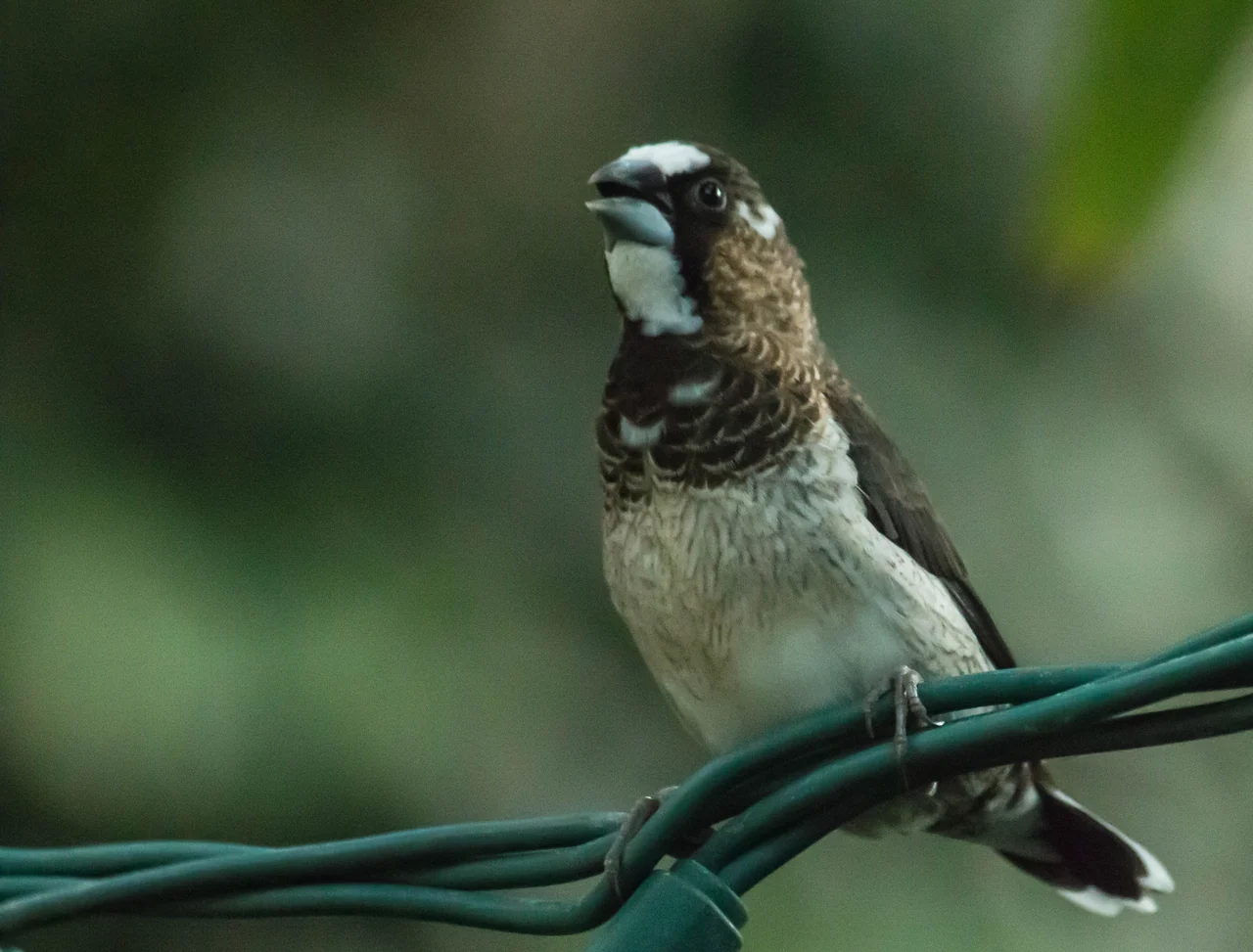
The society finch, also known as the Bengalese finch, is a domestic form of the white-rumped munia, Lonchura striata. Its usual scientific name is Lonchura striata domestica. It belongs to the small songbirds known as estrildid finches, the family that also includes zebra finches.
Society finches are roughly 11 to 13.5 centimetres long. Their feathers can have different combinations of brown and white. Plumage colour alone does not reliably distinguish males from females. If breeding is not planned, an experienced keeper or a vet experienced in treating birds can help establish the composition of the group.
Read more: Zebra finch care: companionship, flight and feeding
Plan their company from the start
Society finches seek close contact with their own kind. At least two birds that already get along make a sensible starting point. An established group can also work well when the enclosure has enough flying room, resting places and food stations for everyone. Compatible birds of the same sex can live together. Human attention does not offer a lone finch the same relationship.
A new bird should be examined and initially housed separately under a veterinary plan. This quarantine helps prevent unnoticed infections reaching the flock. Contact can then be introduced gradually. During introductions, no bird should be continually chased or kept away from food. A prepared second enclosure allows safe separation when needed.
For a first home, a group of the same kind is easier to manage than a mixed aviary. Simply adding society finches to other finches or parakeets can lead to conflict. Beak strength, behaviour and care needs differ between potential companions. Breeding can also change how birds get along.
Room to fly, rather than just hop
An aviary is a spacious bird enclosure. For society finches, length is especially useful, allowing several wingbeats between perches at opposite ends. The middle should remain largely clear. Many closely spaced perches take away flying room and encourage hopping instead.
The size needs to suit the whole group. As well as roomy accommodation, plan safe time outside it or access to a larger flight area. If the proposed room offers no safe flying route, the housing arrangement should be reconsidered before the birds arrive. The bird-room guide explains windows, landing places and flight routines in more detail.
Natural branches of different thicknesses let the feet grip in different ways. Bowls should not sit beneath a favourite perch. Several feeding points make it easier for all the birds to eat. Mesh spacing and doors need to prevent these small birds from slipping through or getting their heads caught.
Read more: Setting up a bird room: safe flight and good landing places
A quiet position and clean air
The enclosure should be in a bright, sheltered position away from busy walkways and draughts. The birds need a predictable cycle of daylight and darkness, with undisturbed rest at night. Indoor birds benefit from advice about appropriate bird lighting. The lamp, its distance from perches and access to shade should be considered together.
Before free flight, doors and windows should be closed, including tilt-opening windows. Large panes of glass and mirrors should be made visible as obstacles. Running fans, open water and accessible cables need to be removed from the flight area or made safe. Cats and dogs should stay in another room.
Birds are sensitive to polluted air. Smoke, fragrance sprays and cleaning fumes should not reach them. Some coated cooking appliances contain PTFE, a plastic that can release dangerous substances when heated. A kitchen is therefore unsuitable as their living space.
Pay attention to what each bird eats
Society finches can pick their favourite seeds from a mix, so what they eat may be much less varied than the contents of the bag. Seed alone is difficult to balance nutritionally. An appropriate complete finch food can help. Pellets are small pressed or formed pieces in which several ingredients have been combined.
New foods should be introduced gradually. Familiar food remains available until every bird is reliably eating the new food. Watching individuals matters in a group, since one bird feeding eagerly says little about the others. Weighing with guidance from an avian vet is particularly useful during a change of diet.
Well-washed, finely chopped vegetables and suitable leafy foods can add variety. Portions and supplements should be matched to the complete food already being used. Insoluble grit consists of tiny stones that some birds swallow to help grind food. Society finches remove seed hulls before swallowing and do not need this grit. It is different from soluble calcium sources such as cuttlebone. Any mineral supplementation should be discussed with the vet in the context of the whole diet.
Small daily tasks that make a difference
Morning feeding is a good opportunity to notice each bird. Does everyone come to eat, move around as usual and perch securely? Empty seed hulls can make a bowl look fuller than it is. Food should therefore be checked and refreshed, rather than repeatedly topping up the same bowl.
Drinking water should be replaced every day. Bowls also need daily washing. Dirty areas should be cleaned regularly, and moist leftovers removed before they spoil. A shallow, stable bathing dish can be offered separately. The water should be clean and the dish positioned to keep nearby food dry.
Clear flight routes and accessible feeding places already give the birds plenty to do. New branches or a small portion of familiar food in another easy-to-reach spot can add interest. Their usual access to food should remain available. For finches, modest changes like these are often more useful than bulky parrot toys.
Build trust through calm everyday care
A society finch can learn that the person changing its bowls is not a threat. Slow movements and familiar routines help. Once the birds remain relaxed, a little familiar food near an offered perch can encourage further exploration. A voluntary step can be rewarded straight away.
Coming onto a hand is not essential to a good relationship. Watching the birds bathe, fly and rest together already offers a close view of their lives. Calm familiarisation with a carrier can help when transport is necessary. If a bird needs to be caught, an experienced finch keeper or avian vet can show you how to do it safely. You should avoid chasing the birds around the room.
Read more: Bird training: confidence, carriers and cooperative care
Notice nesting behaviour and changes in health
A nest is more than an extra decoration. Nesting opportunities can encourage reproduction and change behaviour within the group. If breeding is not intended, accommodation and group composition should be discussed with an experienced finch keeper. Repeated egg laying warrants advice from an avian vet because it can put considerable demands on the body.
Reduced appetite, unusually long rests, changed droppings or persistent fluffed-up sitting should be assessed promptly by a vet. Clearly laboured breathing, severe weakness or an inability to perch securely calls for immediate help. A hen that is straining and appears weak also needs urgent attention. Several different problems can produce these signs.
Read more: Bird life stages: from youngster to older companion
A small flock for the years ahead
WWF gives a lifespan of around five to ten years for society finches. An adopted pair or group needs care every day, including during holidays, illness and busy periods at work or study. A familiar backup carer should learn the routine well before they are needed.
Before taking birds on, establish their origin, age, current food and any known health problems. Young birds should eat independently. Beyond the birds themselves, costs include accommodation, lighting, food and veterinary care. The cost planner helps separate initial purchases from ongoing expenses. The care handover tool can bring daily tasks together for a holiday carer.
Common questions
Can two males or two females live together?
Compatible society finches of the same sex can share a home. Plumage colour is not a reliable way to determine sex. An experienced finch keeper or an avian vet can help establish the birds’ sexes.
Are society finches suitable for beginners?
They can suit a well-prepared first home. Compatible company, usable flying space and daily observation of each bird are essential. Choosing a group that already gets along makes the decision easier.
Can society finches live with zebra finches?
A mixed aviary needs its own plan and enough space for birds to move away from each other. The quieter behaviour of society finches does not tell you how another kind of finch will react. A group of one kind is easier for a new keeper to manage.
Do society finches need a sleeping basket?
An enclosed basket can also act as a nesting site. It should not be added casually when breeding is not intended. An experienced keeper can help plan secure resting places and suitable furnishings.
A closer look
Sources and photo credit
- Society finchWorld Wildlife FundPlan their company from the start · Room to fly, rather than just hop · A quiet position and clean air · Build trust through calm everyday care · A small flock for the years ahead
- Effects of domestication on neophobia in Bengalese finchesSuzuki et al., Behavioural Processes, Teikyo University research recordA domestic member of the finch family
- Haltungsstandards für domestizierte Ziervögel, 2019, Seiten 19 und 20Deutscher Kanarien- und Vogelzüchter-BundA domestic member of the finch family · Plan their company from the start · Small daily tasks that make a difference
- Living with other birdsRSPCAPlan their company from the start · Notice nesting behaviour and changes in health
- Introducing a New Pet BirdVCA Animal HospitalsPlan their company from the start
- How should I house my bird?RSPCA AustraliaRoom to fly, rather than just hop · Small daily tasks that make a difference
- Housing and environments for pet birdsRSPCARoom to fly, rather than just hop · A quiet position and clean air
- Feeding FinchesVCA Animal HospitalsPay attention to what each bird eats · Small daily tasks that make a difference
- Nutrition in PasserinesMSD Veterinary ManualPay attention to what each bird eats
- Management of Pet BirdsMSD Veterinary ManualPay attention to what each bird eats
- Household Hazards for Pet BirdsMSD Veterinary ManualA quiet position and clean air
- Household Hazards and Dangers to BirdsVCA Animal HospitalsA quiet position and clean air
- Reproductive Diseases of Pet BirdsMSD Veterinary ManualNotice nesting behaviour and changes in health
- Recognizing the Signs of Illness in Pet BirdsVCA Animal HospitalsNotice nesting behaviour and changes in health
- How to train your pet birdRSPCABuild trust through calm everyday care
- Where should I get my bird from?RSPCA AustraliaA small flock for the years ahead
Photo credits
Photo: bengalese finch (i'm not talking to you) · Steve Higgins · CC BY-ND 2.0.
Photo: Society Finch · Thomas Quine · CC BY 2.0.
Photo: Bengalese finches · Marie Hale · CC BY 2.0.
Photo: IMG_8495.jpg · Marty Bond · CC BY-ND 2.0.